The collector's edition
How to Accurately Value a Pokémon Card
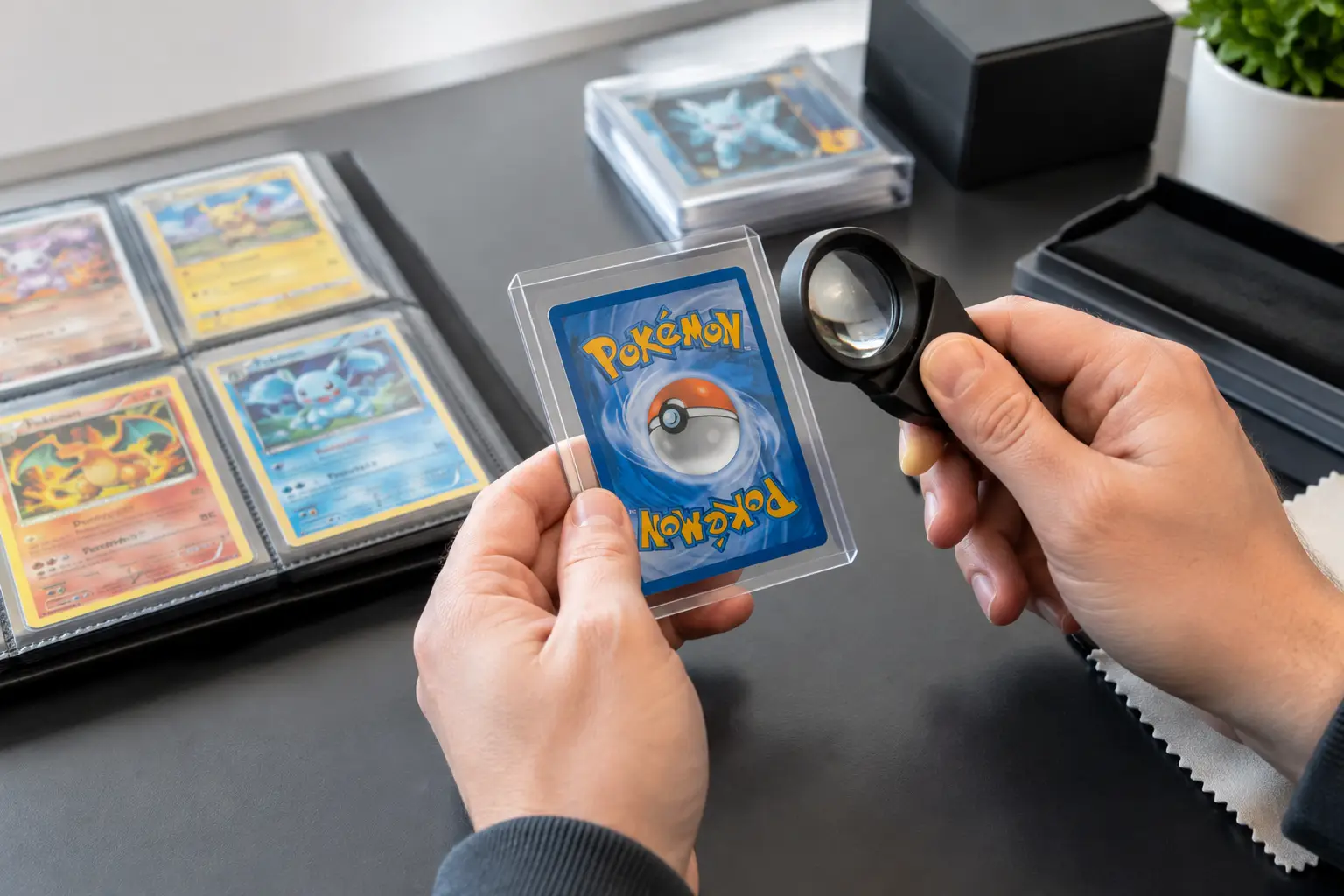
A shiny Charizard card is not necessarily expensive, just as an old card is not necessarily rare. To accurately value a Pokémon card, start with the details that are easy to overlook: the set, card number, print variant, condition, and actual demand. These can make the difference between a card worth a few leva and a collectible that people watch for a long time.
Whether you’re preparing a binder for sale, looking for a card for your collection, or want to understand how a listing price was set, don’t look for a magic number. Look for evidence. In Pokémon TCG, the best price is one you can clearly explain and compare with actual sales of similar cards.
Start your valuation by identifying the card accurately
First, identify exactly which card you have. The Pokémon’s name alone isn’t enough. Pikachu, for example, has many releases, promo cards, reverse holo variants, and regional versions whose values can be very different.
Check the bottom of the card. That’s usually where you’ll find the set number, such as 203/197, the set symbol or designation, the print year, and sometimes a special marking. A number higher than the set’s official card count often indicates a secret rare. That’s a reason to check the card more closely, but it doesn’t guarantee a high price.
Language and region matter too. English cards generally have the widest market in Bulgaria and Europe. Japanese releases may be more affordable or more sought-after depending on the specific card, print quality, and set popularity. German, French, or Italian cards are usually valued lower than their English equivalents. There are exceptions for early releases and hard-to-find promo cards.
Pay attention to the variant too. Holo, reverse holo, full art, illustration rare, ultra rare, gold, stamped promo, and prerelease cards may look similar, but they’re different products. Compare only cards with the same name, number, language, finish, and release.
Condition often affects price more than rarity
A collectible card isn’t valued simply by whether it has been played. The difference between Near Mint and Lightly Played can be significant, and even a small flaw can substantially lower the price of an expensive card. A well-lit photo of the front isn’t enough: the back, corners, and edges also show the card’s condition.
A Near Mint card may have minimal handling marks, but no visible scratches on the front, whitening on the edges, creases, or dirt. Lightly Played allows for minor marks that don’t detract from its overall appearance. Moderate Played means more noticeable scratches, more wear, and visible marks. Damaged describes serious problems such as creases, delamination, moisture stains, a torn edge, or a heavily damaged surface.
For holo cards, inspect the front at an angle. Fine scratches are often visible only in the light, but buyers of more valuable cards will look for them. Check the print centering too. It isn’t decisive for an ungraded card, but it’s very important if you’re presenting it as a possible candidate for professional grading.
An honest description is more useful than an overly optimistic assessment. If there’s whitening on the back, show it. If the card has a small dent that’s hard to capture in a photo, mention it. That way, the buyer knows what they’re getting, and the risk of a dispute after the sale is lower.
A graded card is not the same as an ungraded one
A card in a case from a recognized grading company is sold with a specific grade, not simply as “perfect.” PSA 10, PSA 9, BGS 9.5, and CGC 10 can have very different values, even when the card and set are the same. Don’t use a PSA 10 price to value a raw card that has been sitting in a binder for years.
Grading costs money, takes time, and carries the risk of receiving a lower grade than expected. It makes the most sense for cards with proven demand, high value in top condition, and genuinely clean surfaces. For a modern card that’s easy to find, the cost doesn’t always pay off.
How to find the real price, not the desired one
One of the most common mistakes is looking at the highest active listing. A listing price shows what the seller wants, but doesn’t prove that anyone is paying that much. Look for completed sales of the most similar examples you can find, and compare several transactions—not just one that supports the price you want.
Compare in the same currency and take condition into account. A card sold as Near Mint in England isn’t a direct reference for a Played copy in Bulgaria. Separate the card’s price from shipping, fees, and any import costs. For inexpensive cards, these additional amounts can seriously distort the comparison.
It’s more useful to set a range than to insist on one absolute value. If similar cards sell for 25–35 leva and your copy has some wear, a reasonable starting price may be below the midpoint of the range. If the card is pristine, well-centered, and a sought-after variant, a higher price may be justified—as long as you support it with clear photos.
Demand also moves the market. A new set, a popular Pokémon game, the tournament meta, or nostalgia for the WOTC era can temporarily affect interest in certain cards. That doesn’t mean every old card will increase in value. Mass-printed cards often remain affordable even if they’re from a beloved era, while rare, well-preserved examples stand out.
What to include in a Pokémon card listing
A good listing saves questions and builds confidence before the first message. For a single card, state its exact name, set, set number, language, variant, and condition. Clarify whether the card is ungraded or in a grading case, and give the exact grade if it has one.
Use photos of the actual card, not a catalog image. Show the front and back without a sleeve if it’s safe to do so, and take close-ups of any flaws. If the card comes with a hard sleeve, top loader, or other accessory, say whether it’s included. For binder collections, take clear photos of the pages and note whether the cards are in different conditions.
For a larger collection, there’s no point in pricing every common card individually. Separate valuable cards, holo cards, promos, and older sets from the bulk. That makes it easier for the buyer to understand what they’re paying for, and helps you avoid overpricing a lot whose value comes from just a few specific cards.
When a low price is a warning sign
For sought-after cards, a suspiciously low price is a reason to check carefully. Watch out for overly blurry photos, a missing photo of the card’s back, mismatched fonts, unusual colors, or a description without a card number and set. Counterfeits aren’t always easy to spot, especially among modern full art cards and popular vintage classics.
Don’t rely only on how the paper feels or whether the card shines. Compare the text, symbols, texture, and print with a reliably identified authentic card from the same release. If you’re unsure, don’t state categorically that the card is authentic. Ask a question, request additional photos, or seek the opinion of an experienced collector.
At KPZ, clear descriptions, actual photos, and payment on delivery help collectors buy and sell with greater peace of mind. When the details are accurate, both sides know whether the card is suitable for play, a binder, or display.
Next time you take a card out of an old binder, don’t rush to call it priceless or worthless. Check it like a collector: what exactly it is, what condition it’s in, and what people are actually looking for. That way, the price will be based on facts rather than guesses, and will provide an honest basis for a good deal.
Find it at KPZ
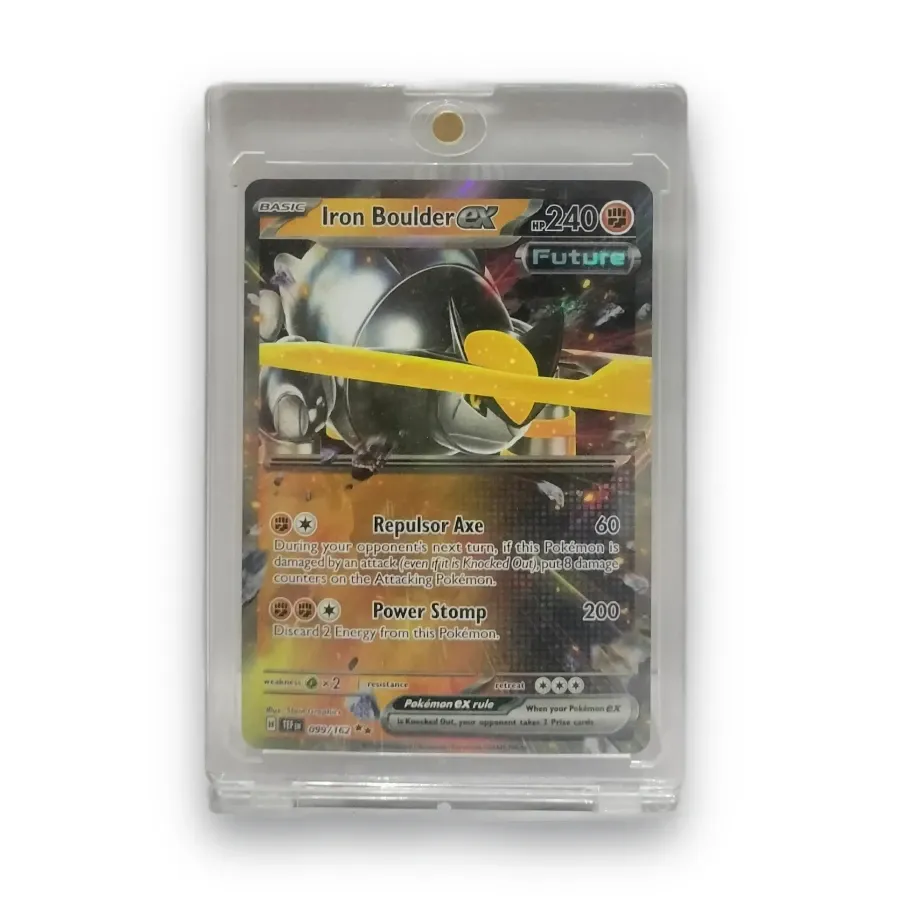
Iron Boulder ex 099/162 — Temporal Forces
0,50 €
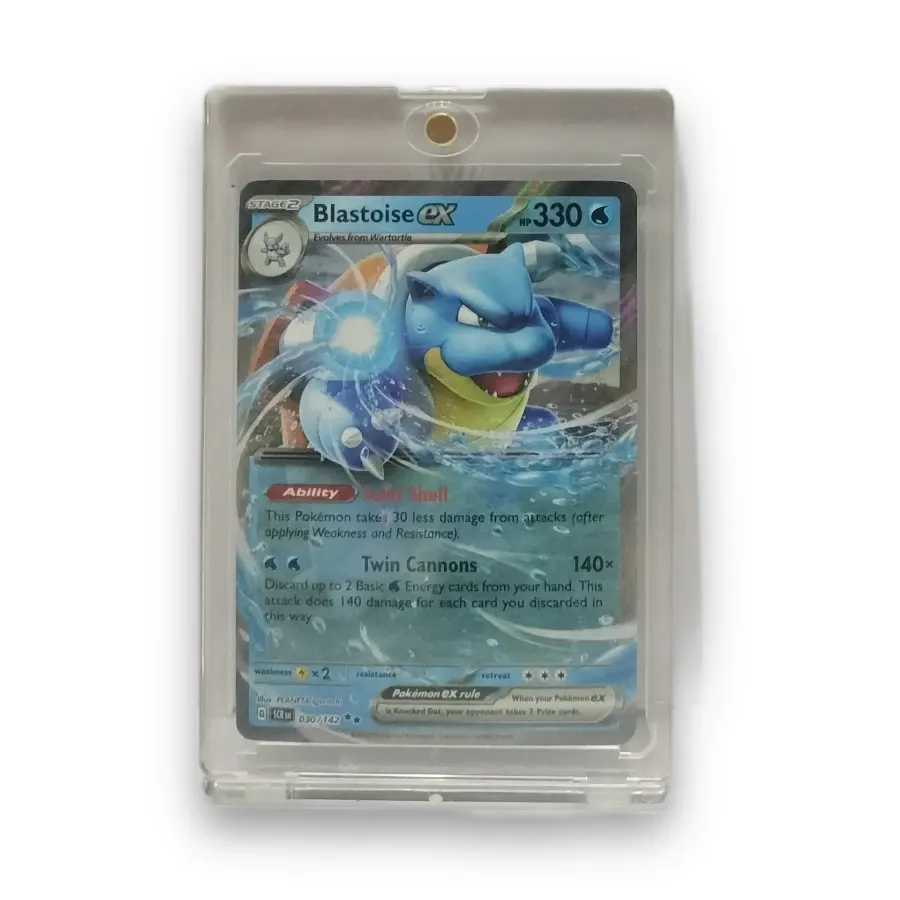
Pokémon TCG Blastoise ex 030/142 — Stellar Crown
2,00 €
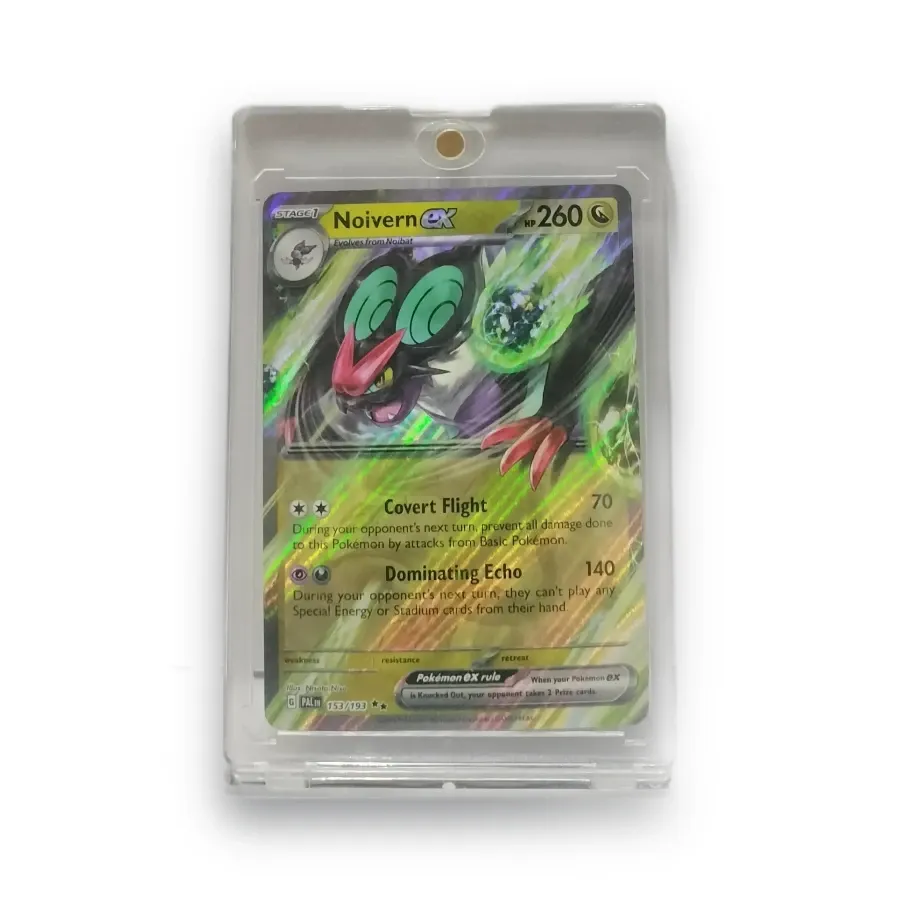
Pokémon Noivern ex 153/193 — Paldea Evolved
0,50 €
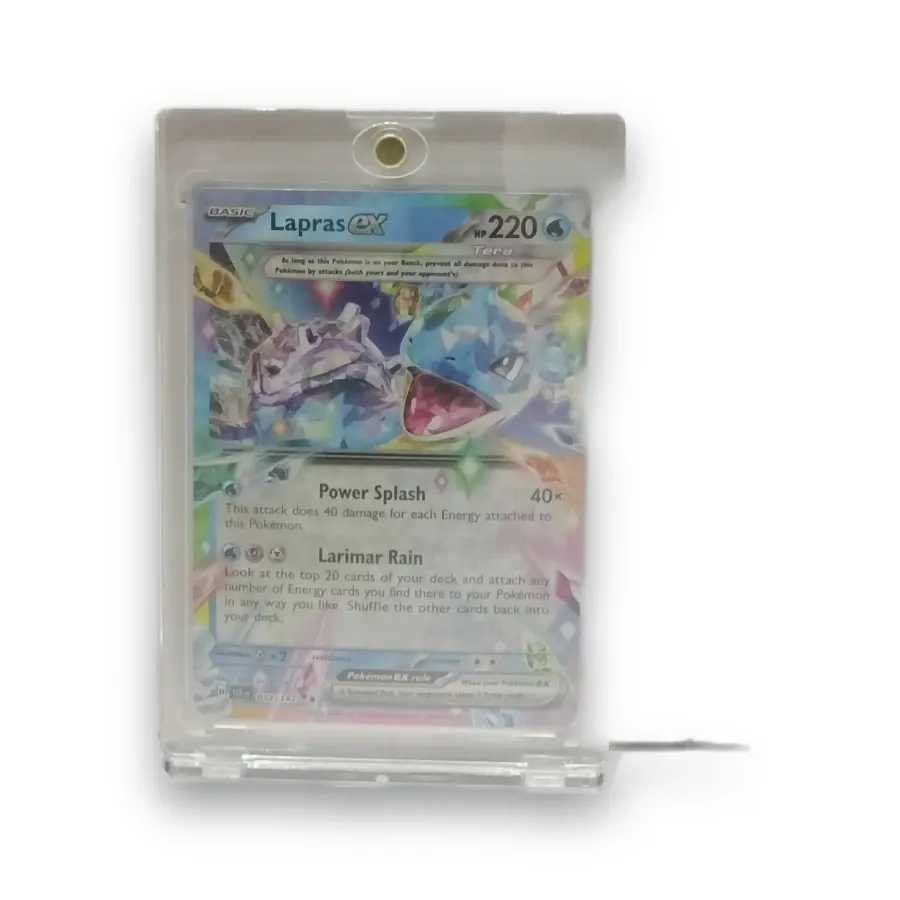
Pokémon TCG Lapras ex 158/142 — Stellar Crown
1,00 €

Pokémon Psyduck Wicked Cool Toys Plush
9,00 €

Pokémon TCG Battle Academy 2022 — Pikachu, Eevee & Cinderace V
28,00 €
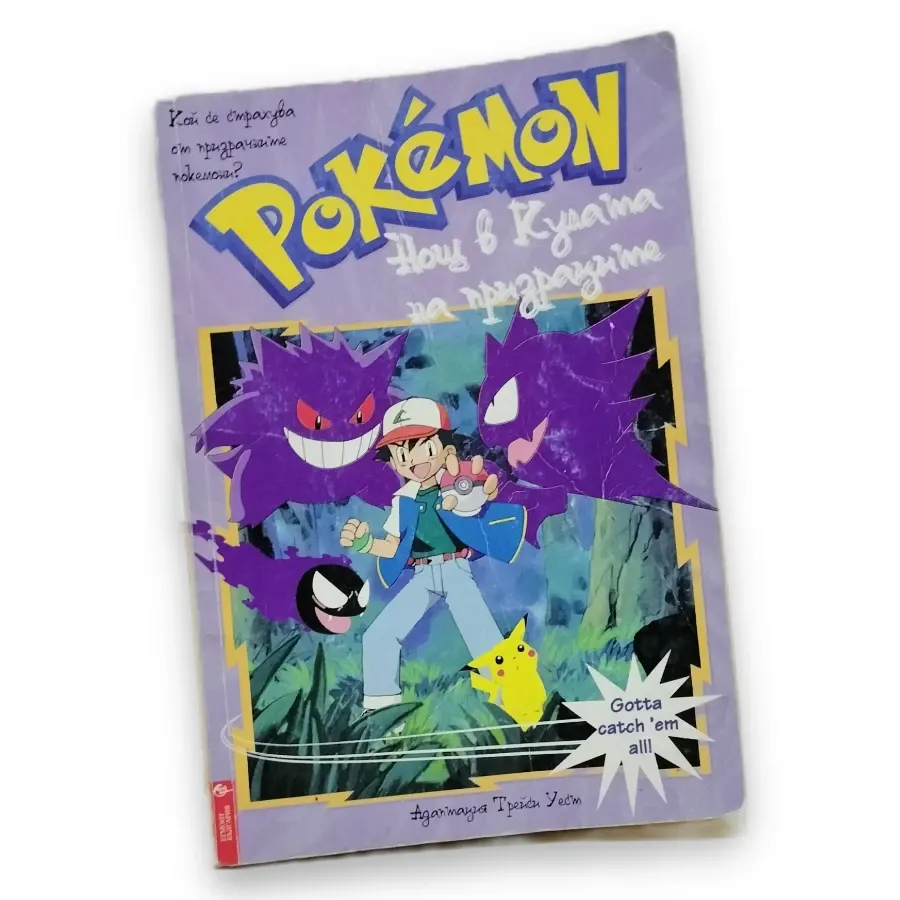
Pokémon: Show at the Ghost Tower
7,00 €

Pokémon Pikachu Plush with Tag
12,00 €
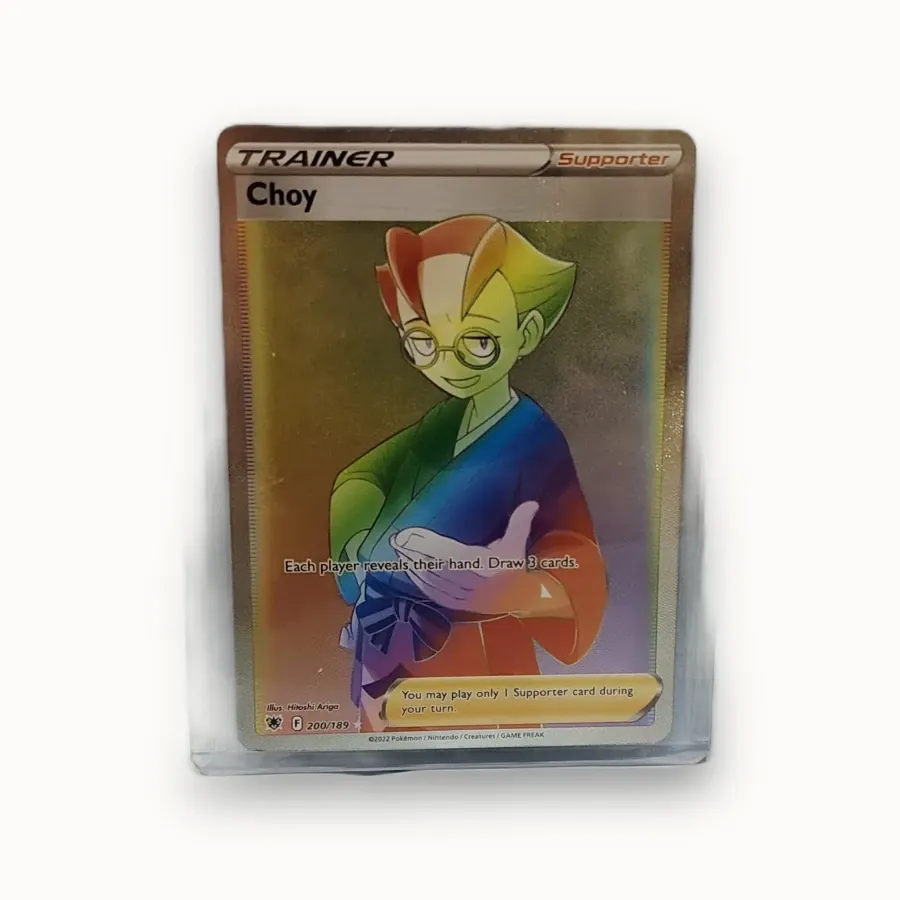
Pokémon Choy 200/189 Secret Rare Trainer Card
6,00 €
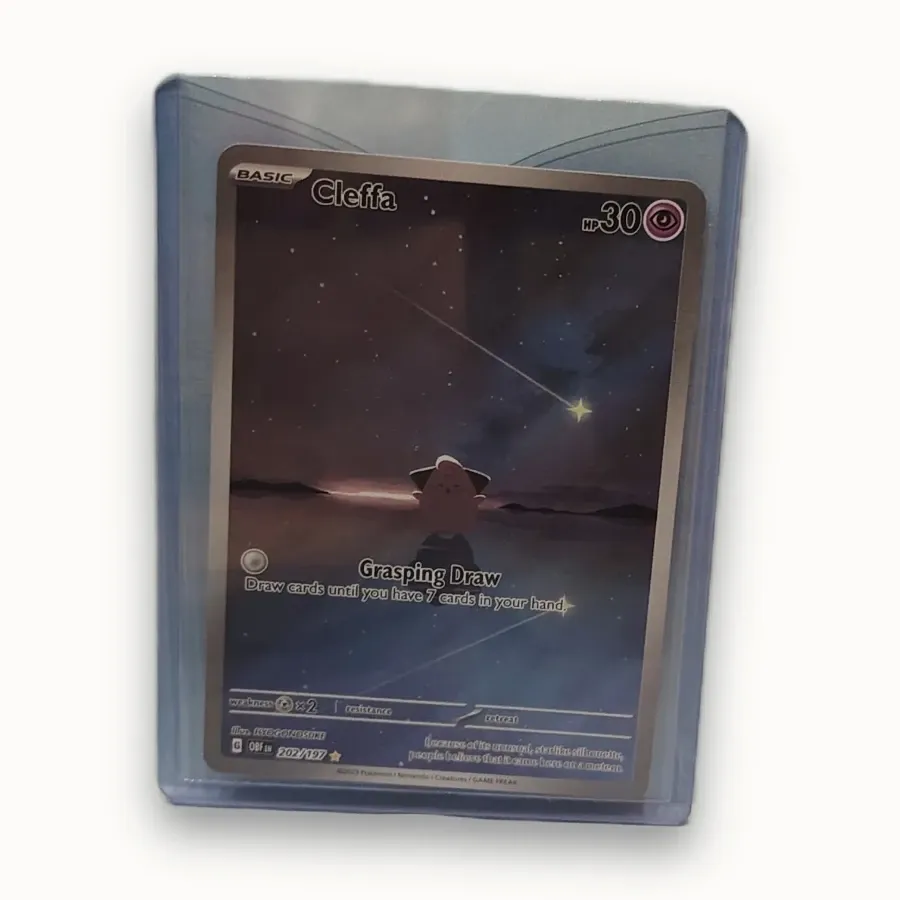
Pokémon TCG Cleffa 202/197 Illustration Rare — Obsidian Flames
27,00 €