
The collector's edition
Authentic vs. Replica Pokémon Cards: How to Tell Them Apart
A shiny Charizard card at a suspiciously good price can look like the find of the month. But with authentic vs. replica Pokémon cards, the difference is about more than price: it determines whether you’re holding a card that’s valid for play, a collectible, or simply a convincing-looking substitute with no real value.
For a beginner collector, a replica can be disappointing. If you’re buying a card as a gift, it can also lead to an awkward conversation after the package is opened. And with more expensive cards, a mistake can cost much more than a few leva. The good news is that most fakes can be spotted before purchase, as long as you check the right details.
What’s the difference between an authentic card and a replica?
An authentic Pokémon TCG card is an official product of The Pokémon Company and its licensed partners. It belongs to a specific set and has a set number, rarity, design appropriate to its era, and print quality that follows an established standard. It may be in English, Japanese, German, or another official language—the language alone doesn’t make it a replica.
A replica, often called a fake card, copies the look of an original but has no official origin. Sometimes it’s obvious: a gold plastic card with made-up stats, overly saturated colours, or the wrong Pokémon name. Other times it’s convincing enough to fool someone who only looks at the front.
There’s also a third category that shouldn’t be confused with fakes: proxy cards. These are unofficial substitutes sometimes used to test a deck at home. They have no collectible value, aren’t allowed in official tournaments, and should be clearly labelled as such. The problem arises when a proxy or replica is offered as an original.
Check the listing before the card
The safest check starts before you even look at the photos. A proper listing specifies exactly what’s being sold: the card name, set, number, language, condition, and whether it’s a single card, sealed product, or lot. Phrases such as “original style,” “1:1 replica,” “for collection,” or “metal Pokémon card” are reasons to ask more questions—especially if the price is too low for that rarity.
Real photos are much more helpful than a catalogue image. Look for clear shots of the front and back, taken in normal light. For more expensive cards, it’s reasonable to ask for close-ups of the text, edges, and holographic effect. A scratch, slight whitening on the back, or off-centering doesn’t prove the card is fake—they describe its condition. A lack of photos and specific information, however, is a risk.
The price can also offer a clue. Not every cheap card is fake: sometimes the seller is simply clearing out duplicates or doesn’t follow the market. But if a popular chase card costs as much as an ordinary holo card, don’t immediately assume you’ve found a lucky bargain. Compare the same release with the same release, one language with the same language, and like condition with like condition. Near Mint, Played, and Graded aren’t interchangeable descriptions.
Details that most often give away a replica
Print, font, and colours
On authentic cards, the text is clear and even. The letters aren’t blurry or too thick, and they don’t look as if they were printed on a home printer. Check for odd spacing, spelling errors, and incorrect Energy symbols. The Pokémon’s name, HP value, attacks, and weaknesses should match the details for that specific card.
Replica colours are often too bright or unusually pale. This isn’t a definitive test, though: lighting and the camera can change how they look in a photo. It’s more useful to compare the card with a reliable image of the same release and check whether the tones, borders, and small icons look plausible.
Back, edges, and material
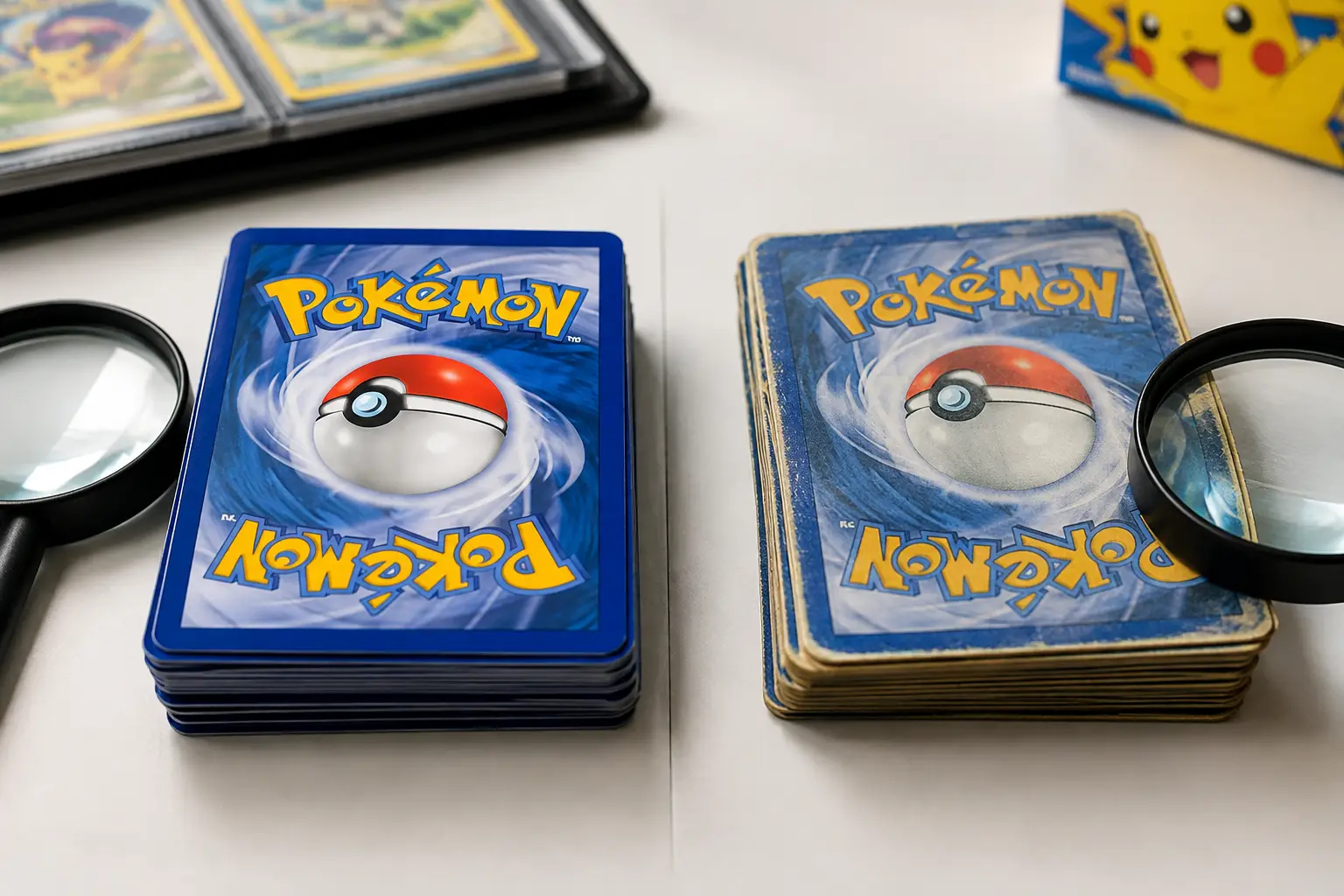
The back of a standard Pokémon card has a familiar blue design. On many replicas, the blue is too light or too dark, the swirl around the Poké Ball is unclear, and the outline of the yellow lettering is different. If you have a confirmed original from the same era, place the two cards side by side. That’s more reliable than relying on your memory.
An original is usually made of firm cardstock and has evenly cut edges. Fake cards are often too smooth, thin, glossy, or soft. Still, don’t rely on feel alone: different series, Japanese releases, and promo cards can have noticeably different finishes.
The holo effect should match the card
For modern V, VMAX, ex, full art, and special illustration rare cards, the foil is one of the most useful indicators. The original effect is usually part of the design: you can see textures, lines, and reflections that change with the artwork and viewing angle. Cheap replicas often have the same rainbow-like vertical shine across the entire surface, regardless of the artwork.
There is a catch, though. Older holo cards have different patterns depending on the era, and some authentic promo cards look unusual compared with modern sets. Don’t reject a card just because it doesn’t shine like a new Scarlet & Violet card. Check the specific release, not your general idea of a “correct” holo effect.
The card number is a small detail with big significance
At the bottom of the card, you’ll find a number, such as 123/182, a set symbol, and other markings. Check whether the combination of Pokémon, artwork, rarity, and number actually exists. Sometimes replicas use a real image but add a nonexistent number, the wrong set symbol, or a rarity the card never had.
The absence of a number doesn’t necessarily mean the card is fake. Some older releases and promo cards follow different rules. That’s why context matters: year, language, series, and product type.
Tests that are better left alone
You may hear advice to tear a card to see the dark inner layer of the cardstock. This can help with a cheap card that’s already damaged, but it’s a bad idea for a potentially valuable card. You destroy both the original and any value it may have.
The same goes for light tests, bending, and weighing. Some fakes let more light through, but different official print runs and languages aren’t exactly alike. Weight also varies with the foil, protective sleeve, and moisture. These methods may suggest a problem, but they don’t deliver a final verdict.
It’s better to use several checks together: review the listing, look at clear photos, compare with a confirmed original, and check whether the details match the specific set. If the card is rare and expensive, don’t rush. One extra day to check costs less than a hasty purchase.
How to buy and sell with confidence
When buying, choose listings with precise details and real photos. Ask directly if information is missing: “Is the card authentic?”, “Do you have a photo of the back?”, “What condition are the edges in?” An honest seller has no reason to avoid these questions. Cash on delivery offers extra peace of mind, but it doesn’t remove the need to inspect the card carefully.
When selling, don’t raise the price just because the card is old or shiny. Describe the language, set, number, condition, and visible defects. If you’re unsure about its authenticity, say so clearly and don’t offer the card as an original. That protects the buyer and your reputation, and helps make the community a better place to trade.
At KPZ, a good listing is more than a photo and a price. It gives the next fan the details they need to decide confidently whether the card belongs in their deck, binder, or as a gift. Take a careful look, compare the details, and buy only when the information about the item is as clear as the print itself.
Find it at KPZ
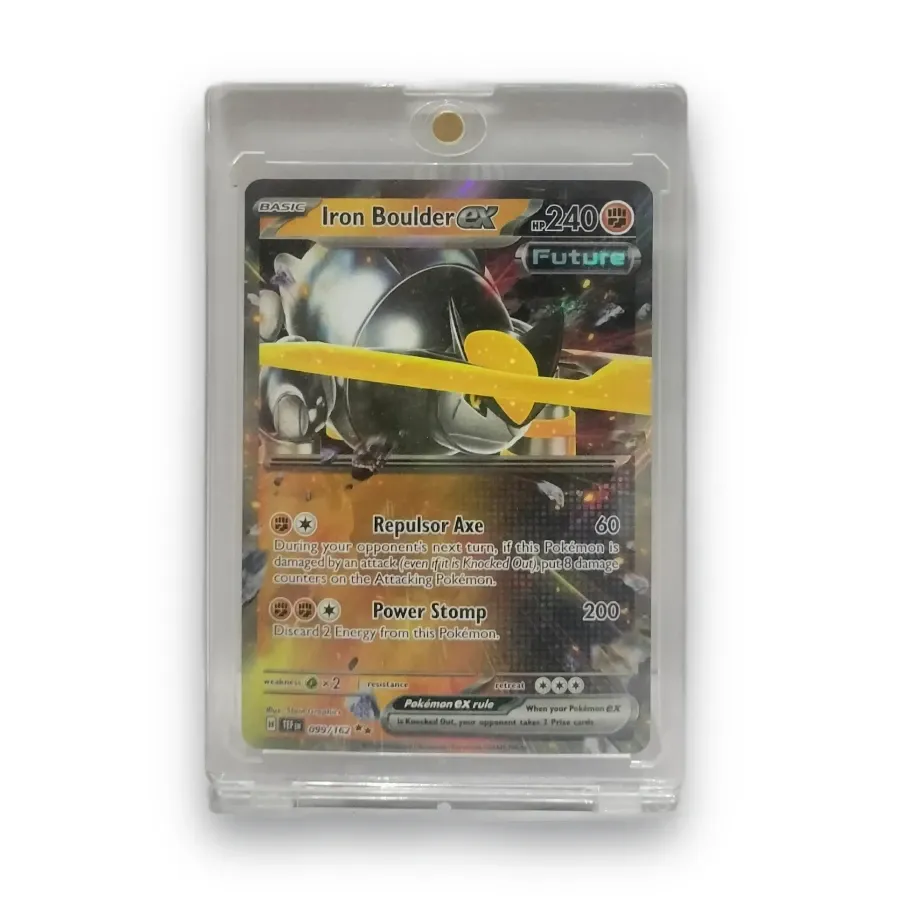
Iron Boulder ex 099/162 — Temporal Forces
0,50 €
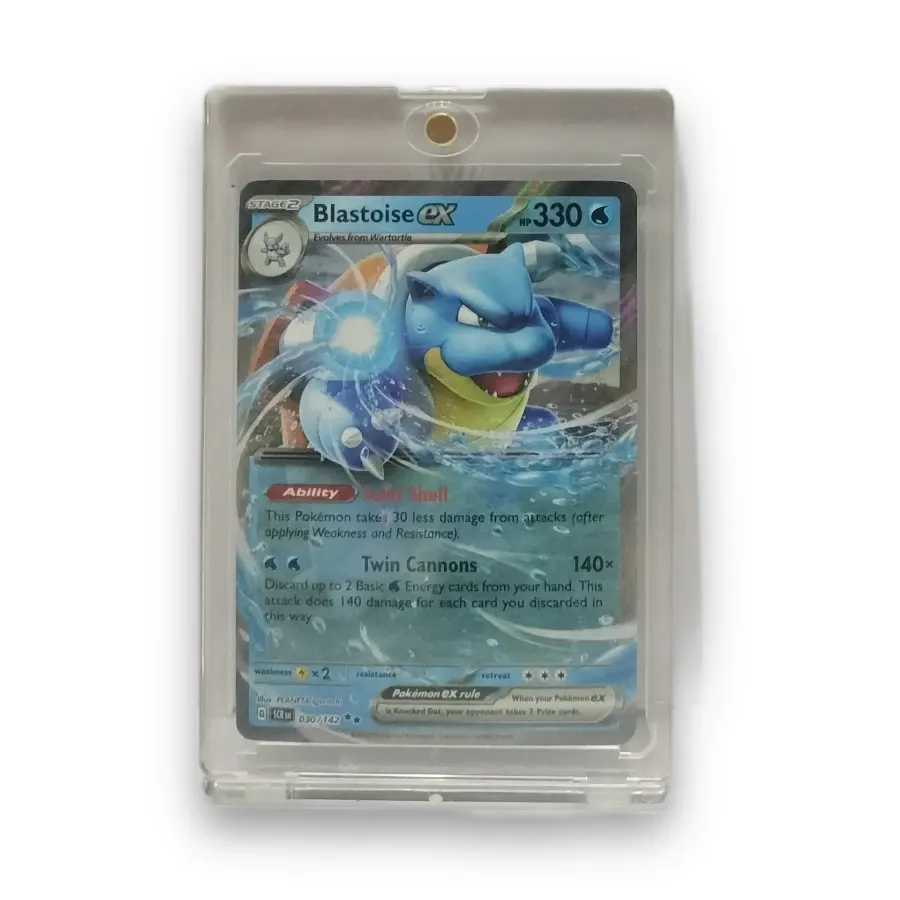
Pokémon TCG Blastoise ex 030/142 — Stellar Crown
2,00 €
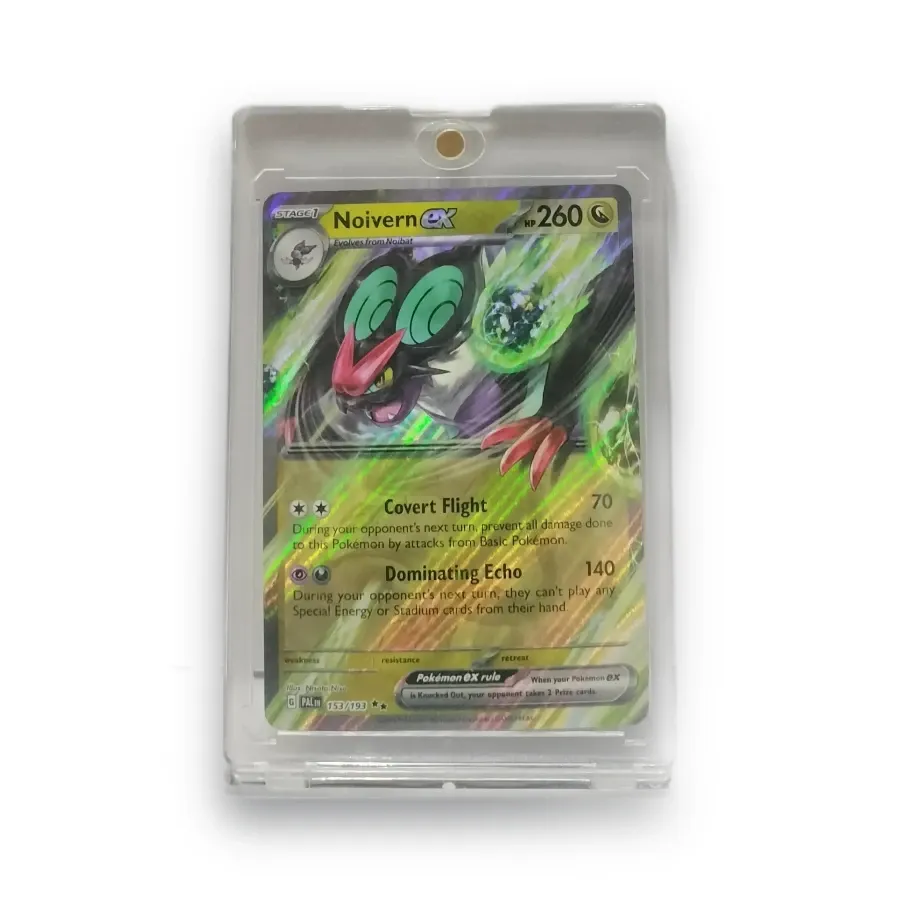
Pokémon Noivern ex 153/193 — Paldea Evolved
0,50 €
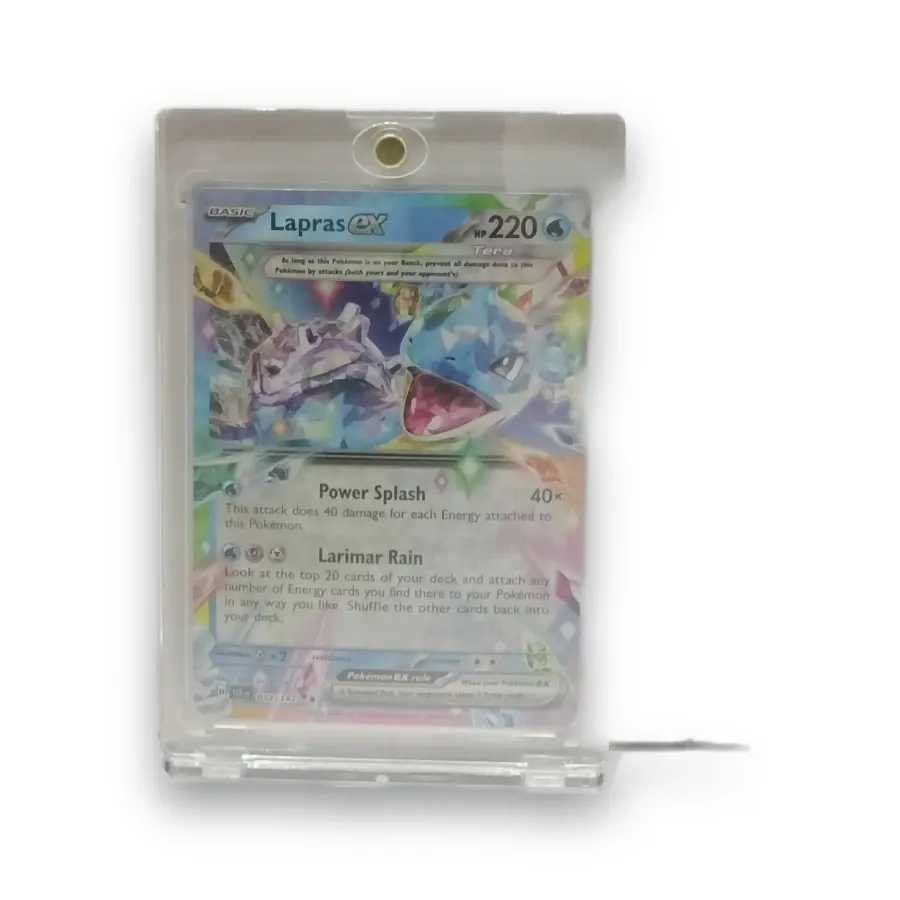
Pokémon TCG Lapras ex 158/142 — Stellar Crown
1,00 €

Pokémon Psyduck Wicked Cool Toys Plush
9,00 €

Pokémon TCG Battle Academy 2022 — Pikachu, Eevee & Cinderace V
28,00 €
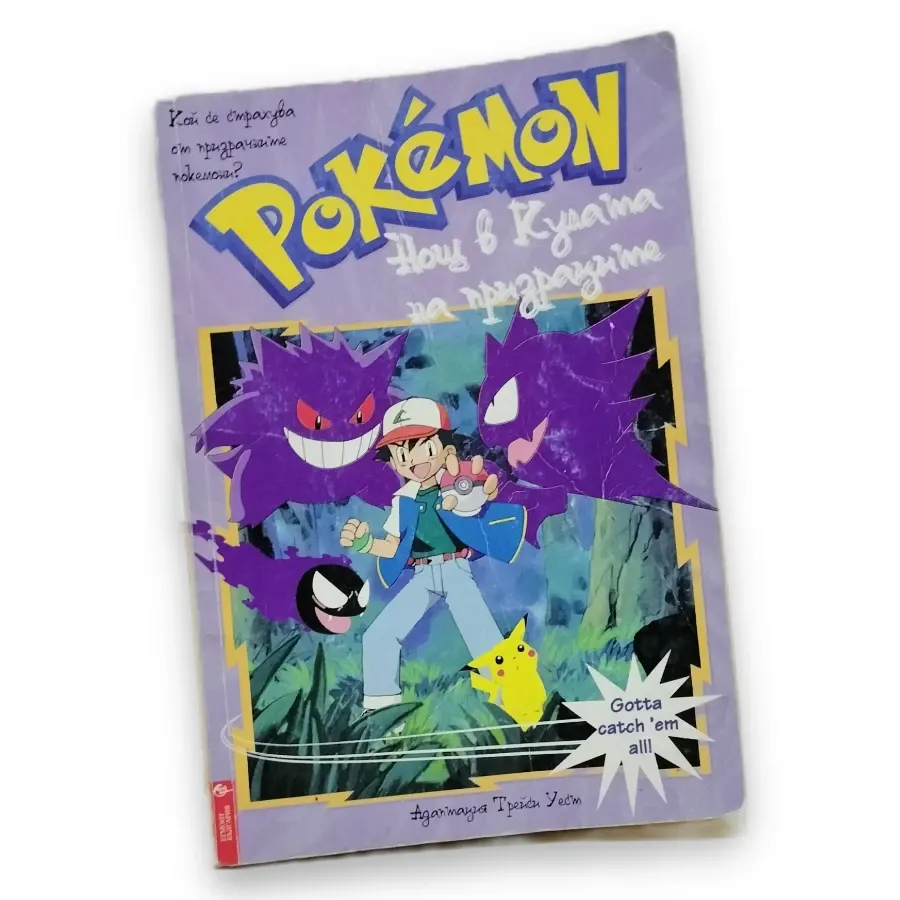
Pokémon: Show at the Ghost Tower
7,00 €

Pokémon Pikachu Plush with Tag
12,00 €
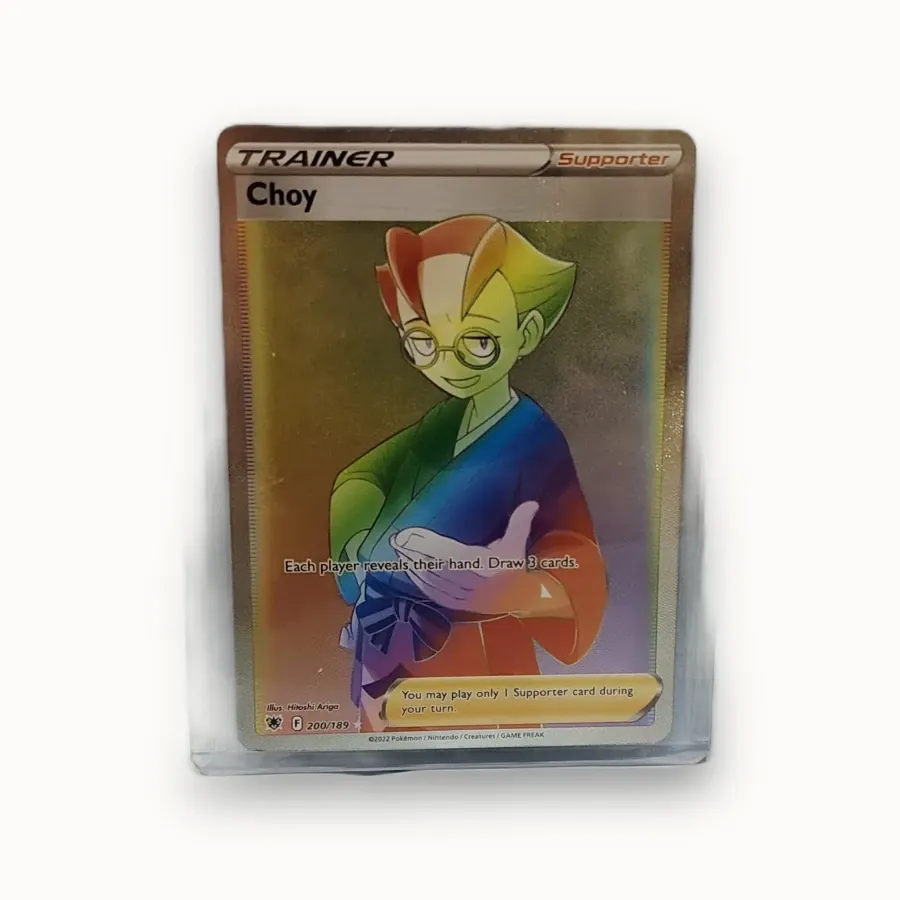
Pokémon Choy 200/189 Secret Rare Trainer Card
6,00 €
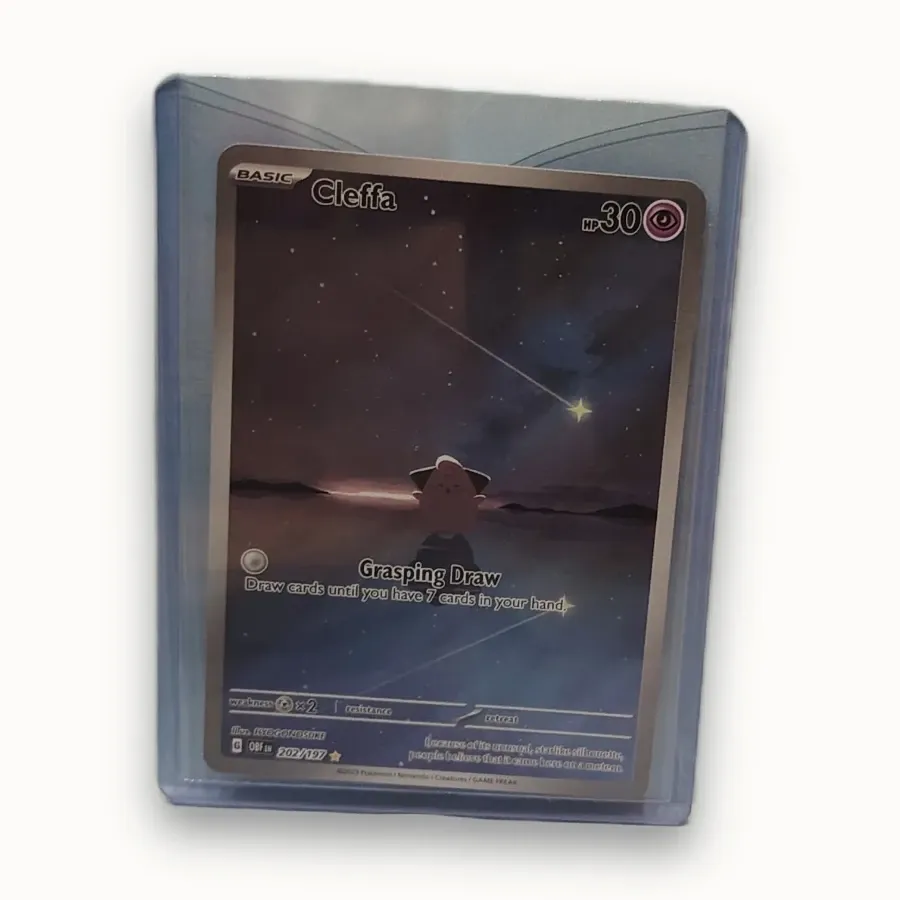
Pokémon TCG Cleffa 202/197 Illustration Rare — Obsidian Flames
27,00 €