
The collector's edition
How to Value Old Comics Without Undervaluing Them

You find a box of childhood comics, open it and, among the familiar covers, spot an old issue of Spider-Man, Batman or a Bulgarian edition you have not seen in years. The first thought is often: “This must be worth something.” The next question is: “How do I value old comics without selling them for next to nothing or setting an unrealistic price?”
With comics, age alone does not determine value. Some issues from the 1990s were printed in large numbers and are easy to find, while a newer limited edition may be sought after precisely because of its small print run. A realistic valuation comes from the combination of the specific edition, condition, demand and verifiable sales.
How to value old comics in the right order
Do not start with the price, but with identification. The same character, title and even identical cover may refer to entirely different editions. Carefully examine the front and back covers, the publication-information box inside the issue and the barcode, if there is one.
Write down the series title, issue number, year, publisher, country or language, cover variant and whether it is a first edition, reprint or collected volume. For American comics, the series era is also important. “Spider-Man #1”, for example, is not a sufficient description, because number 1 may exist in several series, decades and editions.
For Bulgarian comics and magazines, note the publisher, year, issue number and whether there are posters, cards, stickers or other inserts inside. Sometimes it is the insert that makes an otherwise ordinary issue more desirable as a complete set.
First edition, first appearance and key issue
First editions, the first issues of a well-known series, a character’s first appearance, significant story events and rare cover variants are most often sought after. This does not mean that every “number 1” is valuable, however. Modern comics were often printed in large numbers, and the market is full of nearly identical copies.
A key issue has a specific reason for being sought after. It may introduce a new character, be important to a film adaptation, mark the finale of a famous story or contain work by a popular artist. If you do not know why an issue is special, do not rely only on terms such as “rare” or “retro” in random listings.
Condition changes the price more than you might expect
A comic is a paper collectible. Small defects that do not interfere with reading can significantly reduce its collectible value. With more expensive issues, the difference between a clean copy and one with creases, stains or a missing page is far from symbolic.
Examine the cover in good light. Check for bent corners, scratches, fading, sticker residue, pen marks or price stickers. Inspect the spine for tears and separation around the staples on older thin issues. Leaf through the entire comic to make sure there are no missing pages, clipped coupons, coloring or a damp and moldy smell.
Light yellowing of the paper is normal in older editions and is not always a serious problem. Damp, however, is different. Wavy pages, brown stains, sticking and odor can sharply reduce value because condition usually worsens over time.
Practical condition descriptions
You do not need to be a professional grader to be accurate. Instead of writing “perfect”, describe exactly what you see. “Very good condition, light rubbing along the cover edges, all pages present” is much more useful to a buyer.
If there are more serious defects, show them in a photo and mention them directly. A hidden crease does not become irrelevant simply because it was not described. It can ruin the deal and undermine trust in the seller. With collectibles, a clear condition description is part of the price.
Rare does not automatically mean expensive
Print run matters, but it is not the only factor. A comic with few surviving copies may have almost no market if the character, series or language does not interest enough collectors. Conversely, a popular series with more available copies may maintain a good price if there are regular buyers.
That is why you should distinguish rarity from demand. Rarity answers the question, “How difficult is it to find?” Demand answers the more important question, “Is there someone who will buy it now?” Price is formed where these two factors meet.
Language and region matter too. An original American edition, British variant, Italian edition or Bulgarian licensed issue may appeal to different collectors. Do not assume that a foreign-language edition is always more valuable. For a Bulgarian collector, a complete and well-preserved local series can sometimes be much more interesting than a single mass-market foreign issue.
Look at sold copies, not just asking prices
One of the most common mistakes is seeing a high price in an active listing and accepting it as market value. An active listing shows what the seller wants. A sold copy shows what the buyer paid. The difference can be substantial.
Compare only close matches: the same series, issue number, edition and approximately the same condition. Do not compare a loose issue with a professionally graded and slabbed copy, or a comic with a missing insert with a fully complete one. If your issue has visible defects, use lower real sales as your guide rather than the best results.
Collect several comparable prices instead of fixating on one. If similar sales fall within a narrow range, you have a good starting point. When differences are large, the reason is often condition, a cover variant, a signature, certification or included inserts.
Signatures and certificates are not the same
A signature from a well-known writer or artist can add value, but only if it is authentic and sought after. An unverified signature should not automatically make a comic more expensive. Sometimes a dedication is more of a personal mark that limits interest among some buyers.
Professional grading and encapsulation are not mandatory for every issue either. They make sense for truly valuable comics, when the expected increase in confidence and price justifies the cost. For mass-market or mid-priced issues, good photos and an honest description are usually the more sensible choice.
Value the collection as a set too
A single issue is not always the best way to sell. A complete story in several parts, consecutive issues from one series or an almost complete annual set may be more attractive as a bundle. The buyer saves time, while you offer something that is harder to assemble.
There is also the opposite case. If the box contains one key issue and many ordinary ones, do not hide it in a large bundle with a high total price. It is better to value the key issue separately and group the rest by series, character or period. This keeps the listing clear both for a fan looking for a specific missing part and for someone who wants to start a collection.
How to prepare a comic for a real listing
Photograph the front and back covers, the spine and important defects up close. If there is a publication-information box with the year and edition details, include that too. Do not use photos from the internet—the buyer wants to see the exact copy they will receive.
In the title, include the series, issue number, publisher, year when needed and condition. In the description, specify the language, included inserts, defects and whether you are selling a single issue or a set. This well-organized information is exactly why specialized catalogues such as KPZ help collectors: searching by specific title, edition and condition reduces guesswork for both sides.
Do not rush to clean the cover, aggressively flatten creases or glue tears. Unprofessional intervention can leave marks and reduce value. Store comics upright, away from sunlight, moisture and sudden temperature changes, ideally in a suitable bag with a backing board.
Sometimes the best price will not come on the first day. Give the right buyer a chance to see the exact issue, its condition and why it is worth buying. When the description is honest, the photos are real and the price is based on comparable sales, the old comic is not just paper from a box—it finds a place in someone’s collection once again.
Find it at KPZ

La Planète des singes — Du roman aux écrans: La fabuleuse histoire
20,00 €
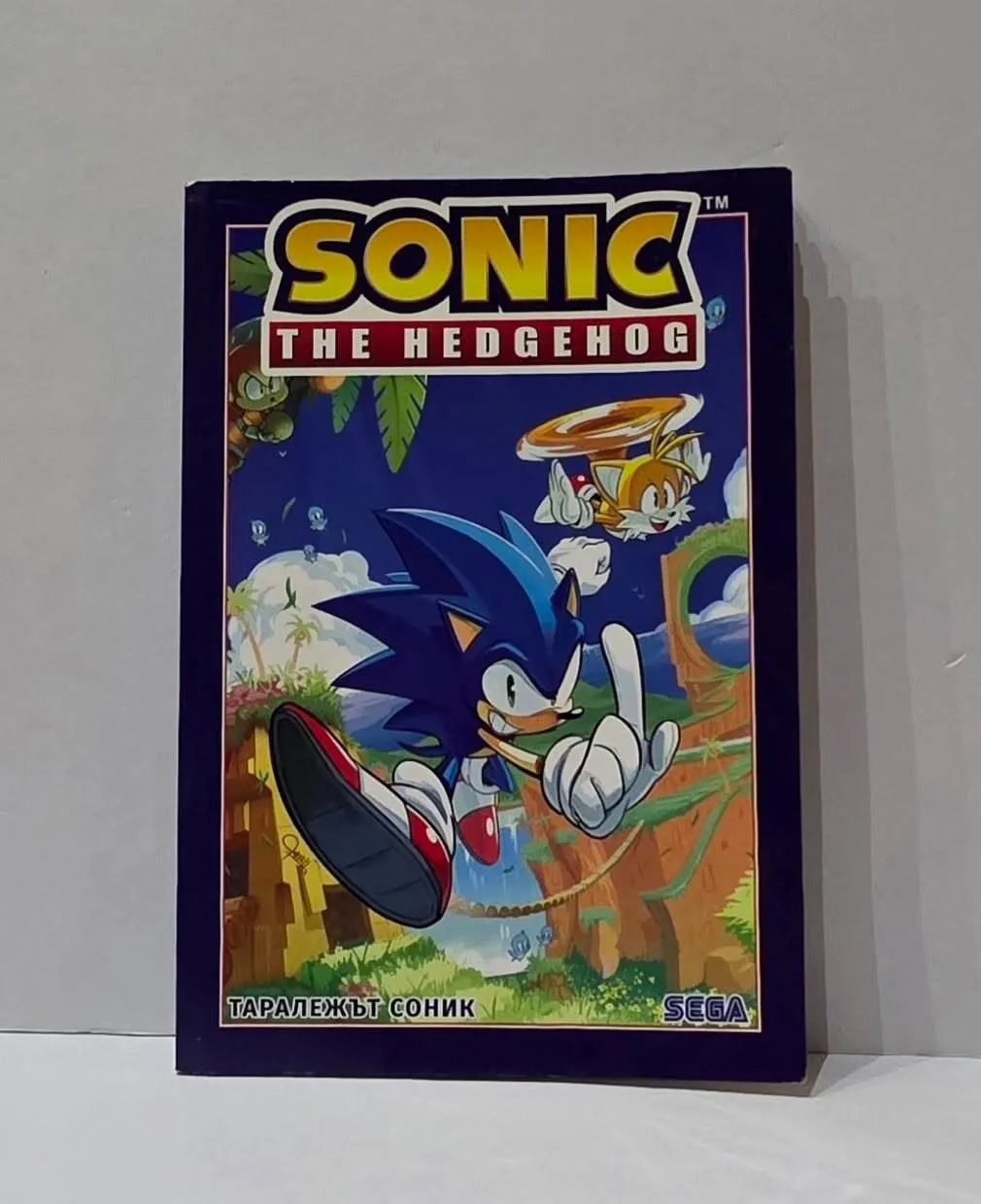
Sonic the Hedgehog – Volume 1
7,00 €
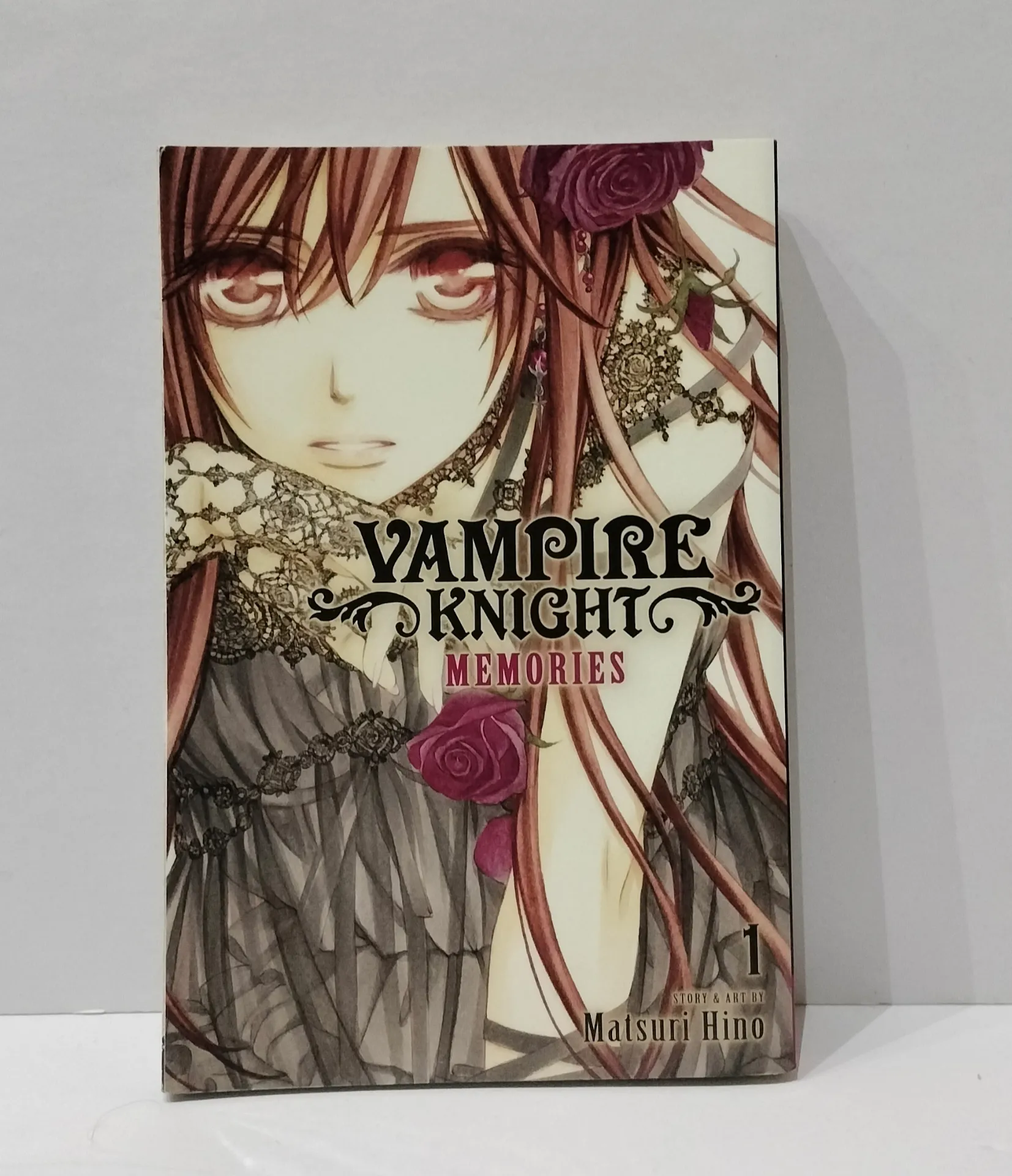
Vampire Knight: Memories, Vol. 1
7,00 €

Edens Zero, Volume 5: The Heart of a Hermit
8,00 €
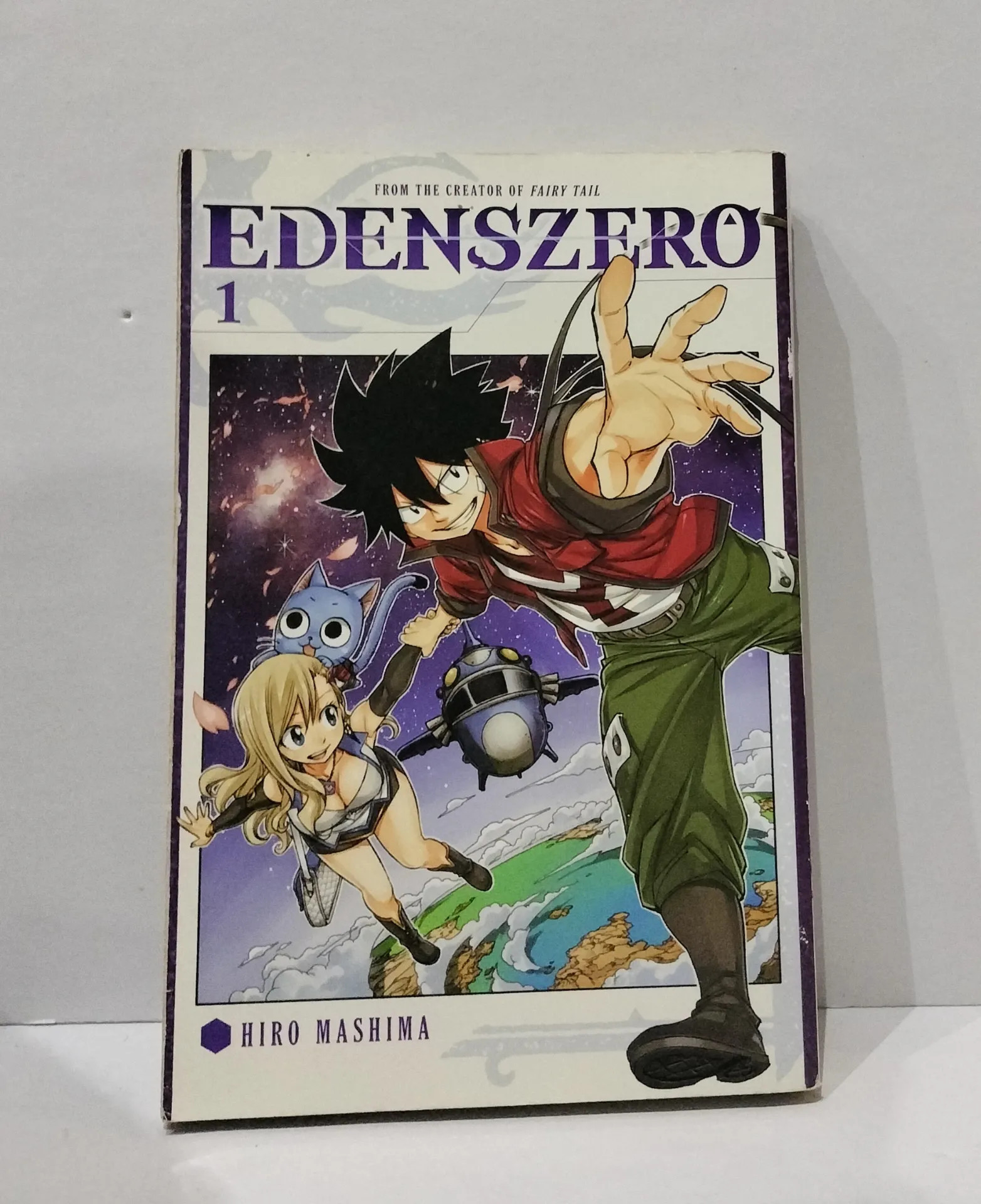
Edens Zero Volume 1 — Hiro Mashima
8,00 €
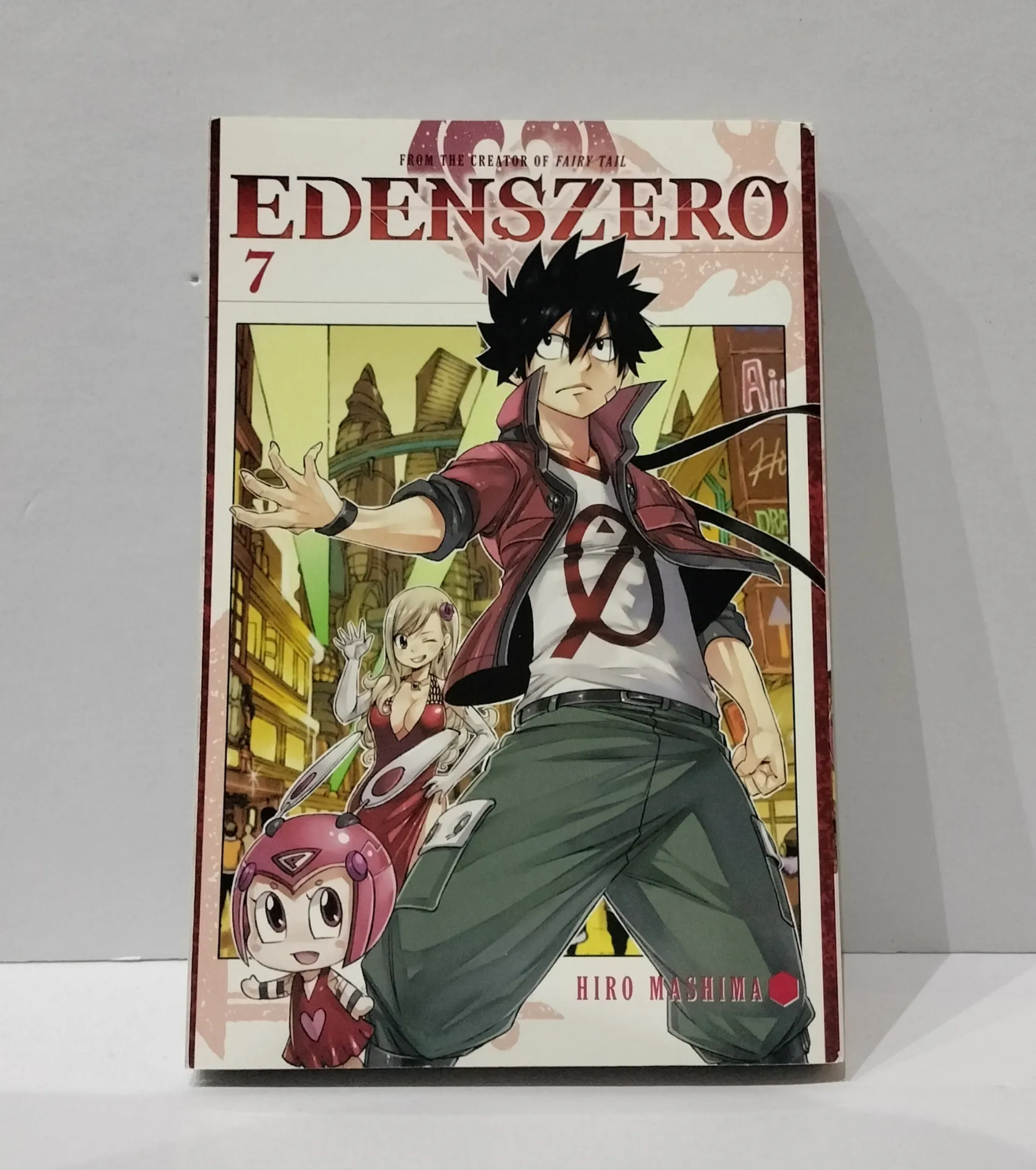
Edens Zero Volume 7 — Kodansha Comics
8,00 €
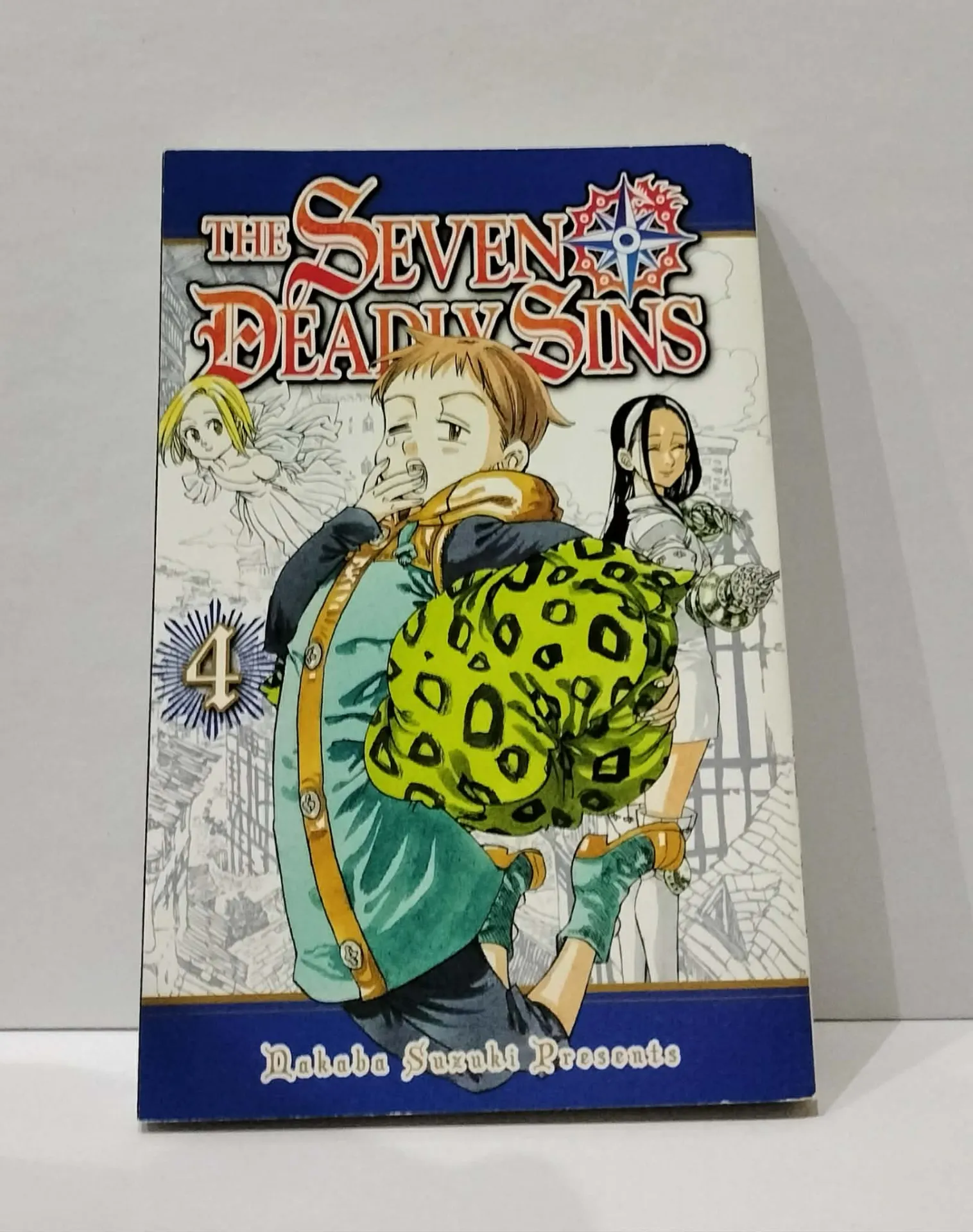
The Seven Deadly Sins, Volume 4
7,00 €
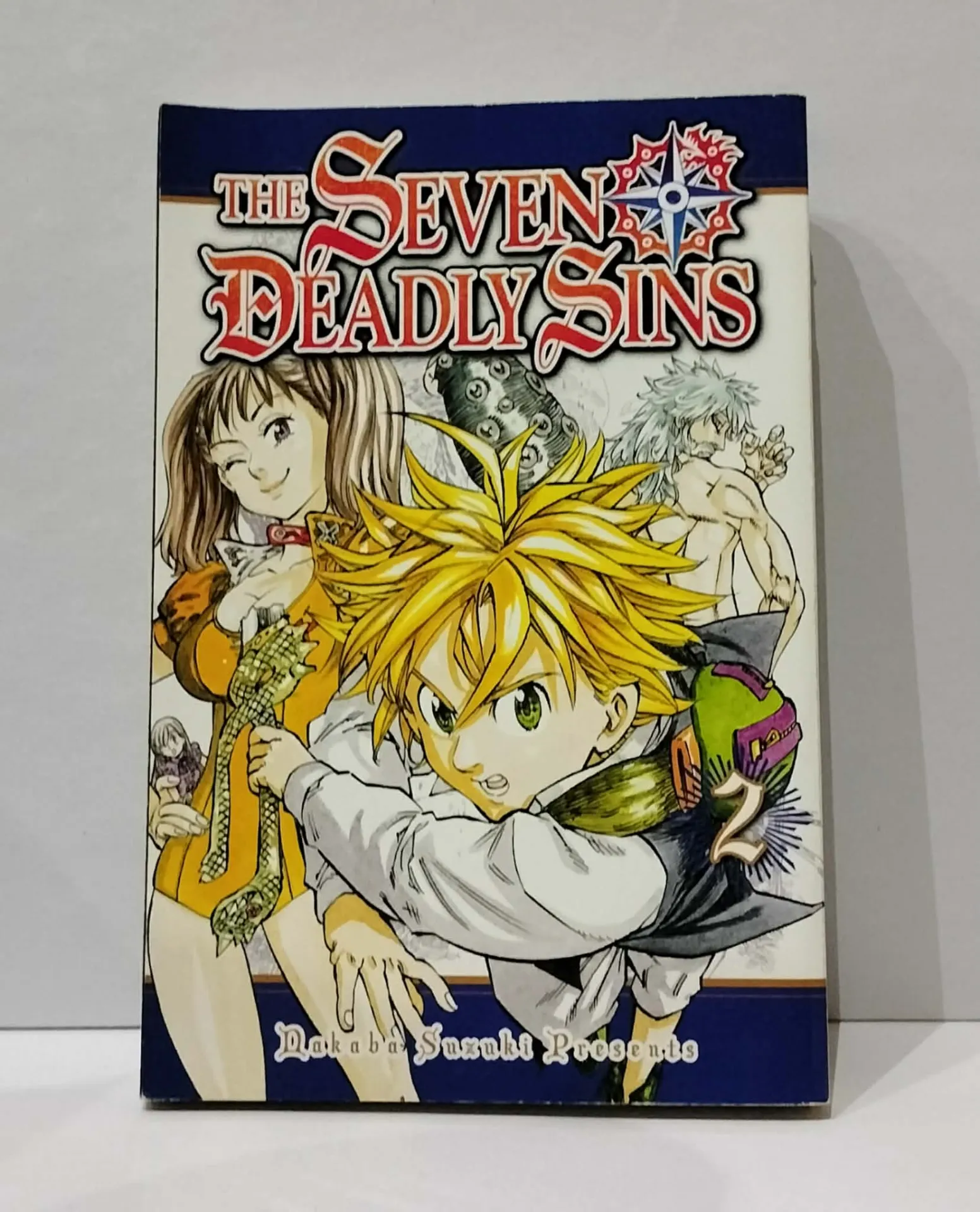
The Seven Deadly Sins, Volume 2: Sin vs Virtue
7,00 €
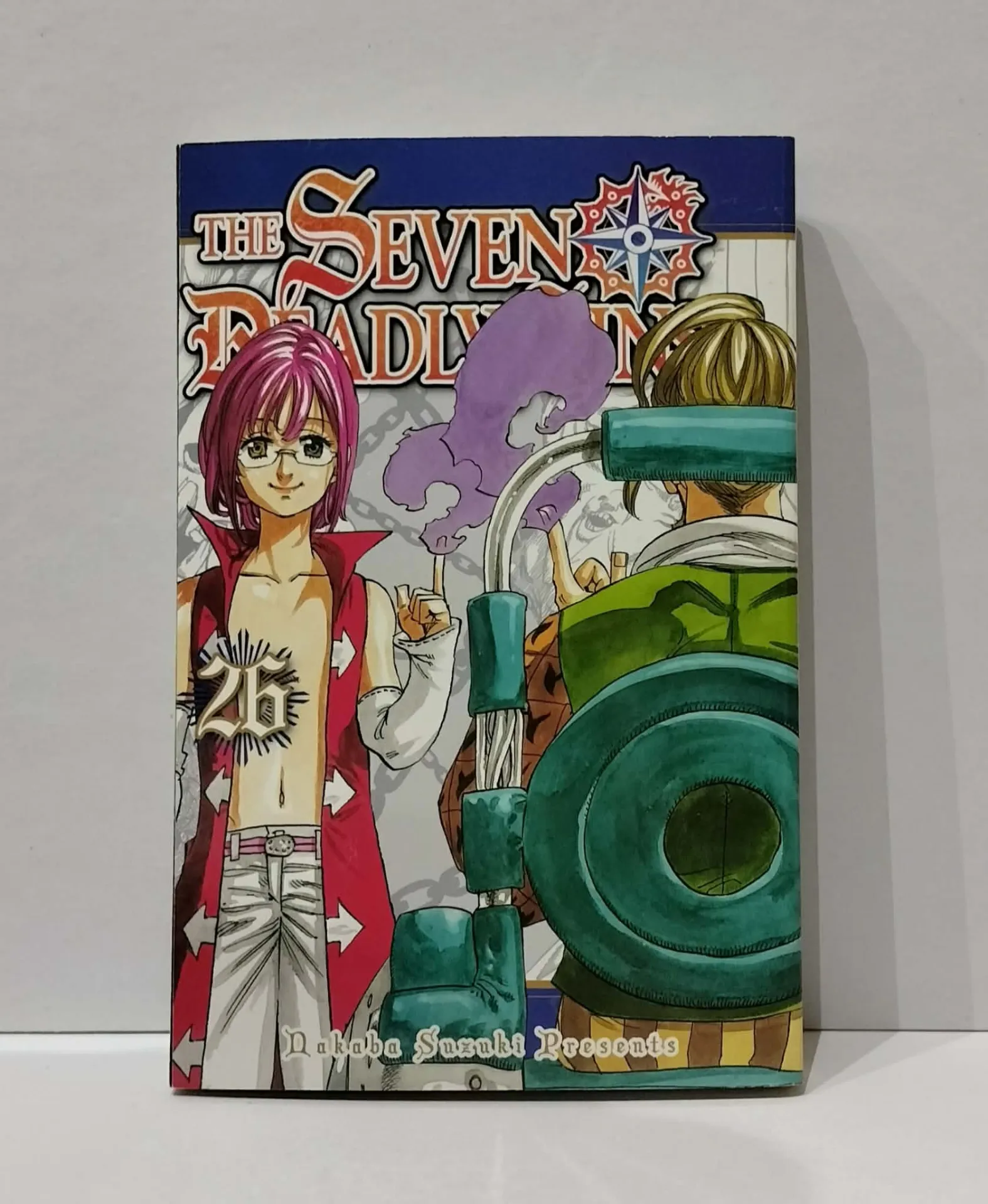
The Seven Deadly Sins, Volume 26
7,00 €
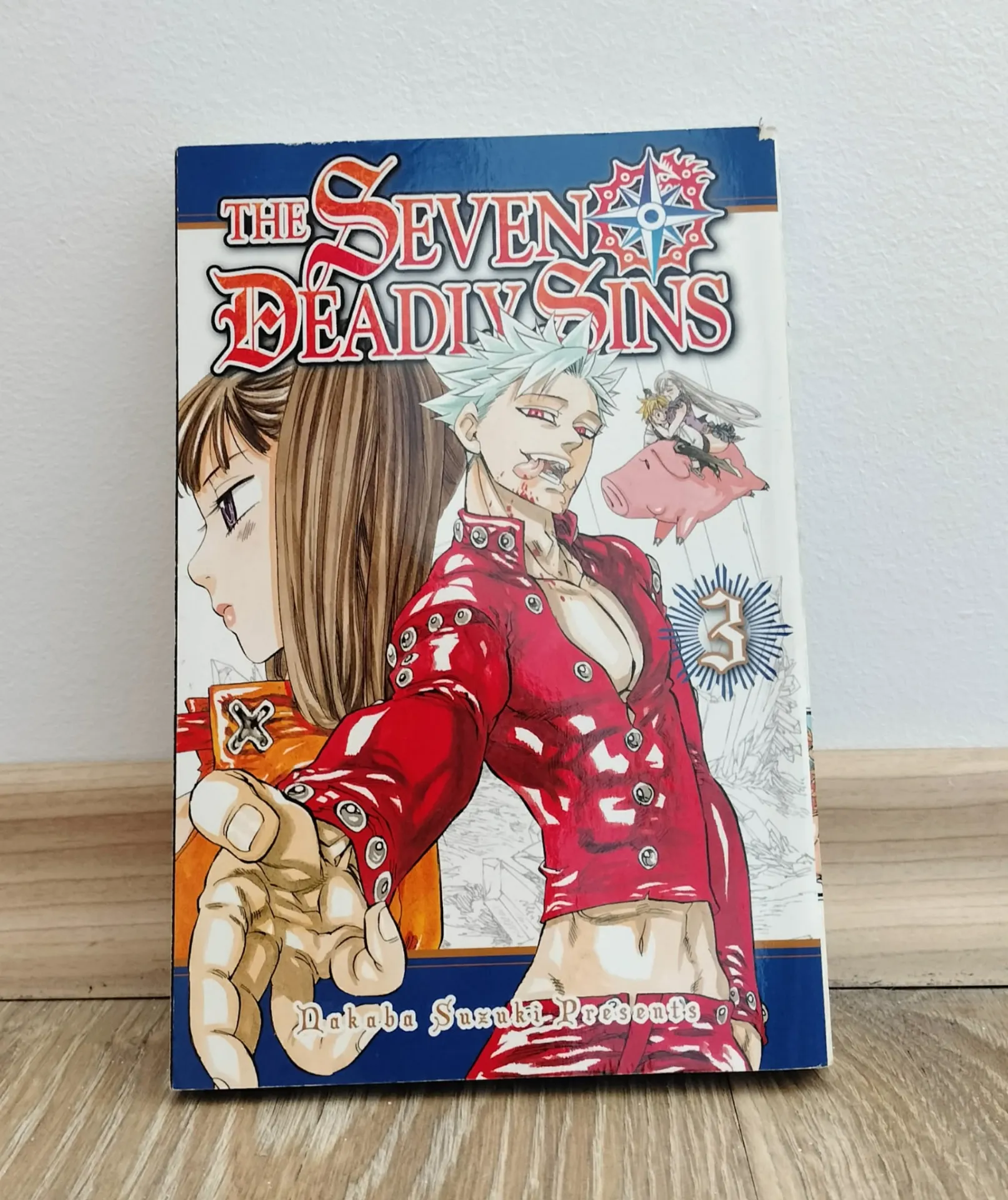
The Seven Deadly Sins, Volume 3 — Nakaba Suzuki
7,00 €