
The collector's edition
Retro Gaming: How to Buy with Confidence
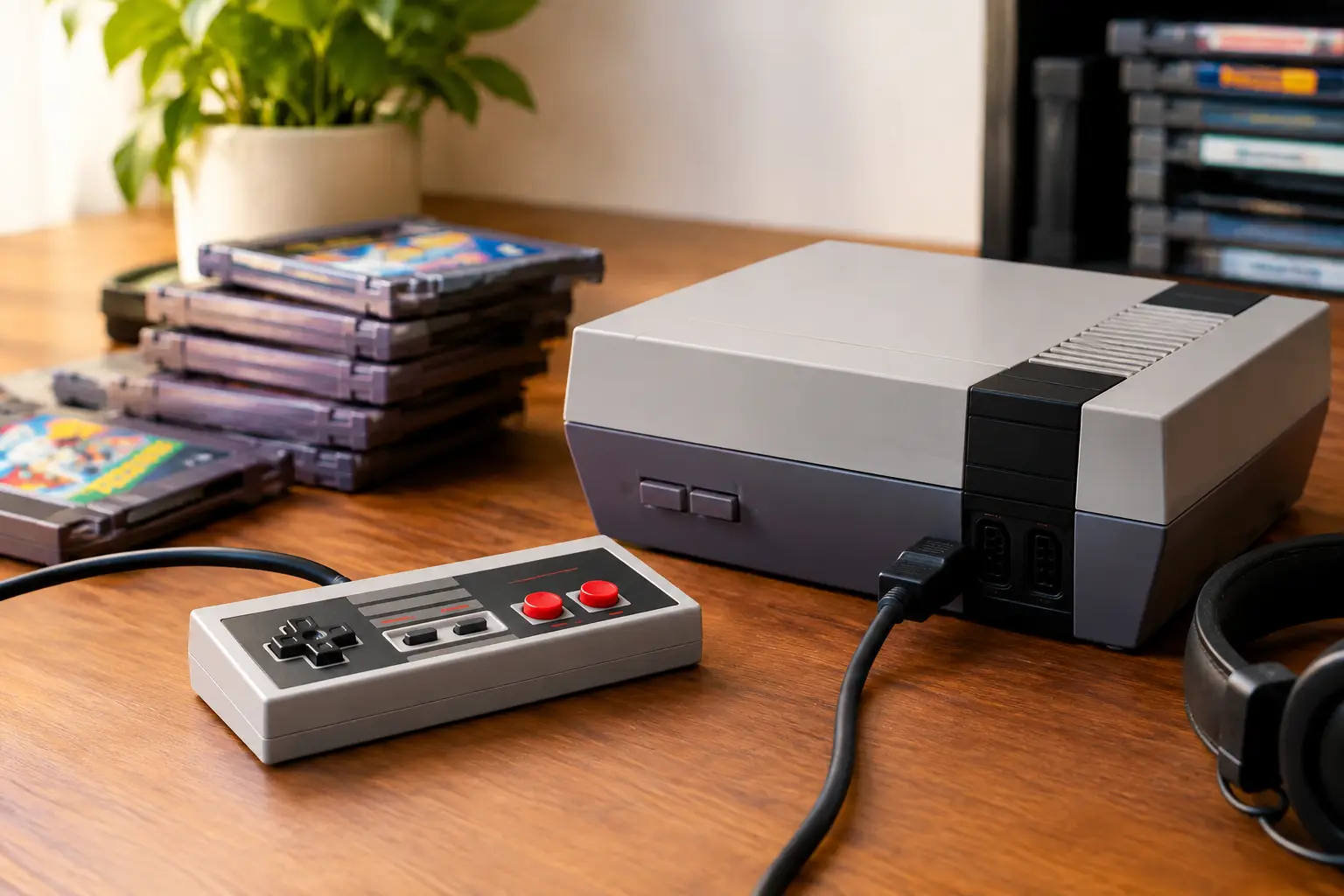
The cartridge clicks into the slot, the screen flickers, and familiar music starts playing—with no menus, patches or waiting. That’s what makes retro gaming so special: it’s not just a trip back to childhood, but a way to play games in their original setting and own a piece of their history. But a few details often separate a great find from an expensive disappointment: platform, region, condition, completeness and the real price.
Why retro gaming is more than nostalgia
Old games are different not because they’re necessarily better than new ones, but because they have a different rhythm. In a 16-bit platform game, every move has weight. In survival horror games for the original PlayStation, technical limitations create an atmosphere that a remake can recreate, but never fully reproduce. With Nintendo, Sega, PlayStation 2, original Xbox or early PC releases, the physical format itself is part of the experience.
There’s a collector’s side to it, too. A game might be a common release, but become sought after as a complete copy with its original box, manual and disc free of deep scratches. The region also affects its value. The PAL/EU version is often the most practical choice for a Bulgarian collector who wants to play on a European console, while a Japanese edition may be rarer, with different cover art or content, but require knowledge of the language and compatibility.
The best approach is to decide what you’re collecting before your first purchase. Do you want to play, build a visually striking collection or hunt for rare editions? These goals overlap, but not always. A player might sensibly choose a disc without a manual at a good price. A collector will probably wait for a complete copy in better condition.
Retro gaming: choose a platform, not chaos
Beginners often buy based on memories: a PlayStation game here, a Mega Drive cartridge there, a Nintendo controller with nothing to connect it to. It’s fun at first, but quickly leads to a scattered collection and unnecessary expenses. A more sensible start is to pick one ecosystem and a few games you’d genuinely play.
PlayStation 1 and PlayStation 2 are a natural starting point for many Bulgarian gamers. They have deep catalogues, affordable classics and plenty of physical copies on the second-hand market. Game Boy and Nintendo DS are convenient because they’re compact and have strong exclusives, but with handheld consoles you should carefully check the screen, battery cover and buttons. Sega Mega Drive and Super Nintendo are great for anyone after arcade-style action and 2D classics, but original cartridges and consoles need a closer inspection.
Don’t overlook the TV, either. An original console connected to a modern screen won’t always look the way you remember. Some models have input lag, an unsuitable connection or poor scaling of low-resolution graphics. A CRT TV gives an authentic picture, but takes up space and may have problems with geometry, colours or inputs. A modern TV with a quality adapter is more convenient, but adds to your starting budget.
Original console or alternative?
Original hardware offers the fullest experience, but it isn’t always the easiest choice. Sometimes a console needs a new power supply, a laser clean or capacitor replacement. That doesn’t make it a bad purchase, as long as its condition and price clearly reflect that.
Alternatives are practical if your priority is playing. They can save space and technical hassle, but they don’t replace the feel of an original cartridge, cover and controller. For a collector’s purchase, authenticity has value of its own. For a purely gaming-focused purchase, convenience often wins. There’s no universally right answer.
What to check when buying a retro game
For physical games, the photos and description should tell you more than “works”. First, check the exact platform and region. A PAL PlayStation 2 game is not the same as an NTSC-U or Japanese NTSC-J edition, even if the title is identical. The differences may involve compatibility, cover language, content and collector demand.
Next, check what’s included. Phrases like “disc only”, “with original box” and “complete in box” aren’t minor details. A complete copy usually means the game, original box and manual; some editions may also include a map, promotional leaflet, code card or special inner insert. Don’t assume all extras are included unless they’re shown or specifically listed.
The condition of the media should be assessed honestly. Light surface marks on a disc aren’t automatically a problem, but deep circular scratches, cracks around the centre hole or signs of rough resurfacing deserve attention. For cartridges, inspect the label, casing and contacts. A faded label won’t stop the game from working, but it affects collector value. Signs of moisture, corrosion or broken plastic clips are more serious warning signs.
The box matters, too. An original PlayStation jewel case can be replaced, but that’s not the same as a well-preserved original box. With cardboard Nintendo and Sega releases, creases, torn edges and missing inner inserts are especially important. Not every game needs to be in museum condition. The price simply needs to match its actual condition.
Rarity alone doesn’t determine the price
In retro game catalogues, the word “rare” gets used far too easily. A game might not show up often at a particular moment without being a genuinely rare release. Value is shaped by demand, condition, completeness, region and actual sales—not just a high asking price.
Compare similar copies. A disc without a manual shouldn’t be compared to a sealed copy. The PAL/EU version doesn’t always have the same price as the American or Japanese one. Platinum, Greatest Hits and other re-releases can also be excellent for playing, but are usually valued differently from the first edition.
A good deal isn’t necessarily the lowest price. Sometimes a slightly more expensive copy with clear photos, a detailed description and a proven good condition is the wiser choice. Especially for games that don’t appear every week, waiting too long for the “perfect” price may simply leave you without the game.
Buy and sell with clear information
When buying used games, specificity is the best foundation for a safe purchase. Look for real photos of the exact item, not a catalogue cover. Check that you can see the disc or cartridge, back cover, manual and any important defects. If anything is unclear, it’s better to ask before the deal than rely on an assumption.
The same goes when you sell. Specify the platform, region, edition, condition and exactly what’s included. “Resident Evil 2, PlayStation, PAL/EU, 2 discs, original box and manual, visible marks on the box” is a useful description. “Old game, really cool” helps neither the buyer nor your asking price.
At KPZ, details like these are the foundation of a safer deal: clear listings, real photos, verified sellers and payment on delivery. That way, collectors can compare copies based on their merits, not promises. If you’re clearing out your own collection, accurate information also makes it more likely the item will find someone who appreciates it.
A collection that makes sense to you
Don’t buy something just because a game “will go up in value”. The market changes, re-releases affect interest, and condition always matters. Buy games you want to see on your shelf or play again years from now. That’s the best protection against impulse purchases.
Store games away from direct sunlight, moisture and excessive heat. Keep discs in their cases, don’t leave cartridges unprotected, and don’t leave batteries in handheld consoles for years. Small acts of care protect both functionality and value.
Your next great retro find doesn’t have to be the rarest one. It’s the one with a clear history, honestly described condition and a place in your collection. Browse the catalogue, compare carefully and choose items you’ll want to keep.
Find it at KPZ
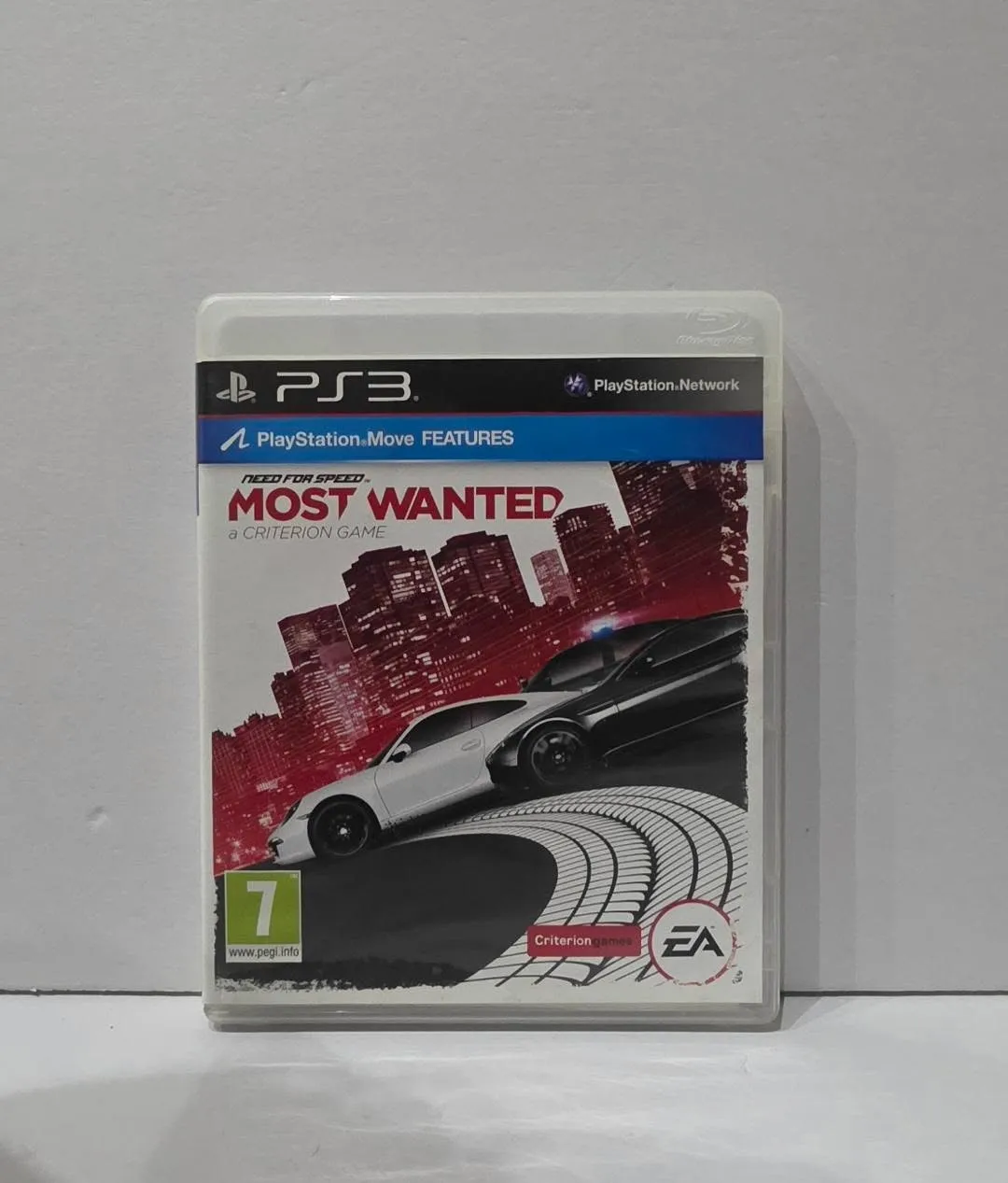
Need for Speed: Most Wanted — PS3, PAL
8,00 €
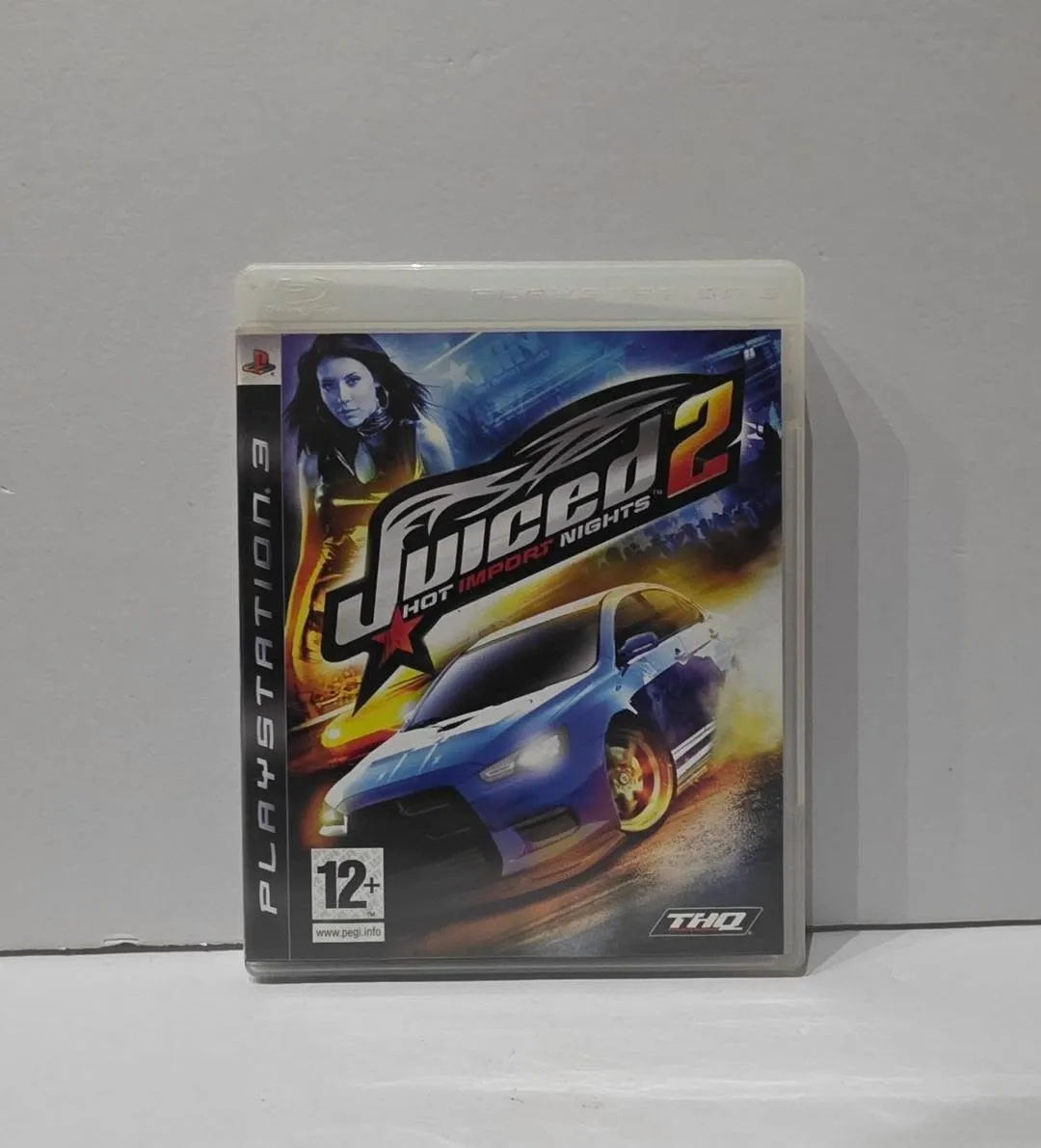
Juiced 2: Hot Import Nights for PlayStation 3
17,00 €
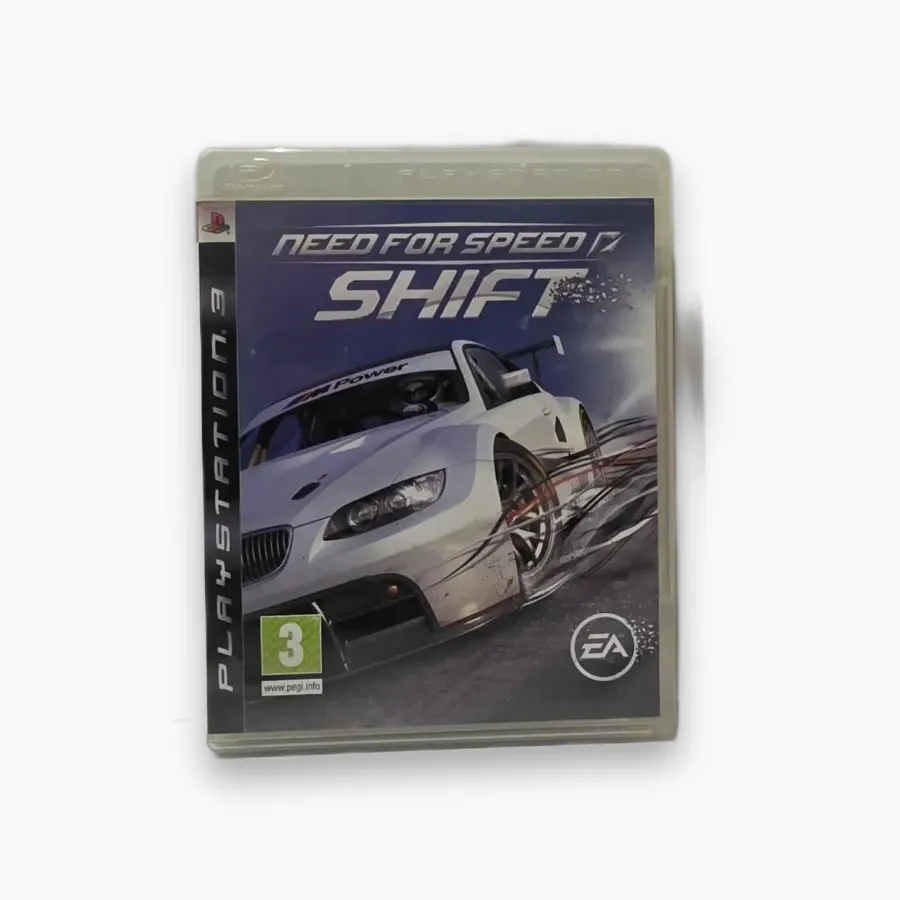
Need for Speed: Shift for PlayStation 3
9,00 €
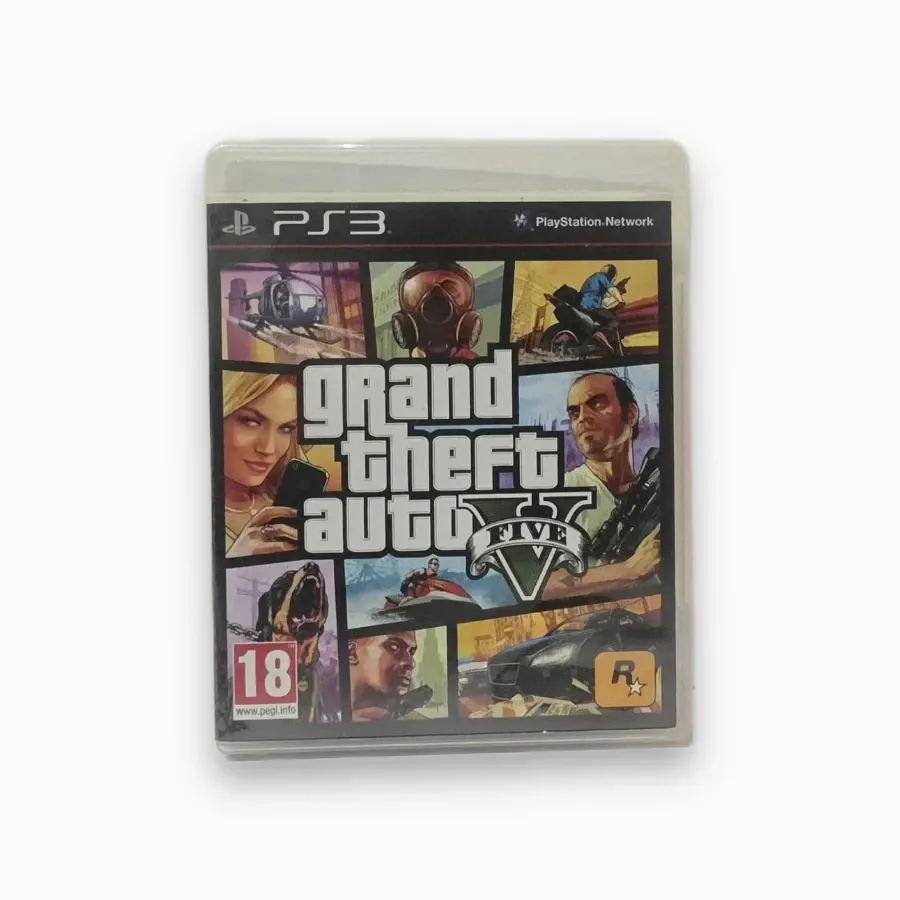
Grand Theft Auto V for PlayStation 3 (PAL/EU)
11,00 €
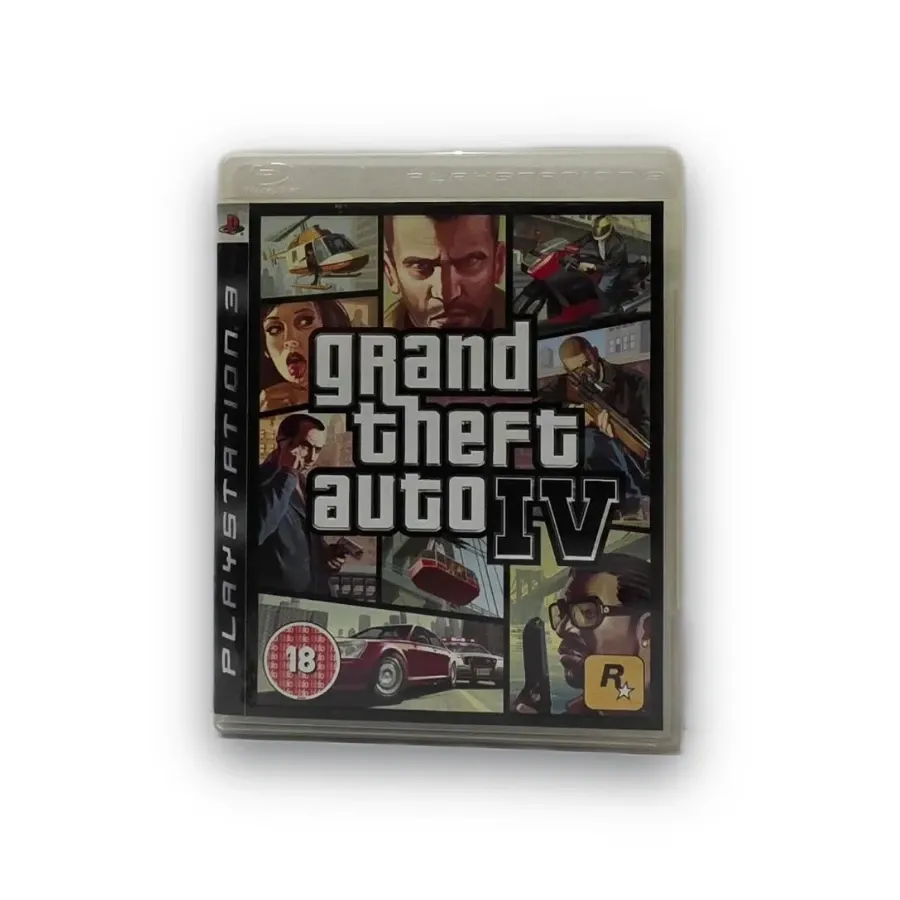
Grand Theft Auto IV for PlayStation 3
10,00 €
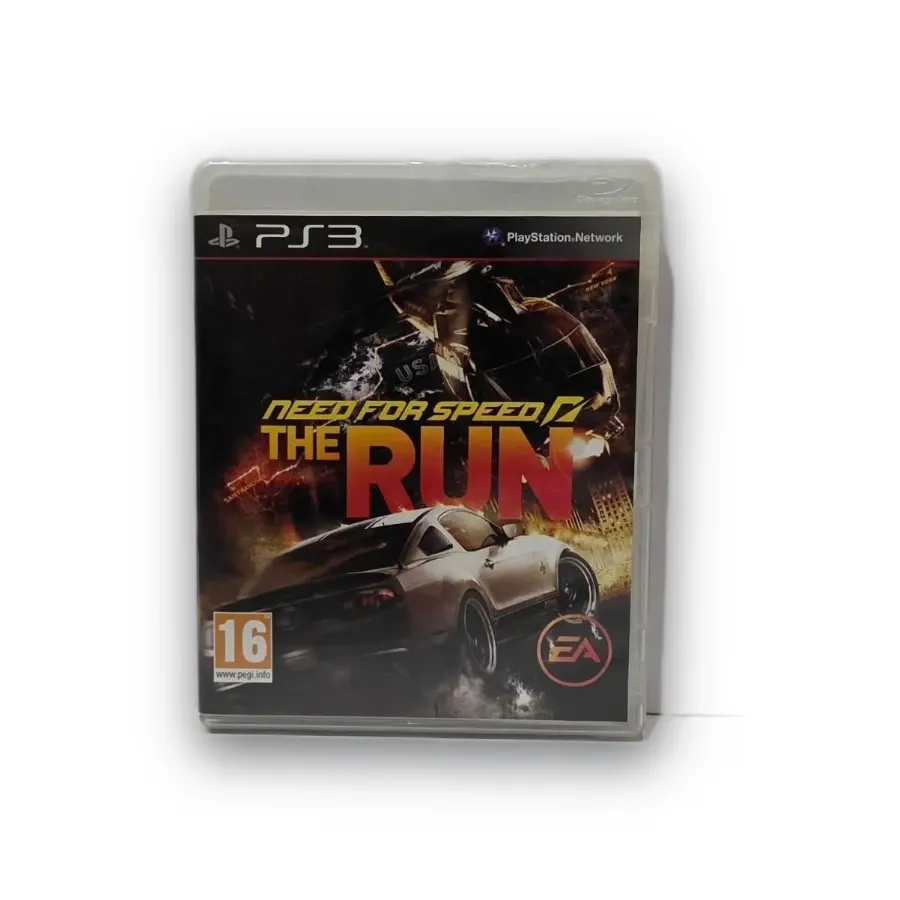
Need for Speed: The Run for PlayStation 3
8,00 €
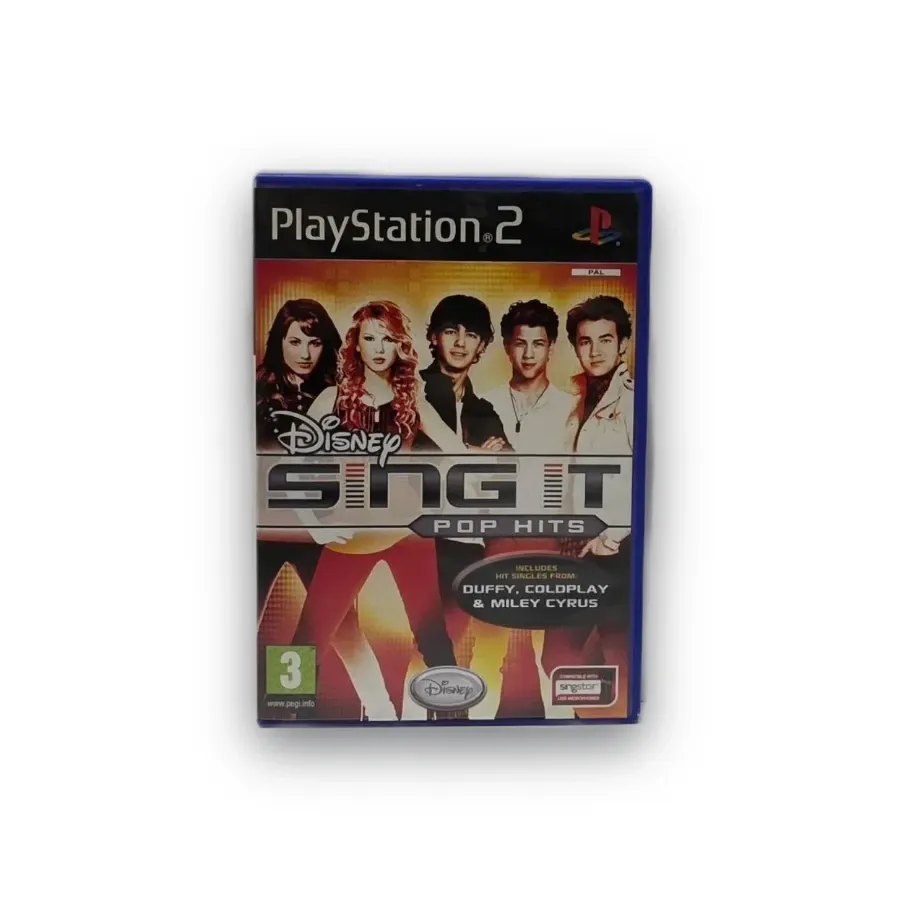
Disney Sing It: Pop Hits for PlayStation 2
18,00 €
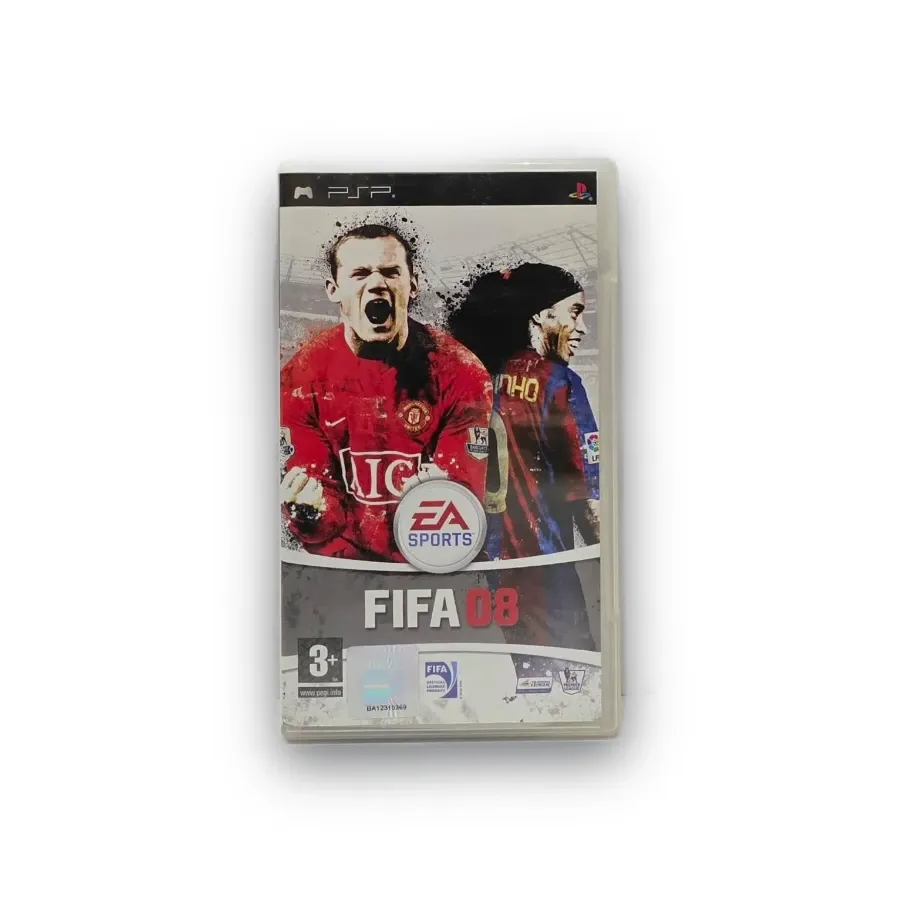
FIFA 08 for PSP
5,00 €
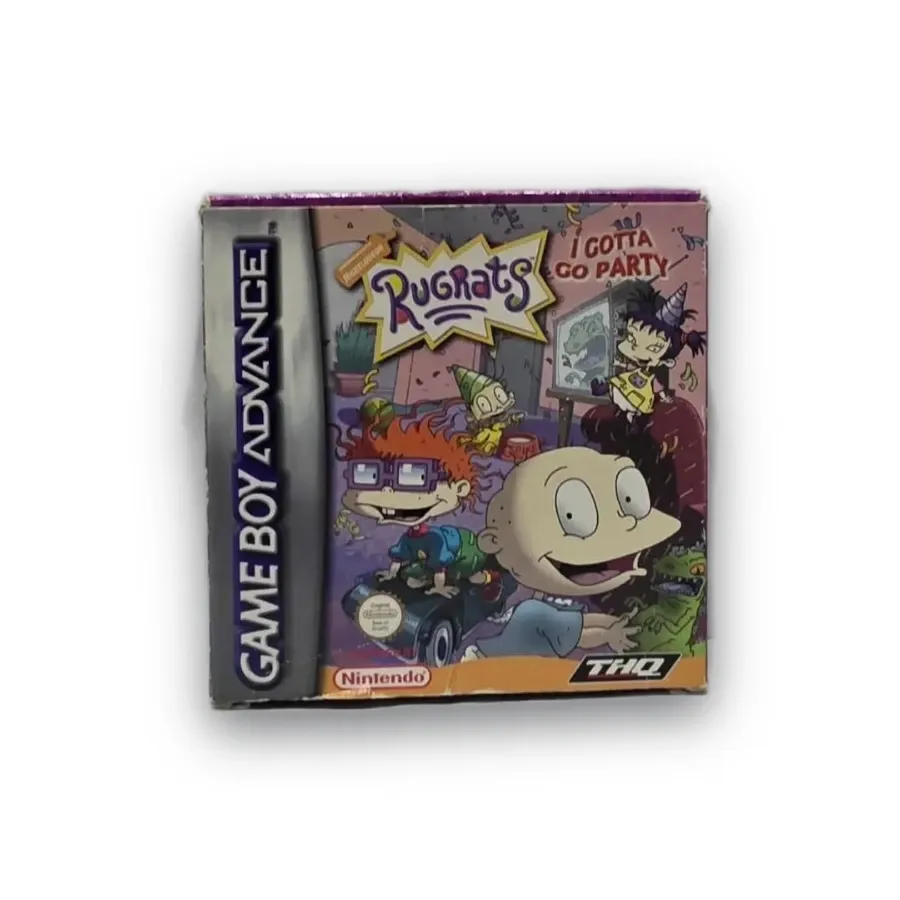
Rugrats: I Gotta Go Party for Game Boy Advance
27,00 €
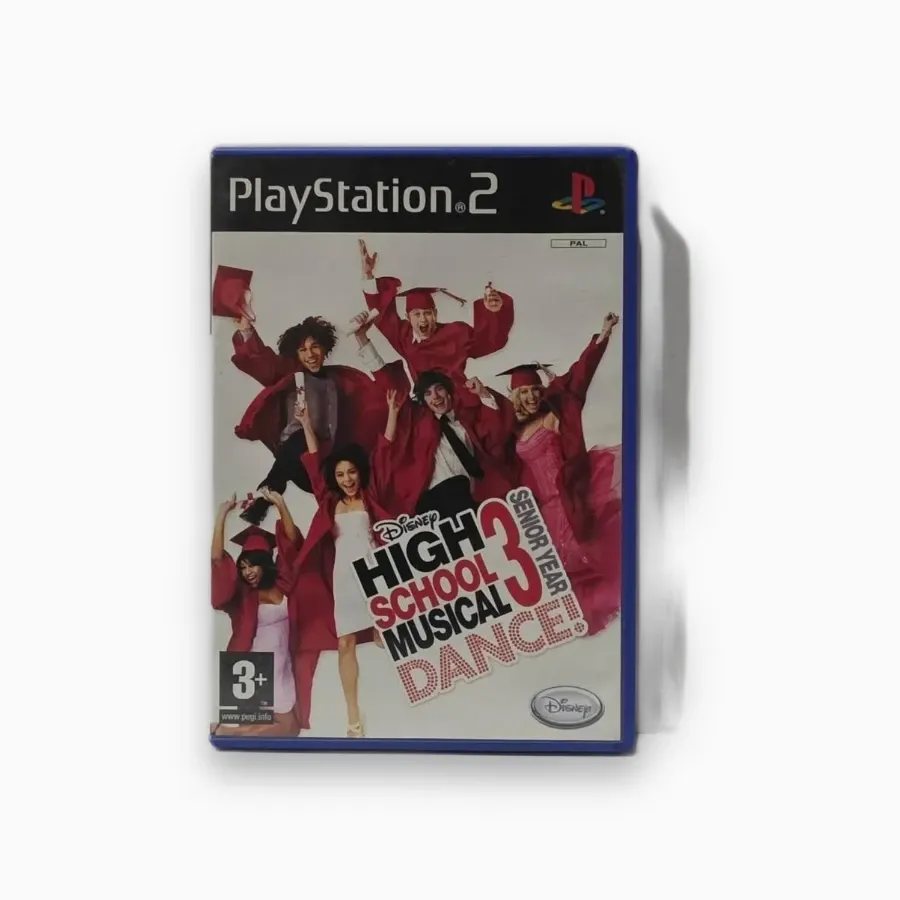
Disney High School Musical 3: Senior Year Dance! — PlayStation 2
5,00 €