
The collector's edition
How to Choose Nintendo Switch Games for You
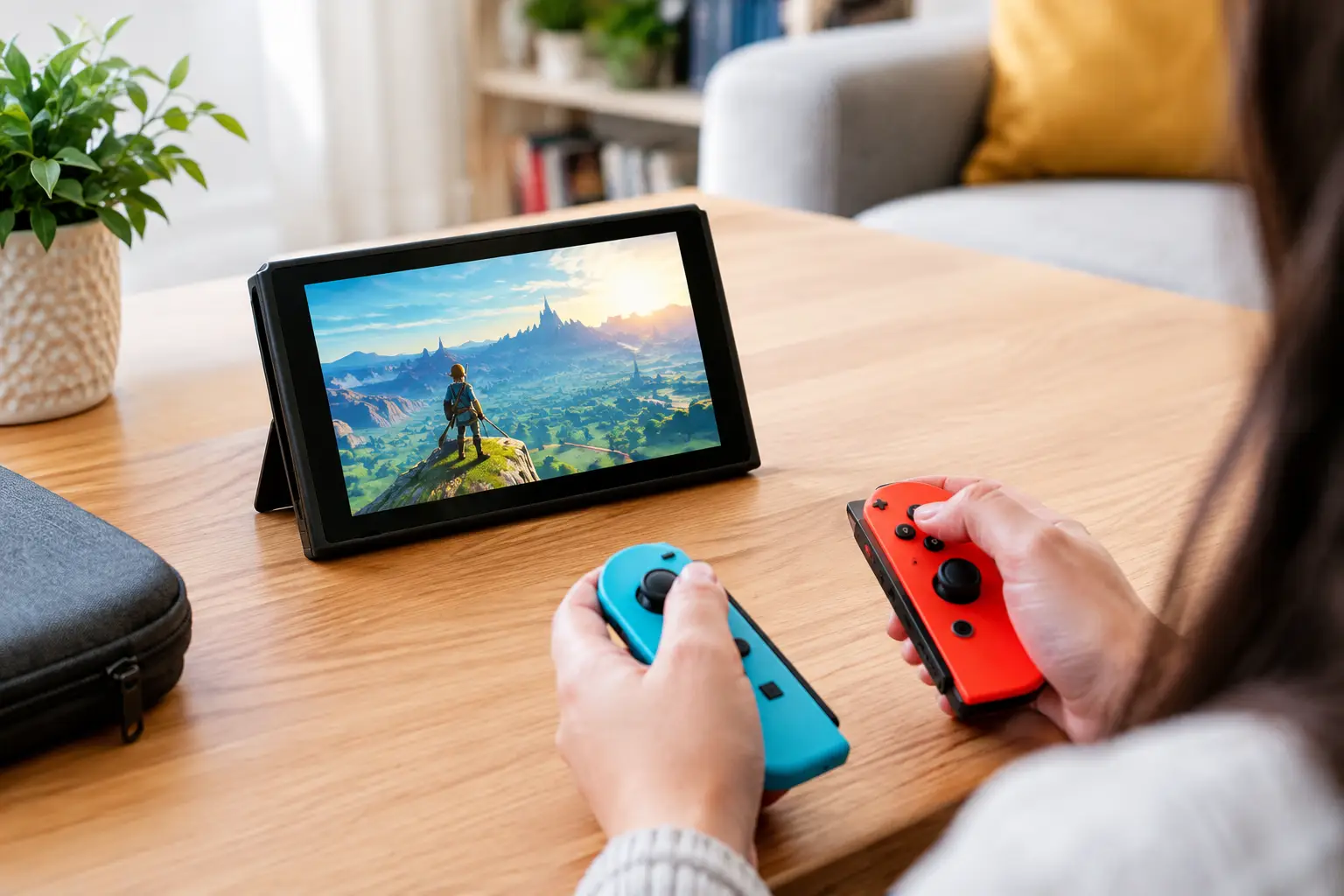
A good Switch cartridge can define an entire evening. It can bring four people together on the sofa, shorten a journey, or remain a cherished part of your collection for years. Choosing Nintendo Switch games isn’t just about asking “which one is popular?” It’s also about what you want to play, who you’ll play with, and whether you’re looking for a game to use, trade, or put on the shelf.
The Switch catalogue is unusually broad. Alongside Nintendo’s major exclusives, you’ll find Japanese role-playing games, indie hits, sports and family games, classic ports, and editions that are now hard to find new. With physical copies, you also need to consider the region, language, box condition, and whether you’re getting the edition you expect.
Choose a Game That Fits the Way You Play
There’s rarely one choice that suits everyone. If you play solo and want a big adventure, look for games with a long campaign, engaging exploration, or tactical battles. The Legend of Zelda: Breath of the Wild and Tears of the Kingdom are natural starting points for anyone looking for freedom and dozens of hours in an open world. Super Mario Odyssey is a more focused but exceptionally inventive platforming adventure, suited to new and experienced players alike.
For short sessions in handheld mode, Mario Kart 8 Deluxe, Hades, Dead Cells, Stardew Valley, and Tetris Effect: Connected are good fits. Be honest with yourself: a game with a huge map and lots of systems may be excellent, but it won’t necessarily suit someone who has 20 minutes a night. The Switch is convenient precisely because it supports both play styles.
If you play at home with friends or family, local multiplayer matters more than review scores. Mario Kart 8 Deluxe, Super Smash Bros. Ultimate, Nintendo Switch Sports, Overcooked!, and Mario Party Superstars differ in pace, but each quickly turns gaming into a shared activity. Before buying, check how many controllers you need and whether each player can use a single Joy-Con. That works with some games; others require additional controllers.
Choose a Genre, Not Just a Familiar Name
Nintendo franchises are a safe choice, but the Switch library is strong beyond them too. Fans of Japanese role-playing games can check out Fire Emblem: Three Houses, Xenoblade Chronicles, Persona 5 Royal, and Octopath Traveler II. Fans of more challenging action games will likely enjoy Metroid Dread, Bayonetta 3, and Dark Souls Remastered. For relaxed evenings, Animal Crossing: New Horizons, Spiritfarer, and Story of Seasons offer a very different pace.
Don’t buy a game just because it’s been called “essential.” Animal Crossing, for example, is a great choice for people who enjoy daily progress and decorating, but may not hold the attention of someone looking for a clear story campaign. Fire Emblem offers an excellent story and tactical gameplay, but there’s a lot of dialogue and character management between battles. Those differences determine whether a good game is also the right game for you.
Physical Cartridge or Digital Copy?
Digital games are convenient: you buy them, download them, and don’t have to swap cartridges. Physical editions have advantages too, especially on the second-hand market. You can sell, trade, gift, or keep one in your collection. The box, cover art, and cartridge are tangible pieces of your favourite series, not just an icon in your library.
Physical Nintendo Switch games are generally not region-locked, so a European, American, or Japanese cartridge may work on a console in Bulgaria. That doesn’t make the edition irrelevant. The cover language, available in-game languages, bonus content codes, and collector value can vary. A Japanese edition with English language support is a great find for one buyer, but the wrong copy for someone who wants a PAL/EU cover.
There’s also a practical detail: many modern games receive patches after release. The cartridge contains the base game, but a full experience may sometimes require an internet connection and free space for an update. If you’re buying an edition advertised with add-ons, a season pass, or bonus content, check whether the code has been used and which region it’s valid for. A code in the box isn’t necessarily an active bonus.
How to Check the Condition of a Used Game
A used Nintendo Switch game can be a great buy, as long as the listing clearly states what you’re getting. “Like new” isn’t enough of a description if you’re looking for a collector’s copy. Look at the actual photos and check the cartridge, box, cover, and any extras.
The cartridge shouldn’t have visible cracks, chips, or signs of rough handling around the contacts. Minor marks on the plastic box are normal for a game that has been on a shelf and used. Broken clips, a creased cover, or a faded back, however, lower its value, especially for a rarer game. If you want a complete set, confirm whether the inserts, cards, booklets, and unused codes are included, when the edition originally came with them.
The difference between a standard copy and a complete set matters especially for limited editions. A Collector’s Edition without an artbook, a steelbook without its original outer box, or a special edition without its figure isn’t a complete set, even if the game itself works perfectly. That doesn’t make it a bad buy, but the price should reflect the missing items.
Price Is a Guide, but Not the Only Criterion
A low price may mean a good deal, but it may also be due to a missing box, a different region, a used DLC code, or condition that isn’t apparent from a single photo. A high price, on the other hand, doesn’t guarantee rarity. Popular games like Mario Kart 8 Deluxe hold their value because demand stays strong, not because every copy is a collector’s item.
Compare similar copies: standard or limited edition, cartridge with a box or cartridge only, EU/PAL or another region, excellent or visibly used condition. That way, you can judge whether you’re paying for genuine rarity, a complete set, or simply an overpriced listing.
Which Games Are Worth Keeping?
Not every physical game will increase in value, and that shouldn’t be the only reason to buy one. The most meaningful collection is personal: games you’d play again, series you follow, or editions whose design and contents bring you joy. Still, there are a few types of Switch games where it’s worth paying closer attention to the details.
Games with smaller print runs, physical editions of indie titles, JRPGs with limited distribution, and special Nintendo bundles often disappear from stores faster than major mainstream hits. That doesn’t mean every niche edition will become rare. It means that a well-preserved box, the right region, and complete contents matter more when there are few copies on the market.
Keep cover art out of direct sunlight, don’t put heavy objects on the boxes, and return the cartridge to its place after playing. These are small habits, but after a few years they can make the difference between a normally used copy and one you’d be happy to offer to another collector.
Buy with Clear Information and Sell Honestly
When you’re looking for a used game, specific information helps prevent disappointment. Look for the platform, Nintendo Switch, the exact title, edition, region, condition, and price. If something isn’t listed, ask before the deal, not after. Actual photos are especially useful for rare games and limited sets because they show the exact copy you’ll receive.
The same applies when you’re making room in your library. Be honest about whether the game is PAL/EU, whether the box is included, whether it shows signs of use, and whether the bonus codes have been used. At KPZ, these details aren’t unnecessary formalities. They help the next fan find the right version and help you sell or trade the game without needless back-and-forth.
A cartridge you’ve already played may be the missing piece in someone else’s collection. See what’s sitting unused on your shelf, describe it accurately, and make room for your next find. Buy. Sell. Trade.
Find it at KPZ
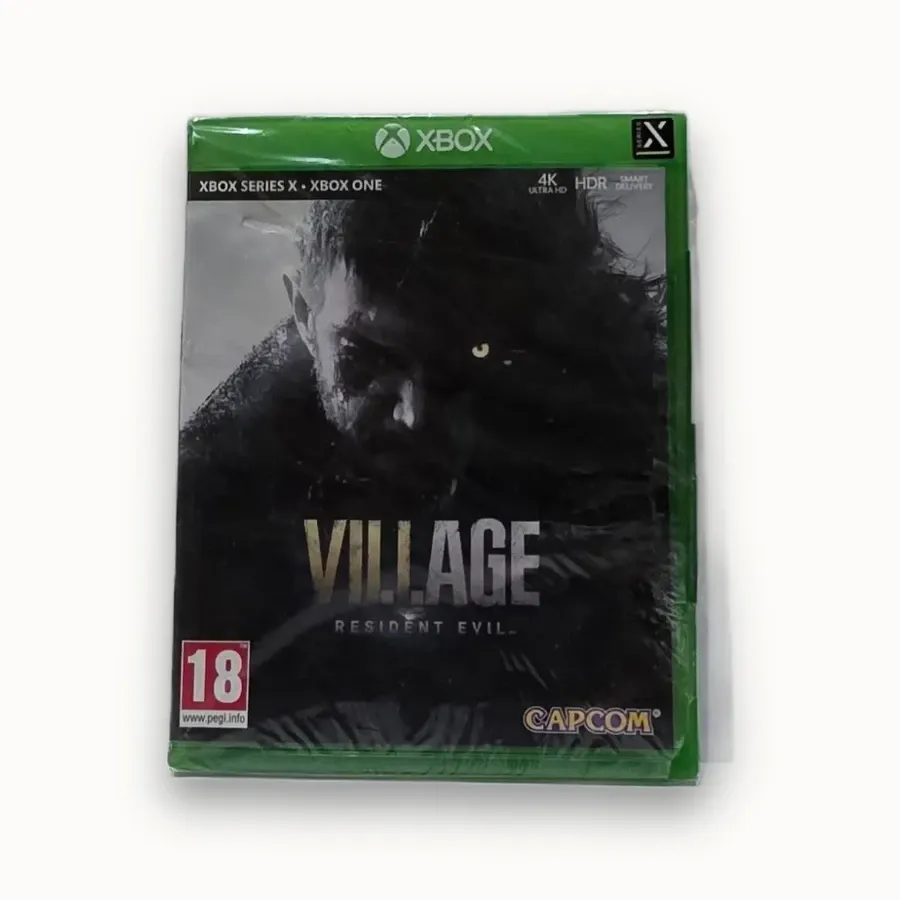
Resident Evil Village — Xbox Series X / Xbox One, PAL
49,00 €
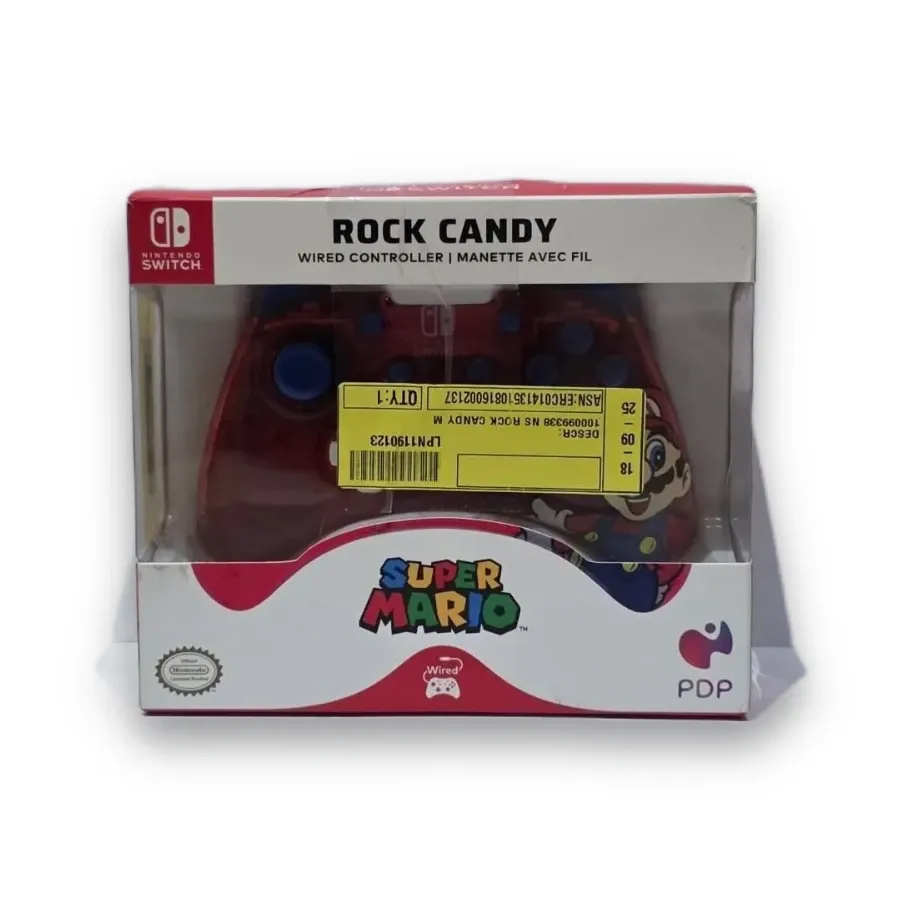
PDP Rock Candy Super Mario Wired Controller for Nintendo Switch
24,00 €
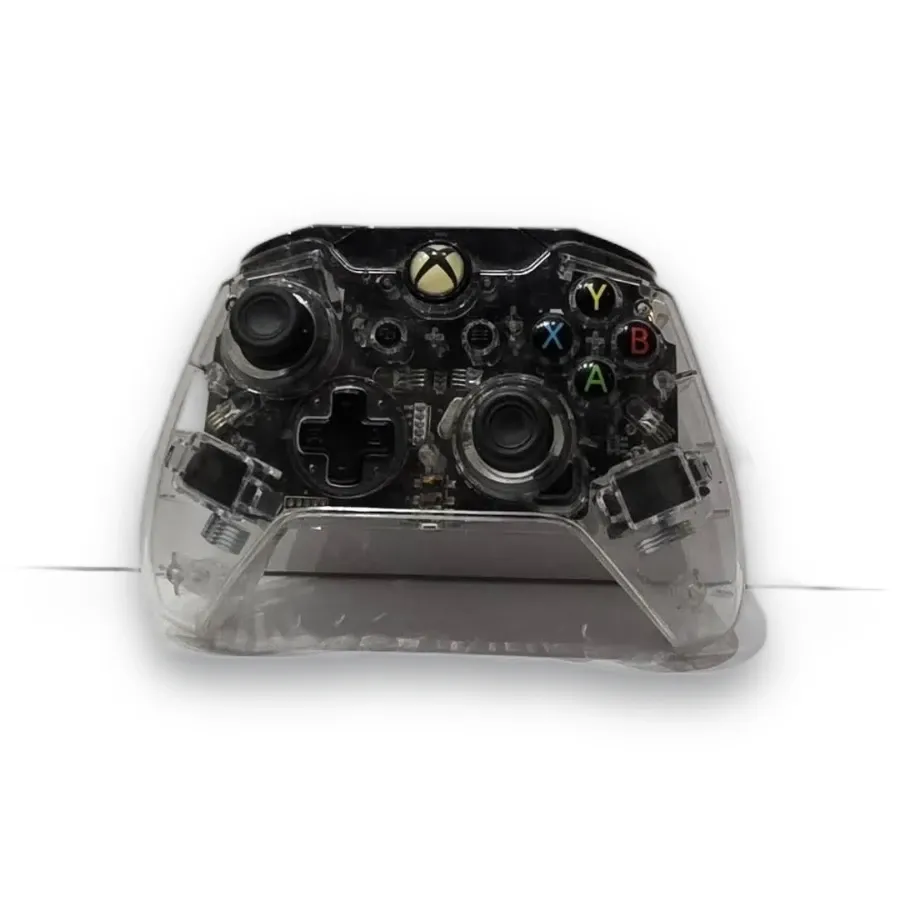
PDP Afterglow Clear Wired Controller for Xbox One — Incomplete
28,00 €
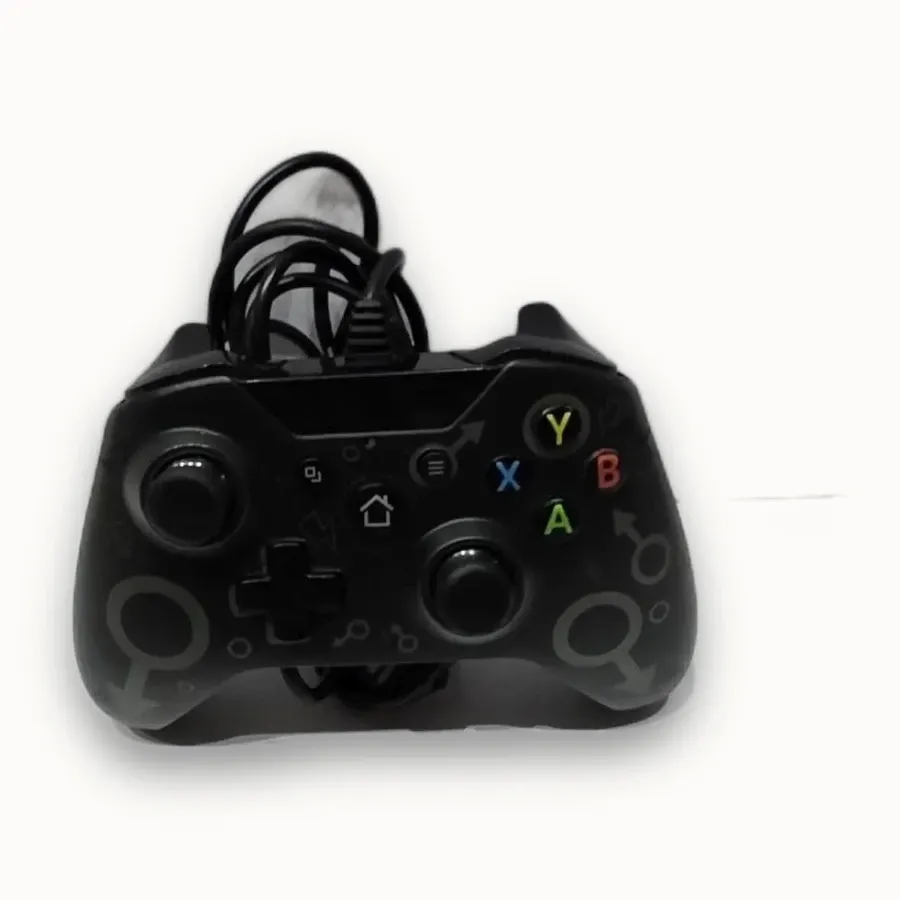
N-1 Wired Controller for Xbox One
20,00 €
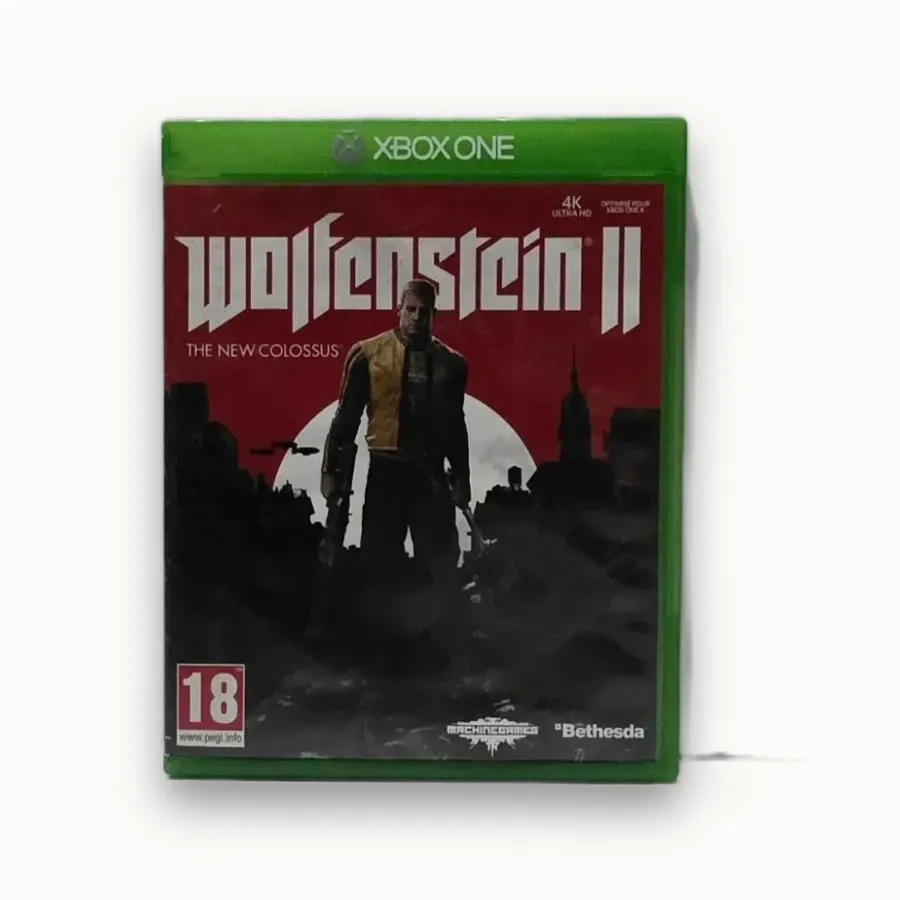
Wolfenstein II: The New Colossus for Xbox One — PAL/EU
16,00 €
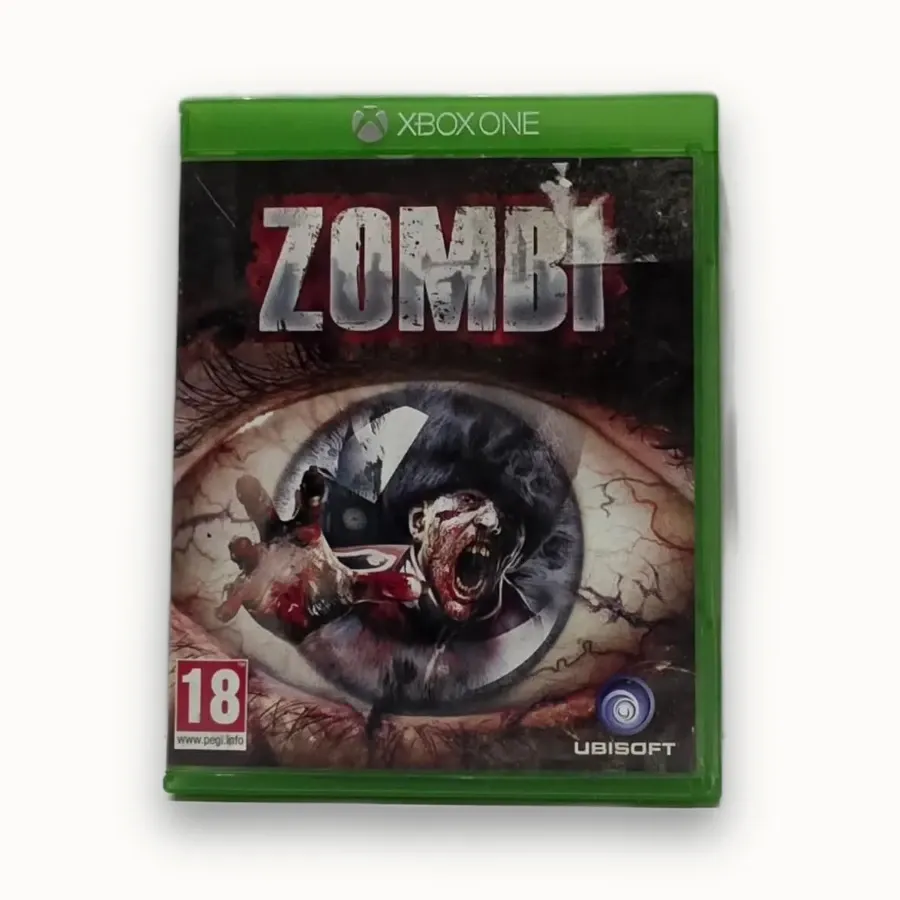
Zombi for Xbox One — PAL/EU Edition
11,00 €
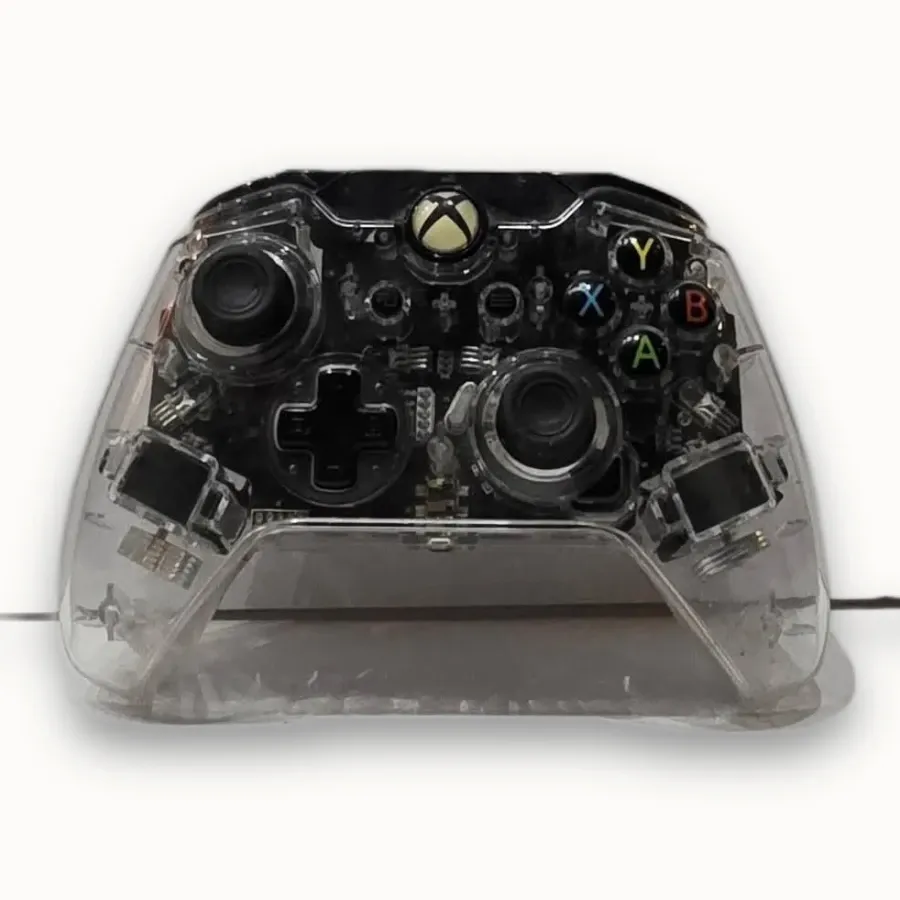
PDP Afterglow Clear Wired Controller for Xbox One
30,00 €
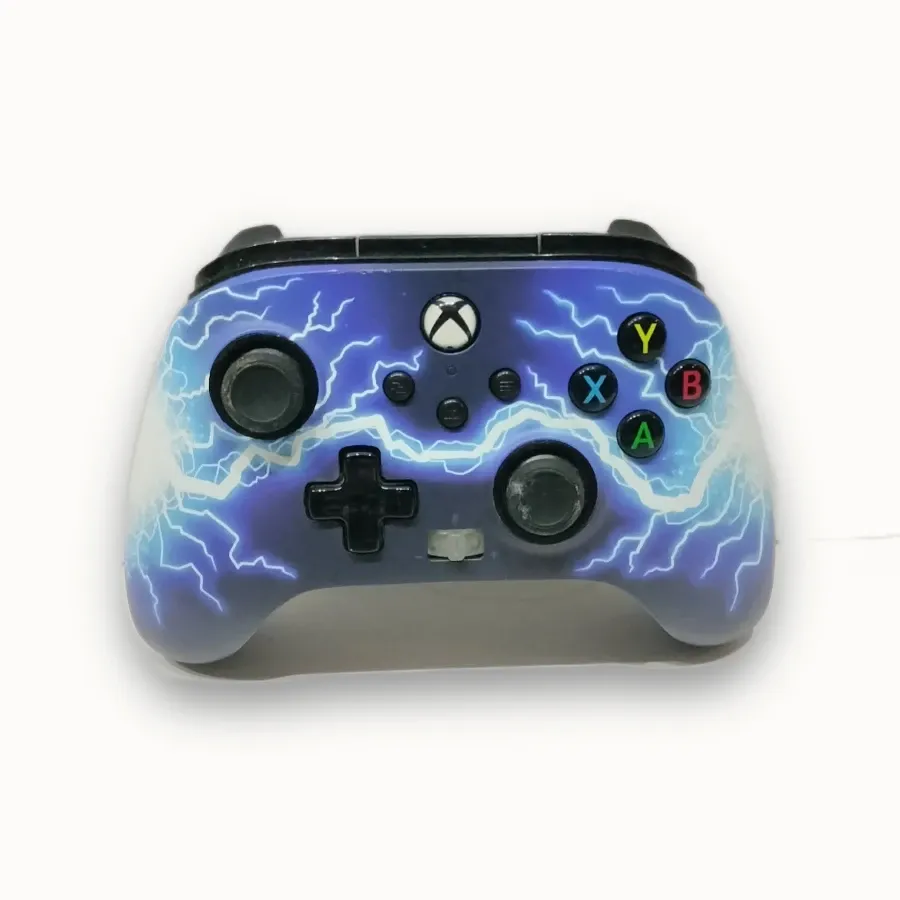
PowerA Enhanced Wired Controller for Xbox – Arc Lightning
30,00 €
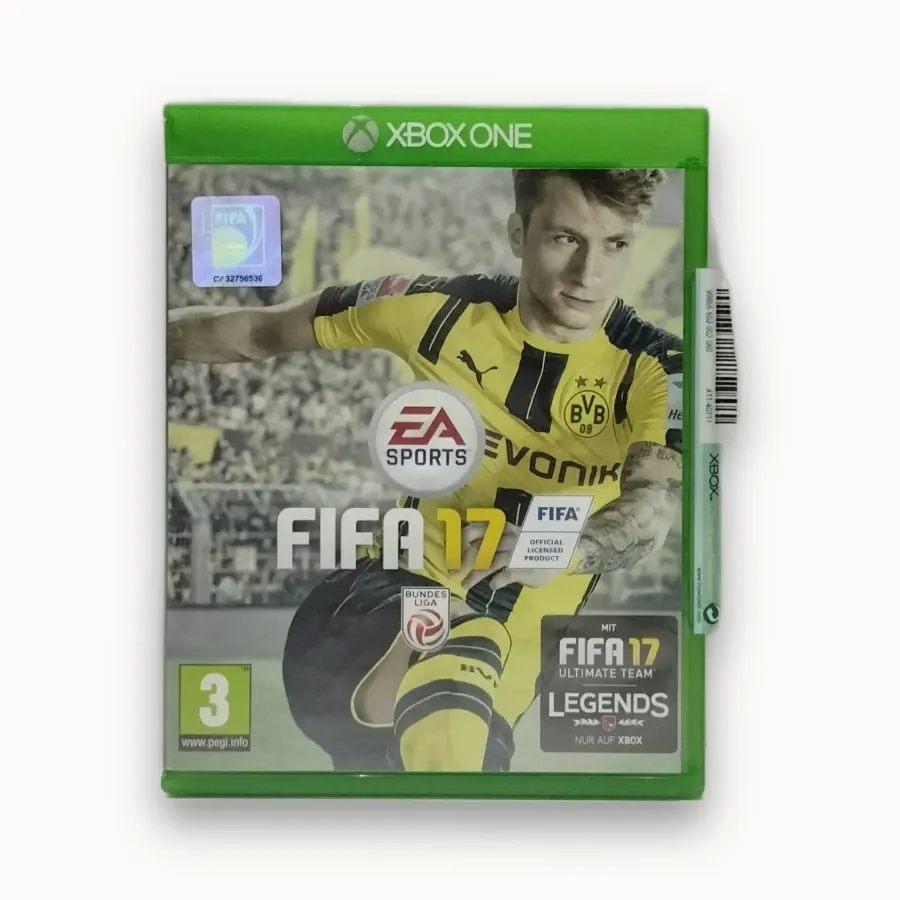
FIFA 17 for Xbox One — PAL/EU
5,00 €
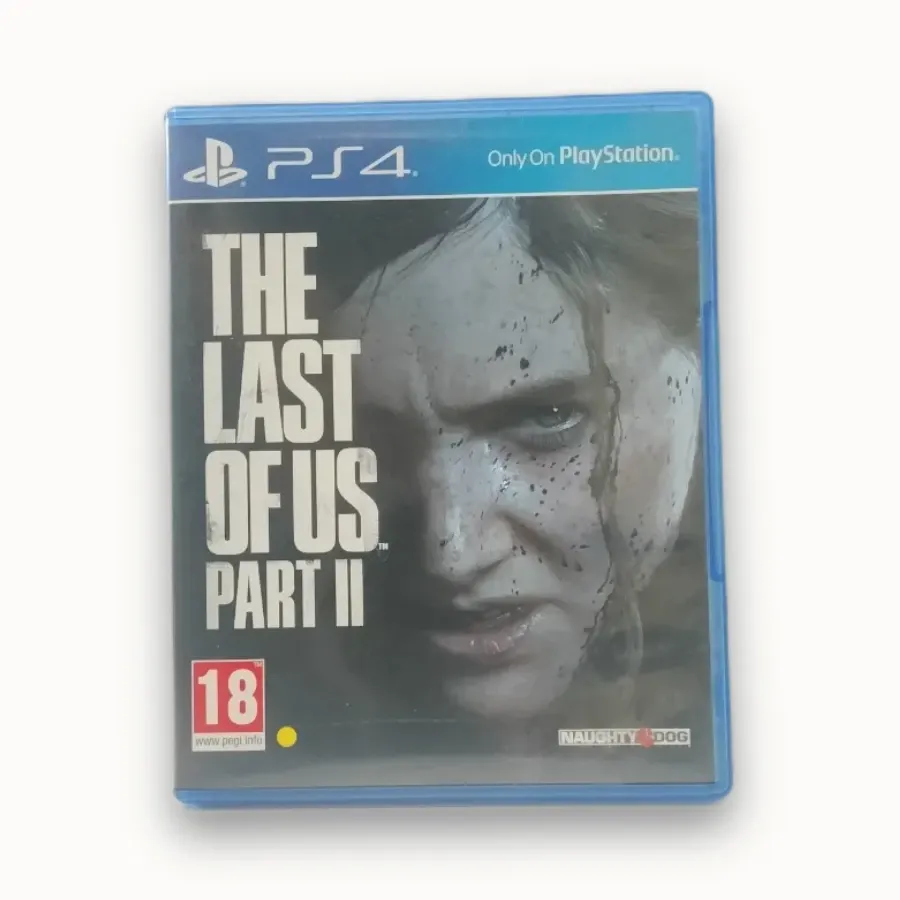
The Last of Us Part II for PS4 — PAL/EU, 2 discs
23,00 €