
The collector's edition
What Does a PAL Edition Mean for Games?
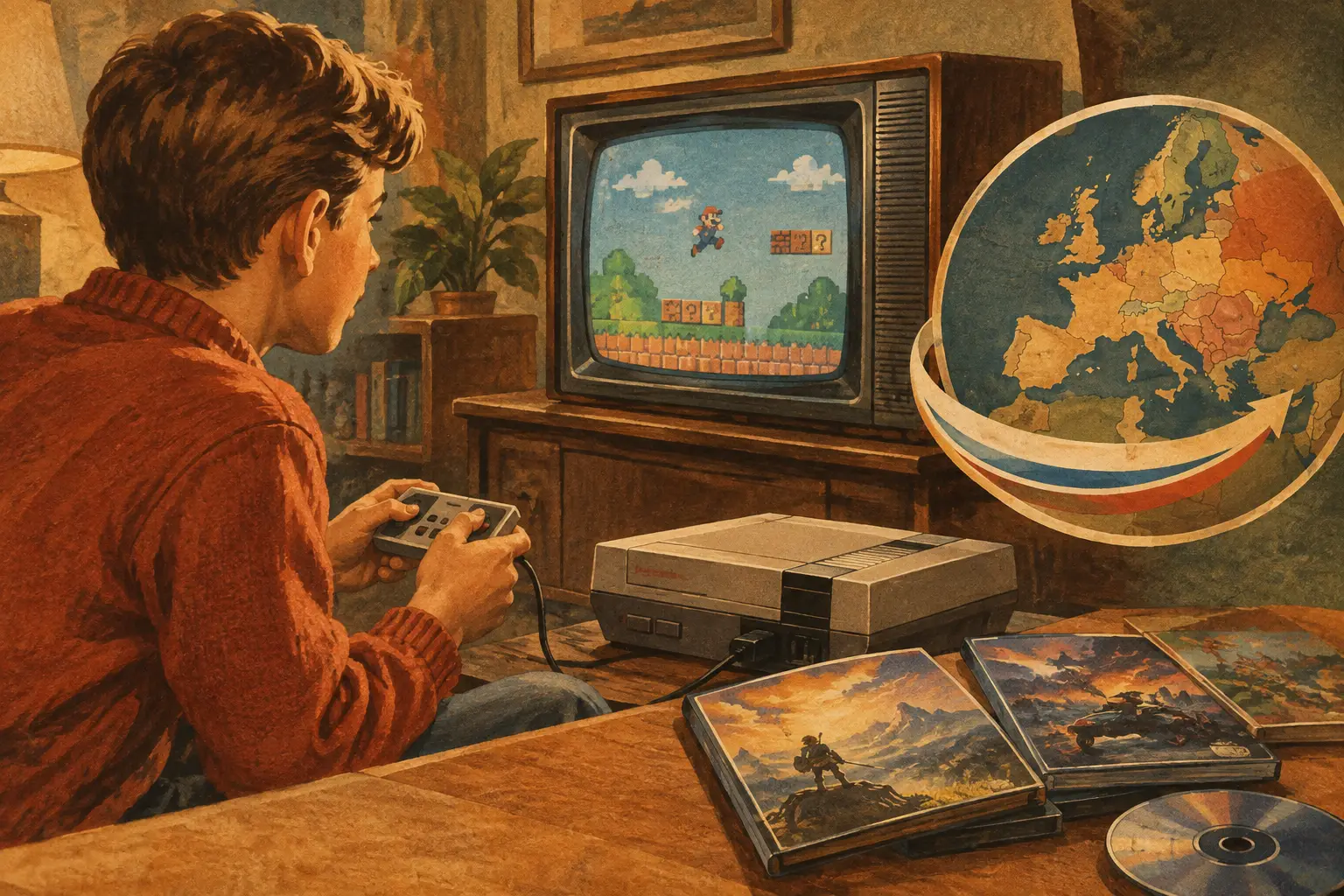
You see a listing for a beloved PlayStation 2 classic. The box looks excellent, the disc is well preserved, and the title says “PAL edition.” What does that mean, and should it change your decision? For Bulgarian buyers, this is usually a good sign: the game was intended for the European market. With retro consoles, rare editions, and collector’s sets, however, these three letters mean much more than geographical origin.
PAL is a term you will most often encounter with physical games for older console generations — from the NES, Mega Drive, and original PlayStation to the PlayStation 2, GameCube, Wii, and original Xbox. It helps you understand which region a particular copy was produced for, what to expect from its packaging, and whether the disc or cartridge is likely to work with your system.
What Does a PAL Edition Actually Mean?
PAL comes from Phase Alternating Line — a television standard historically used across much of Europe, Australia, and other markets. In the gaming world, however, the term gradually came to mean not only a video format but also a regional release for PAL territories.
Put simply, a PAL game is usually a European version. It may have been distributed in the United Kingdom, Germany, France, Spain, Italy, Scandinavia, or Bulgaria. This does not mean that all PAL copies are identical. The same game may have a UK version with English text only, a multilingual EU release, and separate German or French variants with different covers, manuals, and codes.
That is why “PAL” is useful initial information, but not a complete description. When buying a specific copy, examine photos of the front and back covers, the languages, the serial number, and the condition of the case. For a collector, these details are often the difference between the correct version and merely a working copy.
PAL, NTSC, and NTSC-J: Why Region Matters
Traditionally, games are divided into three major regional groups: PAL for Europe and associated markets, NTSC-U for North America, and NTSC-J for Japan. The division comes from different television standards and regional restrictions introduced by manufacturers.
With retro systems, this has direct practical importance. European PlayStation, Sega Saturn, Nintendo 64, and GameCube consoles are often region-locked. A PAL disc is the safest choice for a PAL console, while an American or Japanese copy may not start at all without a modification, adapter, or special console.
There is also a technical difference well known to retro fans. Classic PAL versions ran at 50 Hz, while NTSC releases generally ran at 60 Hz. With some older games, this results in slightly slower gameplay or black bars in the image when the PAL conversion is poor. Not every game is affected equally. Some European versions are excellently optimized, while others differ noticeably from their American counterparts.
This is one reason some players prefer NTSC versions when they want an experience as close as possible to the original speed. PAL versions, on the other hand, are often easier to find in Bulgaria, more affordable, and more suitable for a European retro console without extra hassle.
Rules Change with Newer Consoles
With the PlayStation 3, PlayStation 4, PlayStation 5, Nintendo Switch, and most Xbox generations, the region is now less likely to prevent the game itself from starting. PS4 and PS5 discs, for example, are generally not region-locked. The Nintendo Switch also generally accepts games from different regions.
However, the exceptions are important. Additional content, bonus codes, and digital currencies may be tied to your account’s region. An American disc may work on a European console, but DLC from a Bulgarian or European profile may not be recognized if the base game is from another region. When buying a used modern game, this is a detail worth checking in advance.
How to Identify a PAL Copy
With physical games, the most reliable information is on the item itself, not just in the listing text. The PAL designation often appears on the box, disc, or manual. On some platforms, you will also see a regional code, such as “EUR,” or a code beginning with SLES, SCES, PSS, RVL, or another system-specific prefix.
The game’s age also matters. On PlayStation 1 and PlayStation 2, the PAL logo and serial number usually provide a sufficiently clear indication. With Nintendo games, regional differences may be visible in the box design, age-rating system, and the code on the cartridge or disc. European copies often use PEGI, while American ones carry an ESRB rating and Japanese ones use CERO.
Do not rely only on the English language on the cover. An English cover does not automatically make a game a UK release. Many European PAL versions have an English front cover but a multilingual back and manual. Conversely, a German or French cover can also be a perfectly normal PAL release intended for a specific European market.
If you are looking for a complete set, check that the box, disc, and manual belong to the same version. Used games sometimes contain a PAL disc in a box from another European release. This does not prevent the game from being played, but it reduces collector accuracy and may affect the price.
PAL Does Not Automatically Mean “The Same Edition”
One of the most common mistakes is assuming that all PAL copies are interchangeable. For a player who simply wants to finish the game, the difference may be minor. For a series fan, someone collecting first editions, or a buyer seeking a specific language, it is significant.
Imagine a game released in a common European version with English, French, German, Spanish, and Italian text. There may also be a separate UK release in English only, as well as a rare Scandinavian version with a different manual. All three are PAL, but their demand, availability, and value may differ.
Sometimes the differences are purely visual: a cover variant, promotional sticker, Platinum or Essentials re-release, or a different barcode. Other times they are substantive — dubbing language, censored elements, a different bonus disc, or advertisements included in the manual. With major franchises, these small details are often exactly what leads a collector to seek out a particular PAL variant.
When to Choose a PAL Version
PAL is the logical choice if you have a European retro console and want the game to work without modifications. This is especially true for the PlayStation 1, PlayStation 2, GameCube, Wii, original Xbox, and many older systems. A PAL release is also often the most practical option if you prefer European packaging, a PEGI rating, and easier resale in Bulgaria.
If you are buying a game for a collection, the decision depends on your goal. Do you want a release you remember seeing in local shops years ago? The PAL version carries exactly that European nostalgia. Are you looking for the earliest Japanese version, a specific American cover, or the best possible performance from an older game? Then PAL may not be your first choice.
Price is not a universal rule either. Some PAL games are common and affordable, while others are considerably rarer than their American counterparts. Condition remains decisive: a well-preserved original box, clean disc, included manual, and no signs of moisture or broken hinges are often more important than the region itself.
What to Check Before Buying
Before adding the game to your collection, match the region to your specific console. With retro hardware, ask whether the system is PAL, NTSC-U, or NTSC-J and whether it has been modified. On newer platforms, check the language, possible DLC compatibility, and whether a code inside has already been used.
Then examine the actual photos. They should show the front and back of the box, the disc or cartridge, and any important defects. A light scratch on the plastic case is not the same as a cracked disc, missing cover, or replacement manual. A clear description of the platform, region, edition, contents, and condition makes the transaction more reassuring for both buyer and seller.
PAL is neither a quality seal nor a drawback. It is the context of a specific copy — where it was sold, which console it was designed to work with, and what place it has in your collection. Once you know what you are looking at, a short word in a listing becomes a useful guide toward the right find. Buy. Sell. Trade.
Find it at KPZ
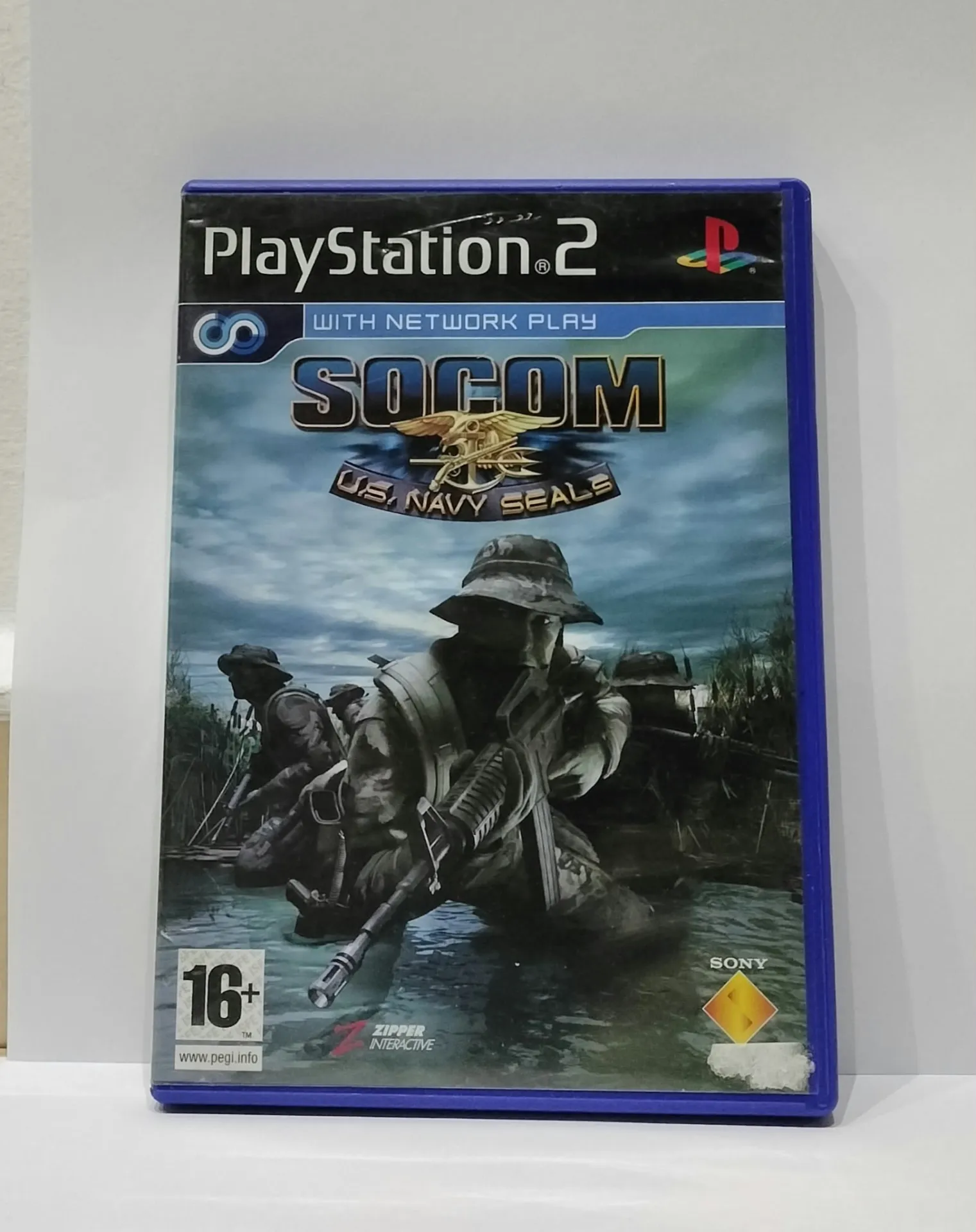
SOCOM: U.S. Navy SEALs for PlayStation 2 — PAL
5,00 €
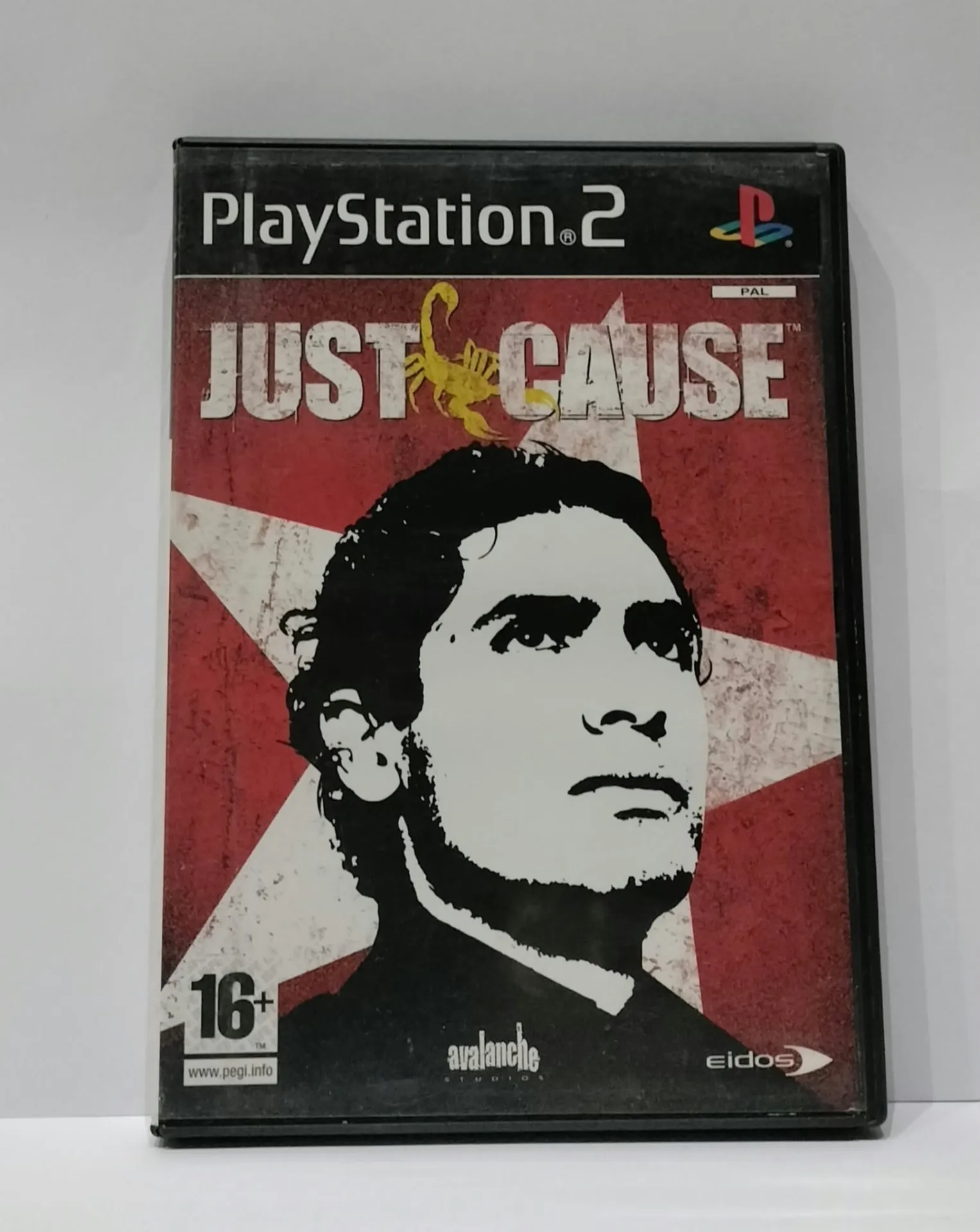
Just Cause for PlayStation 2 — PAL
10,00 €
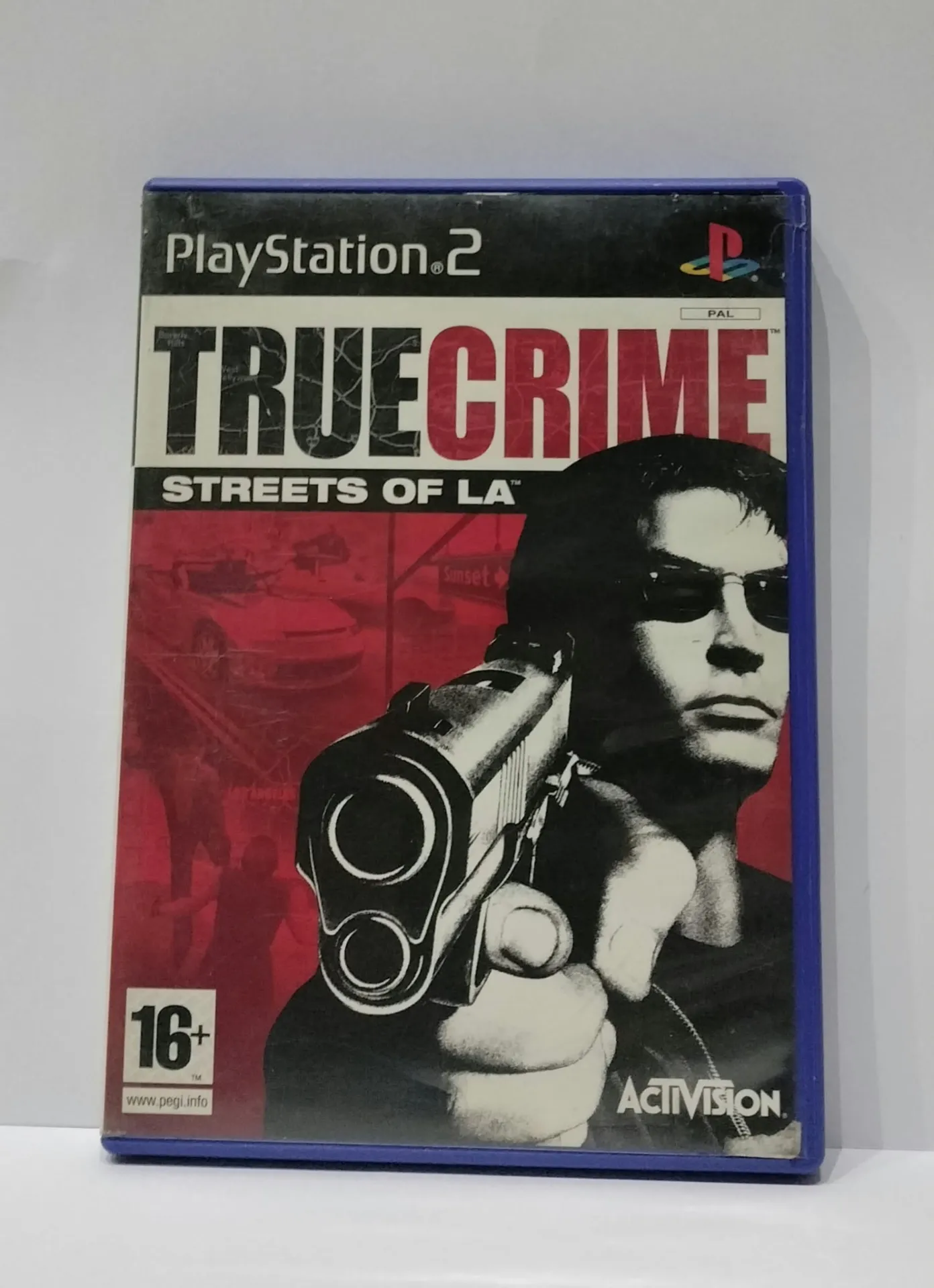
True Crime: Streets of LA for PlayStation 2 — PAL
14,00 €
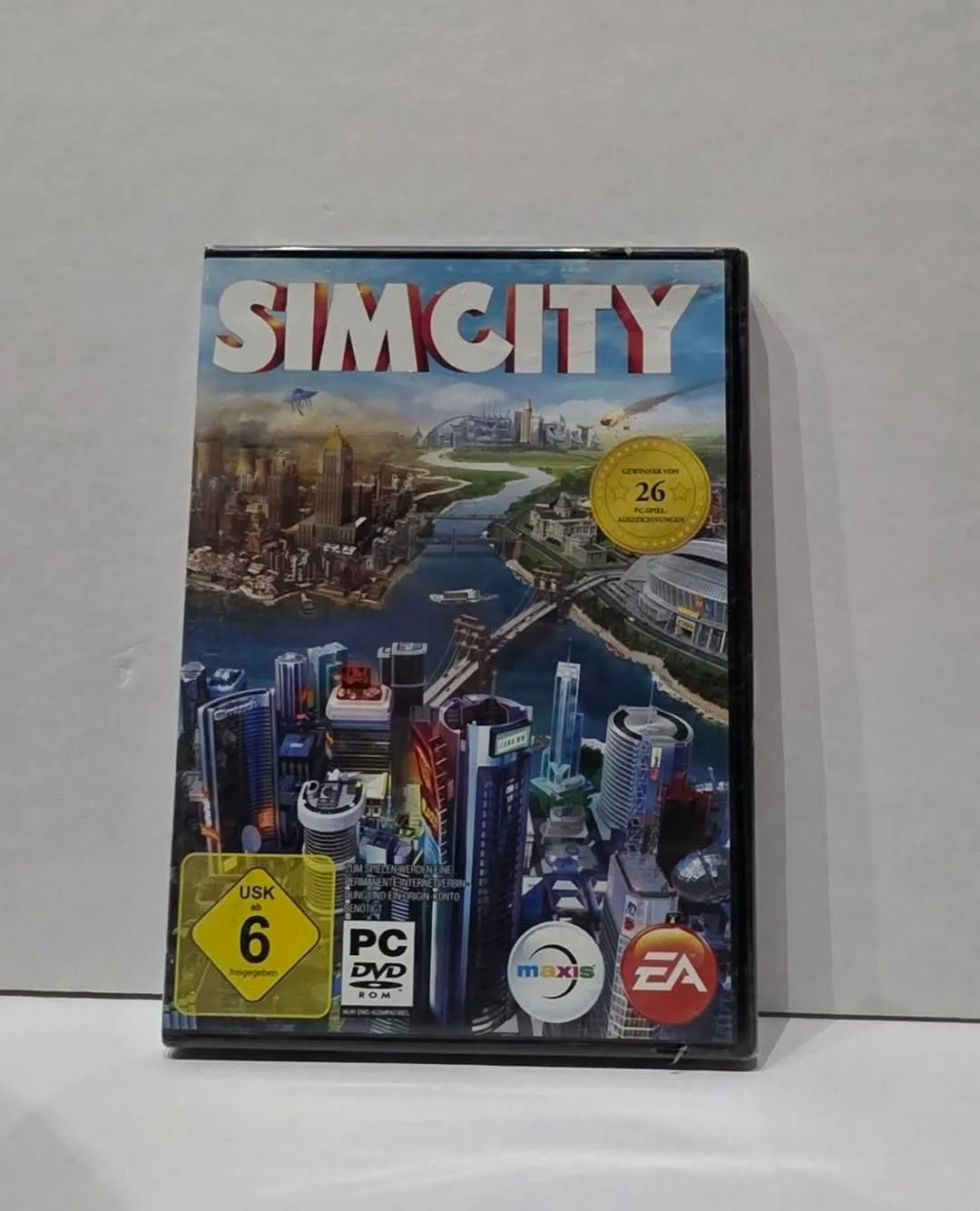
SimCity (2013) PC DVD-ROM — German version
15,00 €

My Fitness Coach: Cardio Workout for Nintendo Wii PAL
15,00 €
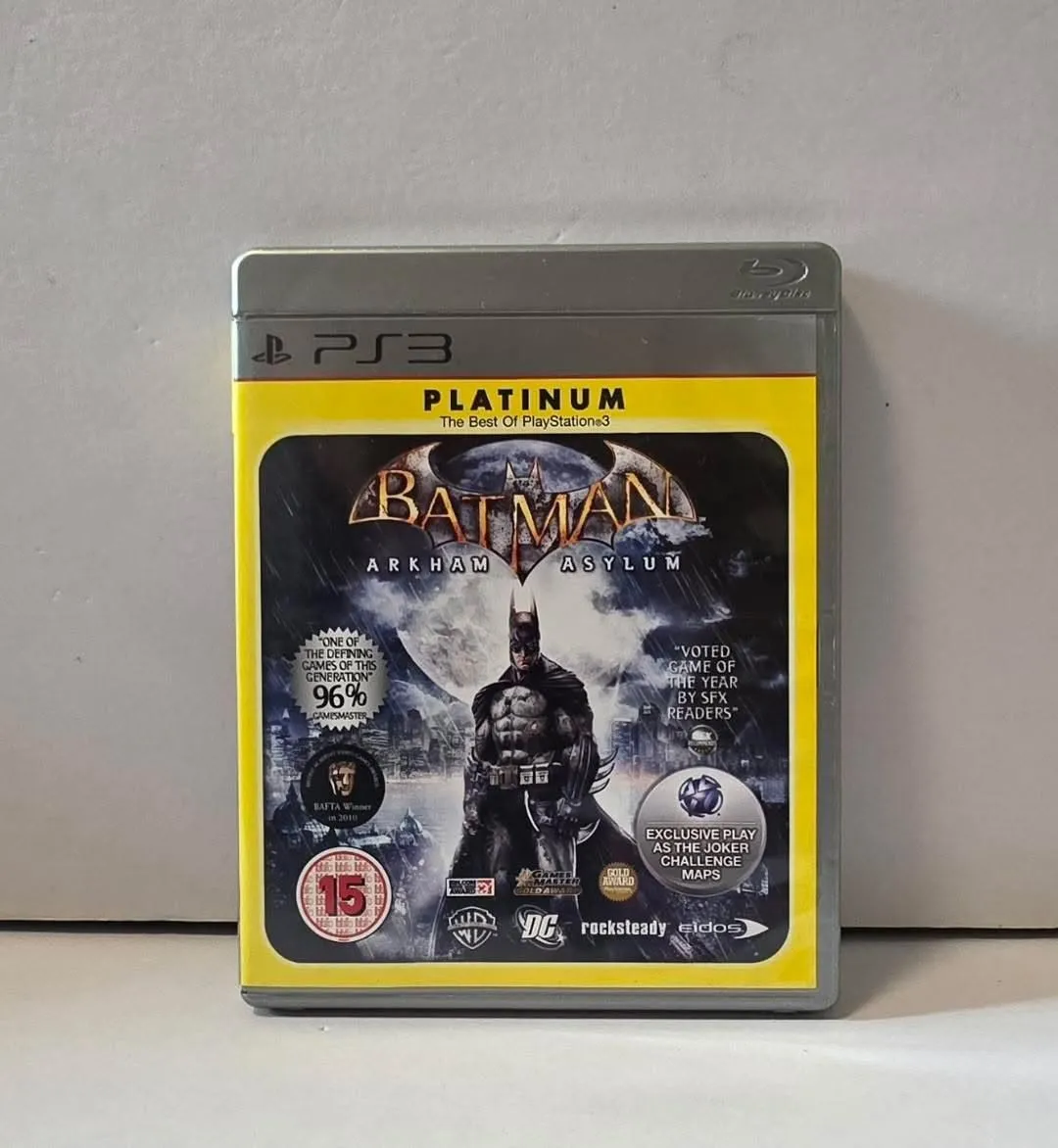
Batman: Arkham Asylum – Platinum for PlayStation 3
8,00 €
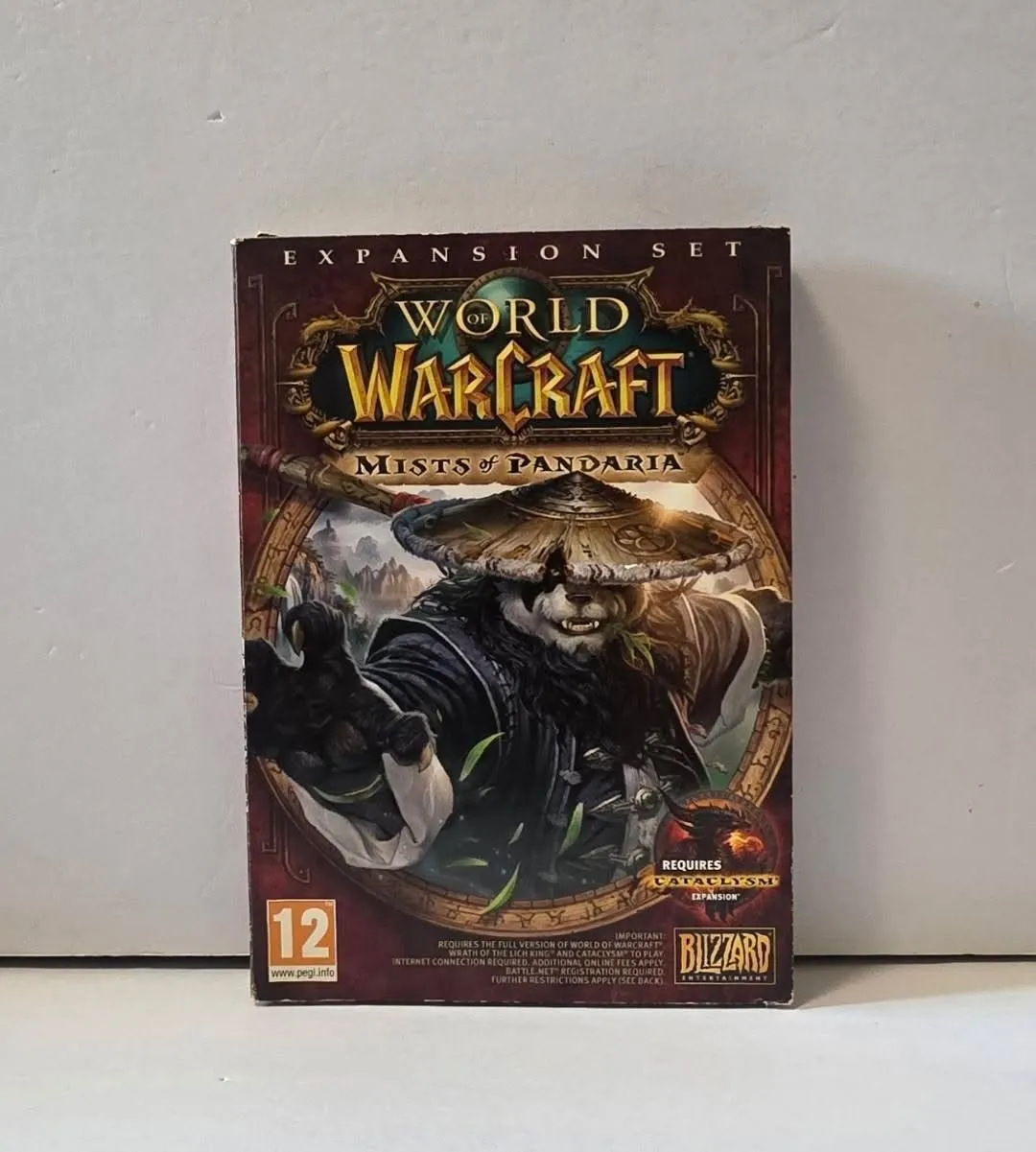
World of Warcraft: Mists of Pandaria — PC/Mac Expansion Set
13,00 €
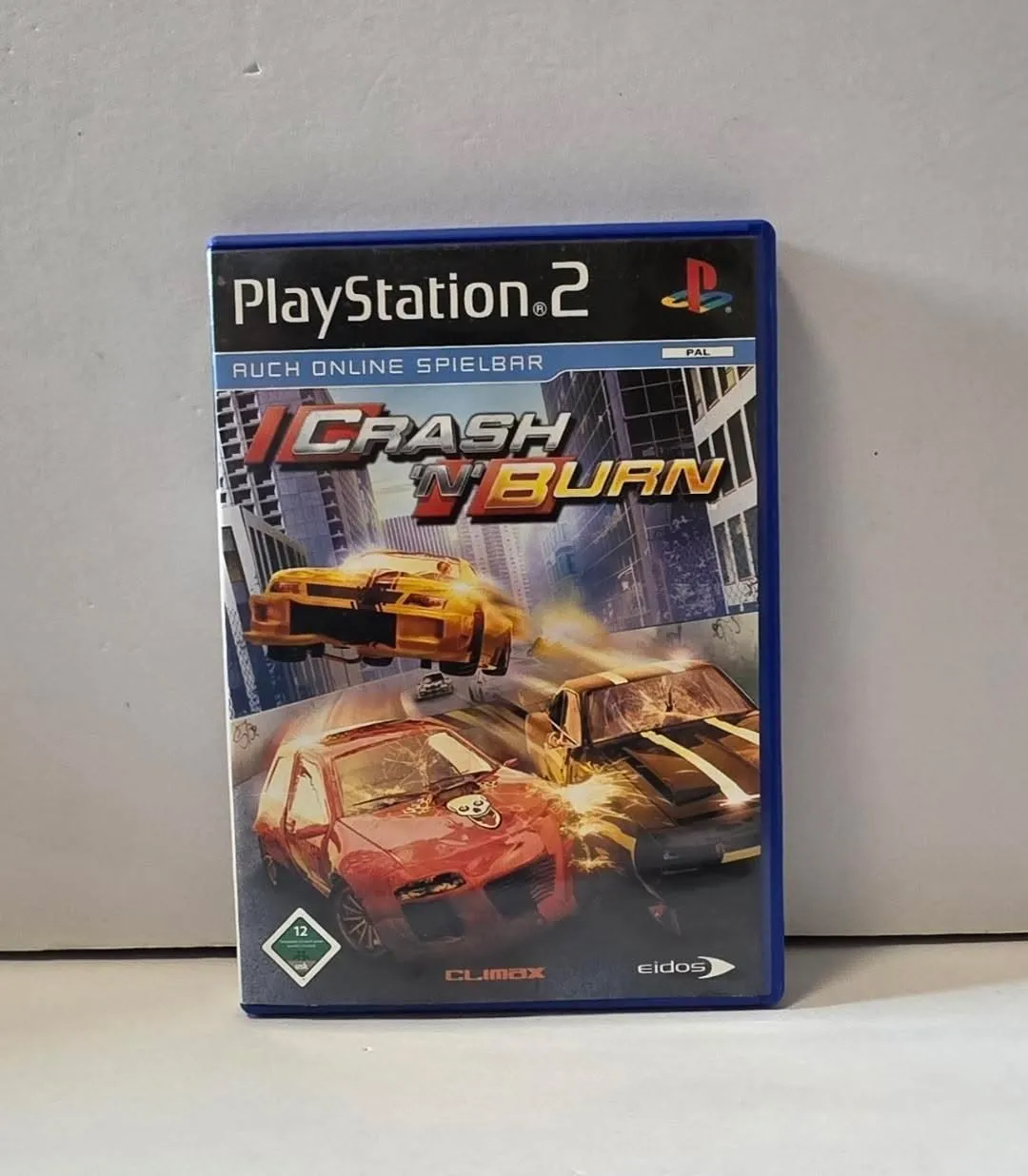
Crash ’N’ Burn for PlayStation 2 PAL
18,00 €
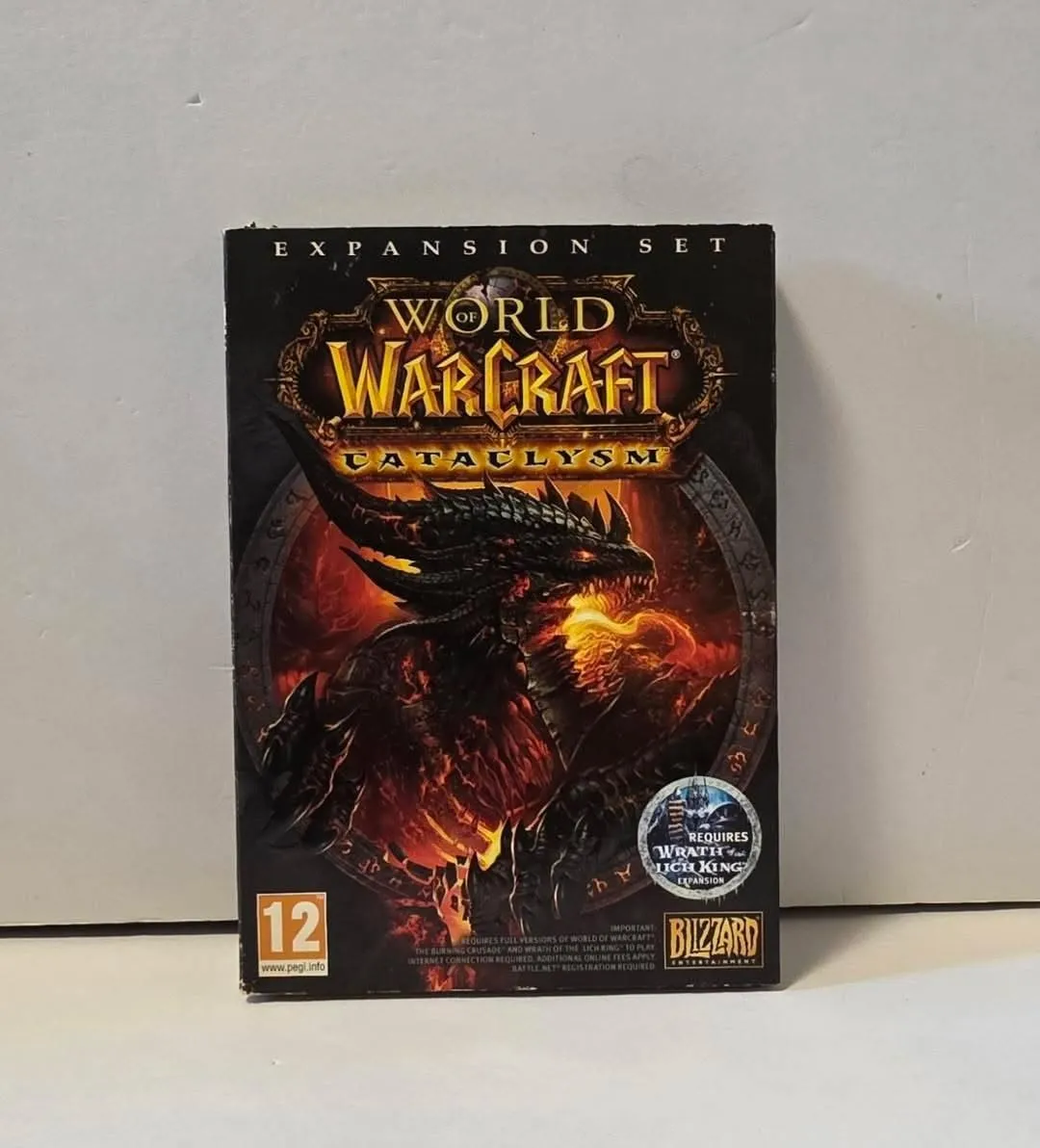
World of Warcraft: Cataclysm — PC DVD-ROM, PAL/EU
15,00 €
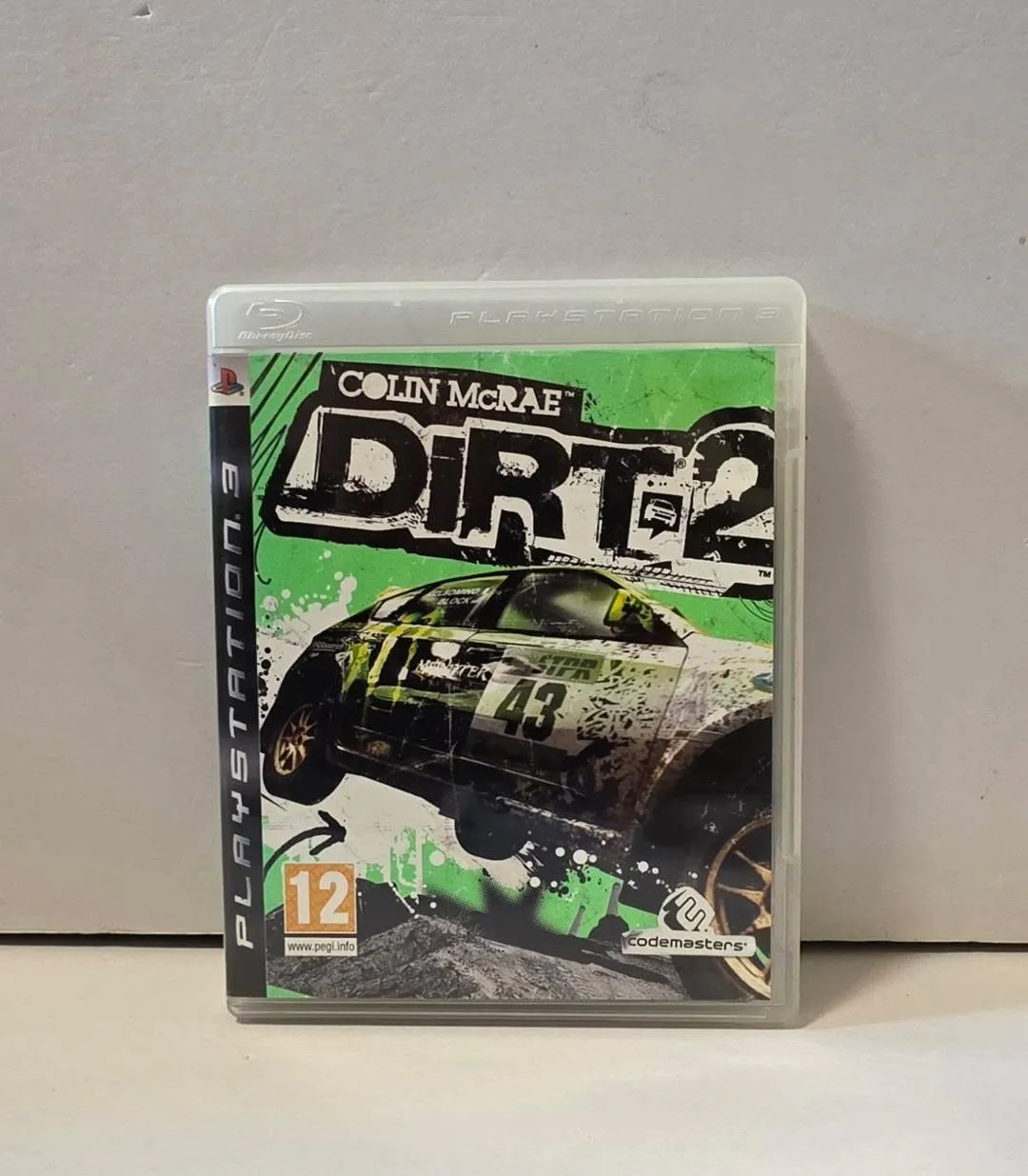
Colin McRae: DiRT 2 for PlayStation 3 — PAL
19,00 €