
The collector's edition
Rare Pokémon Cards: How to Recognise Them

A card might look impressive because it’s foil, features full art or shows your favourite Pokémon. That doesn’t automatically make it valuable, though. Rare Pokémon cards are identified by a specific combination of edition, number, print variant, condition, demand and proven authenticity. It’s often the small details that make the difference between a nice card for your binder and one collectors search for over months.
If you’re just starting to collect, the best approach isn’t to chase every shiny card. It makes more sense to understand what you’re holding, how to protect it and how to compare prices without unrealistic expectations. And if you’re selling, accurate information in your listing saves questions and builds trust from the very first photo.
What actually makes a Pokémon card rare?
Rarity isn’t a single mark on a card. It depends on how many copies were printed, how many have survived in good condition and whether the community wants that particular version. A card from an older set featuring a popular character can be in demand even in less-than-perfect condition. On the other hand, a newer ultra rare card may be relatively affordable if it was opened in large quantities and lots of people are offering it for sale.
First, look for the rarity symbol near the bottom of the card, usually next to the set number. On older releases, it’s often a circle for common, a diamond for uncommon and a star for rare. It’s a good starting point, but not a final verdict. Holo rare, reverse holo, full art, secret rare, illustration rare and special illustration rare cards can have very different values, even when they’re from the same set.
Pay special attention to cards numbered higher than the set’s total card count. If you see, for example, 203/198, you’re probably looking at a secret rare. That doesn’t guarantee a high price, but it shows that the card is outside the standard numbering. In modern series, this detail is one of the easiest ways to tell more special pulls from ordinary rare cards.
Rare Pokémon Cards and the key types of releases
The same card can exist in several versions. Sometimes the differences are obvious; other times, they’re hidden in a small stamp, foil effect or promo code. That’s why the Pokémon’s name alone isn’t enough when you’re checking a price or creating a listing.
Base Set, first edition and shadowless
There are a few terms collectors use all the time for early English Pokémon TCG cards. First Edition cards can be identified by the small “Edition 1” stamp to the left, below the illustration. They’re usually more sought-after than unlimited editions, but value still depends on the card itself and its condition.
Shadowless versions from the early Base Set don’t have the dark shadow to the right of the illustration frame. They’re not the same as First Edition, although both versions are important to collectors. If you’re comparing Charizard, Blastoise or Venusaur, this difference can have a noticeable effect on the valuation.
Promos, tournament cards and special distributions
Promo cards don’t always come from booster packs. Some were included in movie events, magazines, tournament prizes, pre-orders or special sets. Their origin is often exactly what makes them hard to find. A card stamped Prerelease, STAFF, Championship or with a specific event name should be described precisely.
There’s a catch here, too: the word “promo” doesn’t mean expensive by itself. Many promo cards are easy to find. What matters is the specific number, year, language, method of distribution and actual availability on the market.
Japanese, English and European versions
Language and region are part of a card’s identity. Japanese releases often come out earlier and have different sets, numbering or promo versions. English cards are the most familiar to a broad international audience. German, French, Italian and other European versions may be more niche, but they’re a completely legitimate focus for a collection.
Don’t automatically assume that a Japanese card is more valuable, or that an English one will always be easier to sell. It depends on the character, the set and what buyers are looking for at the moment. If you’re selling, state the language clearly. A photo of the front isn’t always enough.
Condition matters more than it might seem
Two identical cards can have a huge difference in price. Almost always, the reason is condition. White spots on the edges, scratches on the holo surface, creases, dents, a worn back and poor centring are details an experienced buyer will spot right away.
The most commonly used informal categories are Near Mint, Excellent, Lightly Played, Played and Damaged. There’s no need to promise Near Mint if the card has visible wear. It’s better to describe it honestly: “light whitening on two corners, no creases” or “scratches on the foil, clean back”. That way, the right buyer knows what to expect.
Cards graded and sealed in a case by a recognised company add another layer of clarity, as they come with a condition grade and identification number. They’re not necessarily a better purchase for everyone, though. Grading costs money, takes time and doesn’t make sense for a card with limited demand. For a collector looking to complete a favourite set in a binder, a well-preserved ungraded card is often the more sensible choice.
How to check whether the card is authentic
Fake Pokémon cards are common, especially for popular cards like Charizard, Pikachu, Mew, Lugia and Eeveelutions. Offers with a price that’s too low, unclear photos or entire “rare” sets at a suspiciously good price are the riskiest.
Check the text for spelling mistakes, unusual fonts and poor colours. Compare the card number, HP, attacks and set symbol with a reliable visual reference. Genuine cards have consistent printing and a quality texture on versions where that texture is characteristic. Fakes often look too smooth, too dark or have foil covering the entire card in an unnatural way.
Don’t rely on the popular “light test”, and don’t peel a card apart to check its layers. You could damage a genuine card, and this isn’t a reliable method for every generation. Clear photos of the front and back, a close-up of the texture and a comparison with a confirmed genuine card from the same edition are much more useful.
How to determine a realistic price
A card’s price isn’t the highest amount someone has put in a listing. Look at completed sales for the same card, in the same language and in similar condition. The version is critical: reverse holo, regular holo and non-holo cards can sometimes differ by just one detail, but not in price.
For more expensive cards, photos are part of the value of the listing. Show the front, back, all four corners and a reflection under light that reveals scratches on the foil. Include the Pokémon’s exact name, set, number, language, rarity and condition. If the card is in a hard sleeve or graded, mention that too.
Don’t rush to sell a card just because someone called it “rare”. Sometimes a card has value as part of a page, an evolution line or a complete set, rather than as a standalone hit. At other times, it makes sense to sell it if it isn’t part of your collection’s focus and the money will fund a more worthwhile next purchase.
Protect your cards like a collector, not a casual owner
A card left loose in a drawer almost always loses condition. For more valuable cards, use a clean soft sleeve, then a hard top loader or semi-rigid holder. Keep them away from direct sunlight, moisture and sudden temperature changes. Don’t put a rubber band around a stack of cards, and avoid PVC pockets of questionable quality.
For a binder collection, choose side-loading pages and put cards in sleeves. This reduces the risk of them slipping out and getting scratched along the top edge. If you’re shipping a card, protect it with rigid cardboard on both sides, not just an envelope. The buyer will remember how they received their find, too.
On KPZ, a good listing starts with specifics: card name, set and number, language, version, condition and real photos. That’s more useful than a flashy headline and makes a trade or sale more relaxed for both sides.
The best thing about Pokémon TCG is that rarity isn’t just a number. Sometimes the most valuable card is the one that completes your favourite binder page, takes you back to your first game or reminds you why you started collecting in the first place. Buy. Sell. Trade. But always take a close look at what you choose to keep.
Find it at KPZ
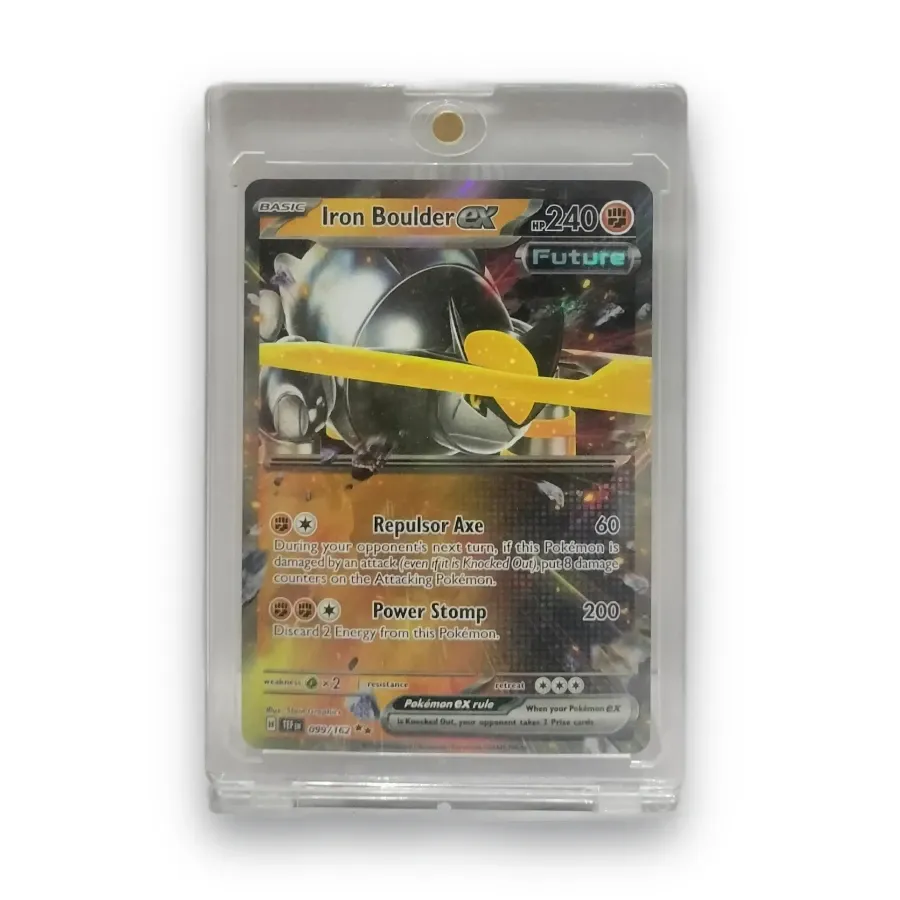
Iron Boulder ex 099/162 — Temporal Forces
0,50 €
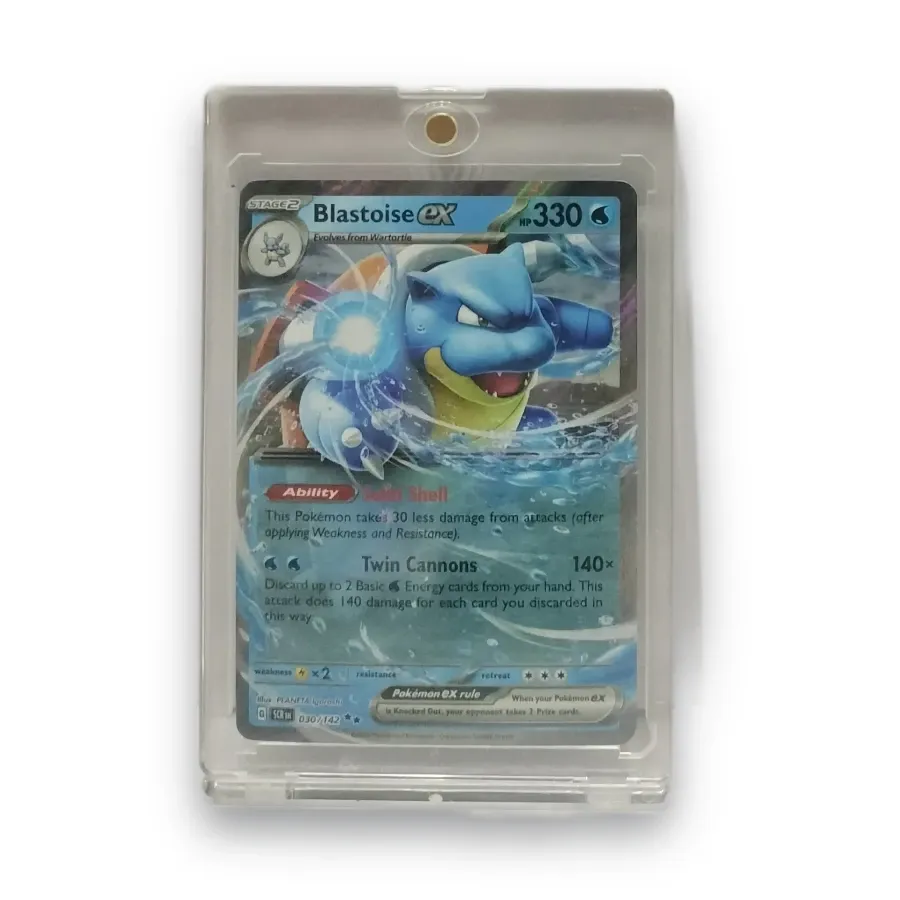
Pokémon TCG Blastoise ex 030/142 — Stellar Crown
2,00 €
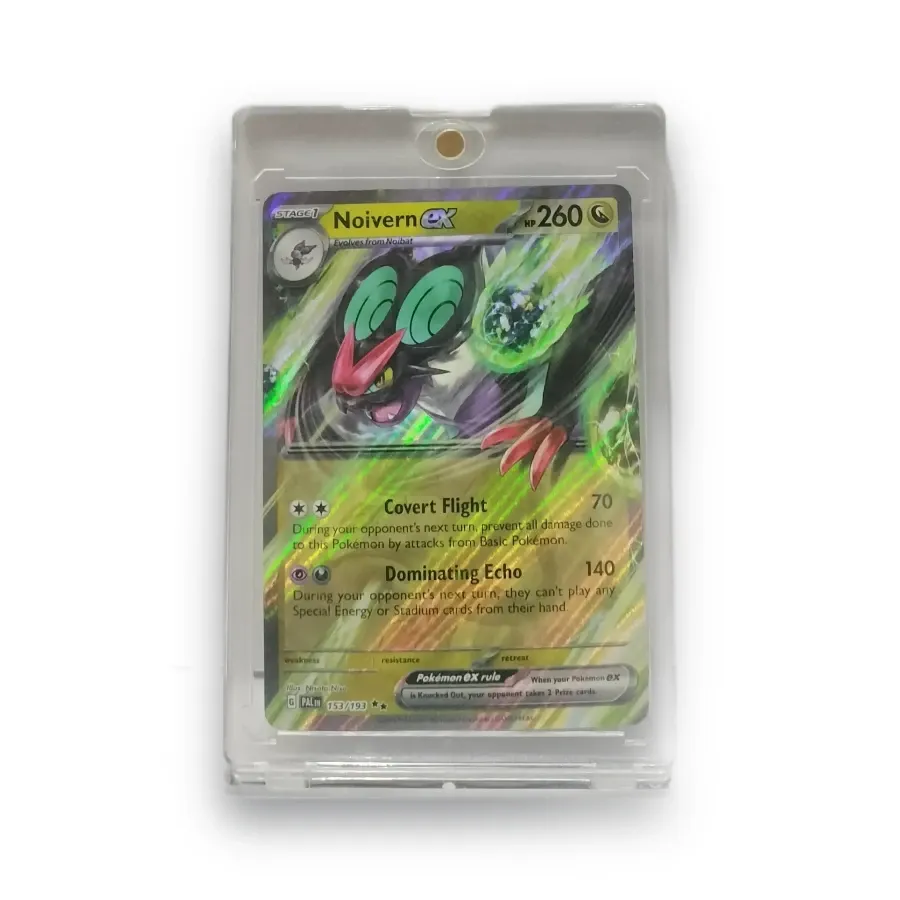
Pokémon Noivern ex 153/193 — Paldea Evolved
0,50 €
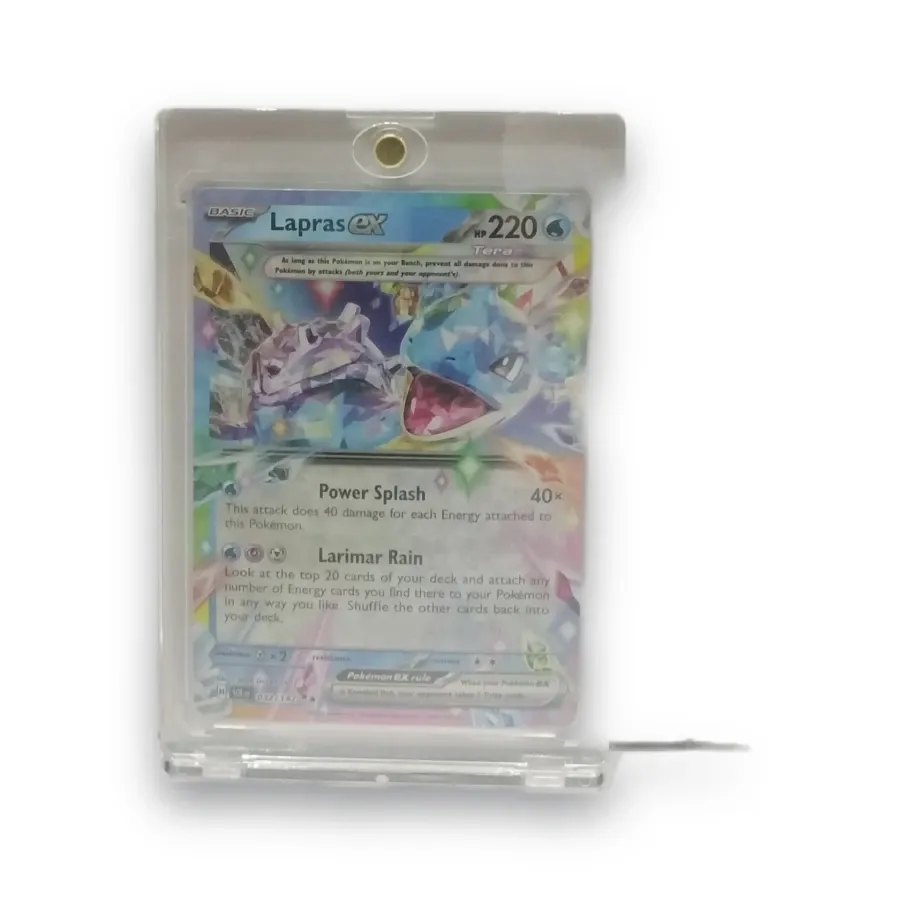
Pokémon TCG Lapras ex 158/142 — Stellar Crown
1,00 €

Pokémon Psyduck Wicked Cool Toys Plush
9,00 €

Pokémon TCG Battle Academy 2022 — Pikachu, Eevee & Cinderace V
28,00 €
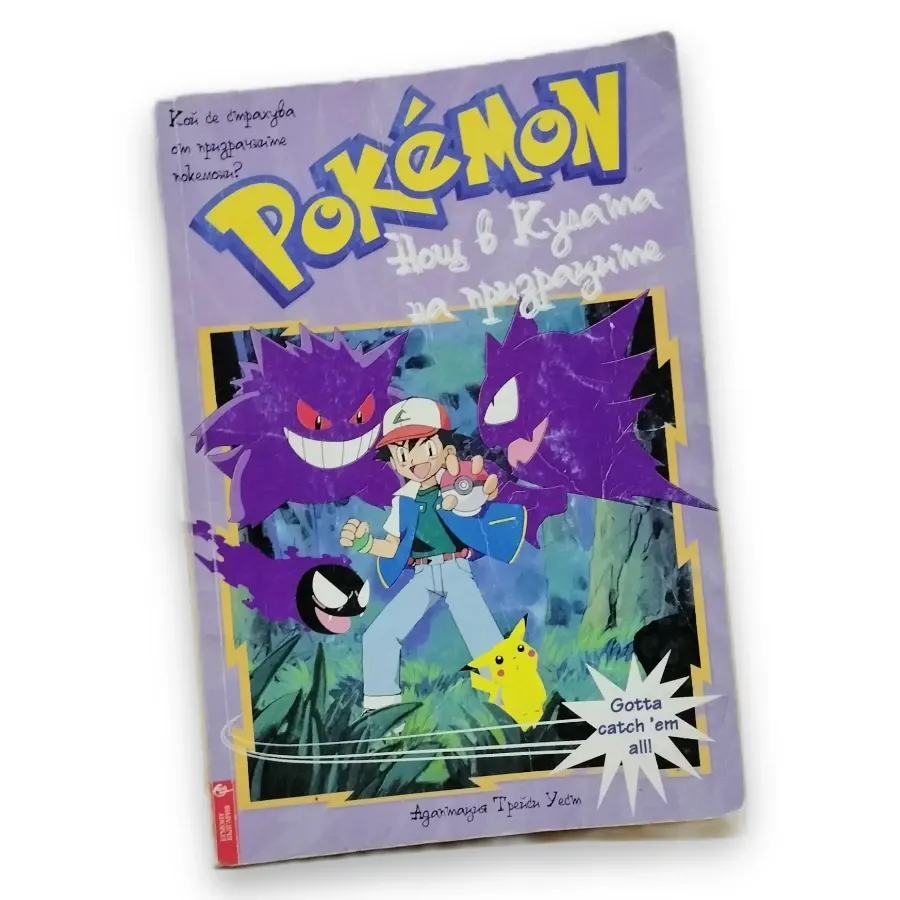
Pokémon: Show at the Ghost Tower
7,00 €

Pokémon Pikachu Plush with Tag
12,00 €
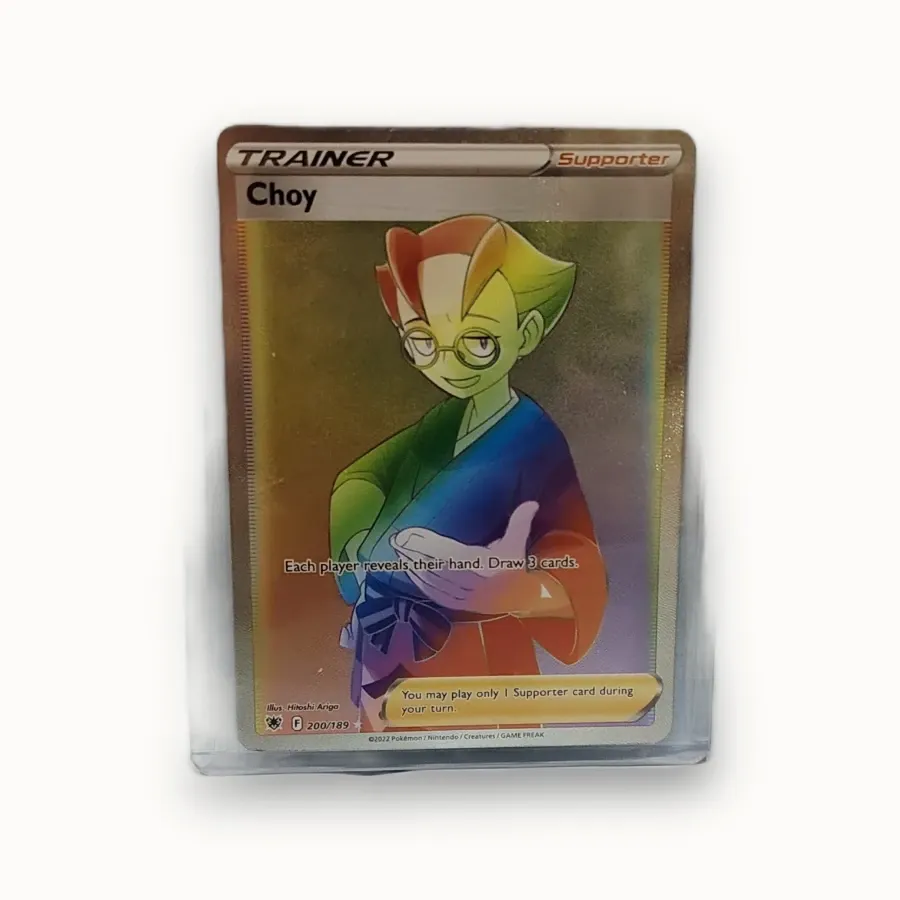
Pokémon Choy 200/189 Secret Rare Trainer Card
6,00 €
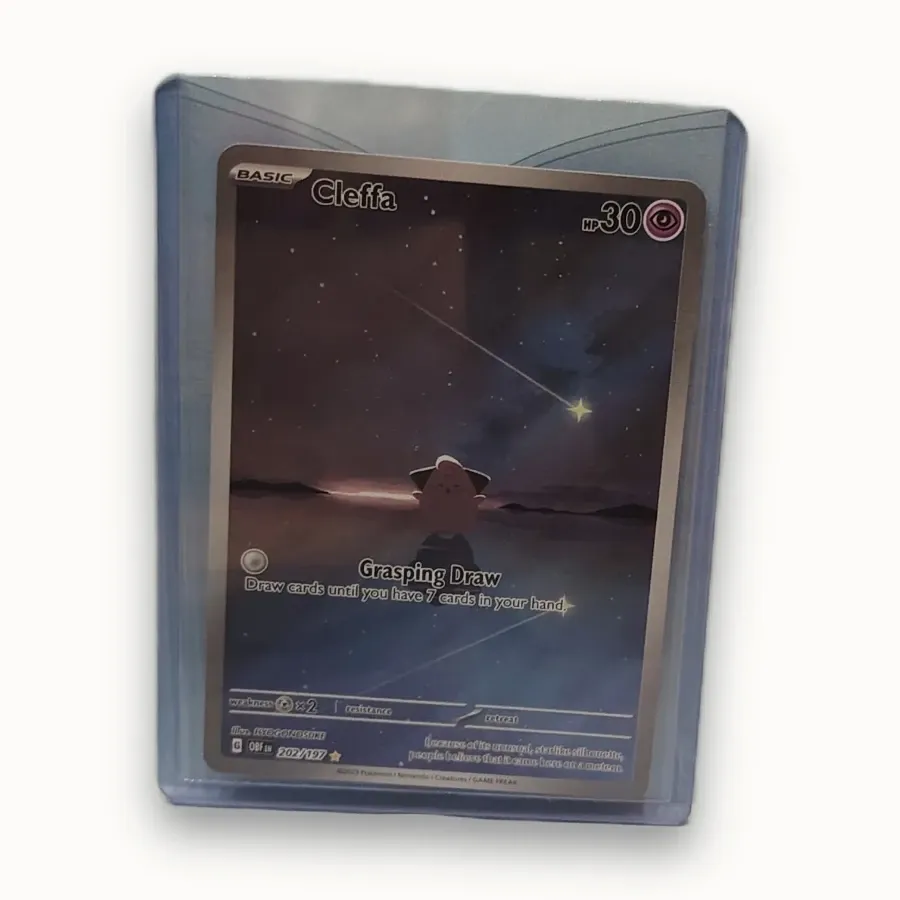
Pokémon TCG Cleffa 202/197 Illustration Rare — Obsidian Flames
27,00 €