
The collector's edition
How to Check a Pokémon Card Before Buying
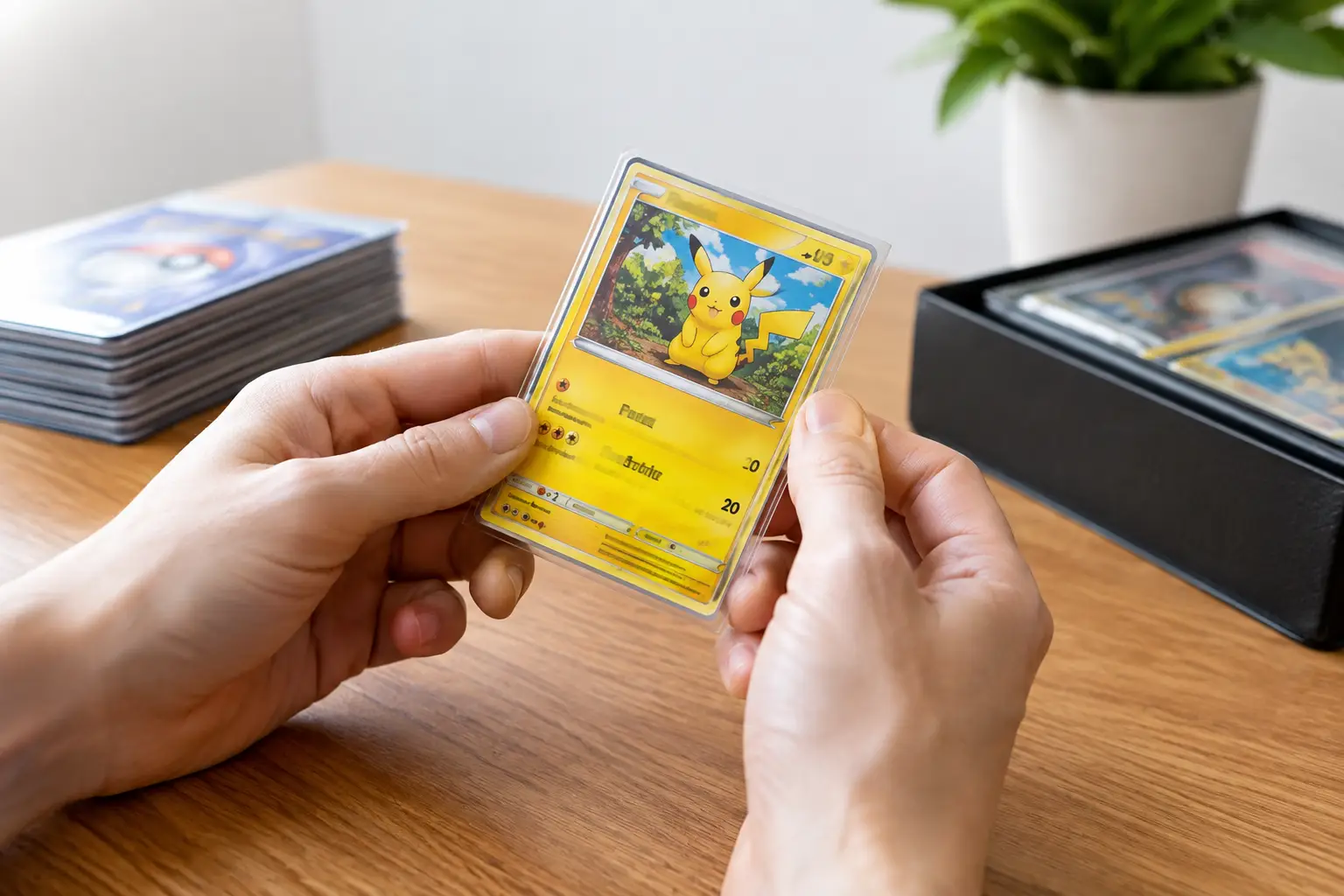
A card can look perfect in a listing and still turn out to be a replica, a heavily worn example or a version different from what you expected. That is why the question “how to check a Pokémon card” is not only relevant to the most expensive Charizard cards. It also matters when you are looking for a favourite Pokémon, a card for a deck or the first pages of a child’s album.
With Pokémon TCG, value comes from a combination of authenticity, specific printing, rarity and actual condition. Do not rely on just one sign. A good check brings together several clear signals, and when something does not match, it is better to ask questions, request photos and not rush.
How to Check a Pokémon Card from Photos
Start with the quality of the listing. Clear photos of the front and back, taken without aggressive filters and without thick sleeves, are the bare minimum. They should show the entire card, including the corners and edges. One distant photo is not enough, especially if the price suggests that the card is rare or sought-after.
Look at the centering on the front. With genuine cards, it is usually reasonably even, although factory deviations are possible. An excessively thick border on one side, crooked text or uneven cutting can suggest a problem, but none of these is conclusive on its own. Pokémon printing can sometimes have manufacturing defects even on genuine cards.
Text is the next quick indicator. The Pokémon’s name, attacks, HP value, Energy symbol, weaknesses and card number should be clear and sharp. Blurred letters, an unusual font, spelling mistakes and poorly defined symbols are classic warning signs. Compare the card with a verified image of that exact card, not simply with a card featuring the same Pokémon. The same creature can have dozens of versions across different sets, languages and years.
The back also says a lot. Standard cards have a distinctive blue border and Poké Ball graphic. Look for an even colour, clean details and normal placement of the Pokémon lettering. On replicas, the blue is often too light, too dark or purplish, while the details around the Poké Ball look blurry. This rule does not apply to all Japanese, promotional and older cards, so always check the specific printing.
Check the Number, Set and Language
The most useful information is often at the bottom of the card. There you will find a number such as 123/182, a set symbol, copyright year and sometimes an additional marking. These details should match. If the card shows a number that does not exist for the stated set, or the illustration does not match the official version, you have a reason to be suspicious.
Do not assume that every card with a small number is rare. Number 001/165 simply means its position in the set’s main numbering. More special cards have a number above the set’s official size, such as 201/198, but even that does not guarantee a high price. It may be a secret rare, hyper rare, illustration rare or another variant, while demand is also determined by the Pokémon, artist, print run and condition.
Language matters. An English, Japanese, German and French version of the same card are not automatically equivalent. Japanese cards often have different numbering, a different back on many older printings and different promotional series. If you are buying for a collection, write down in advance what you are looking for: an English card for a binder, a Japanese printing because of the artwork or a specific card for playing. That way, you will not pay for “the same one” when it is actually not your version.
Rarity Is Not Just a Symbol
With older sets, the symbol at the bottom can indicate common, uncommon or rare. In newer series, rarity is often understood from the number, foil, texture and card type. EX, GX, V, VMAX, VSTAR, TAG TEAM and ex are mechanics from different generations, not a universal guarantee of rarity or price.
The artwork can also be misleading. Full art, a gold background or a strong shine may look impressive, but counterfeiters most often copy exactly these kinds of cards. If a card that usually sells for a substantial amount is offered suspiciously cheaply, do not assume it is a lucky find. Treat it as a reason to check more carefully.
When You Have the Card in Hand
Photos filter out some of the risk, but a physical inspection is more reliable. An original Pokémon card is made from several layers of card stock and usually feels firm, but not excessively rigid. Replicas are often too thin, glossy like laminated paper or unusually smooth. Do not deliberately bend or scratch the card, and do not perform destructive “tests”. Its collectible appearance is part of its value.
With some counterfeits, light passes through the card stock too easily. This can be an indicator, but it is not a universally safe method because thickness varies between printings and conditions. It is much more useful to examine the printing under strong light. On originals, the halftone pattern and foil look precise, while copies show large dots, uneven foil or a “rainbow” effect where the original has none.
On textured ultra rare cards, the texture should follow the design rather than being a random pattern across the entire surface. Also watch for cards that are genuine but have been altered: re-glued foil, flattened creases, retouched white edges or signs of moisture. This does not make them fake, but it can seriously affect the price.
Assess the Condition Honestly
“Near Mint” does not simply mean “looks good from a distance”. With collectible cards, the difference between Near Mint, Excellent, Lightly Played and Played can significantly change the price. Inspect all four corners, whitening on the edges, scratches in the holo area, dents and warping of the card stock.
Slight curling on holo cards is common with moisture and is not always a serious problem if there are no creases. A deep dent, bent corner or scratch across the front, however, are defects that should be shown and reflected in the price. If you are collecting for a binder, you may accept a Played card at a good price. If you are looking for an example for grading or a long-term collection, be much more demanding.
The protective sleeve should not hide the condition. Ask for photos outside the sleeve, in daylight or even lighting, with close-ups of any problem areas. This is a normal question between collectors, not a sign of distrust towards the seller.
How to Buy with Less Risk
The safest purchase starts with a specific listing title: card name, set, number, language, condition and price. General descriptions such as “rare Pokémon card” do not provide enough information. If the seller does not know the exact series, you can help by asking about the number and symbol, but do not guess from a photo alone.
Before the deal, ask for confirmation of authenticity and all visible defects. If you are buying several cards, clarify whether the photos show the exact examples you will receive rather than sample copies. For more expensive cards, it is sensible to compare several listings instead of relying on a single offer. A low price makes sense with visible wear, low demand or a quick sale, but there should be a clear explanation.
On a specialised catalogue such as KPZ, real photos, a specific description and payment on delivery provide a better basis for an informed choice. Still, the final check is yours: open the package carefully, compare the card with the listing and keep the correspondence if anything does not match the description.
A Quick Check Before You Say “I’ll Take It”
Check that the name, number and set symbol match the exact version. Examine the front and back for blurred printing, strange colours and uneven details. Assess the corners, edges, holo area and any dents. Finally, decide whether the price matches the language, rarity and condition—not just how impressive the card looks.
The best rule is simple: buy the card that is clearly identified and honestly described. That way, you will know whether you are adding a genuine find to your collection rather than just a shiny disappointment.
Find it at KPZ
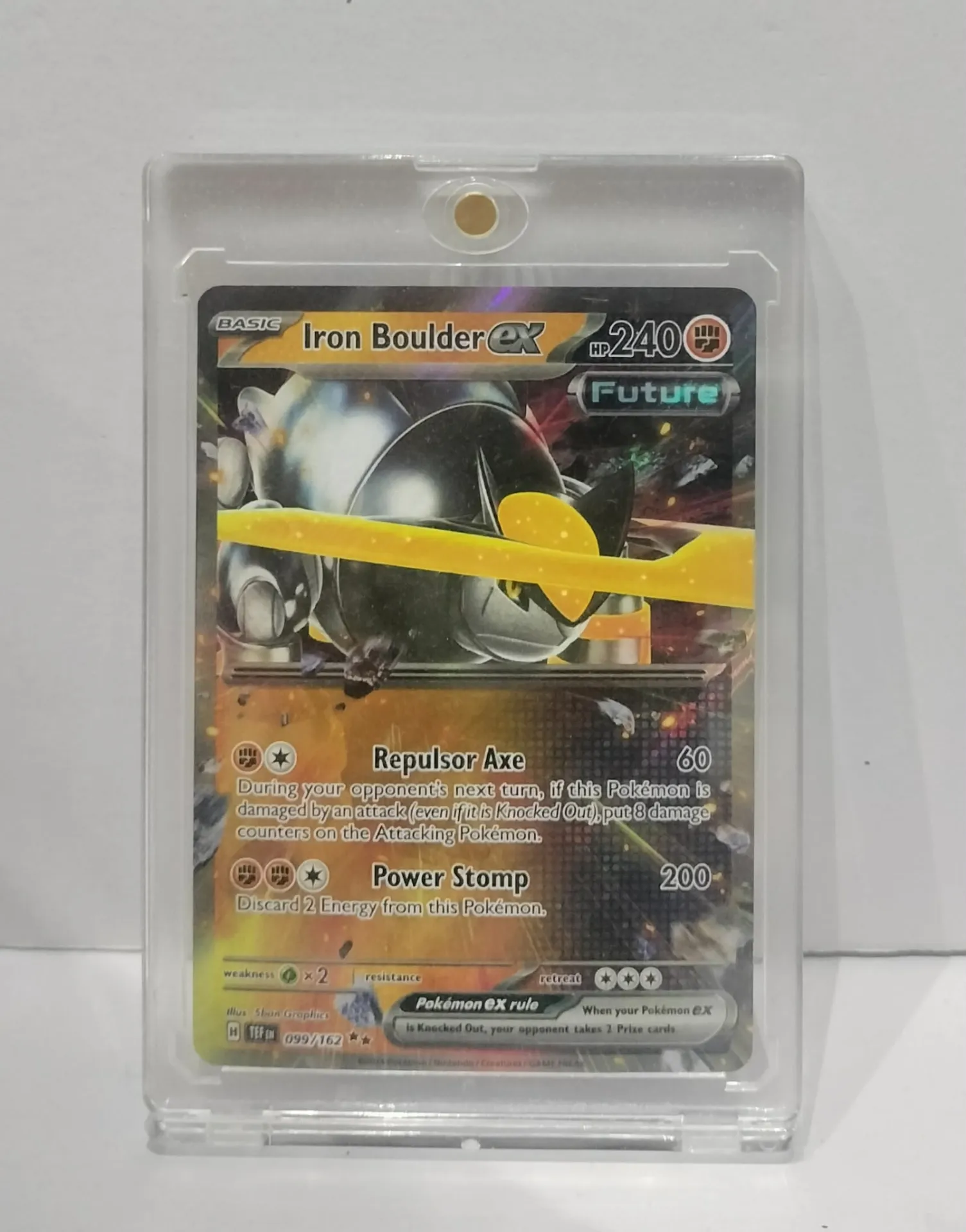
Iron Boulder ex 099/162 — Temporal Forces
0,50 €
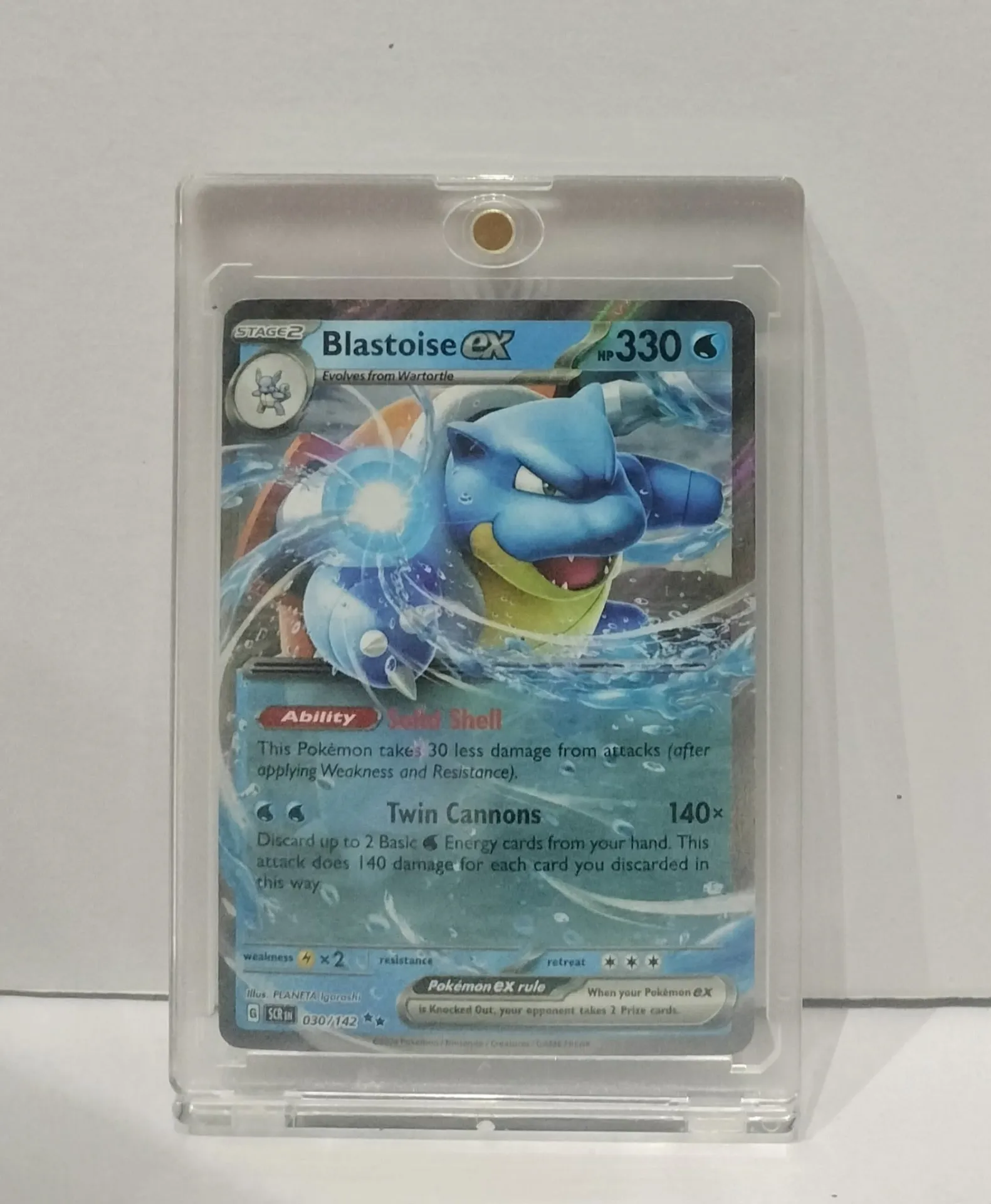
Pokémon TCG Blastoise ex 030/142 — Stellar Crown
2,00 €
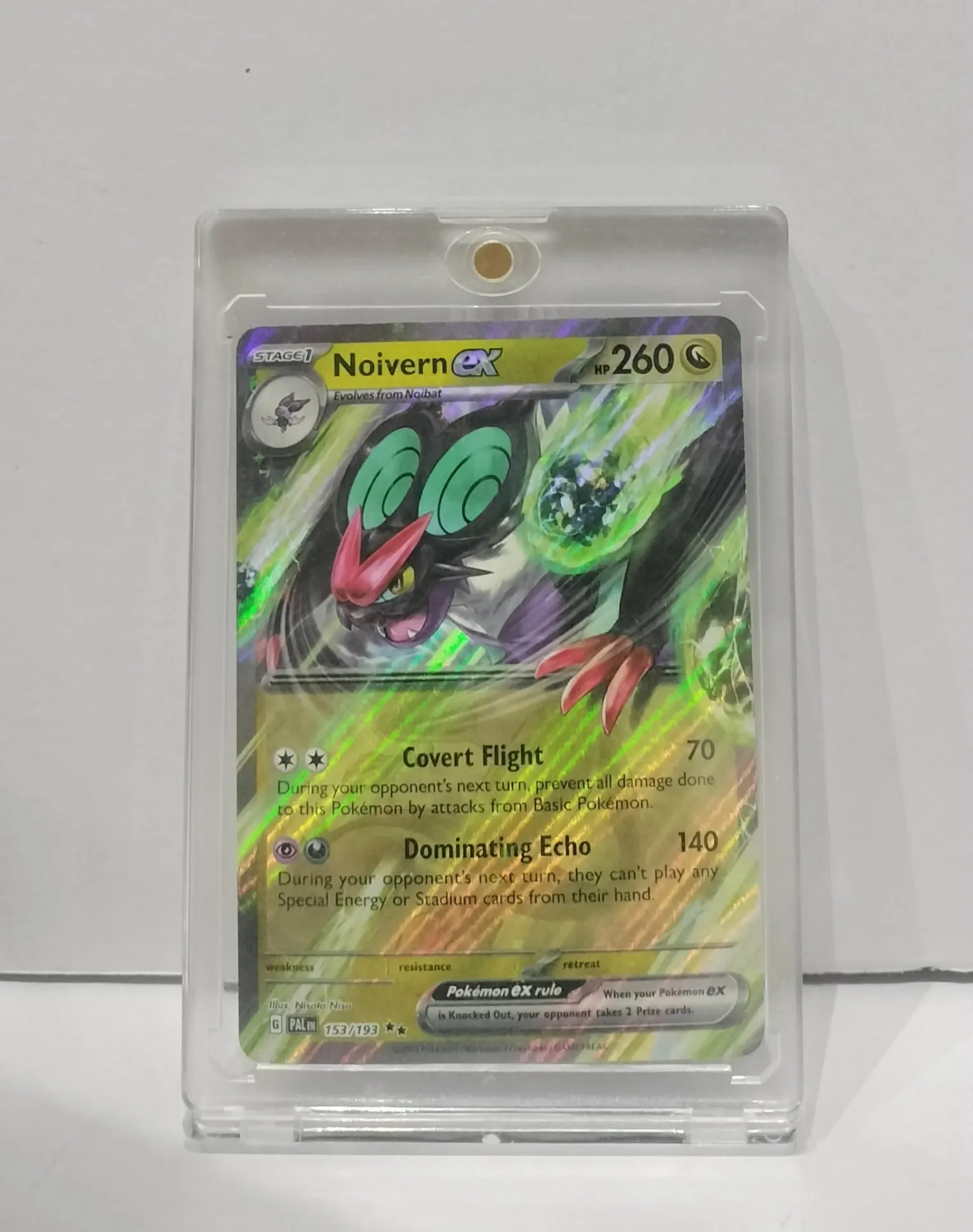
Pokémon Noivern ex 153/193 — Paldea Evolved
0,50 €
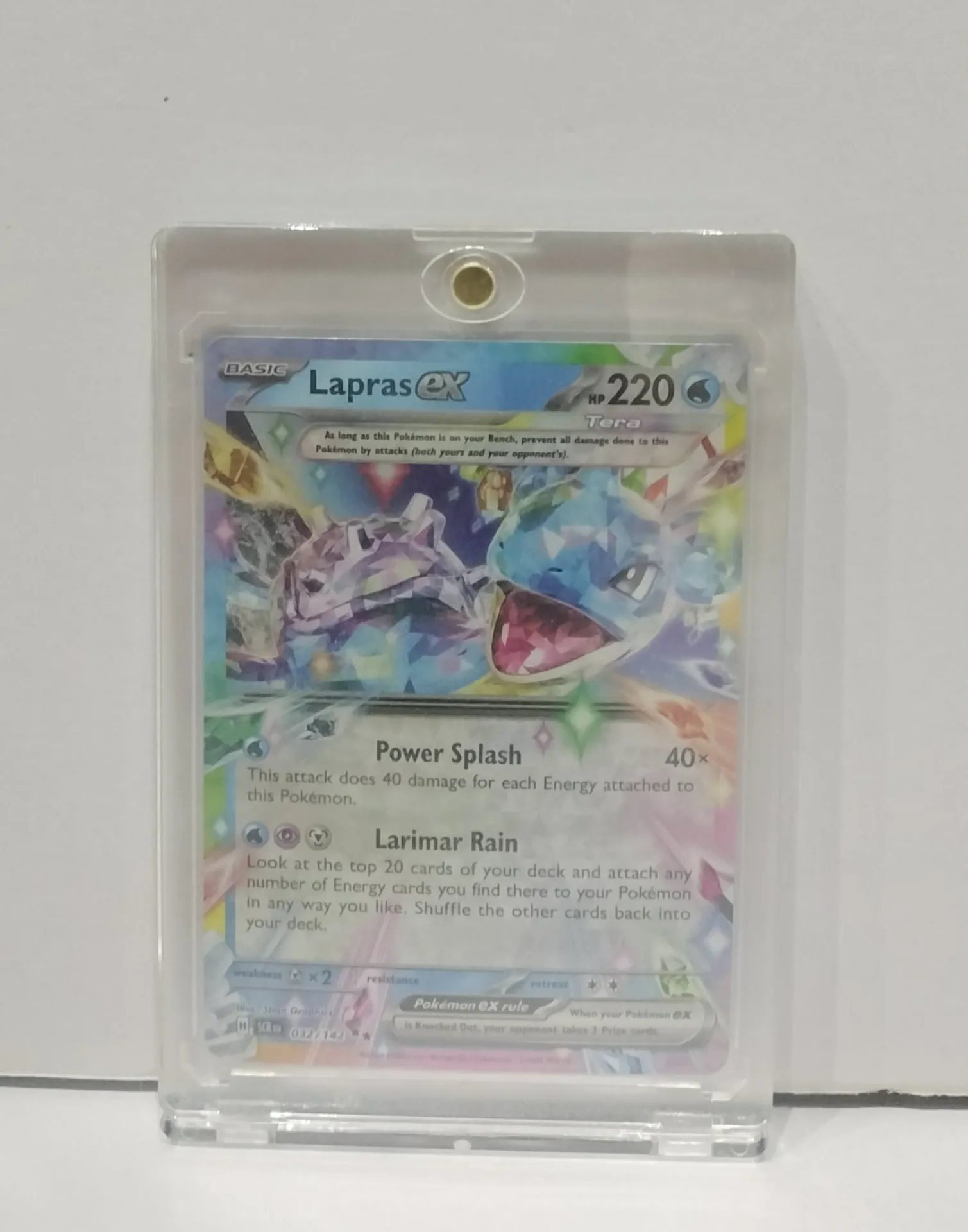
Pokémon TCG Lapras ex 158/142 — Stellar Crown
1,00 €
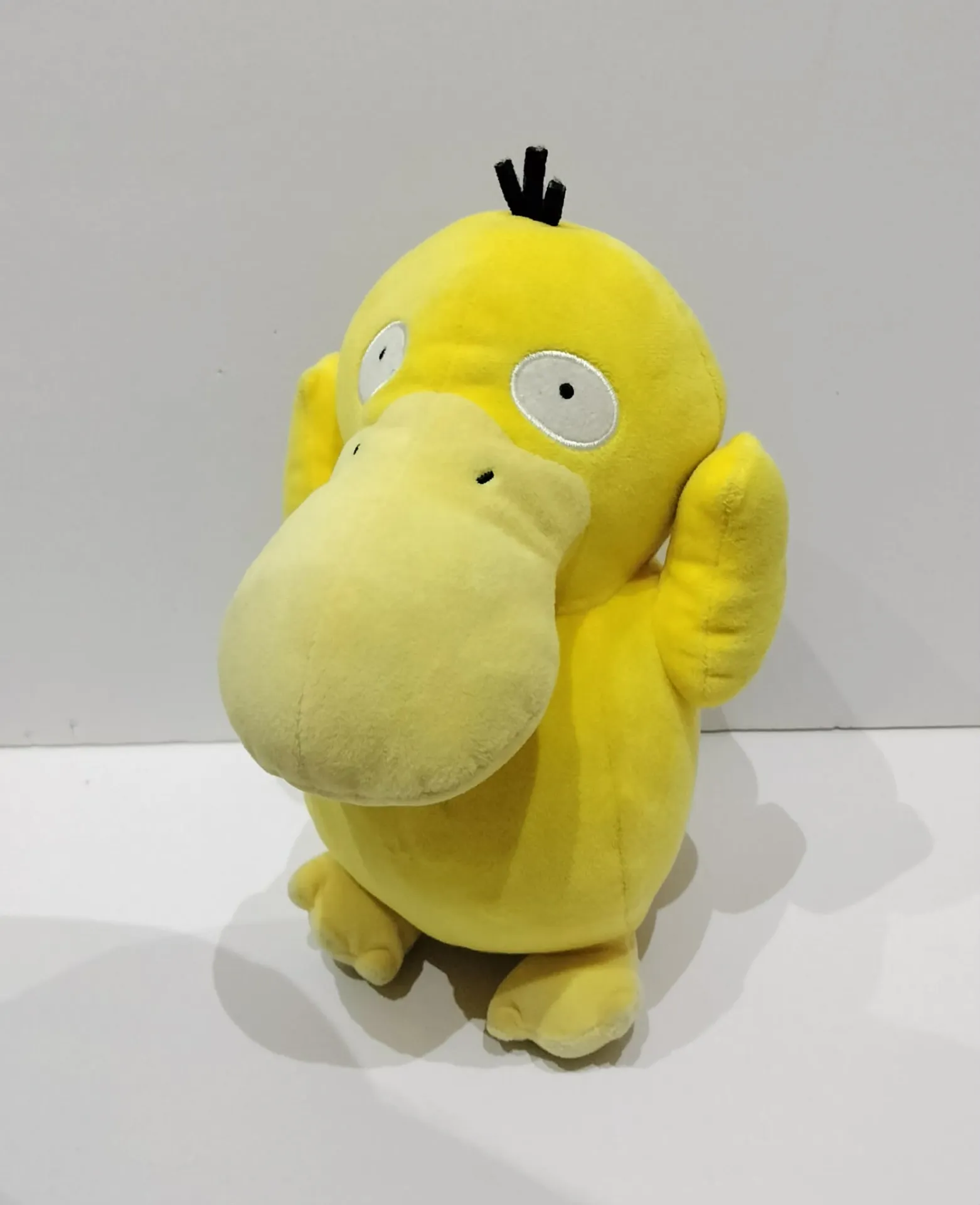
Pokémon Psyduck Wicked Cool Toys Plush
9,00 €
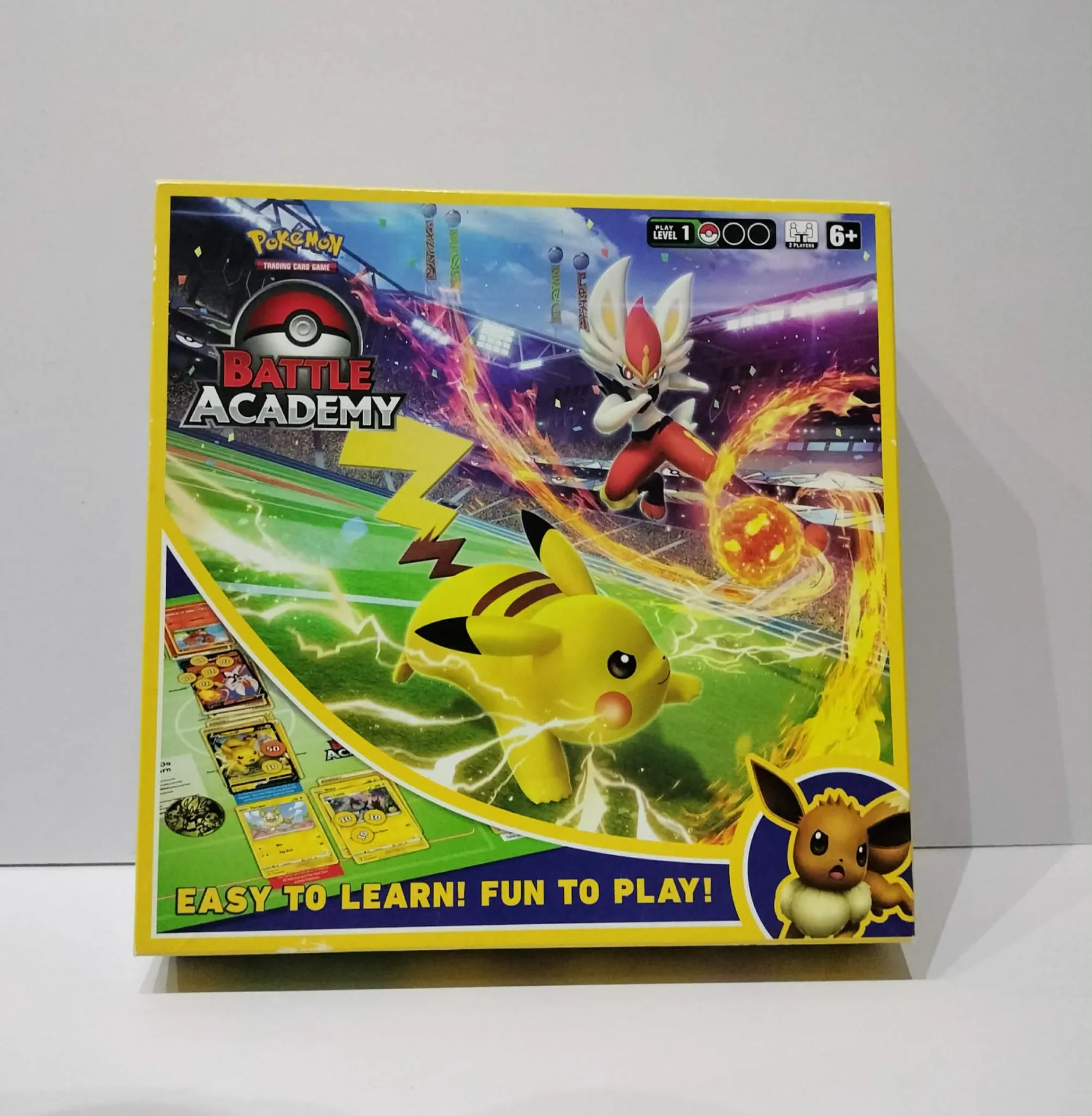
Pokémon TCG Battle Academy 2022 — Pikachu, Eevee & Cinderace V
28,00 €
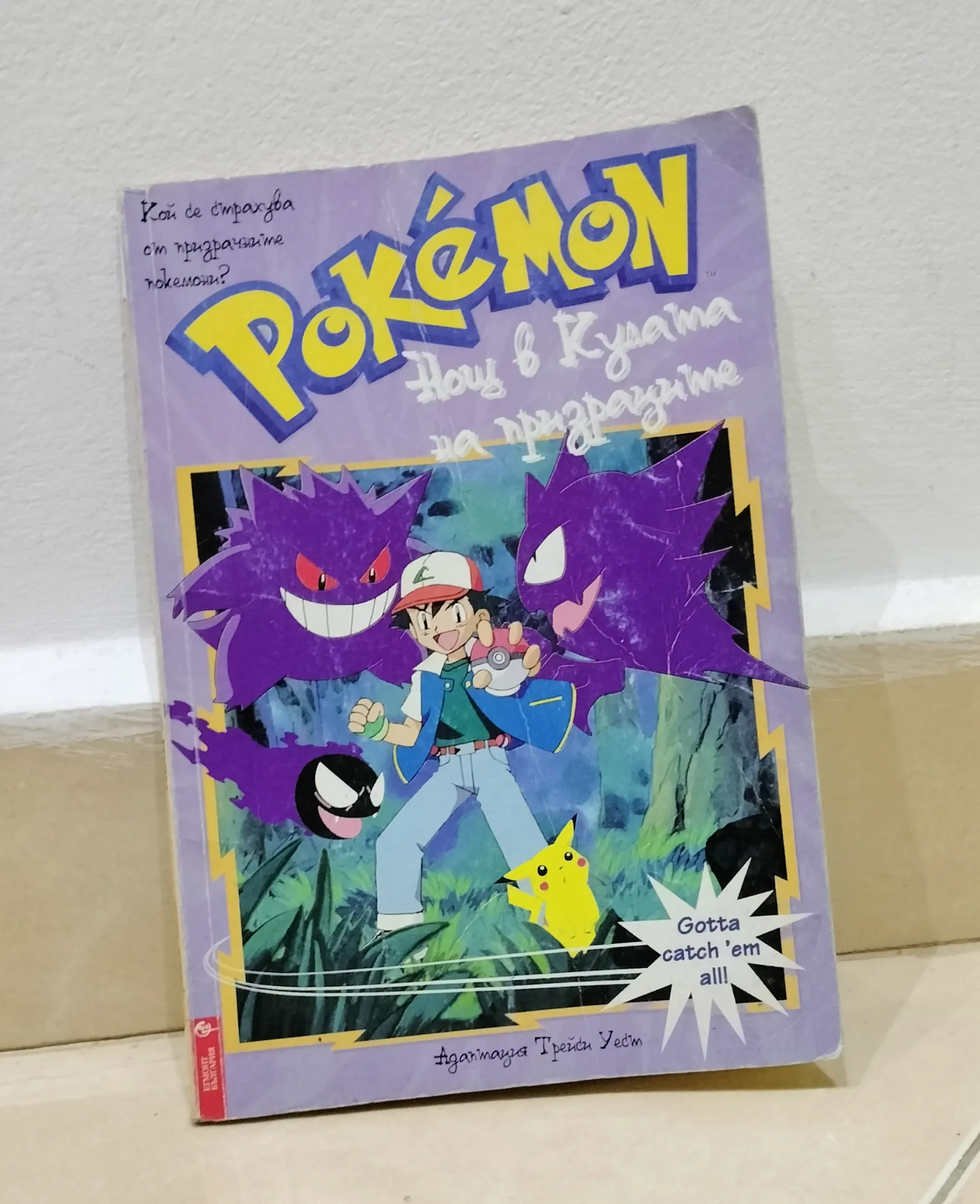
Pokémon: Show at the Ghost Tower
7,00 €
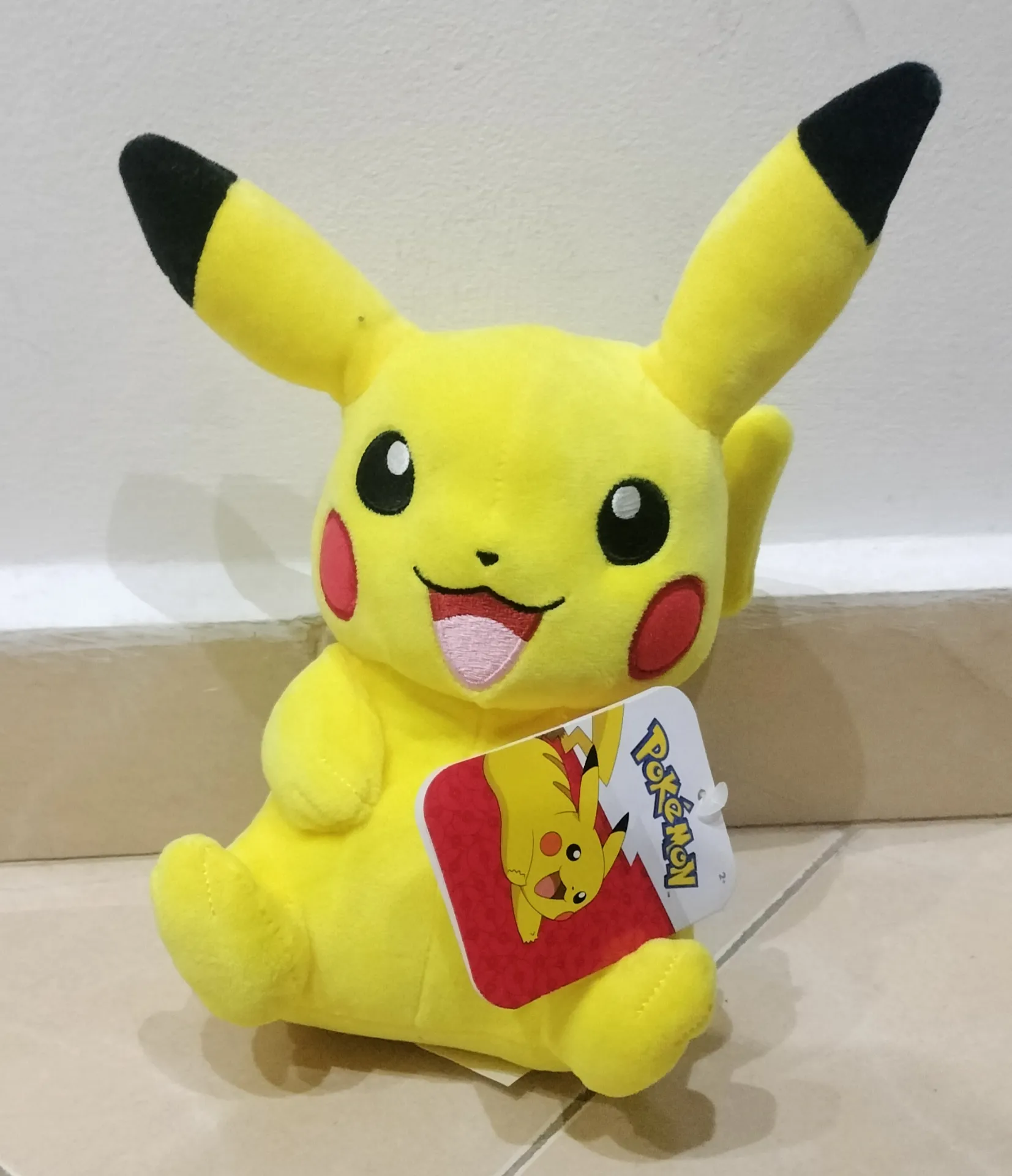
Pokémon Pikachu Plush with Tag
12,00 €
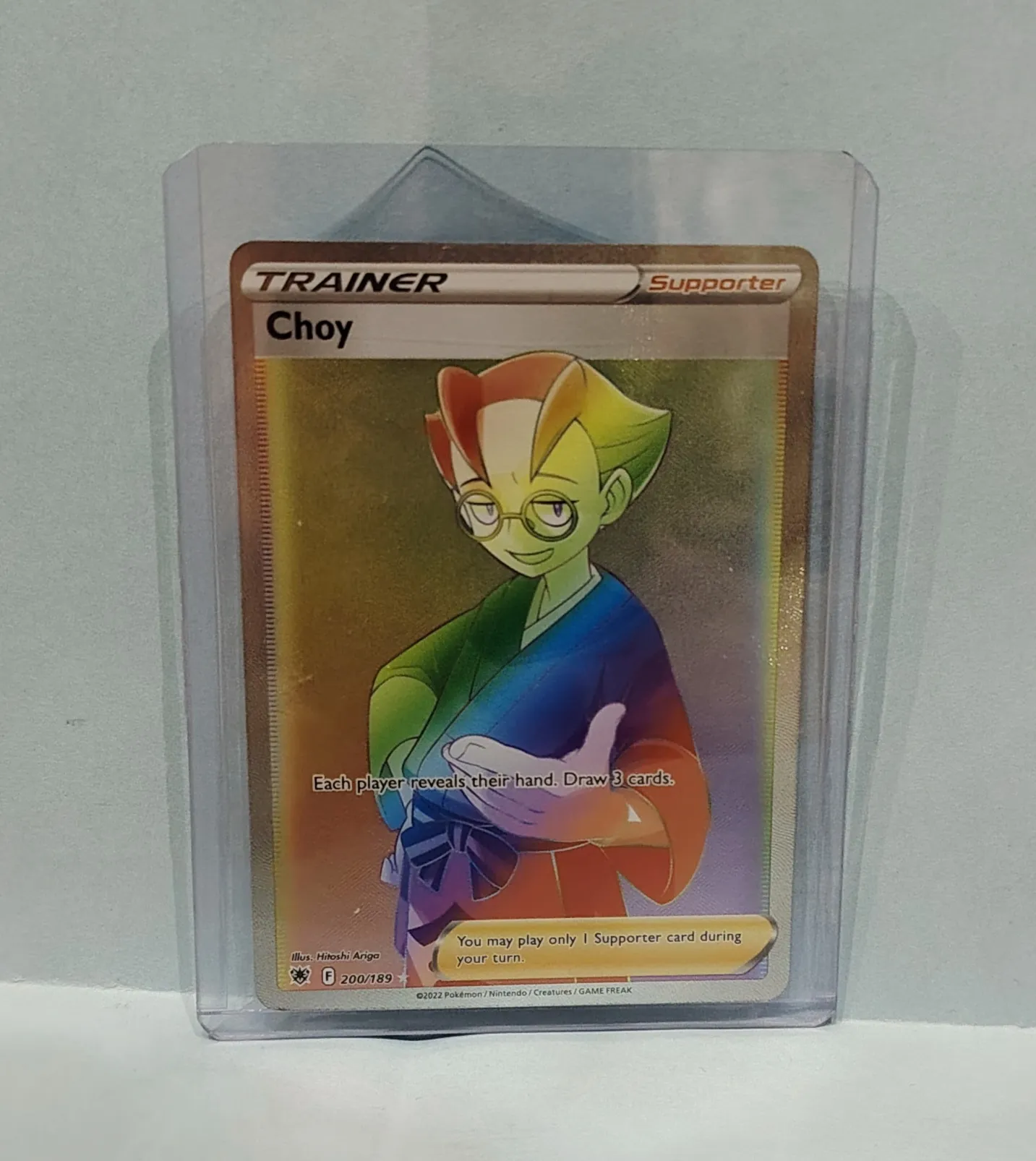
Pokémon Choy 200/189 Secret Rare Trainer Card
6,00 €
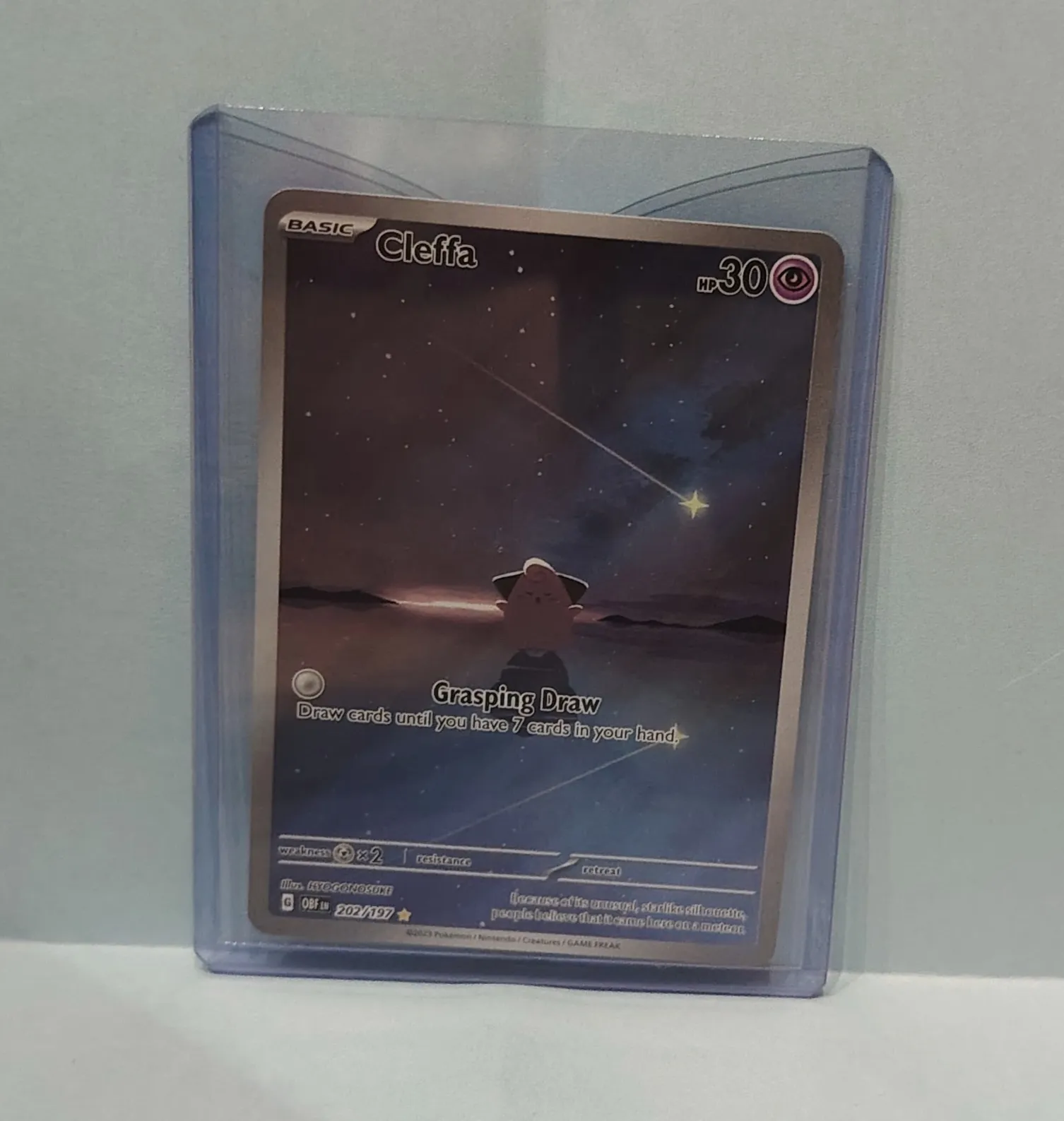
Pokémon TCG Cleffa 202/197 Illustration Rare — Obsidian Flames
27,00 €