
The collector's edition
Valuing Vintage LEGO Sets for Sale
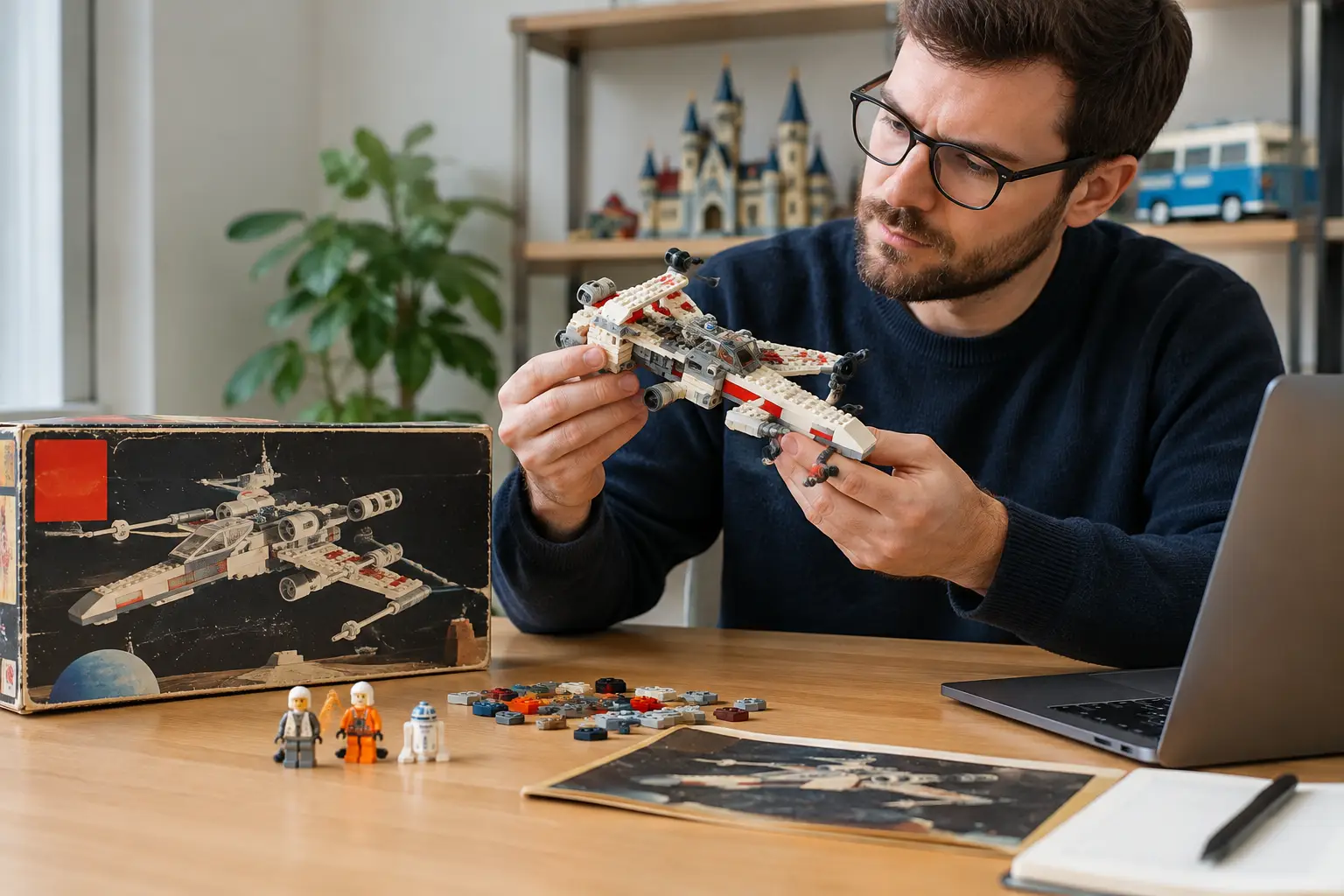
A box from the attic might contain a jumble of assorted bricks, but it could also hide a set that has been out of production for years and is sought after by fans. That’s why valuing vintage LEGO sets doesn’t start with the question of what a new set like this costs. It starts with identification: which set it is, what year it’s from, how complete it is, and what condition it’s actually in.
With LEGO, the difference between an almost complete set and a complete set with its box, instructions, and the correct minifigures is often significant. Two ships, castles, or spaceships that look identical at first glance can have very different market values. One is ready to build, while the other is a collector’s piece.
What actually makes a LEGO set vintage
Vintage doesn’t automatically mean expensive. Age matters, but value comes from a combination of rarity, demand, condition, and completeness. A set from the ’90s that was produced in huge quantities and is easy to find may be worth less than a newer, short-run set with sought-after minifigures.
Classic themes like Castle, Pirates, Space, Town, Western, and early Technic models often have a strong fan base. That doesn’t mean every old set in those lines is valuable. Collectors look for specific models, minifigure variants, special elements, rare colours, and original accessories. For some sets, a single helmet, flag, cape, or weapon can make a noticeable difference to the price.
Pay attention to the edition, too. Certain sets have differences in instructions, boxes, labels, or electronic components depending on the year and market. This is rarely decisive for a casual buyer, but it can be an important detail for a collector focused on a particular series.
Valuing vintage LEGO sets, step by step
The most common mistake is to value a box of LEGO by weight. That only makes sense when the pieces are completely mixed, heavily soiled, or there’s no realistic way to separate the sets. If you have instructions, childhood photos, or even a few recognisable pieces, take the time to check. It may pay off.
1. Identify the set number
The most reliable clue is the set number. Look for it on the box, on the instruction booklet cover, or on the sticker sheet, if it’s still around. If none of these are available, start with distinctive elements: a specific ship hull, base, large plate, unique cockpit, animal, or minifigure.
Don’t rely on a general description like old pirate ship or LEGO castle. A theme can include many similar models, with just a few pieces setting them apart. Take a photo of the whole lot and separate photos of the most recognisable elements. This makes identification more reliable.
2. Check completeness instead of guessing
A complete set includes all the pieces originally included, the correct minifigures, and their accessories. Instructions and the box aren’t required for the set to count as complete, but they add value. Missing pieces are normal with older sets, as long as you describe them clearly.
First, build the model from the instructions, if you have them. This is the most practical way to see what’s missing. If you don’t have the instructions, sort the pieces by colour and type, then set aside the minifigures and accessories. Don’t replace a missing old piece with something roughly similar without mentioning it. Buyers care whether a piece is original to the set, even when the model looks complete.
Pay particular attention to these details:
- minifigures with the correct heads, torsos, hats, hair, and accessories;
- fabric elements such as flags, capes, tents, and sails;
- stickers on rare pieces, which shouldn’t be peeled off or replaced;
- electric motors, cables, battery boxes, and lights in Technic and early electric sets;
- large unique elements, transparent pieces, and pieces in rare colours.
3. Assess the condition without being overly optimistic
Old LEGO doesn’t have to look brand new, but its condition directly affects the price. Yellowing of white, light grey, and transparent pieces is typical of older sets. Scratches, bite marks, cracks, broken clips, and heavily worn minifigure prints should also be visible in the photos.
Carefully inspect clips, antennas, thin rods, and transparent elements. These pieces break easily and are difficult to replace. For minifigures, check that the torso isn’t cracked at the sides or around the neck. Hairline cracks aren’t always visible in an overall photo, but they matter to collectors.
Cleaning helps, but don’t overdo it. A gentle wash of plastic pieces with lukewarm water and mild soap is sensible; then let them dry completely. Don’t scrub printed elements aggressively, avoid getting fabric pieces wet unless necessary, and don’t try home whitening treatments unless you’re sure how the plastic will react.
4. Compare actual sales, not wishful asking prices
A high price in an old or unsold listing doesn’t prove market value. It shows what the seller hopes to get. For a realistic valuation, compare the same set number in similar condition: complete or incomplete, with or without the box, with instructions in good condition or just the pieces.
Don’t compare a sealed set with a used one. Sealed boxes are a separate collector’s market and can be worth many times more, but even for them, crushing, fading, and box wear are factors. For the same reason, a set built once and carefully stored isn’t the same as one that’s been played with for years in a mixed box.
The Bulgarian market has its own dynamics, too. Very rare international sets may sell slowly if there isn’t an active buyer here at the moment. A fairer price and a clear listing often work better than an excessively high price that leaves the set unsold for months.
How the box, instructions, and minifigures affect the price
The original box is a plus, but it isn’t always decisive. For large or rare sets, it can add considerable value, especially if it’s sturdy and its colours are bright. For a common set from a later year, offering it without the box is often more practical, as shipping becomes easier and cheaper.
Instructions matter more than many sellers realise. The original booklet adds to the feeling of a complete example. If it has a torn cover, writing, or yellowing, that doesn’t make it useless—just mention it. A photocopy or printout is useful for building, but doesn’t have the same collector’s value.
Minifigures deserve special attention. Sometimes they’re the reason a set is sought after. Don’t put them together randomly from available pieces just to make them look complete. The original combination of head, torso, legs, hat, and accessories matters, and any replaced pieces should be described honestly.
How to prepare a listing that inspires confidence
A good listing saves questions and protects both sides from disappointment. The title should include the set number, name, series, year if you’re sure of it, and the most important detail about its condition. For example: LEGO Pirates 6285 Black Seas Barracuda, 1989, partially complete, with instructions. Don’t say complete unless you’ve checked.
In the description, list what’s included: pieces, minifigures, instructions, box, stickers, and spare parts. Then clearly state what’s missing or damaged. Photograph the model from several angles, the figures close up, the box on all sides, and any problem details. Real photos are more convincing than perfect catalogue images.
If you’re selling more than one set, don’t bundle them into one unclear listing. Separate listings make it possible for the right buyer to find each set and compare its condition. In a specialist catalogue like KPZ, specific details about the series, completeness, and price help collectors make a decision without guesswork.
Not every old LEGO set needs to be rare to deserve attention. Sometimes the value is in nostalgia, sometimes in a missing minifigure for someone’s collection, and sometimes in a perfectly preserved box. Describe honestly what you have, take good photos, and let the right fan recognise the find.
Find it at KPZ
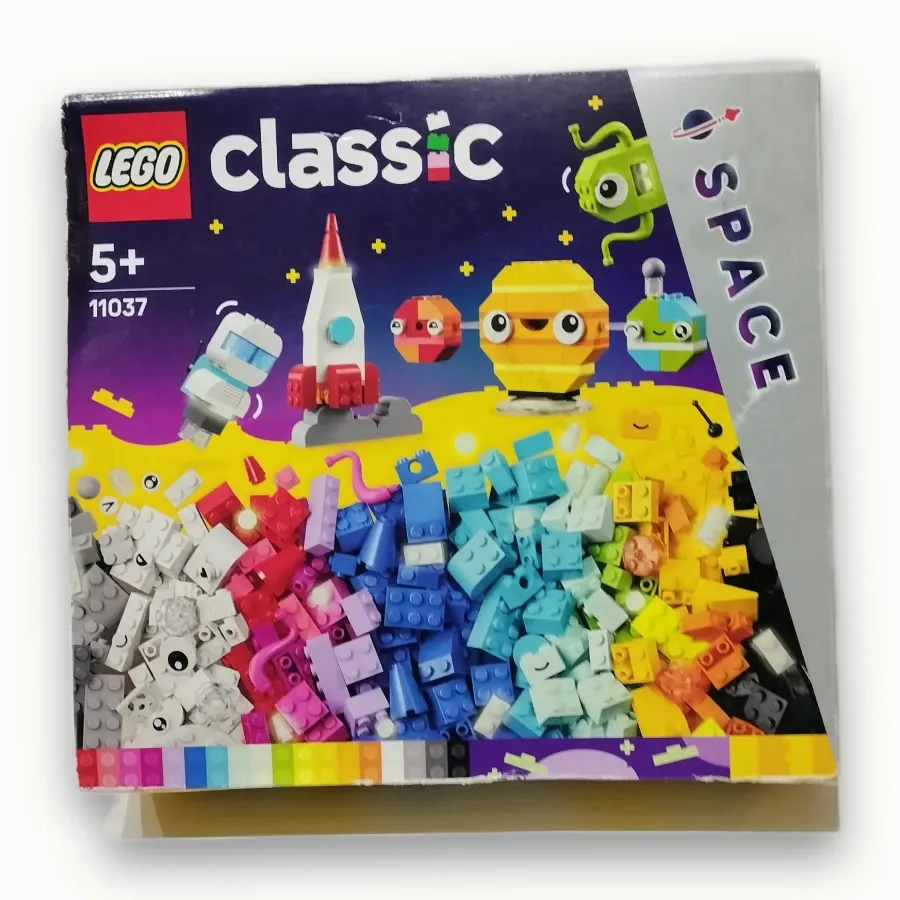
LEGO Classic Creative Space Planets 11037
25,00 €
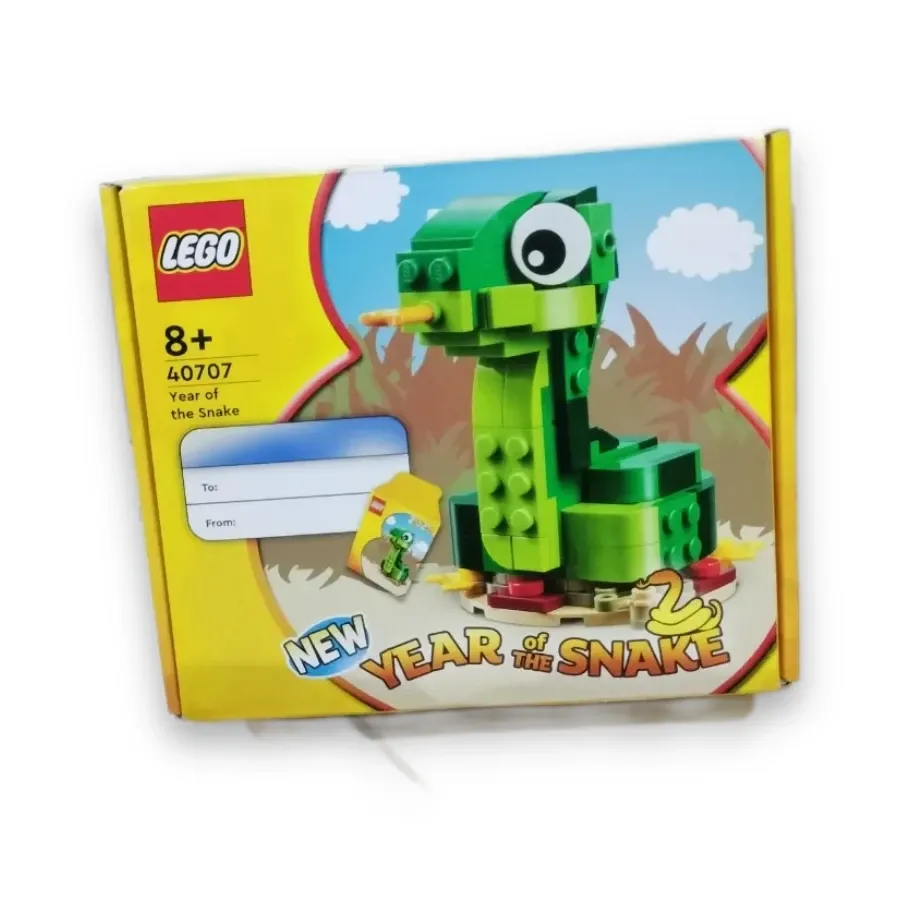
LEGO 40707 Year of the Snake
29,00 €
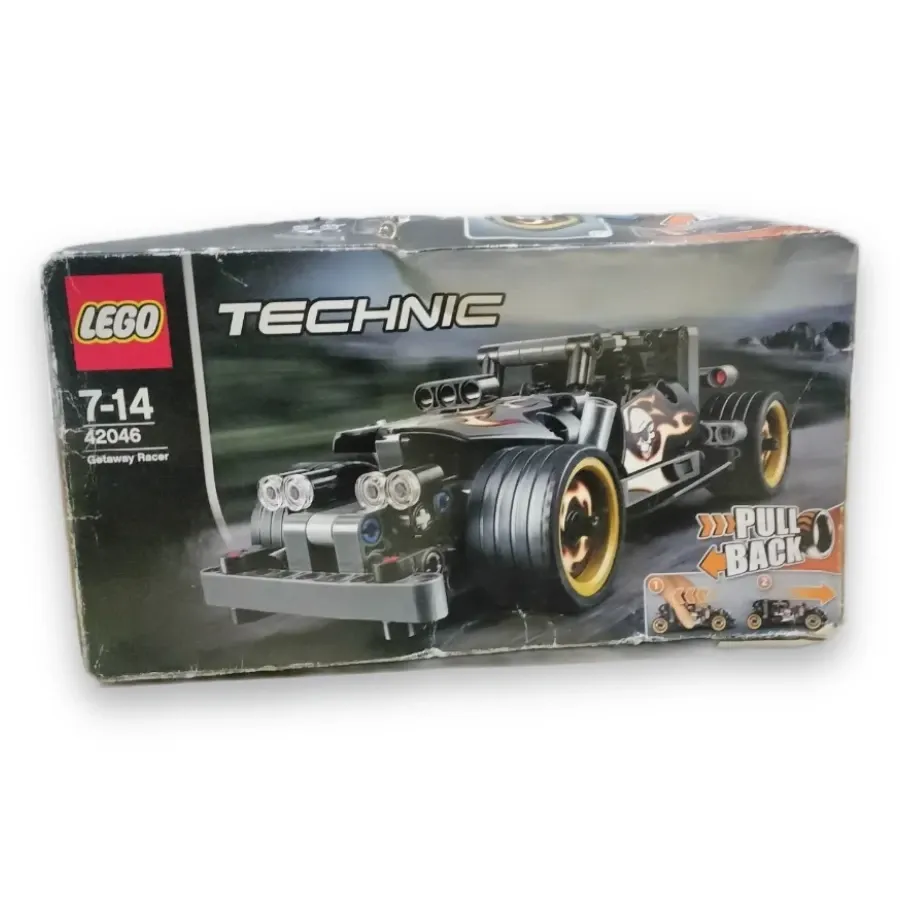
LEGO Technic 42046 Getaway Racer Retired set
35,00 €
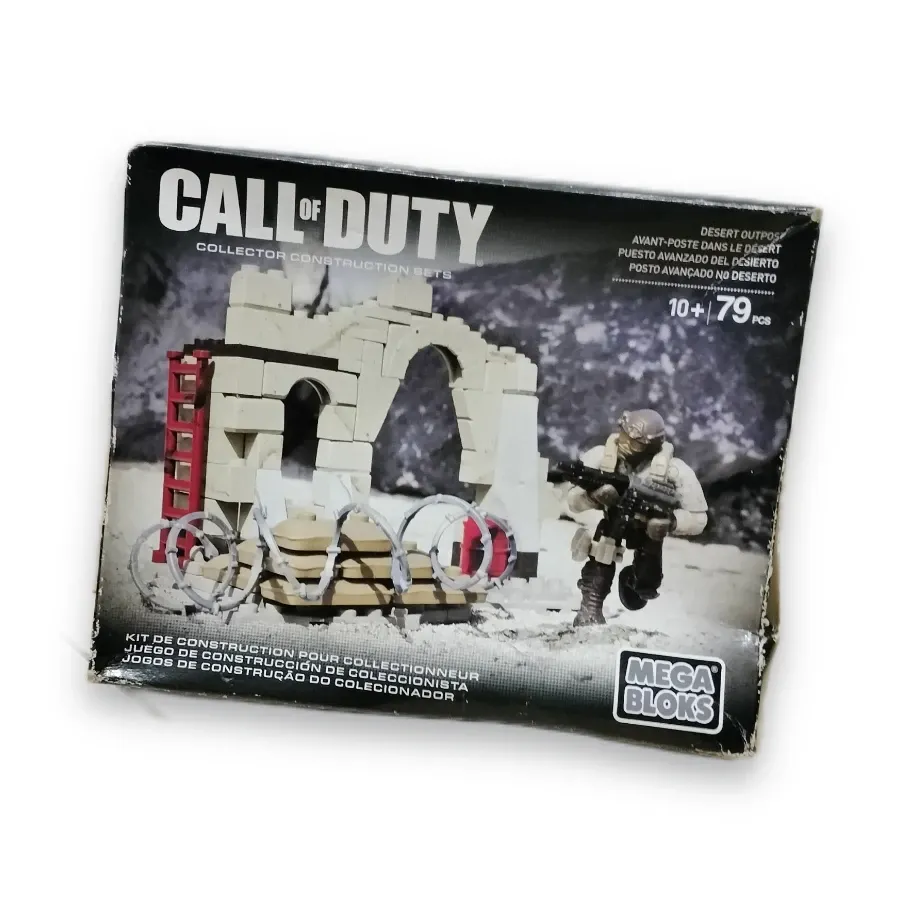
Mega Bloks Call of Duty Desert Outpost DCL15 / 06846
39,00 €
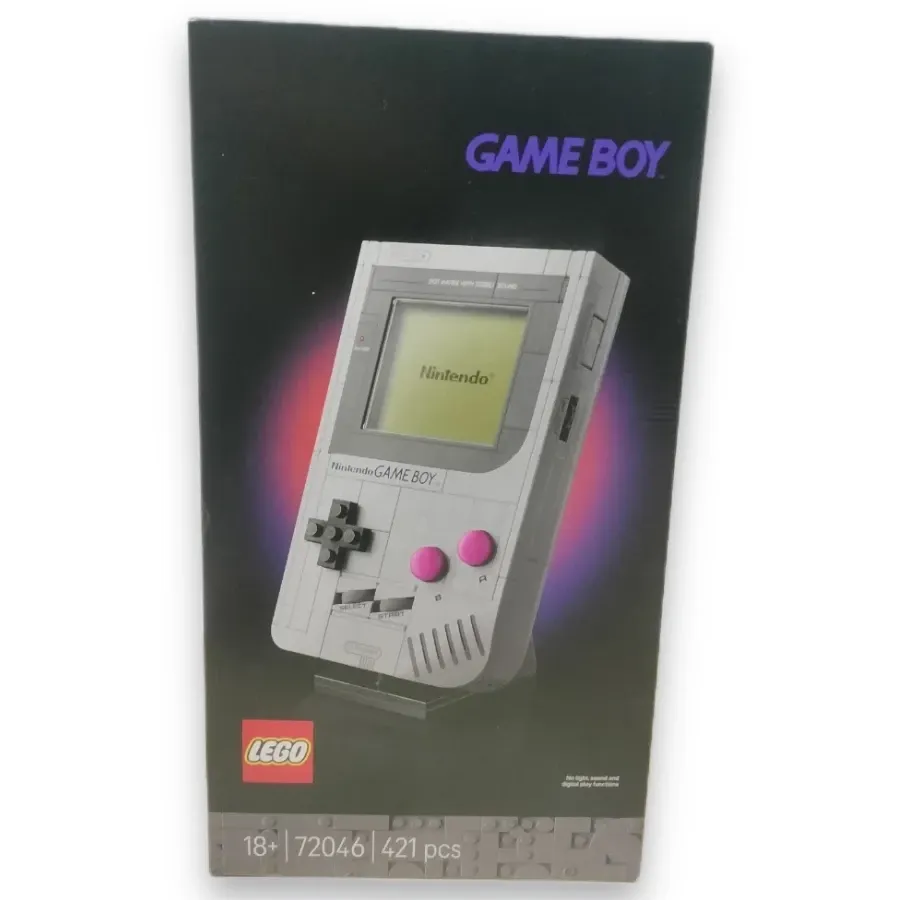
LEGO Nintendo Game Boy 72046
55,00 €
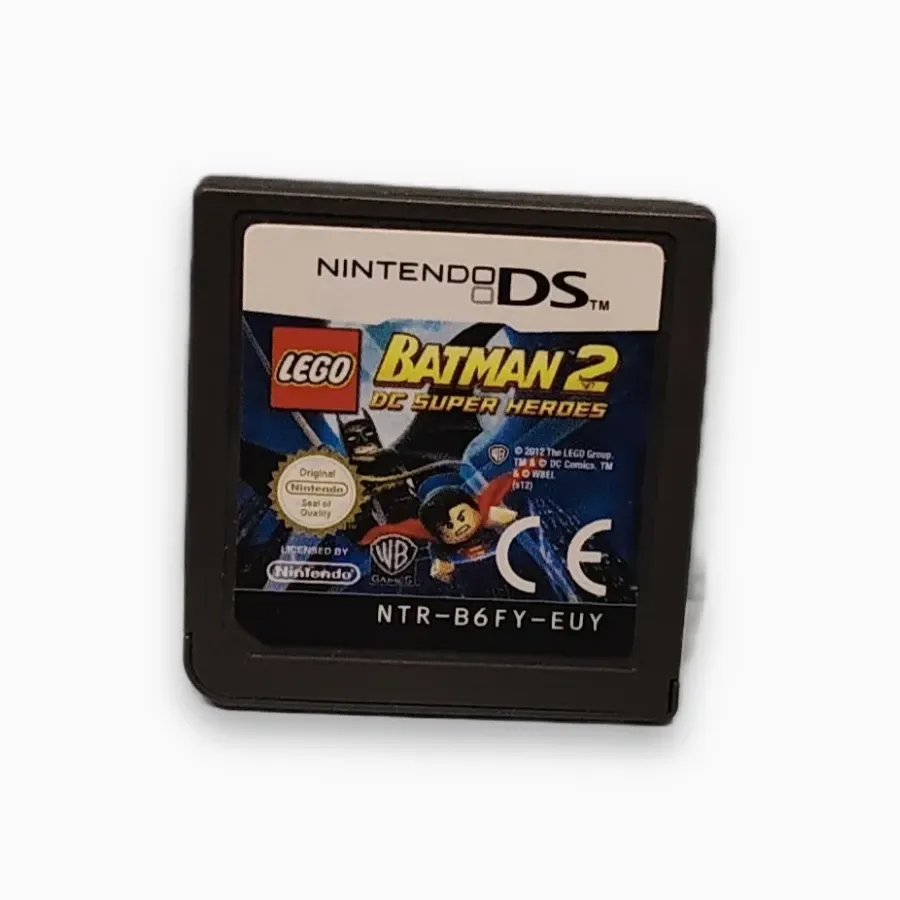
LEGO Batman 2: DC Super Heroes Nintendo DS
5,00 €
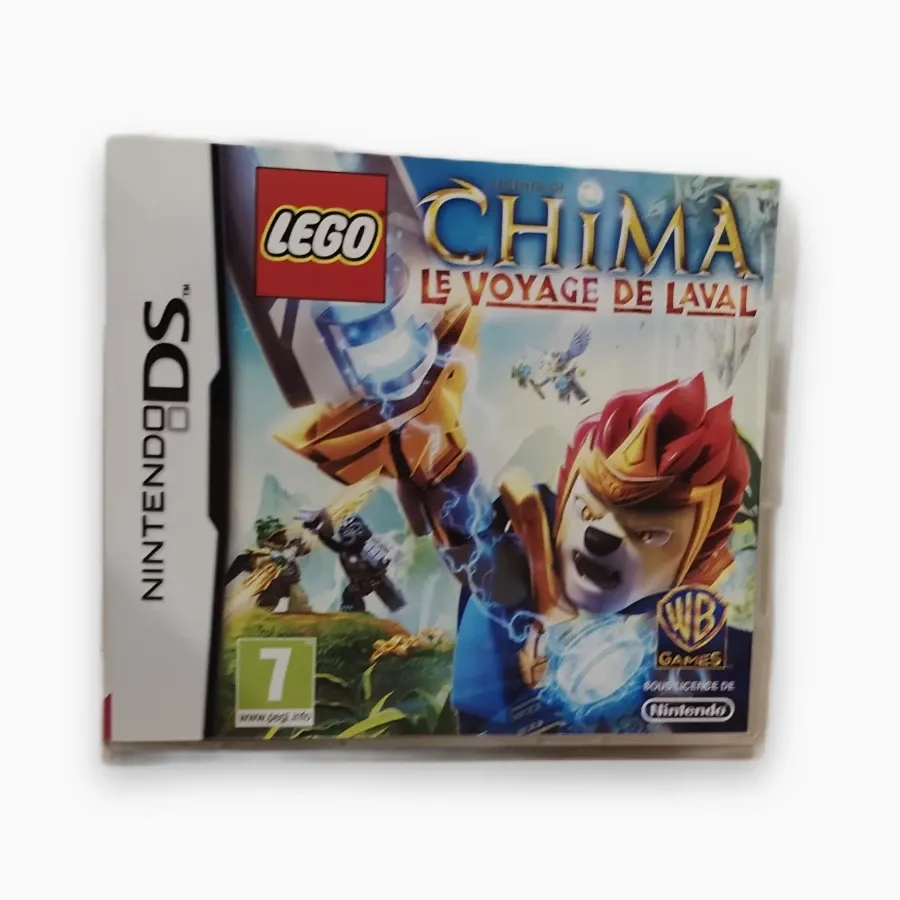
LEGO Legends of Chima: Laval's Journey - Nintendo DS (French Version)
7,00 €
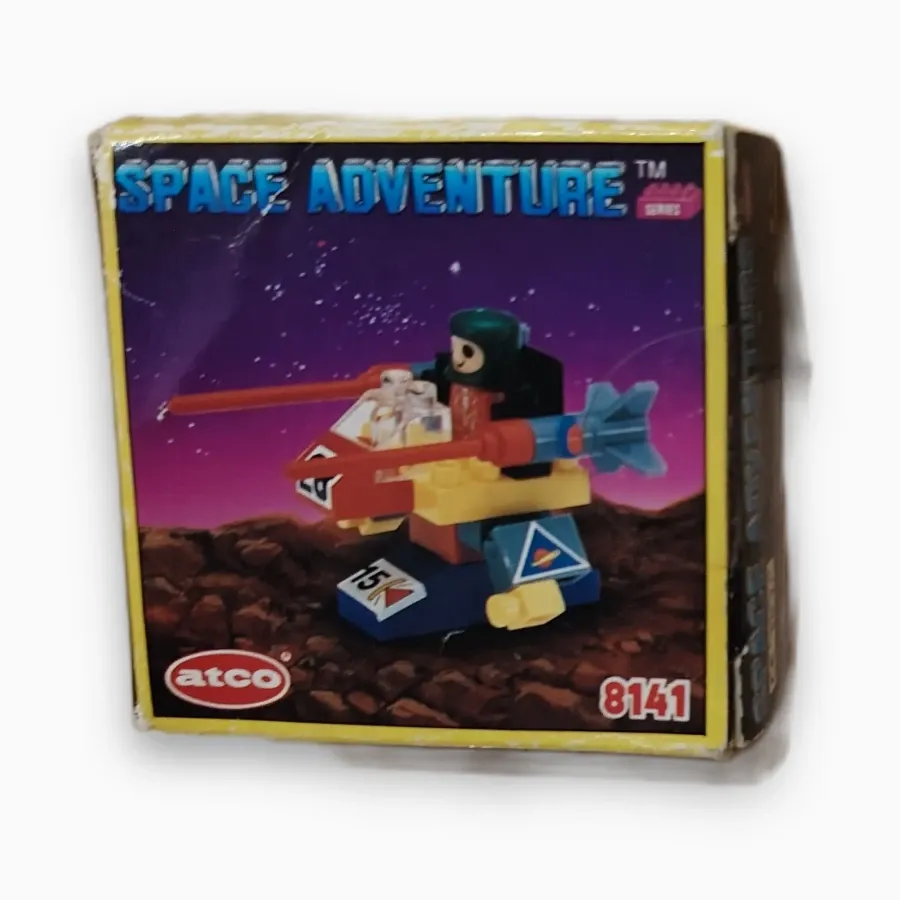
Atco Space Adventure 8141 — Building Blocks Set
12,00 €
Atco Space Adventure 8141 — Vintage Building Set
12,00 €
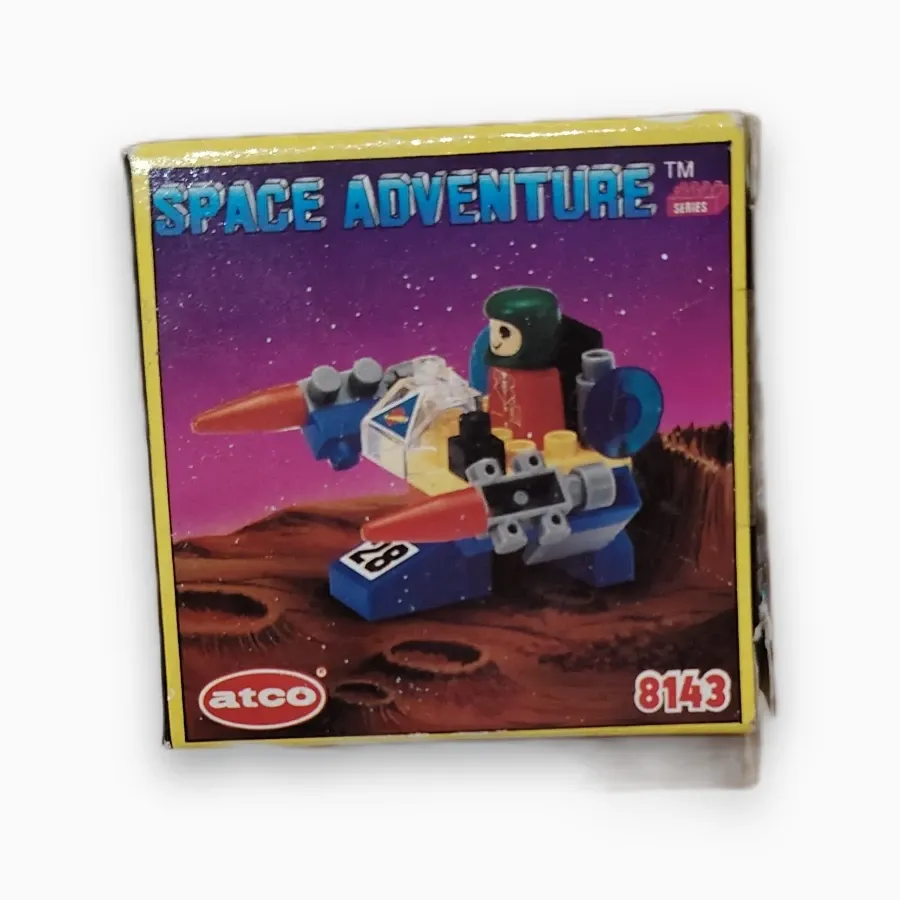
ATCO Space Adventure 8143 Building Block Set
15,00 €