
The collector's edition
How to Sell Your LEGO Collection for a Good Price
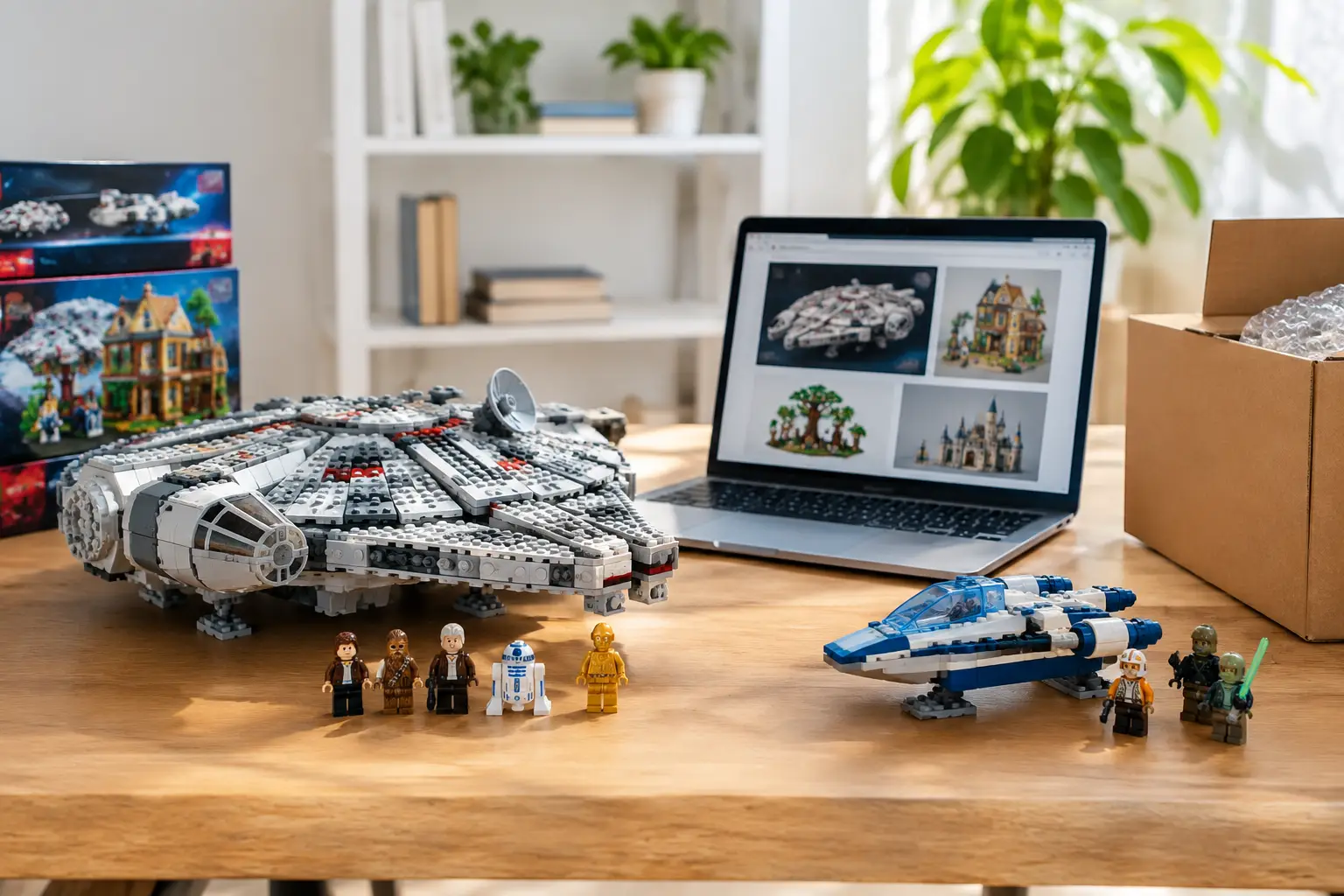
A box of loose bricks, a few assembled models, and a folder of instructions might look like an ordinary clear-out. But for a LEGO collector, the difference between “mixed parts” and a “complete set with instructions” can often be worth hundreds of leva. If you’re wondering how to sell your LEGO collection, don’t start with one general photo and a guess at the price. First establish exactly what you own — with LEGO, the value is in the details.
How to sell your LEGO collection without devaluing it
One of the most common mistakes is listing all the sets together as one bag or box. It saves time, but almost always results in a lower price. The buyer takes on the risk of missing parts, non-original minifigures, or models that cannot be assembled. Naturally, they will factor that risk into their offer.
If you have time, sort the collection by theme and set. LEGO Star Wars, Technic, Icons, Ideas, Creator Expert, Harry Potter, City, and Ninjago each have a different audience and market dynamics. An old Star Wars ship with minifigures shouldn’t get lost in a general listing alongside fire engines and dozens of random pieces.
Look for the set number. It is usually on the box, in the instructions, or on the first pages of the booklet. This is the surest way to identify the exact version, year, and original contents. Names like “big castle” or “spaceship” may be convenient in conversation at home, but they don’t tell the buyer exactly what they’ll receive.
Selling individually or as a bundle
Selling sets individually usually brings the best overall value, especially if the models are complete and in good condition. However, this takes time for sorting and checking, as well as more conversations with potential buyers.
A bundle is a good choice if the collection is large, consists mostly of common and incomplete sets, or you simply want to clear space quickly. In that case, be precise in the title: “LEGO City bundle, mixed sets, with instructions, completeness unchecked” gives much more information than “huge LEGO collection.”
A good compromise is to separate the most sought-after models, rare minifigures, and sealed sets, then offer the remaining pieces in themed bundles. For example, Technic parts, LEGO Friends pieces, or mixed bricks by the kilogram can be listed separately. That way, buyers looking for a collector’s set don’t also pay for things they don’t want.
Valuing LEGO sets: what raises the price
Age alone doesn’t make a set valuable. Demand, condition, completeness, and the specific edition matter much more. A set that is no longer in production may increase in value, but only if enough people are looking for it. A common, incomplete model with yellowed parts doesn’t automatically become expensive just because it’s from the ’90s.
Sealed boxes are usually in a category of their own. Buyers look not only at whether the seals are intact, but also at whether the box is dented or faded, has torn edges, or shows sticker marks. With collectible LEGO, the box is part of the item, not packaging to be thrown away.
For opened sets, completeness and good condition are most valuable. The original box, instructions, stickers, spare parts, and all minifigures can make a noticeable difference to the price. Minifigures are especially important in licensed themes — Star Wars, Marvel, DC, and Harry Potter. A missing helmet, cape, weapon, or unique head can be decisive for a fan looking for a specific version.
Don’t use the highest online asking price as your guide. It shows what the seller wants; it doesn’t prove the set sold for that amount. Compare several current listings in similar condition and consider whether your set has its box and instructions and has been checked for completeness. If you want to sell quickly, set a reasonable price below that of a perfect, complete example. If the set is rare and in excellent condition, don’t sell it too cheaply just because you’re impatient.
Verified completeness or “as pictured”
“100% complete set” and “the model looks assembled” don’t mean the same thing. If you haven’t checked every piece against the official parts list, don’t promise that the set is complete. For example, write: “Assembled and visually checked; small parts may be missing” or “Checked against the inventory; two parts missing.” Accurate information doesn’t put serious buyers off — it protects them from an unpleasant surprise.
Checking a large model takes time, but it’s worth it. Carefully take it apart on a clean table, sort the pieces by type and color, and keep track of the inventory. You don’t need to turn the job into a museum restoration, but you should be able to back up your description with facts.
Photos that inspire confidence
For a used LEGO set, photos serve as evidence. Take them in daylight, against a neutral background, and without heavy filters. In the first photo, show the entire assembled model or everything included in the set. Then add close-ups of the minifigures, instructions, box, and any flaws.
Show any yellowing, crack around a stud, scratched print, or missing part. A hidden defect almost always leads to a dispute, a refusal, or a bad experience for both sides. Check transparent pieces for scratches and cracks, and white, light gray, and light blue pieces for color changes.
Avoid photos on the floor, on a cluttered desk, or beside someone else’s toys. The collection doesn’t need to look sterile, but buyers should immediately understand what the listing includes. If you’re selling several sets, take a separate photo of each and describe it clearly.
Write your listing like a collector, not someone clearing out the basement
A good title includes the theme, the set name or number, and the key information about its condition. For example: “LEGO Star Wars 75304 Darth Vader Helmet — complete, with instructions and box.” That way, anyone looking for this exact model will recognize it immediately.
In the description, specify what’s included, whether the set is original, whether it was assembled in a smoke-free home, whether there are pets, and whether the pieces have been cleaned. Not every detail is essential, but it’s useful to mention it if it could affect the buyer’s decision. If you’re taking the model apart for shipping, say so in advance.
Don’t call every old set “rare.” Instead, use verifiable descriptions: retired, complete set, with original box, two parts missing, sealed, or with slight signs of storage. Collectors prefer accurate information to marketing hype.
Prepare for a safe transaction and shipping
LEGO presents a few logistical challenges: it’s heavy, fragile when assembled, and easy to scatter. If you’re shipping an assembled model, remove the most delicate sections, antennas, wings, and small decorative pieces. Put them in a separate bag and label it. For more complex sets, it’s often safer to take the model apart into several large modules.
Put the minifigures and accessories in separate bags. Place the instructions in stiff cardboard or a folder so they don’t get bent. If the box is included in the sale, don’t use it as the shipping box without extra protection. An outer box and packing material are essential.
Choose a place to sell where listings can be specific and buyers expect real photos, clear condition details, and normal communication. In a specialized catalog like KPZ, a LEGO set won’t get lost among random furniture and electronics; it reaches people who understand why the instructions, a minifigure, or a well-preserved box matter. Payment on delivery also offers peace of mind when the parties don’t know each other.
Don’t rush to accept the first offer, but don’t take every question as a personal judgment of your collection either. It’s perfectly normal for a buyer to ask about missing parts, the condition of the minifigures, and the set’s origin. Answer specifically, send an extra photo if needed, and keep communication clear.
A LEGO collection takes hours of choosing and building to put together, and sometimes a good dose of nostalgia too. Sell it so the next owner gets exactly what they expect, and you know its value hasn’t disappeared into a hastily filled box. Buy. Sell. Trade.
Find it at KPZ
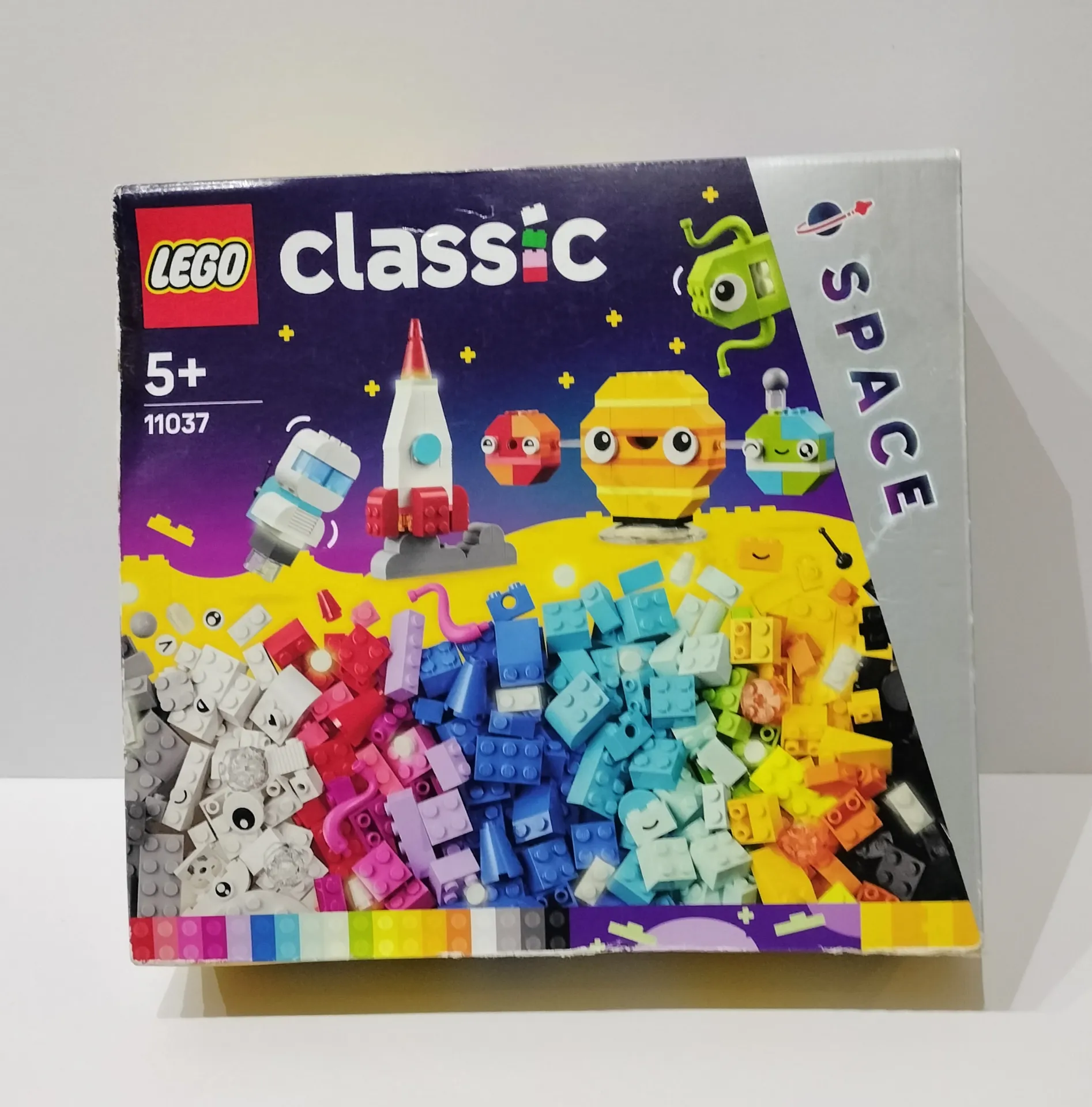
LEGO Classic Creative Space Planets 11037
25,00 €
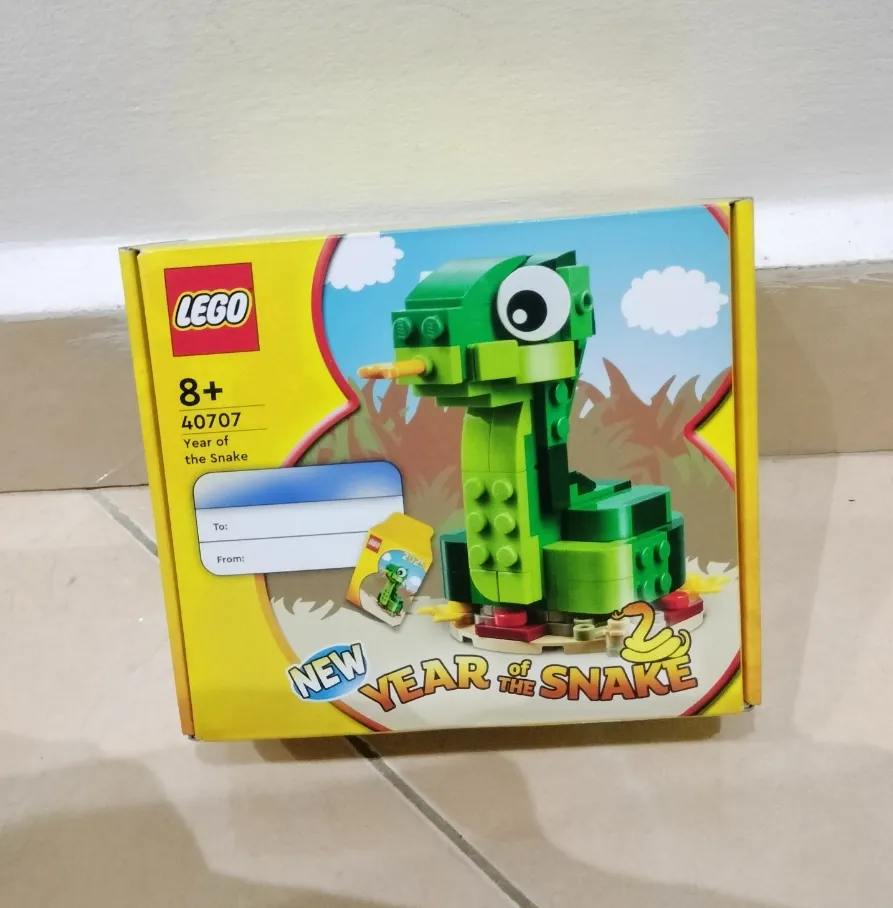
LEGO 40707 Year of the Snake
29,00 €
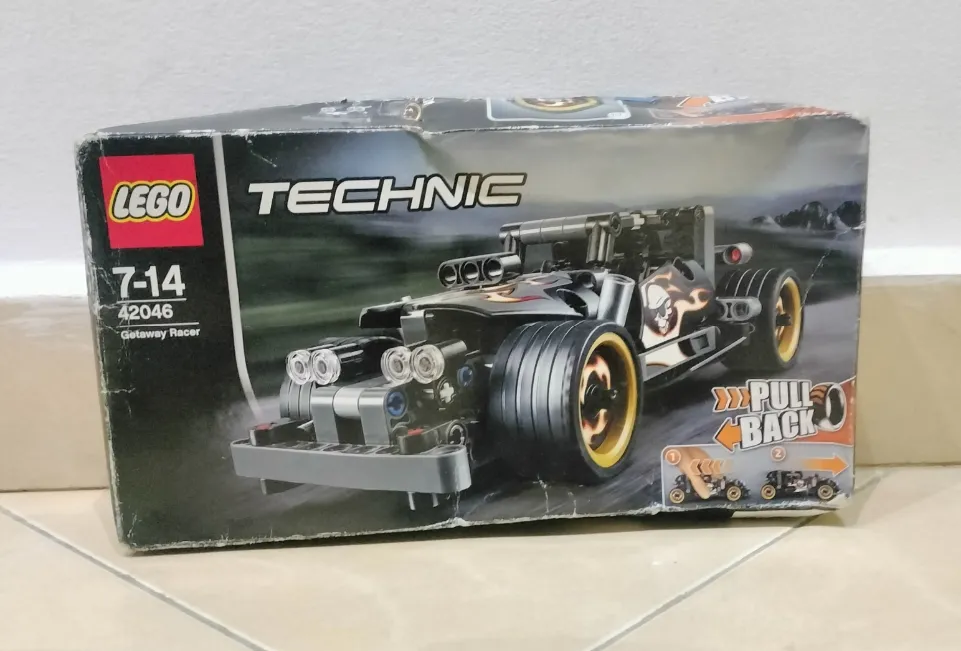
LEGO Technic 42046 Getaway Racer Retired set
35,00 €
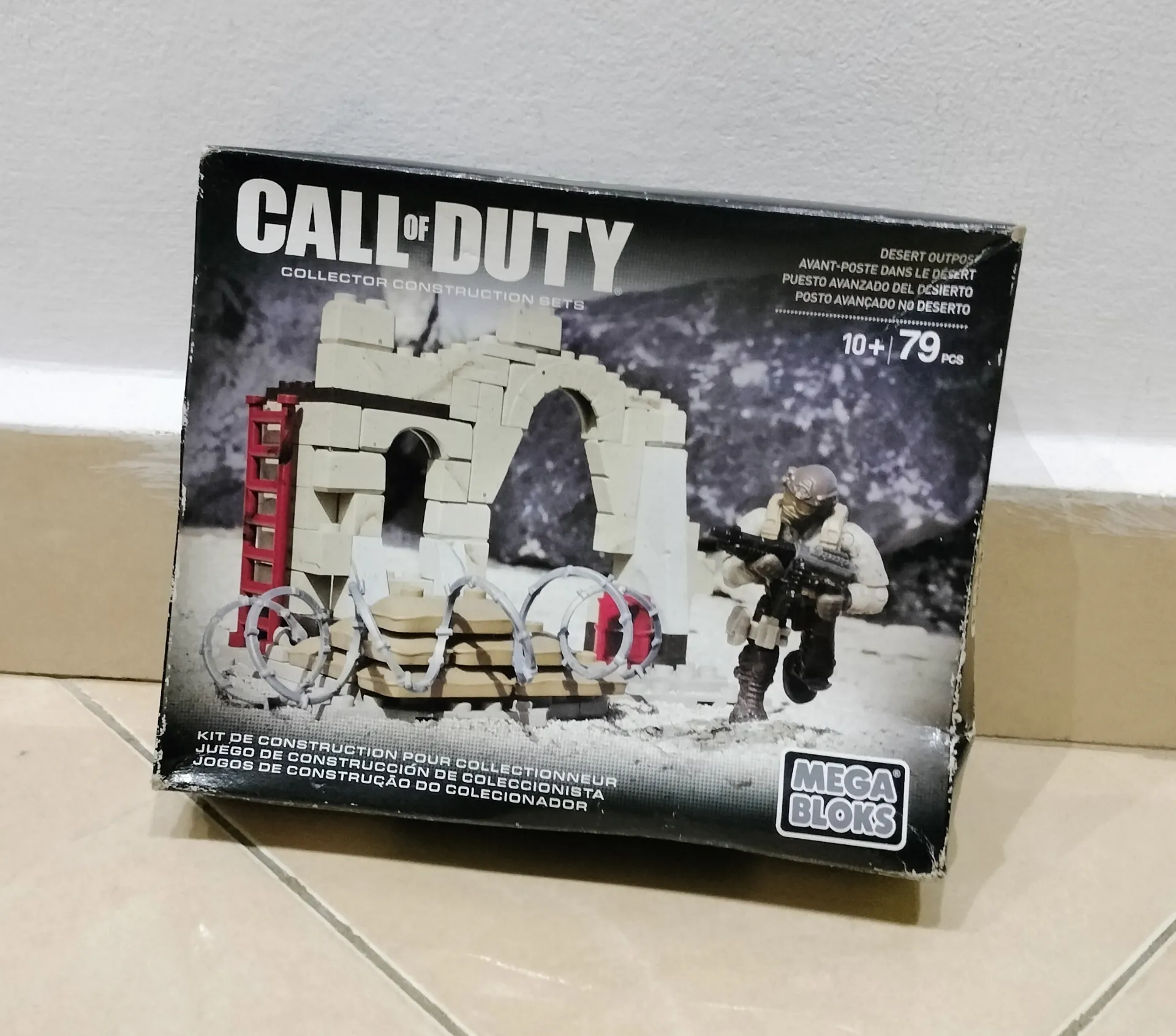
Mega Bloks Call of Duty Desert Outpost DCL15 / 06846
39,00 €
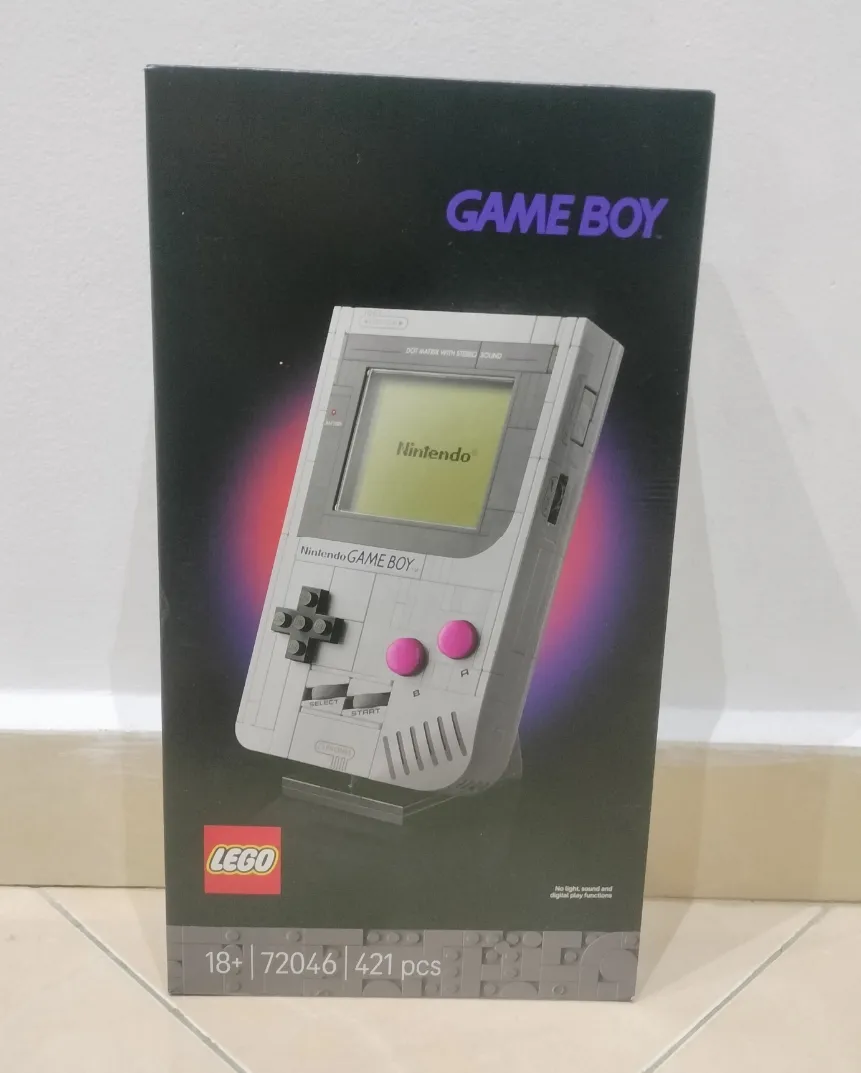
LEGO Nintendo Game Boy 72046
55,00 €
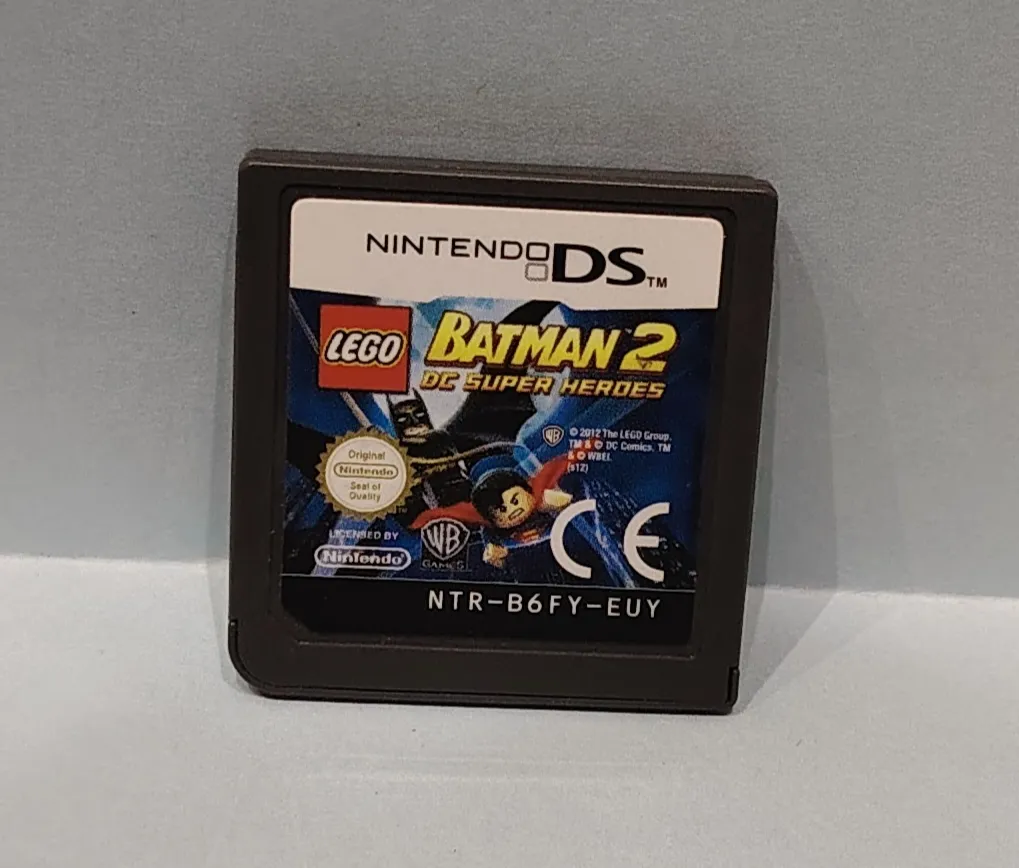
LEGO Batman 2: DC Super Heroes Nintendo DS
5,00 €
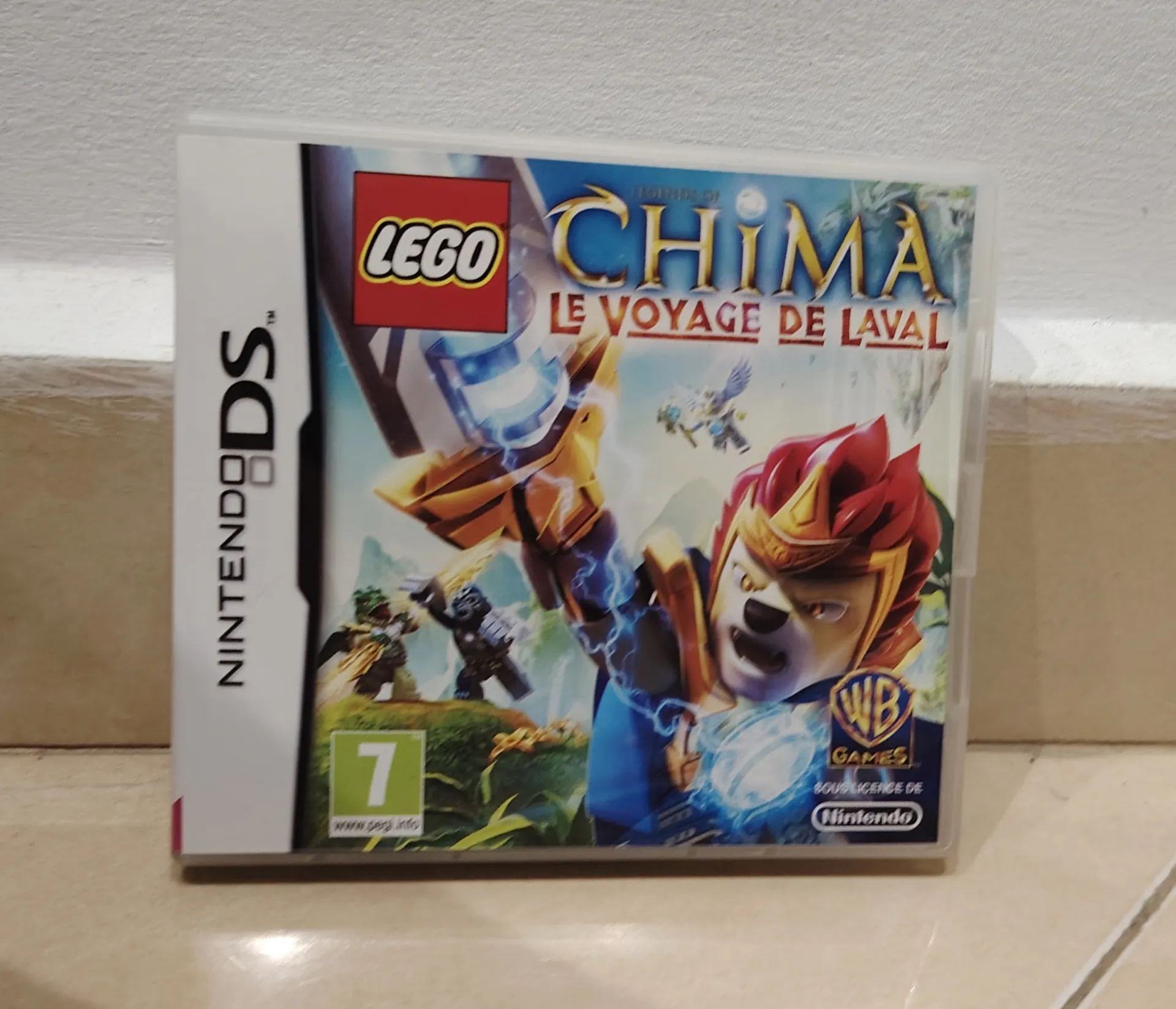
LEGO Legends of Chima: Laval's Journey - Nintendo DS (French Version)
7,00 €
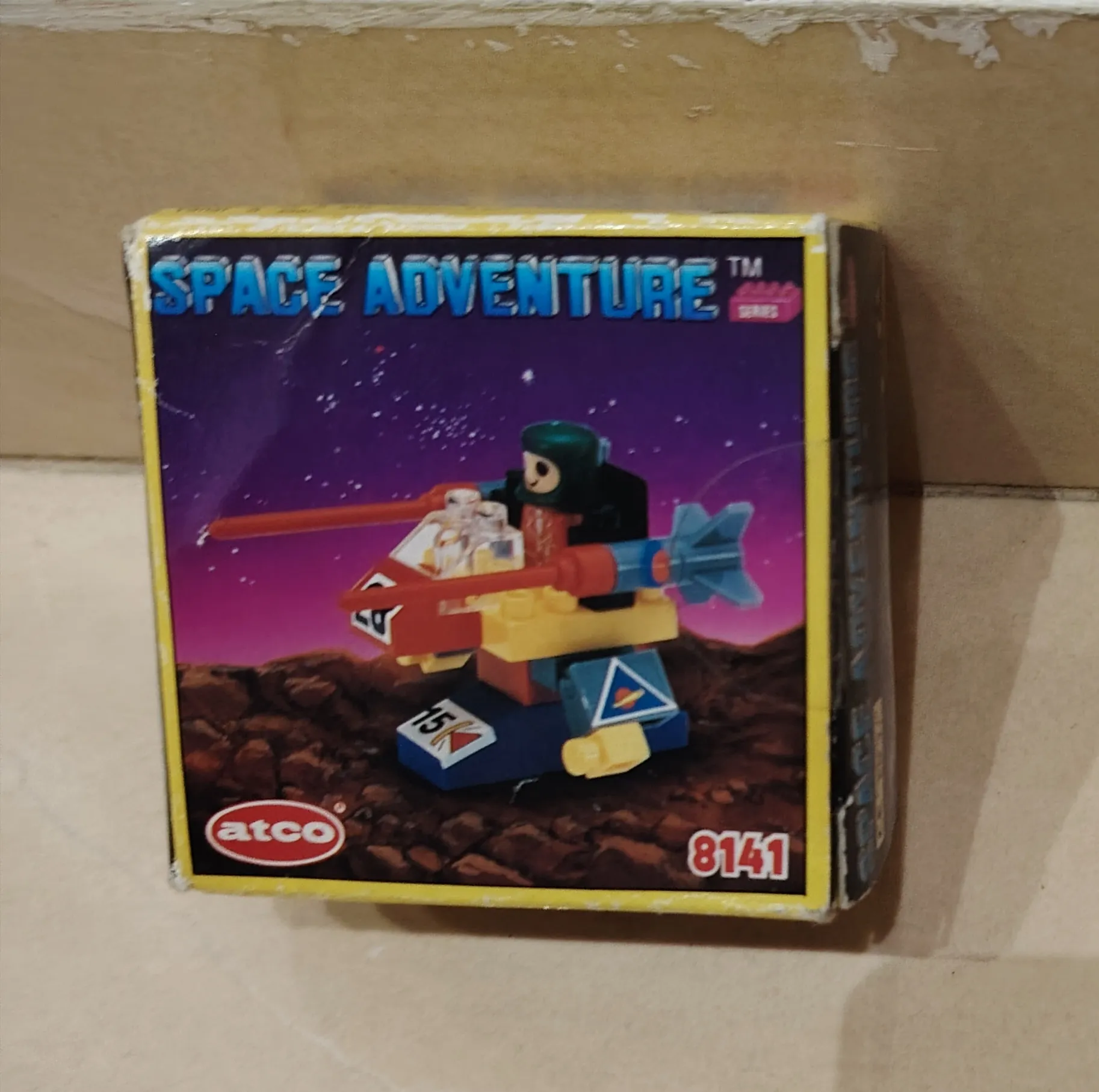
Atco Space Adventure 8141 — Building Blocks Set
12,00 €
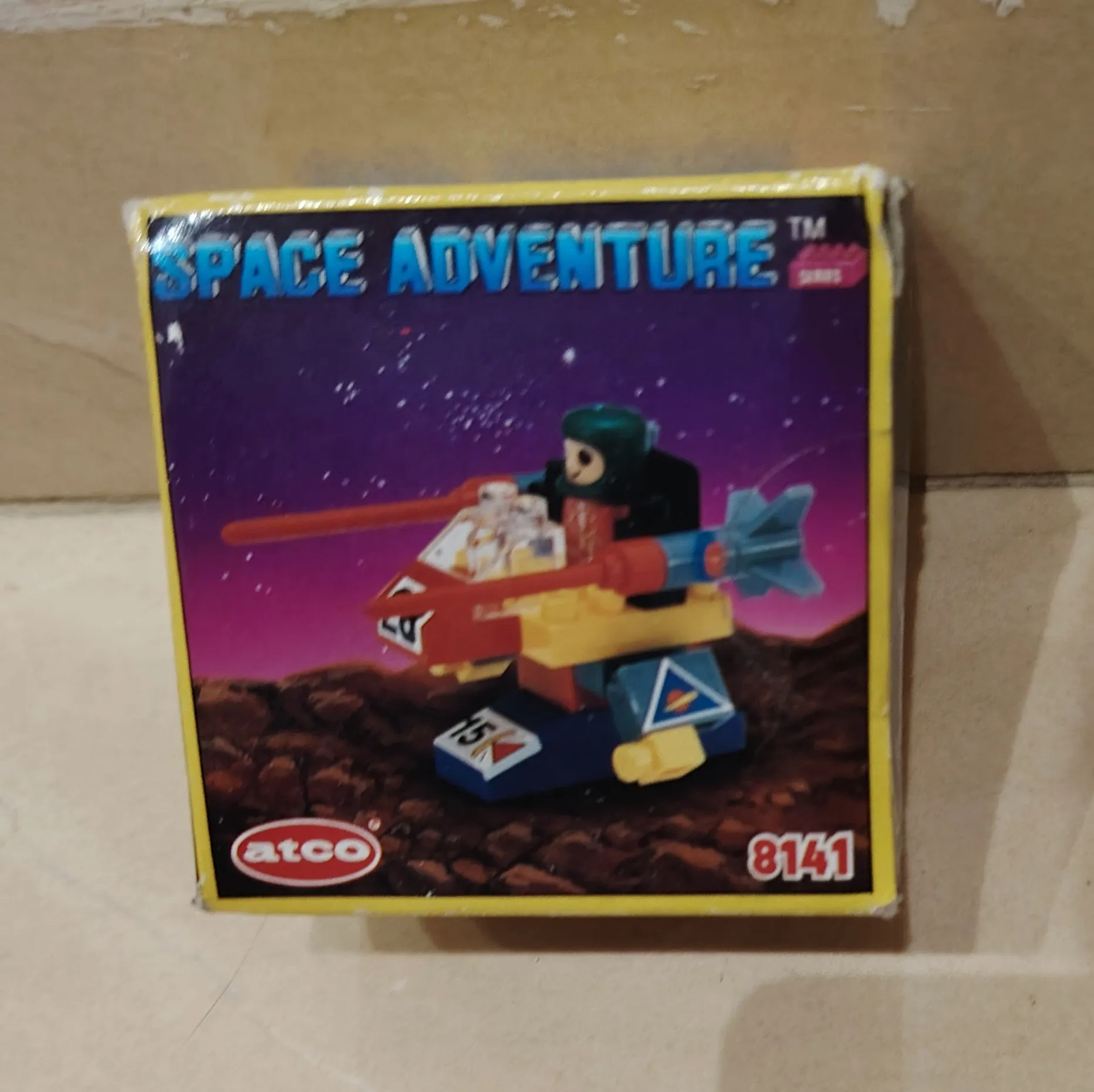
Atco Space Adventure 8141 — Vintage Building Set
12,00 €
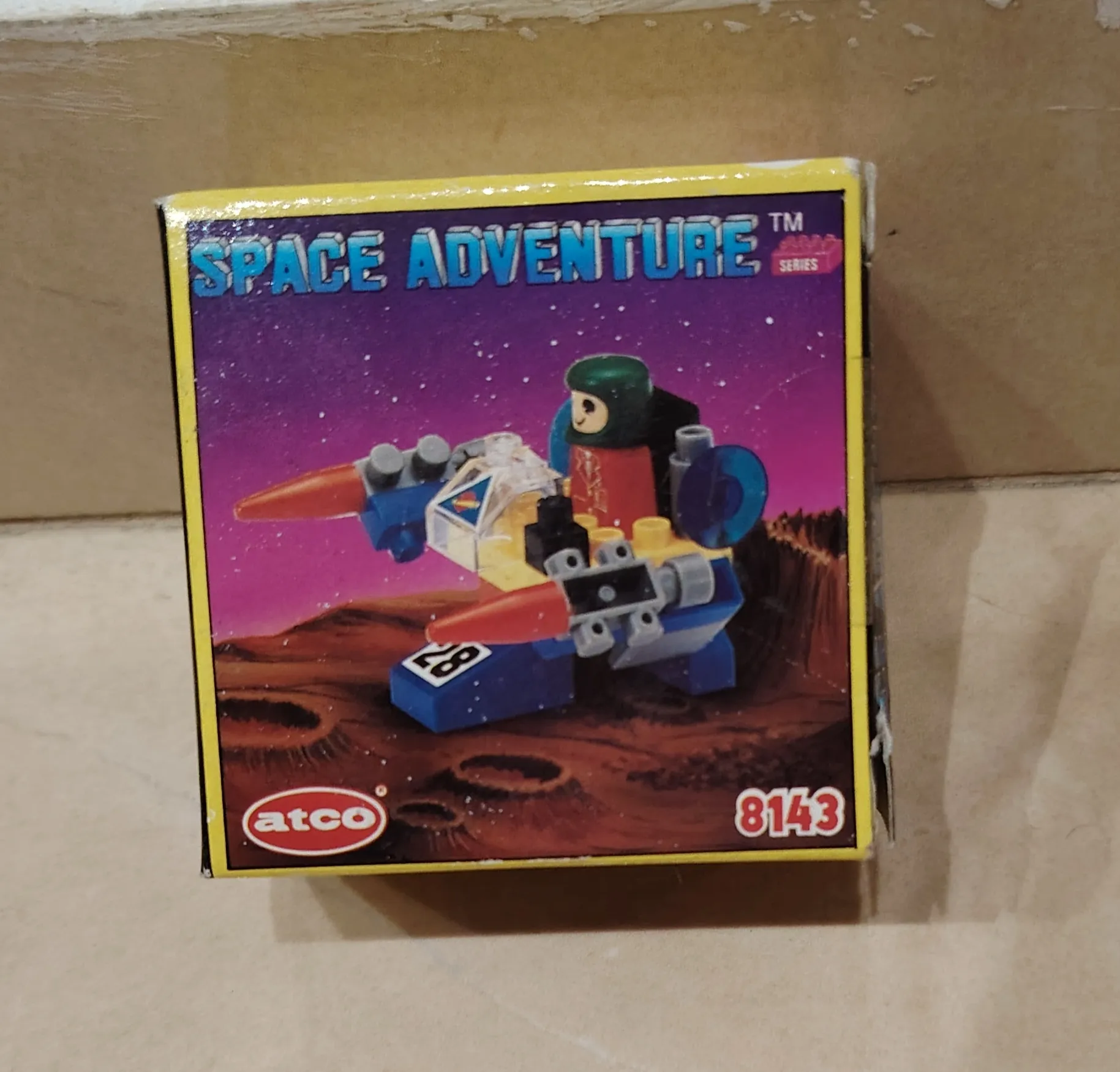
ATCO Space Adventure 8143 Building Block Set
15,00 €