
The collector's edition
How to Determine the Value of Valuable Pokémon Cards
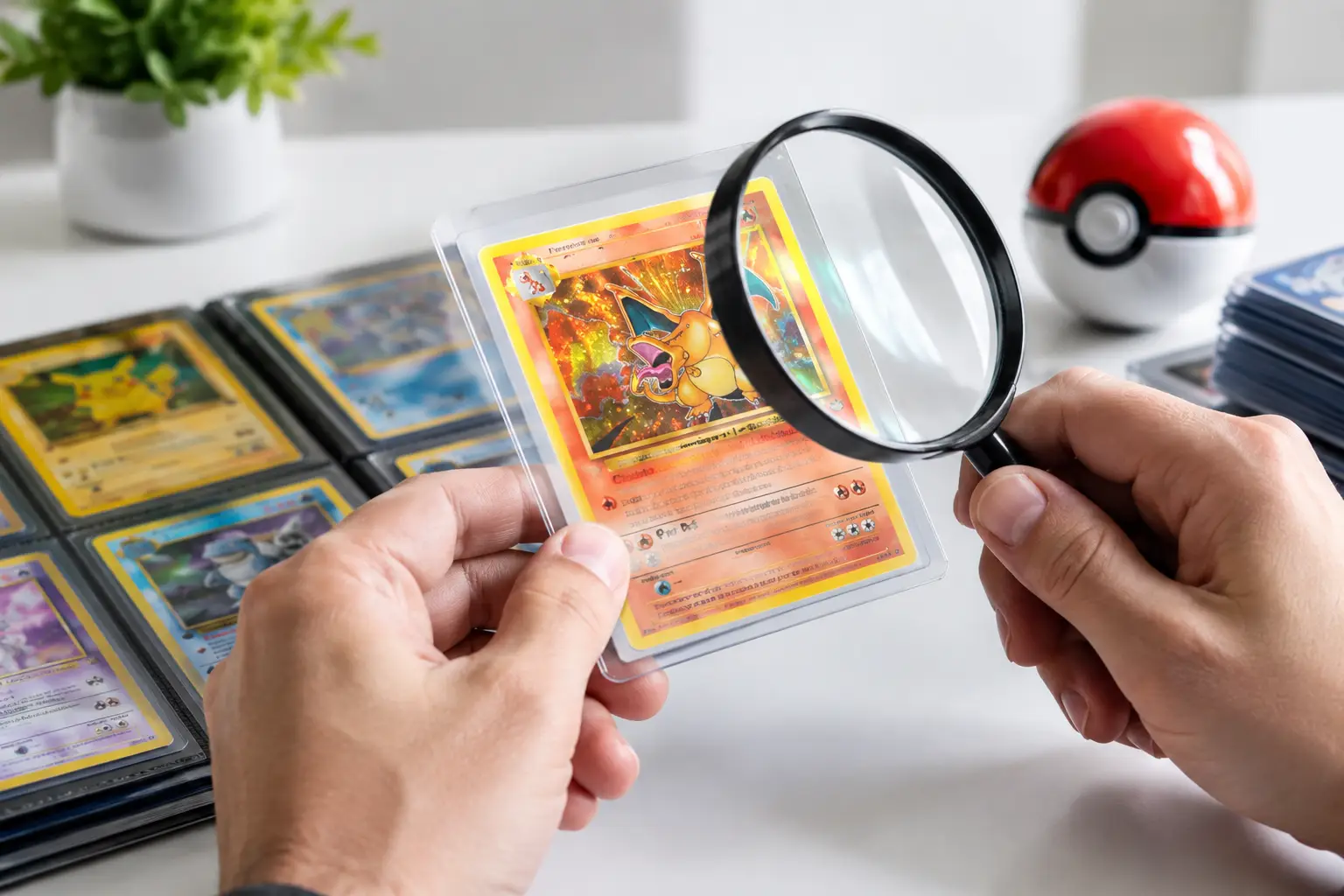
A Charizard card doesn’t automatically become valuable just because of its name. The value of a Pokémon card often depends on small details: the exact set, rarity symbol, language, card number, print centering, and even slight whitening along the edge. That’s why two cards that look almost identical can have very different prices.
Pokémon TCG combines gameplay, nostalgia, and a market with its own clear rules. Whether you’re looking for a great find, assessing an old binder, or selling a personal collection, don’t set the price based on a photo of some random Charizard. Consider the edition, condition, and demand together.
What Determines a Pokémon Card’s Value
The simplest guide is a combination of rarity, demand, and condition. Usually, none of these factors is enough on its own. A card may be old but printed in large quantities and poorly preserved. Another may be relatively new but hard to pull, feature a popular character, and be in active demand among players and collectors.
Start by checking the set. The expansion name, small symbol, and number at the bottom show the card’s exact place in the series. For example, the number 203/197 doesn’t automatically mean there’s a printing error. It’s often a Secret Rare—a card numbered beyond the set’s official size. These variants may be highly sought after, but their price still depends on the specific Pokémon and print run.
Next, look at the rarity symbol. In older sets, a circle usually means common, a diamond means uncommon, and a star means rare. Modern series have more designations and card types: ex, V, VMAX, VSTAR, illustration rare, special illustration rare, full art, hyper rare, and promo cards. Shine doesn’t necessarily mean rarity, and rarity alone doesn’t guarantee a high price. Identify the exact version before you value the card.
The Pokémon’s popularity matters too. Charizard, Pikachu, Umbreon, Gengar, Lugia, Rayquaza, and Eeveelutions often enjoy strong demand. That doesn’t make every card featuring these characters valuable, but their popularity can raise the price of a rare variant compared with a similar card from the same set.
The Edition Matters More Than the Year
The year is a useful starting point, but it isn’t a valuation. A card from 1999 isn’t necessarily worth more than one from 2024. What matters is the specific edition you have, as well as how many copies have survived in good condition.
With early English sets, collectors distinguish between Base Set, Jungle, Fossil, and later WOTC releases. First Edition and Shadowless variants deserve particular attention. The First Edition stamp is clearly visible, while Shadowless cards from early Base Set are identified by the lack of a shadow to the right of the illustration. The difference may look minor, but it can significantly change the price.
Japanese cards are a category of their own, not simply “the same card in another language.” Their designs, promo campaigns, distribution, and print runs are often different. Some Japanese promo cards were never released in English, while other Japanese versions are much more common. The language alone doesn’t make a card better or worse—it determines who might be interested in it and which cards you should compare it with.
Promo cards also need context. They may have been given out at tournaments, through magazines, at cinema events, at Pokémon Center, or in special boxes or sets. A widely distributed promo may be worth little. A regional event promo with limited distribution, on the other hand, may still be hard to find years later.
Condition Affects the Price More Than You Might Expect
With collectible cards, “owning it” and “owning it in excellent condition” mean two different things. A clean front isn’t enough. Inspect the card in good light, carefully remove it from its sleeve, and check the back too.
Near Mint usually describes a card with minimal signs of wear. A small white spot on the edge may be acceptable, but scratches on the holo area, creases, dents, moisture stains, or worn corners noticeably reduce its value. On more expensive cards, imperfect centering on the front matters too—especially if the buyer is considering professional grading.
Don’t list a card with visible edge wear as Mint just because it was kept in a sleeve. An accurate description helps you avoid disappointment and a returned shipment. When selling, include clear photos of the front and back, a close-up of the corners, and a separate photo of every flaw. If the card is more expensive, photograph the holo effect at an angle too, so any scratches are visible.
Cards in slabs, professionally graded by companies such as PSA, BGS, or CGC, have one added advantage: the buyer knows what was graded and in what condition. That doesn’t mean every card is worth paying to grade. For less expensive modern cards, fees, shipping, and waiting time may exceed the potential profit. Grading makes the most sense for rare cards in truly excellent condition.
How to Spot Fake Valuable Pokémon Cards
If an offer seems too good to be true, check the card before focusing on the price. Replicas are most commonly found among popular Charizard and Pikachu cards and rare alt-art cards, but not only those. Some counterfeits are immediately recognizable; others are convincing enough to fool a beginner collector.
Check the colors, font, text, and print quality. Blurry lettering, overly saturated colors, errors in names, or missing symbols are serious warning signs. On many fake cards, the holo effect is an even rainbow across the entire surface instead of the pattern characteristic of that specific edition. The back may be a different shade of blue, and the cardstock may be unusually thin or overly glossy.
Don’t tear, bend, or wet the card to test it. You could destroy a genuine card and still not get a reliable answer. It’s better to compare it with a confirmed genuine card from the same set, inspect it carefully, and buy from a seller who shows real photos. If any detail doesn’t match the specific version, ask for another photo instead of taking someone’s explanation on trust.
How to Buy and Sell Wisely
Before buying, look up the exact card number and version, not just the Pokémon’s name. “Umbreon card” could mean dozens of different cards—from a few leva to prices that call for serious scrutiny. Compare cards in similar condition: raw with raw, graded with the same grade, and one edition with the same edition.
When selling, don’t describe everything vaguely as “old Pokémon cards.” Specify the set, number, language, rarity, and actual condition. If you’re selling a binder, photograph the pages in order and note which cards are holo, reverse holo, promos, or have flaws. This will attract suitable buyers and shorten negotiations.
Proper storage also protects value. Put cards in penny sleeves, and place more valuable ones in a toploader or semi-rigid holder as well. Keep them away from direct sunlight, moisture, dust, and pressure. Don’t bind a stack of cards tightly with a rubber band, and don’t leave them loose in a box where they rub against one another. Small habits now help preserve their collectible value for years to come.
On a specialist marketplace like KPZ, a clear listing matters: real photos, the specific set, an accurate condition description, and a price that reflects the card’s version. That way, the deal is made between people who understand why a small symbol, the language, or a clean back can change everything.
The best card for your collection isn’t always the most expensive. It might be your favorite Pokémon in perfectly preserved reverse holo form, or a hard-to-find promo card from your childhood. Learn to spot the details, store your cards properly, and buy only when you know what’s behind the price. Buy. Sell. Trade.
Find it at KPZ
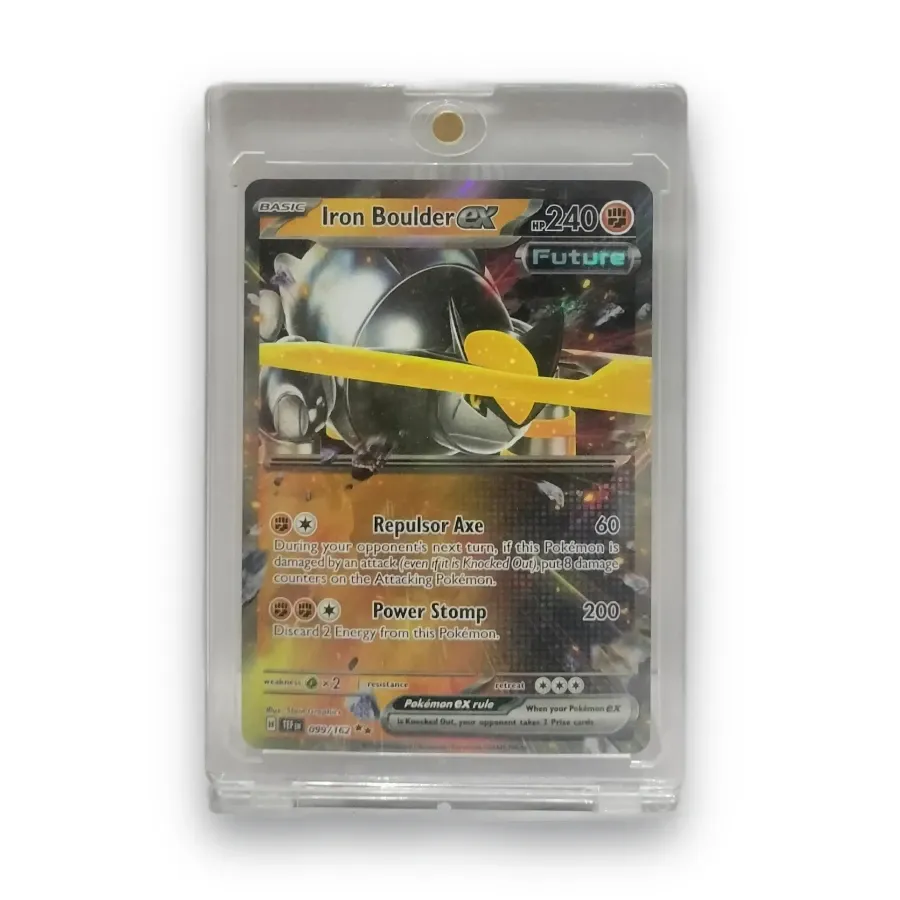
Iron Boulder ex 099/162 — Temporal Forces
0,50 €
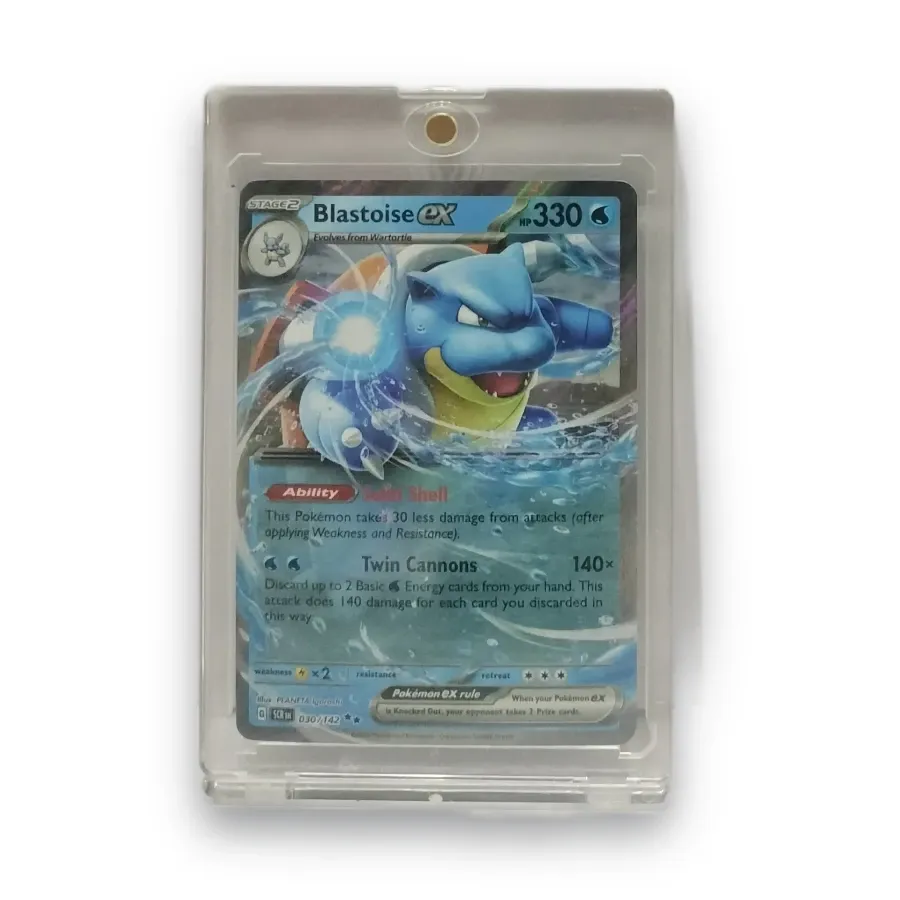
Pokémon TCG Blastoise ex 030/142 — Stellar Crown
2,00 €
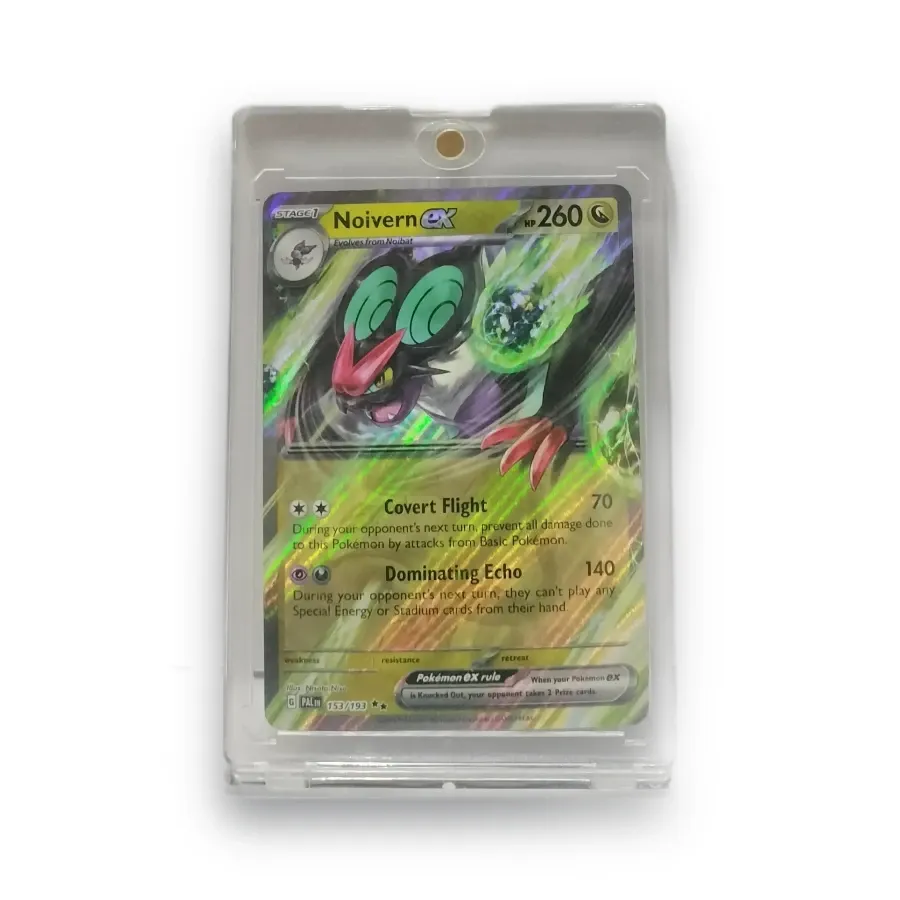
Pokémon Noivern ex 153/193 — Paldea Evolved
0,50 €
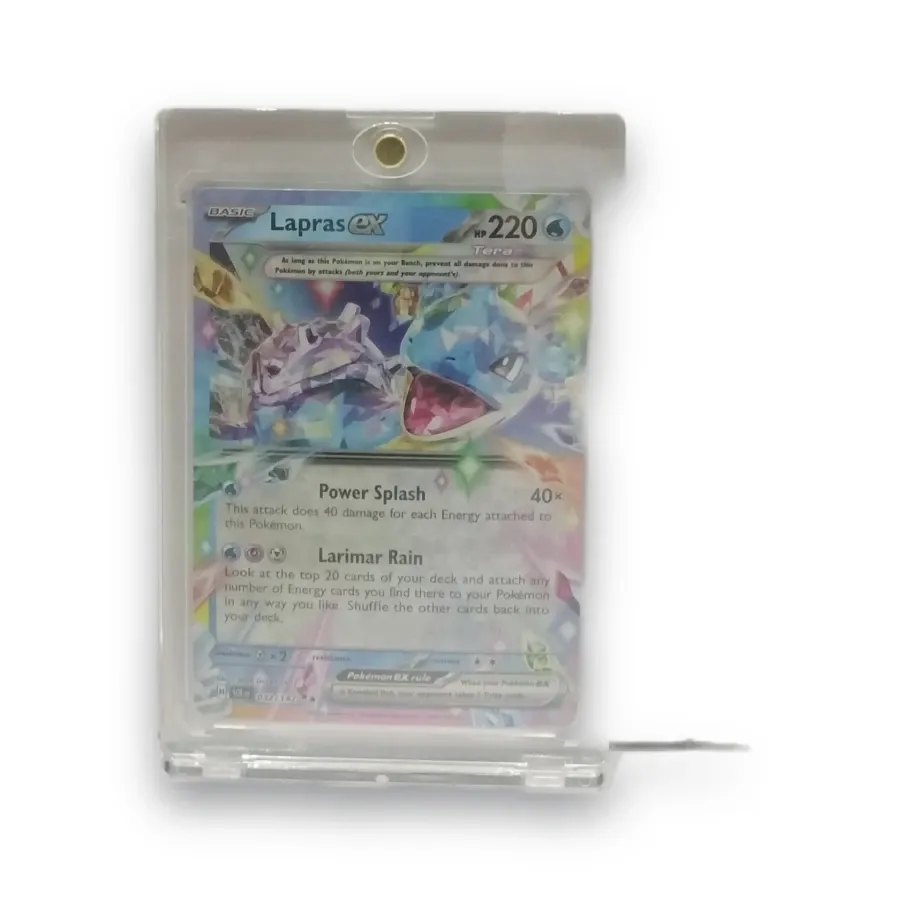
Pokémon TCG Lapras ex 158/142 — Stellar Crown
1,00 €

Pokémon Psyduck Wicked Cool Toys Plush
9,00 €

Pokémon TCG Battle Academy 2022 — Pikachu, Eevee & Cinderace V
28,00 €
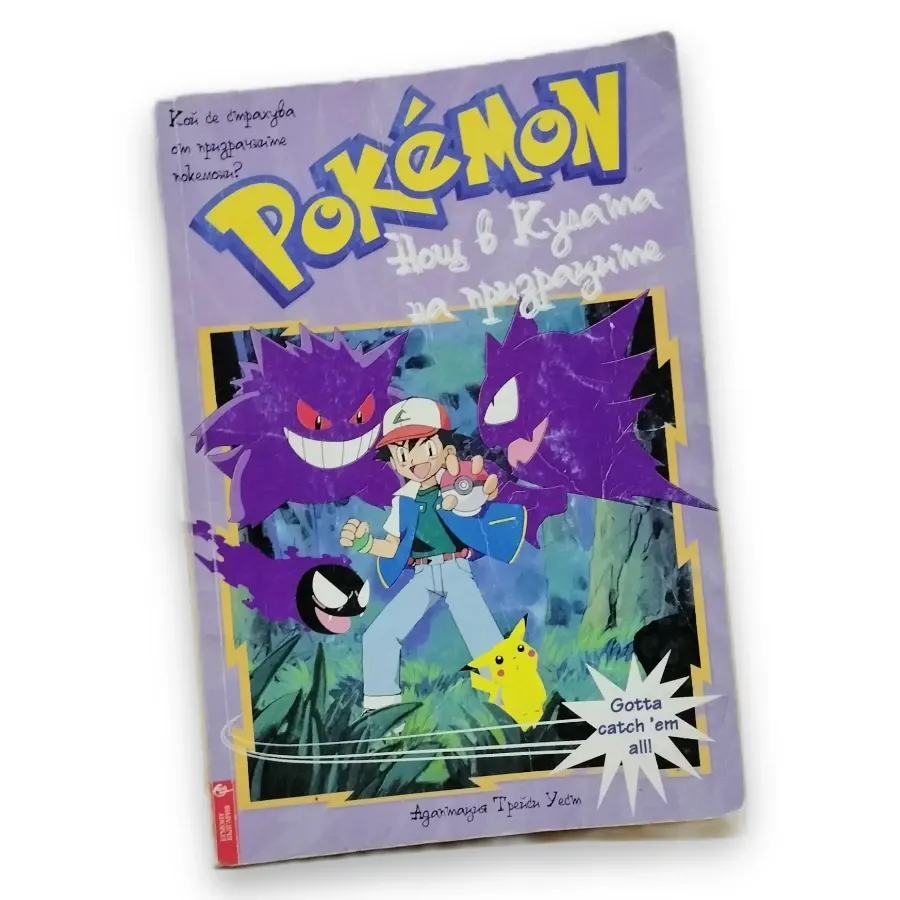
Pokémon: Show at the Ghost Tower
7,00 €

Pokémon Pikachu Plush with Tag
12,00 €
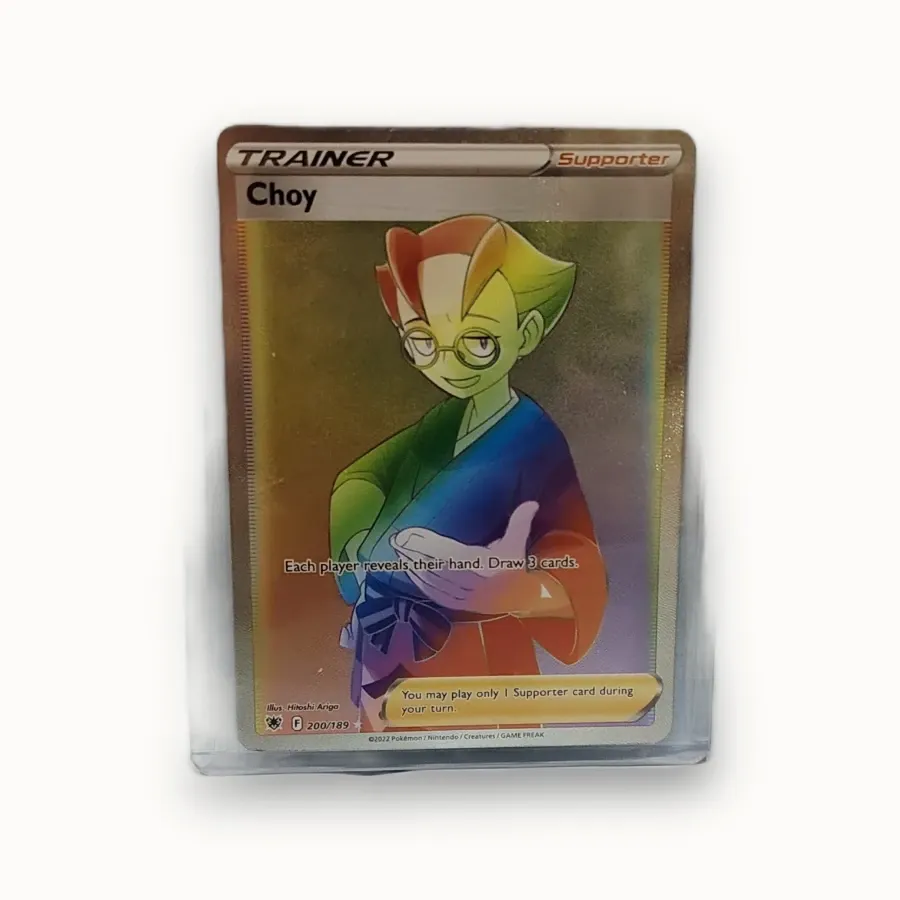
Pokémon Choy 200/189 Secret Rare Trainer Card
6,00 €
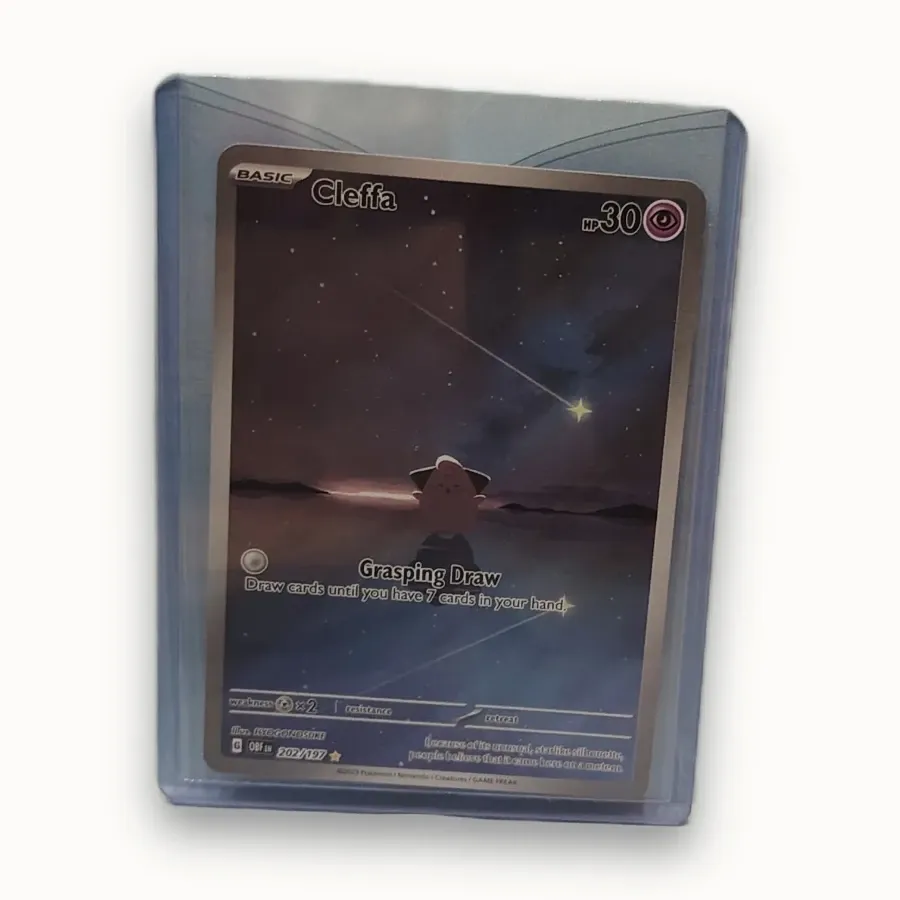
Pokémon TCG Cleffa 202/197 Illustration Rare — Obsidian Flames
27,00 €