
The collector's edition
How to Sell a PlayStation Game Collection Without Mistakes
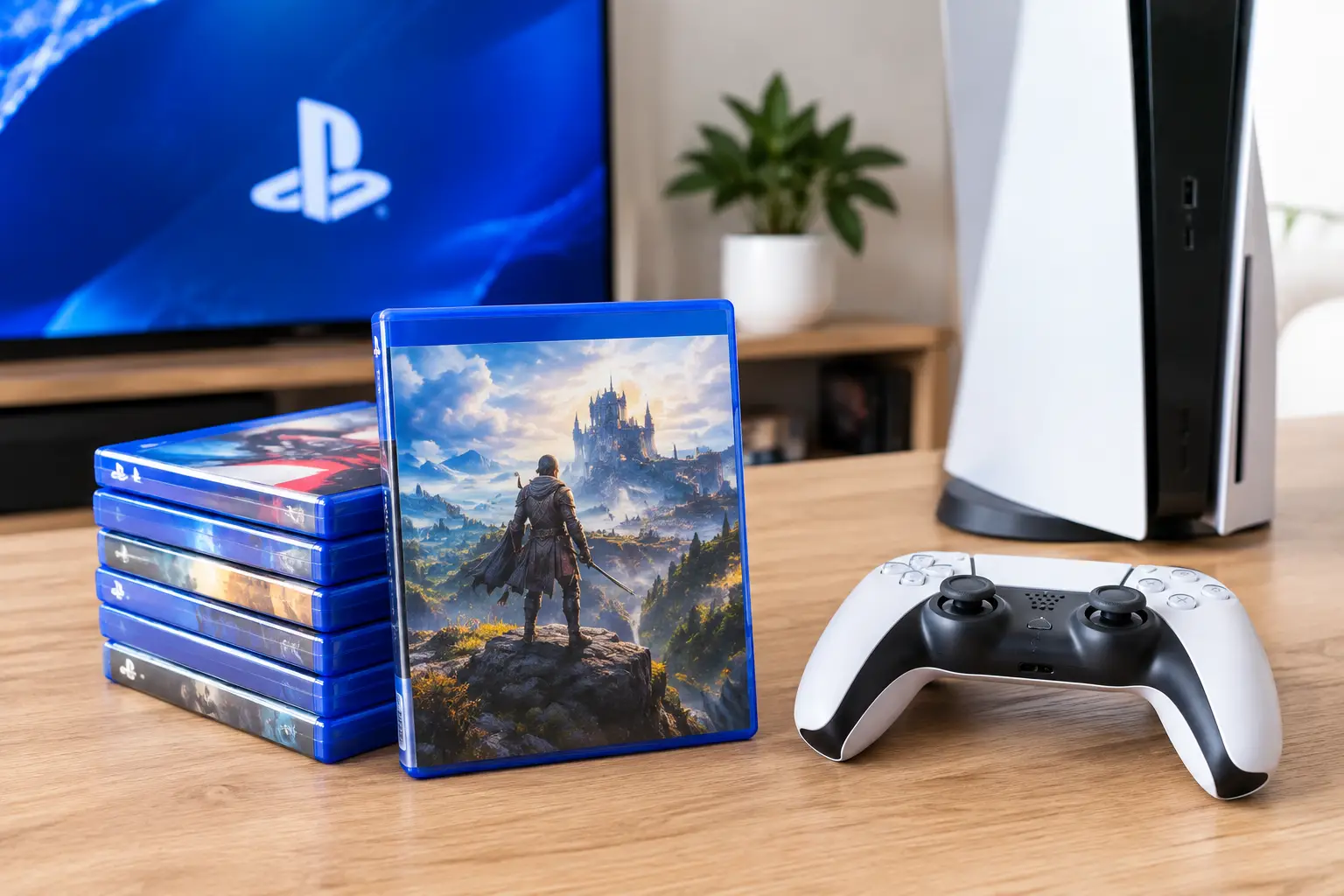
A Silent Hill 2 box for PS2, a complete copy of Metal Gear Solid 4, or a few rare PS Vita titles aren’t just old games on a shelf. When selling a PlayStation collection, value often depends on the exact combination of platform, region, condition, and completeness. A missing manual can change the price and affect which buyer will seek out a particular title.
Whether you’re making room, changing your collecting focus, or funding your next holy grail, your approach matters. A well-presented collection sells more easily, and an accurate description reduces questions, misunderstandings, and the risk of disappointment for both buyer and seller.
First, decide what you’re selling
A “PlayStation collection” might mean 15 popular PS4 games, or it might mean hand-picked PAL titles for the original PlayStation, Japanese RPG releases for PS2, or limited steelbook editions. Don’t lump everything together before taking stock.
Sort the games by platform: PS1, PS2, PS3, PS4, PS5, PSP, and PS Vita. Then separate physical releases from promo copies, games without cases, and duplicates. This isn’t just about making the listing neater. Someone looking for PS3 exclusives rarely wants the same things as someone collecting PAL games for PS1, while a Vita owner may see value in a title that looks ordinary to someone else.
Choose the right way to sell, too: one lot, small themed bundles, or individual listings. A lot saves time and courier shipments, but often brings a lower total because the buyer takes on the risk of getting games they don’t need. Selling separately takes more work, but makes sense for rare, complete, or sought-after titles.
When a bundle is a good choice
A bundle works well for common PS4 sports games, annual releases, or titles with a similar audience. For example, you could offer several PS4 adventure games together if each is in good condition and the combined price makes sense compared with buying them individually.
Don’t mix a valuable game with a bunch of cheap titles to raise the lot’s value. A collector may want only that game, while a casual buyer won’t pay extra for a title whose value they don’t know. It’s better to list it separately and clearly.
How to value a PlayStation game collection
One of the most common mistakes is setting the price based on memory: “I bought it for 120 leva back then, so it must be worth at least that much.” The original price isn’t a reliable guide for physical games. Demand, availability, the specific edition, and condition matter much more.
Compare similar copies, not just titles with the same name. A PS2 game with its original case, cover art, and manual isn’t the same as a disc in a replacement case. A UK edition may be perfectly suitable for a Bulgarian buyer, but a collector arranging PAL/EU spines may be looking for a specific version. Japanese editions also have their own audience, especially for JRPGs and fighting games.
When valuing a game, check five things: the platform, edition and region, included contents, cosmetic condition, and whether the disc has been tested. If a game is sealed, don’t automatically assume it’s rare. A sealed copy may be valuable, but only if the edition is genuinely in demand and the packaging is authentic and well preserved.
Be honest about flaws. Light disc marks, faded cover art, broken case hubs, or a missing DLC code should be visible and described. Bonus-content codes and season passes have often already been used or expired. Don’t include them as an active part of the offer unless you can confirm that they work.
Photos show the condition, not just the game
A photo of a pile of cases on a bed shows that you have games, but not exactly what the buyer will receive. For collectible items, photos are part of building trust.
Photograph the front and back of every case, the spine, the disc, and the manual if included. For more valuable games, add a close-up of any scratch, crack, or price sticker. This doesn’t hurt the listing—it shows you’re not hiding details.
Take photos in daylight or under even lighting, and don’t place the disc directly on a rough surface. Glare can hide marks, while filters can distort the cover’s colors. For a limited edition, photograph every item: the outer box, steelbook, artbook, figure, codes, and inserts. A complete set means exactly what’s visible in the photos and stated in the description.
Test before posting the listing
Even if a disc looks clean, it may have a read error. If you can, start the game, check the installation, and load a save or the opening level. You don’t need to play through it again—a brief test is enough to confirm that the physical copy works.
This is especially useful for PS3 and older platforms, because the age of the disc, case, and console now matters. If you can’t test the game, say so directly. A clearly stated unknown is better than a definite claim without checking.
Write a listing that answers questions
Start the title with the game and platform: “Persona 4 Golden - PS Vita - PAL - Complete” says more than “Unique game, see for yourself.” Mention the special edition, if there is one. If the case has been replaced or the manual is missing, include that information in the description from the start.
Use short, verifiable details in the main text. Say whether the game is a PAL/EU, UK, US, or Japanese edition; whether it has English text and voice acting when relevant; and whether the disc has been tested. Don’t promise “perfect condition” if there are visible marks. “Very good condition, light surface marks on the disc, tested and working” is a much more useful description.
Don’t overlook the case. For someone who just wants to play through the campaign, it may be secondary. For a collector, the original case, unfaded cover art, and manual are often decisive. The same game can have different value to different people, and accurate information helps the right buyer find it.
A secure transaction is part of a good sale
A low price doesn’t make up for unclear communication. The buyer should know what they’ll receive, how it will be packed, and what to do if they have a question about the listing. Protect discs with rigid packaging, don’t rely on a thin envelope alone, and secure the cases so their hubs don’t break during transit.
A specialist marketplace helps because its platform and audience understand the significance of “CIB,” PAL/EU, and an original steelbook. On KPZ, you can specify the platform, edition, condition, and price instead of having to explain from scratch why your old PS2 game isn’t just an old disc. Real photos, verified sellers, and payment on delivery offer peace of mind when a collection changes hands.
If you receive an offer below your expectations, don’t rush to accept or reject it emotionally. Consider how much time you want to spend on the sale, whether the offer is for the complete set, and whether the rare titles are valued correctly. Sometimes a quick sale is the right choice. In other cases, it’s worth waiting for a buyer looking for that exact edition.
Let the collection speak through the facts: the exact platform, an honest description of its condition, clear photos, and a reasonable price. That way, the next person won’t just buy a game—they’ll take care of a part of your gaming history.
Find it at KPZ
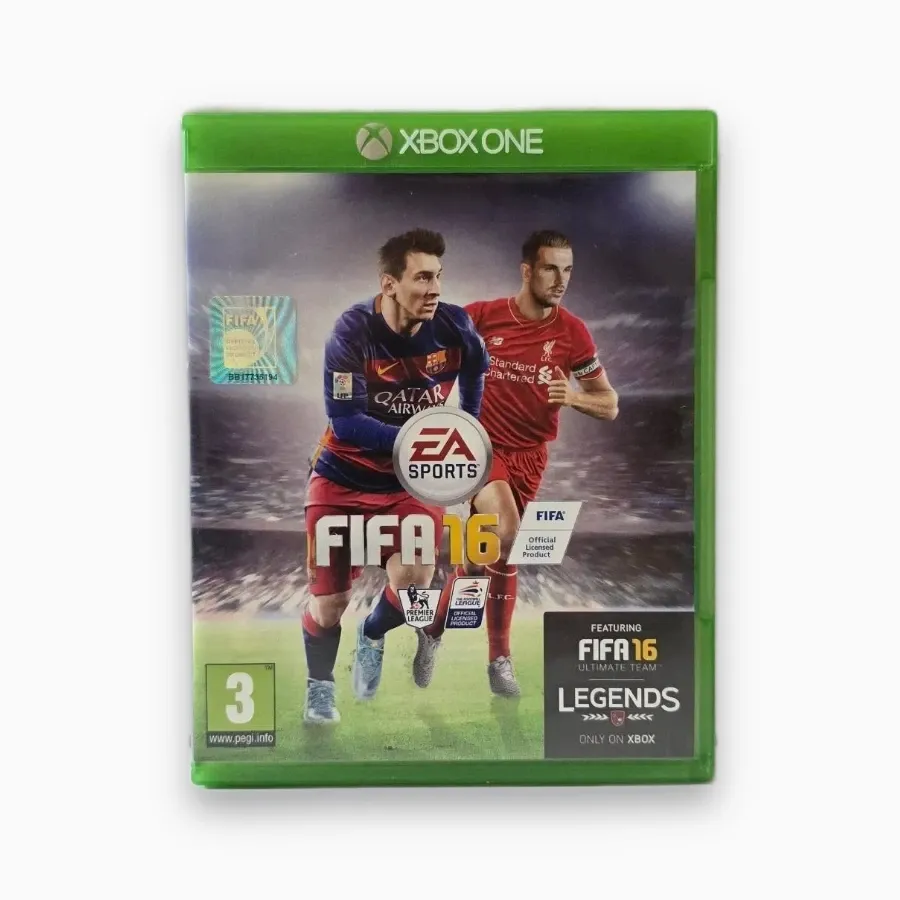
FIFA 16 for Xbox One — PAL edition
5,00 €
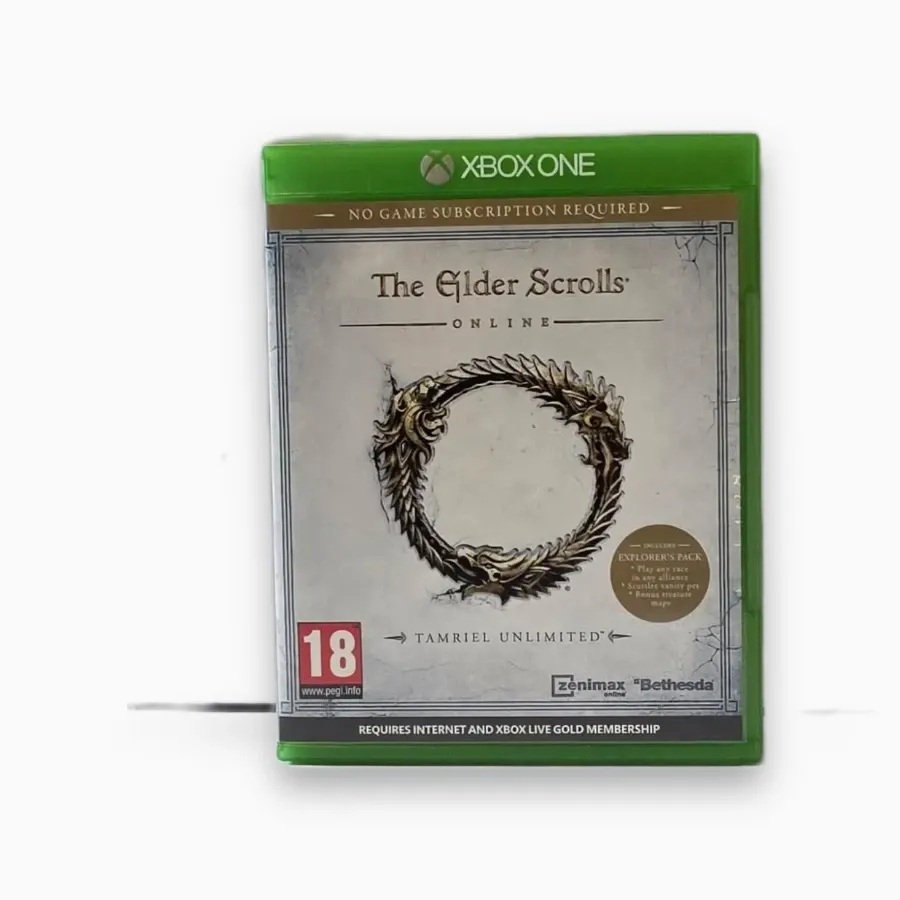
The Elder Scrolls Online: Tamriel Unlimited — Xbox One
7,00 €
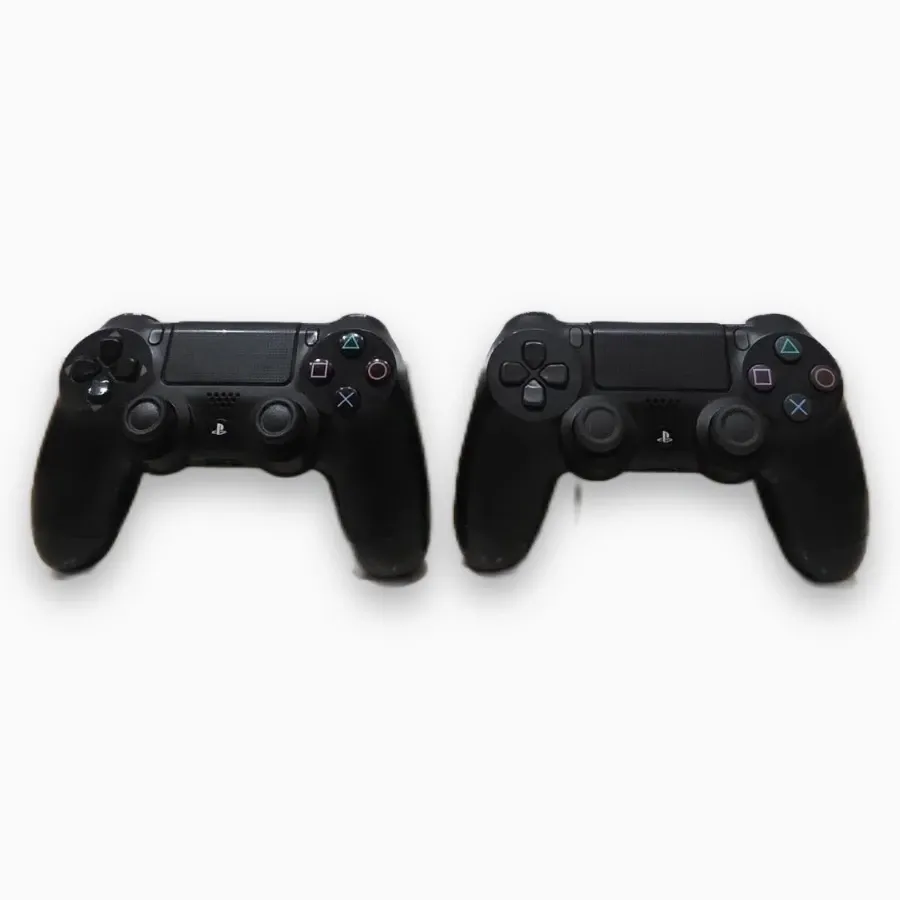
Two Black Sony DualShock 4 Wireless Controllers for PlayStation 4
32,00 €
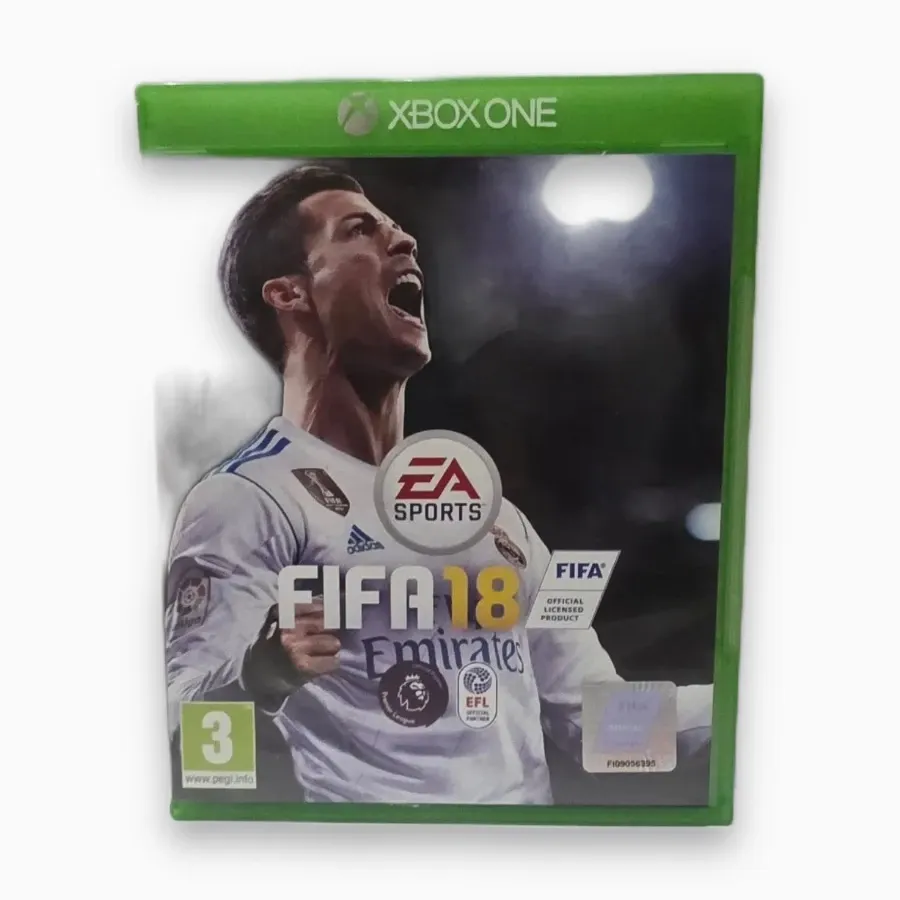
FIFA 18 for Xbox One — PAL/EU
6,00 €
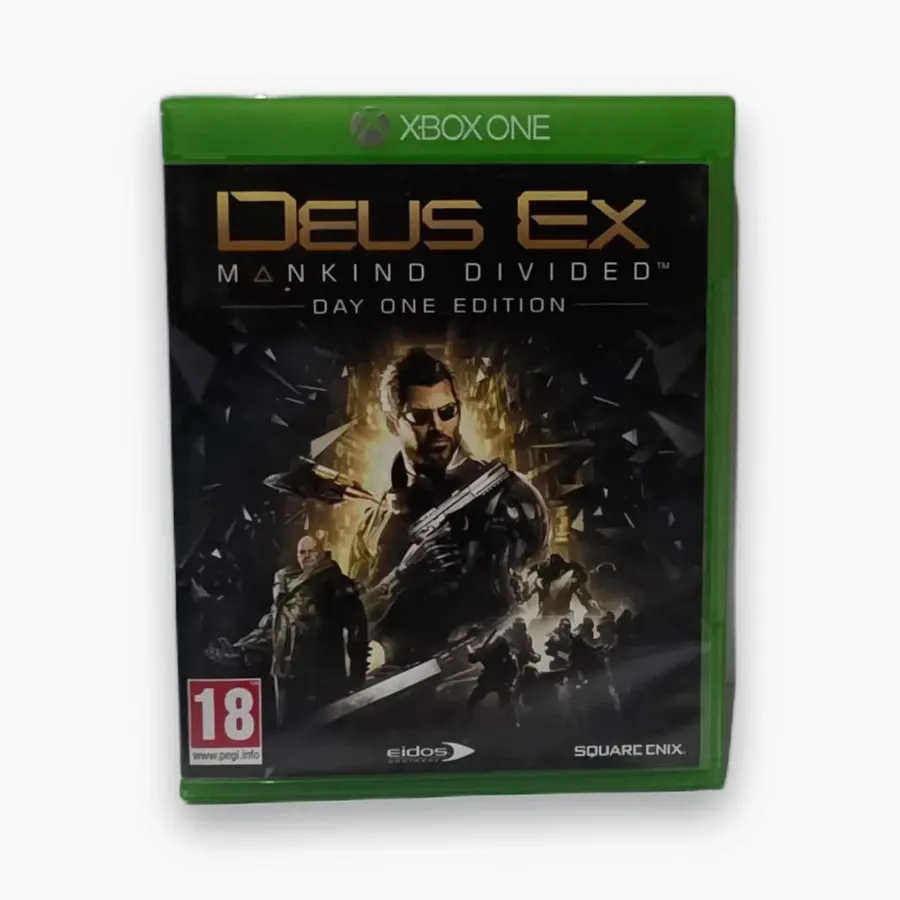
Deus Ex: Mankind Divided — Day One Edition for Xbox One
6,00 €
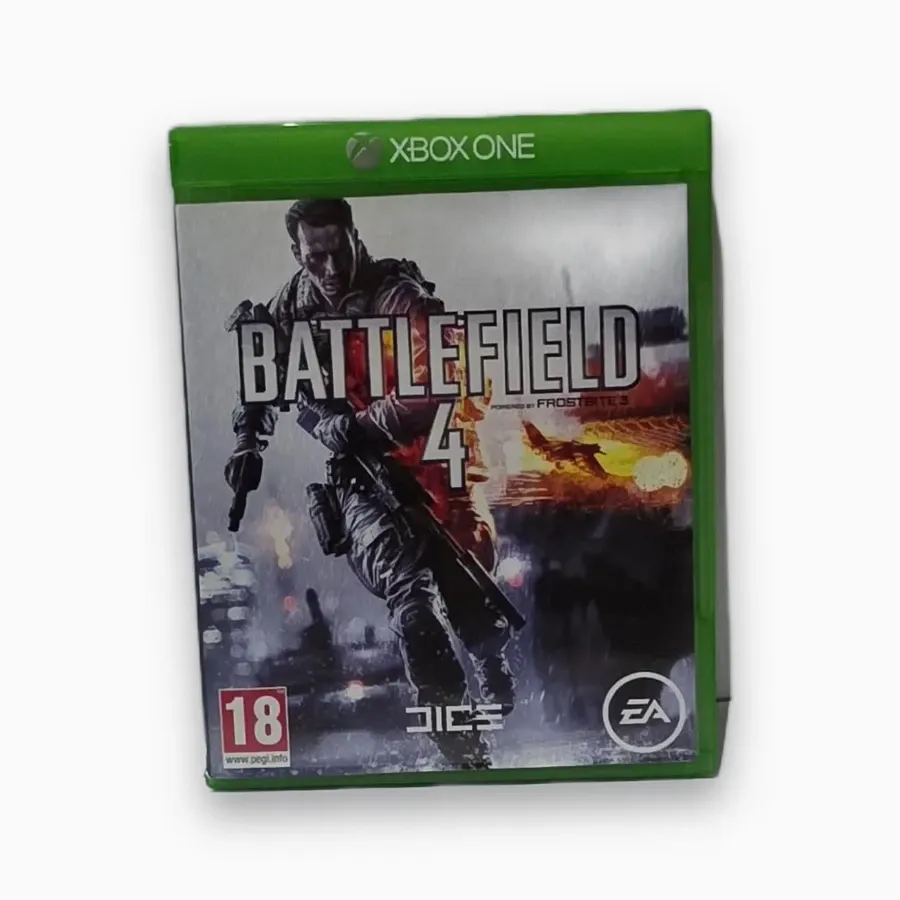
Battlefield 4 for Xbox One — PAL/EU
6,00 €
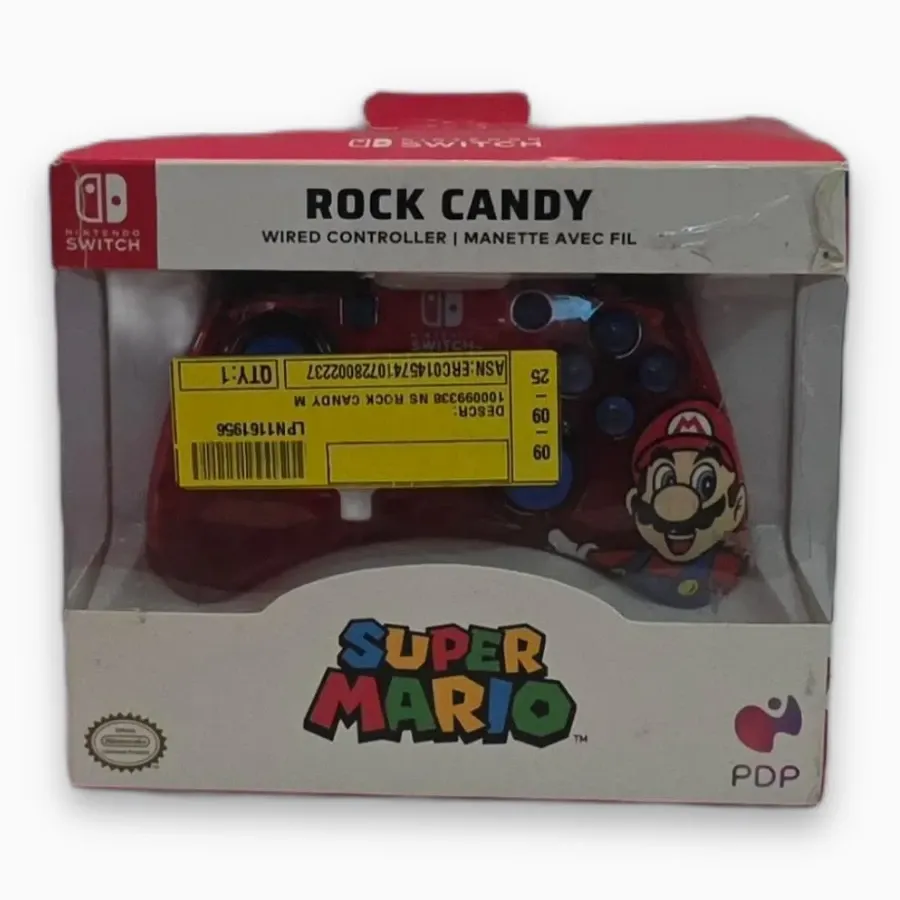
PDP Rock Candy Super Mario Wired Controller for Nintendo Switch
24,00 €
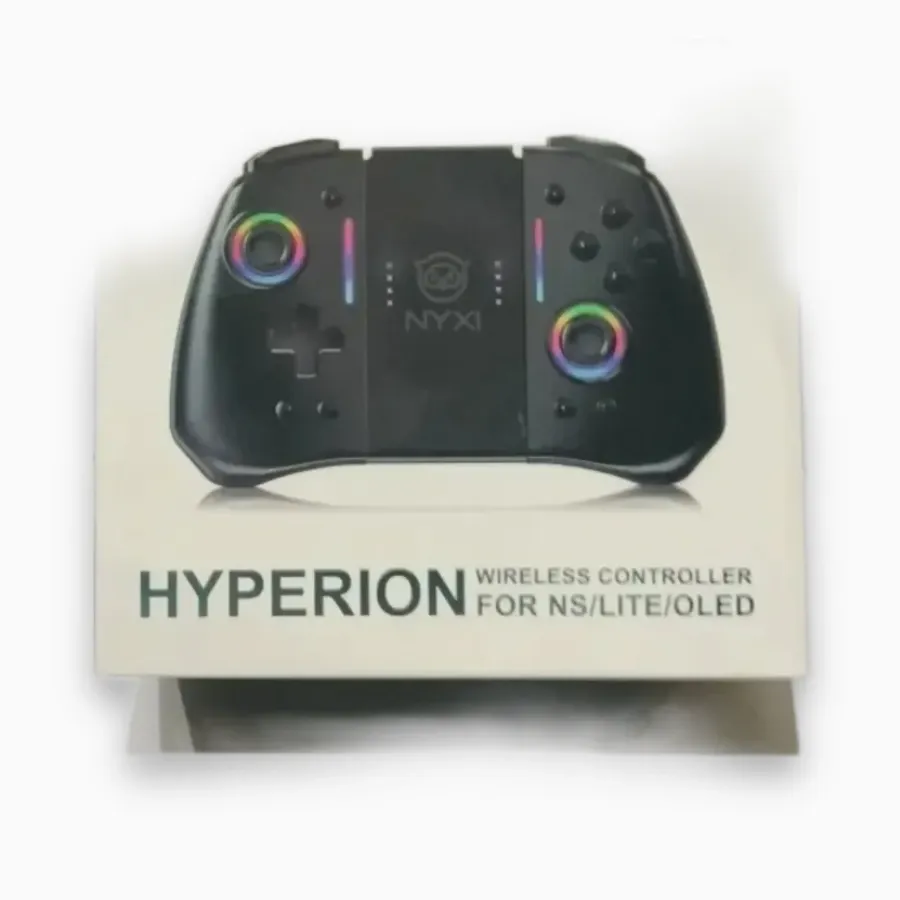
NYXI Hyperion Wireless Controller for Nintendo Switch / Lite / OLED
29,00 €
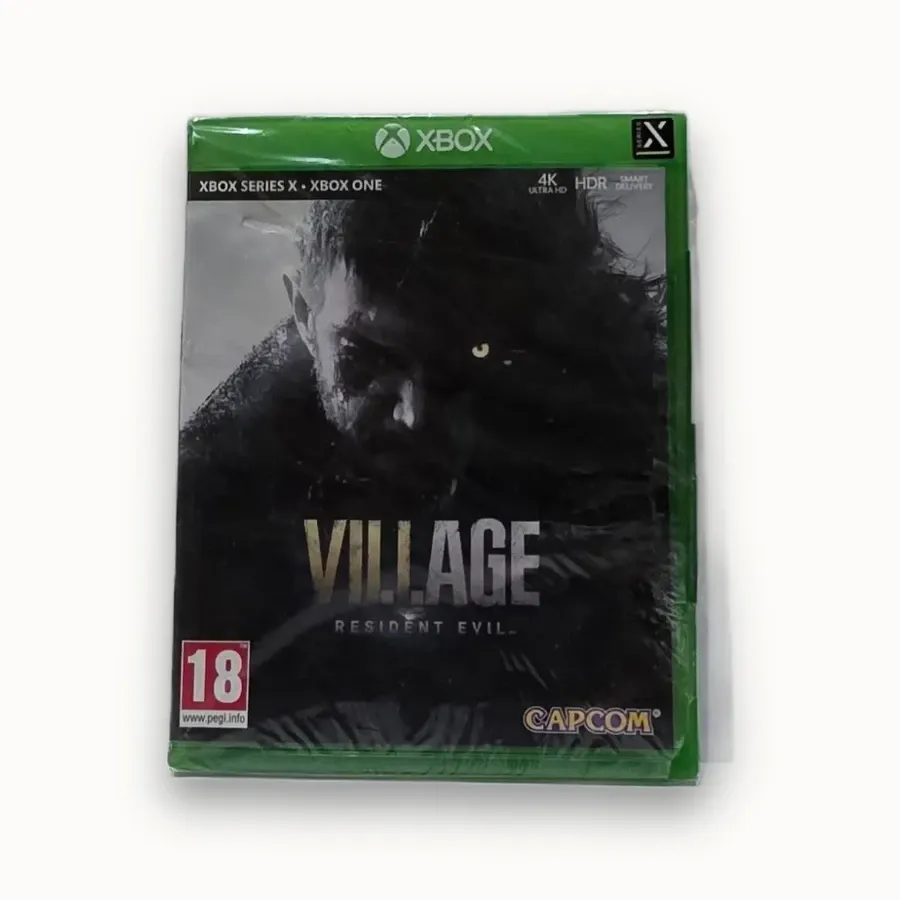
Resident Evil Village — Xbox Series X / Xbox One, PAL
49,00 €
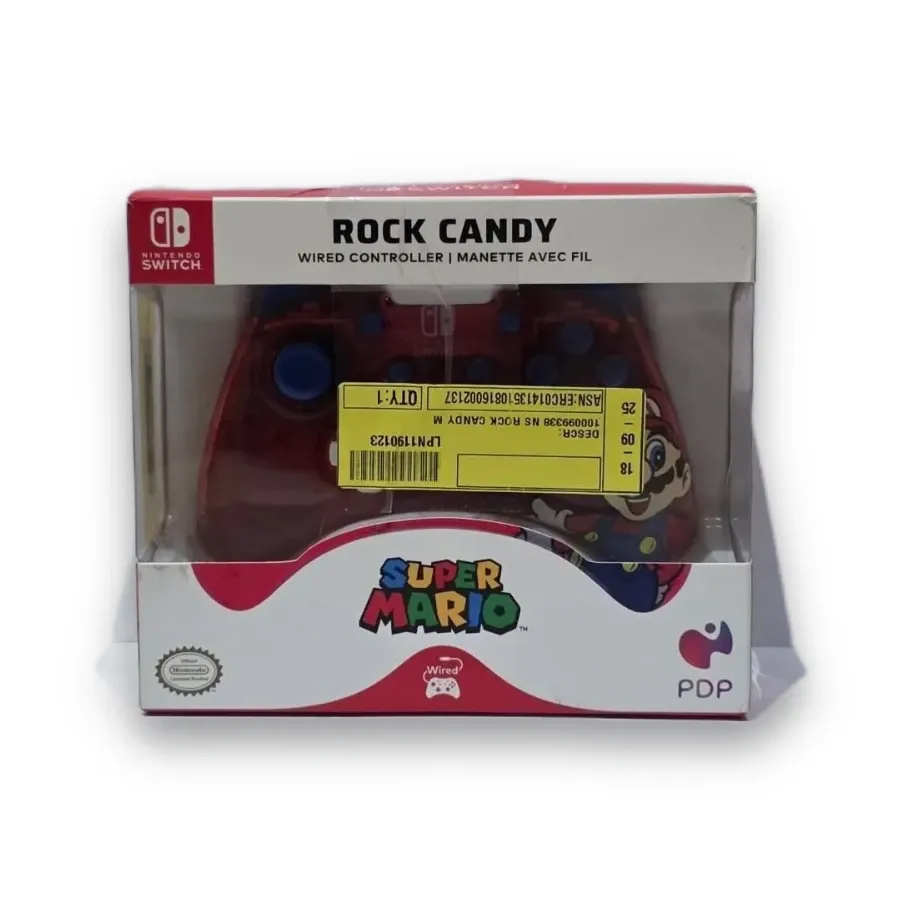
PDP Rock Candy Super Mario Wired Controller for Nintendo Switch
24,00 €