
The collector's edition
What Does CIB Mean for Games, and Why Does It Matter?
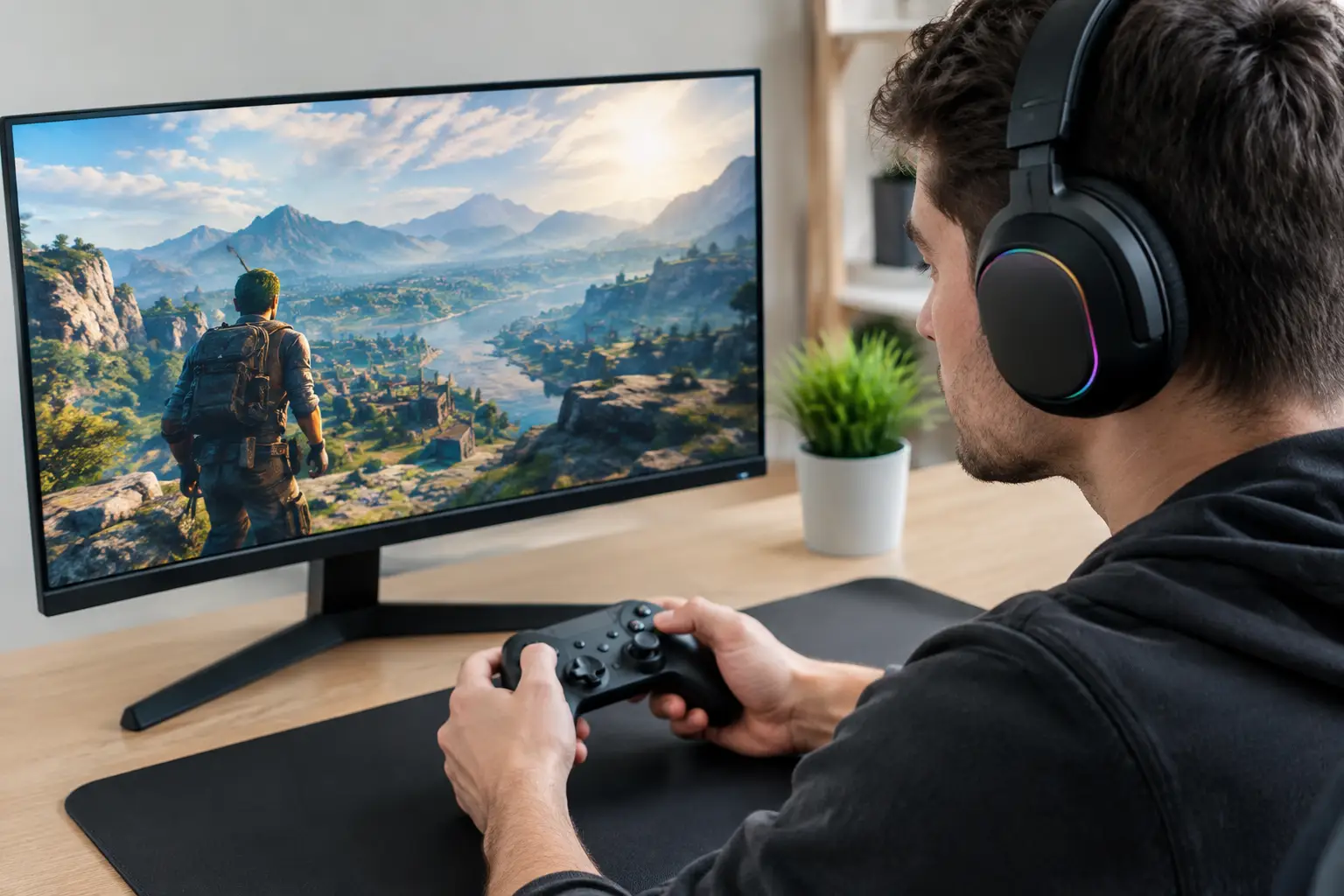
You see “CIB” in a listing for a retro game. The price is higher than for a disc or cartridge alone, and naturally you wonder: what does CIB mean for games? It’s a useful term for anyone who buys, sells, or collects physical releases. The three letters tell you whether you’re getting just the game media or a copy close to how the game sat on store shelves when it was released.
What does CIB mean for games?
CIB stands for Complete In Box. For video games, it usually means that the original box and instruction booklet are included with the game. Many releases also have additional inserts: advertising leaflets, safety warnings, registration cards, codes, maps, or other materials placed in the box by the publisher.
Put simply, CIB is more than “disc only” or “cartridge only.” For collectors, the difference is about more than appearance. The original box, cover art, and manual attest to the history of a particular release and make a shelf feel more complete. For games on Nintendo, PlayStation, Xbox, Sega, and retro PC, this often has a noticeable effect on price too.
However, CIB doesn’t automatically mean “in perfect condition,” “unopened,” or “rare.” The term describes what’s included, not the condition of each item. The box may be worn, the manual slightly creased, and the disc lightly scratched. So check the photos and description rather than treating CIB as a blanket guarantee.
What does a CIB set usually include?
Contents depend on the platform, year, and region. For PlayStation 2 or Xbox 360, a set most often includes the original plastic case, disc, and manual. For Game Boy, NES, SNES, or Nintendo 64, it may include a cardboard box, cartridge, manual, and various paper inserts. Complete sets with cardboard boxes are harder to find because many boxes were thrown away or badly damaged.
For PC games from the 1990s and early 2000s, CIB can sometimes include much more: a large cardboard box, CD or DVD, full-colour manual, map, command reference, technical documentation, and even a physical bonus item. Strategy, RPG, and adventure games often came with extensive materials that today are almost as sought-after as the game itself.
There’s an important caveat: not every release came with a manual or promotional inserts. Some later PlayStation 4, PlayStation 5, Xbox One, and Nintendo Switch games are sold with only a case and game media. In that case, CIB can correctly mean just those two items. Whether a set is complete is judged against what was included from the factory with that particular release.
CIB, loose, and new: the difference at a glance
“Loose” means a game without a box or documentation. It may be the cartridge, disc, or sometimes a UMD—often the most affordable option for someone who simply wants to play.
“CIB” means a complete original set that has been used or opened. “New,” “sealed,” or “factory sealed” describe an unopened copy with its original factory packaging. Sealed games can carry a significant collector premium, but the risk of an inaccurate description is also higher. Plastic wrap added by a retailer is not the same as factory shrink-wrap.
You may also see “box only” and “manual only,” meaning just the box or just the manual. These items can help you complete a set, but they need to match the exact version of the game.
Why does CIB affect the price?
A complete set is valuable in part because it’s rarer than the game media alone. Many players kept the discs but threw away the outer boxes, manuals, and promotional leaflets. This is especially apparent with retro games: a Game Boy cartridge may be relatively easy to find, while the same game with a clean original cardboard box and manual is rare.
The size of the price difference depends on the title. For a common sports game on an older console, the difference between loose and CIB may be moderate. For a cult RPG, limited edition, Pokémon title, or low-run game, a complete set may cost many times more.
Condition is also decisive. A CIB copy with faded cover art, broken disc holders, and missing inserts isn’t equivalent to a clean, well-preserved set. Compare listings for the same platform, region, and release, in similar condition. Prices for the PAL/EU version shouldn’t be compared directly with those for the NTSC-US or Japanese release—demand and availability may differ.
How to check whether a CIB listing is really complete
Before buying, ask for clear photos of the actual copy or carefully inspect the ones provided. The front and back of the box, spine, disc or cartridge, manual, and all extras should be clearly visible. A catalogue image or cover found online doesn’t show the condition of the specific copy.
Check that the case is original to the platform and region. For PlayStation, a replacement case isn’t necessarily a problem if you just want to play, but it isn’t equivalent to an original case for a collection. For retro Nintendo games, check the codes on the box, cartridge, and manual. If the region or series doesn’t match, the set may have been assembled from different copies.
Look for small but important details too: signs of moisture or a musty smell, peeling cover art, marker writing, or heavy yellowing. For a disc, it’s not enough to hear that it “works.” It’s useful to know whether it has deep scratches and whether the game has been tested. For a cartridge, check the contacts, label, and shell for cracks.
If a listing says CIB but an insert is missing, the most honest approach is to say so specifically: “box, disc, and manual, no registration card.” That way, the buyer can decide for themselves whether the missing item matters to their collection.
When to choose CIB—and when not to
If you’re looking for a game to play over the weekend, a loose copy or a disc in a replacement case is often the sensible choice. You pay less and don’t worry about every tiny mark on the box. This is especially true for games you’ll play regularly or lend to children.
CIB makes more sense if you’re collecting a series, building a themed shelf, looking for a specific release, or buying a game with long-term collector value. Part of the enjoyment is leafing through the original manual, seeing advertisements for other games from the era, and appreciating the release as a complete object rather than just software.
When buying from a specialist catalogue such as KPZ, look for precise details on the platform, region, condition, and contents. “Final Fantasy VII, PlayStation, PAL, CIB” says much more than “old game in good condition.” A clear description reduces misunderstandings and helps the right copy find the right fan.
If you’re selling a CIB game
Don’t add CIB to the title out of habit. Lay out the items, check what’s included, and be honest about what’s missing. If you have the original box, game media, and manual but are missing a map or code insert, say so. An accurate description and good photos are more useful than a bold claim that later disappoints the buyer.
Keep manuals dry and flat, don’t put stickers on boxes, and don’t aggressively clean old cardboard. Light patina is normal for a game that’s 20 or 30 years old, while an ill-advised “refresh” can permanently reduce its value. When a set is genuinely complete and accurately presented, it’s not just a more expensive item—it’s a better-preserved piece of gaming history.
Next time you come across the CIB label, look beyond the three letters: compare the release, check the actual components, and decide whether that particular set deserves a place in your collection.
Find it at KPZ
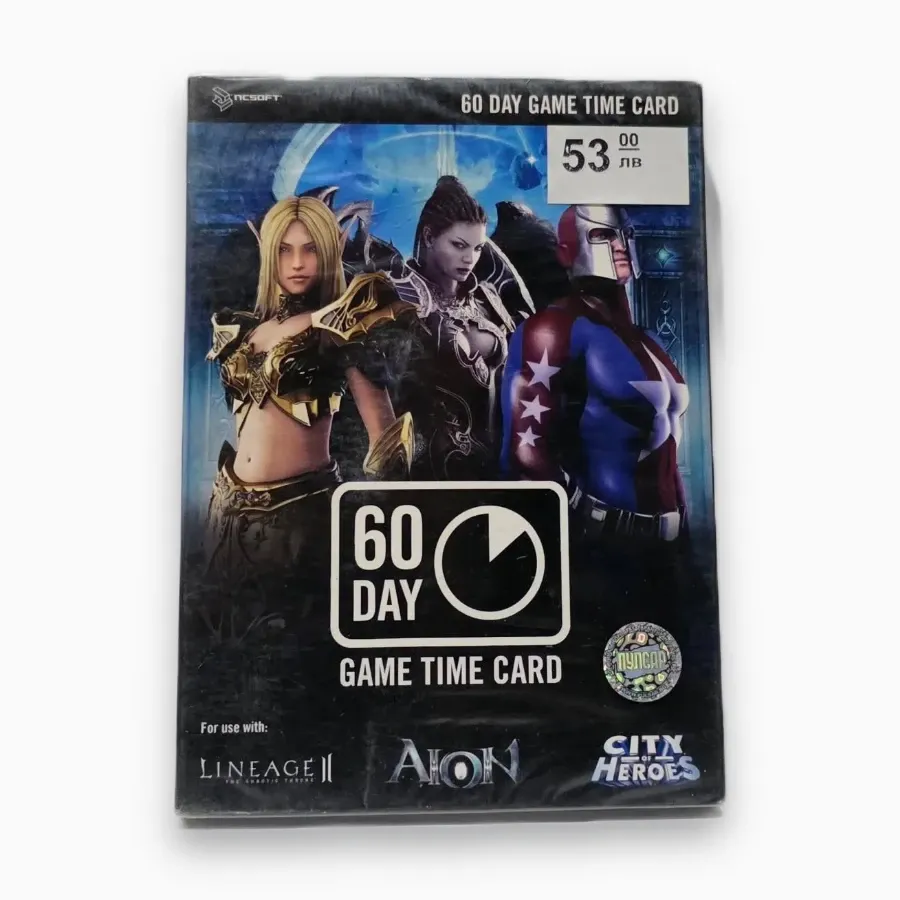
NCsoft 60 Day Game Time Card — European version
23,00 €
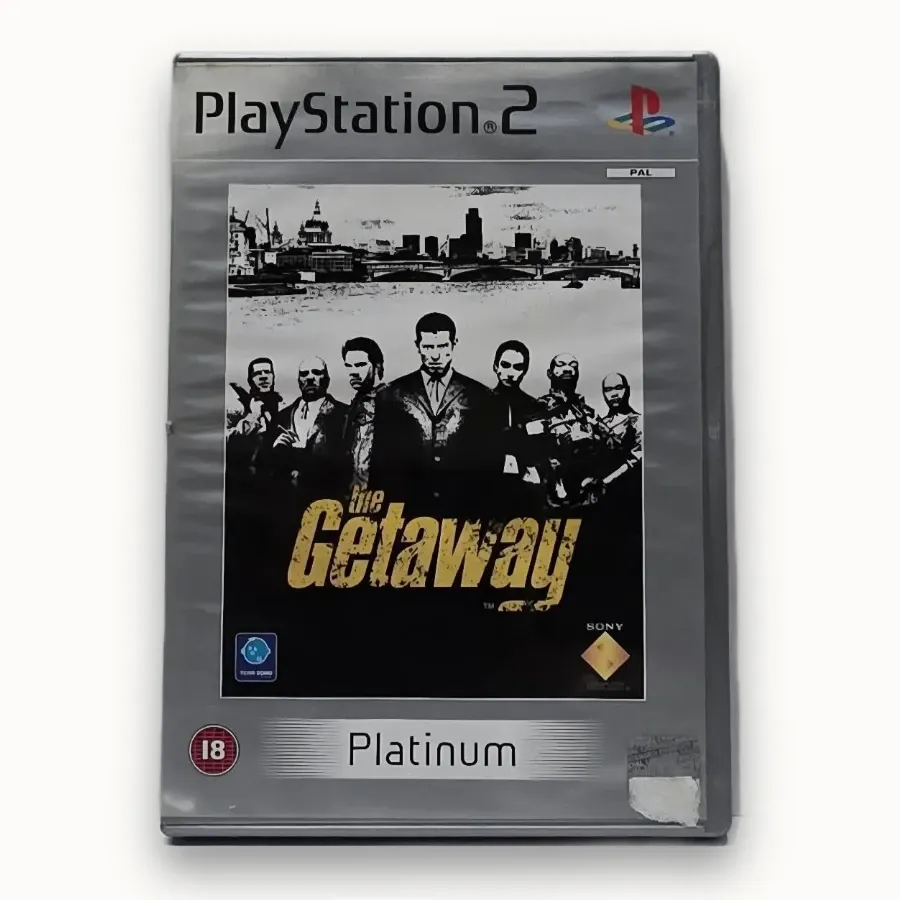
The Getaway — Platinum for PlayStation 2, PAL
14,00 €
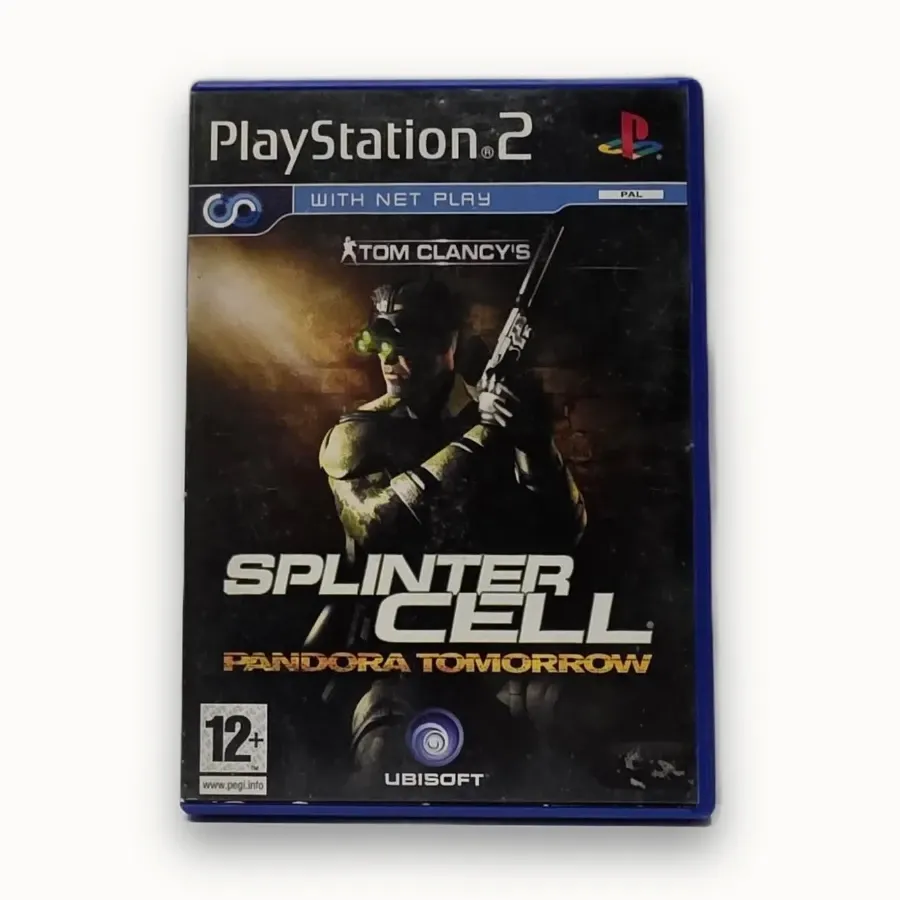
Tom Clancy’s Splinter Cell: Pandora Tomorrow for PlayStation 2, PAL
9,00 €

Dirt Track Devils — PlayStation 2, PAL
13,00 €
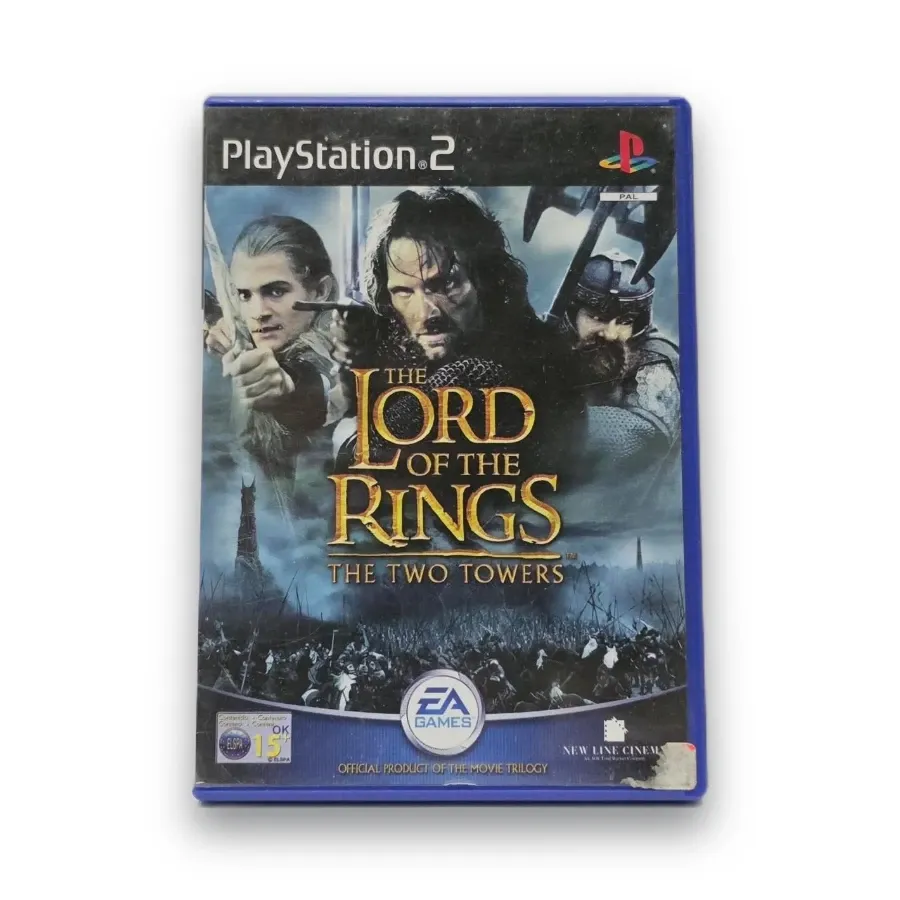
The Lord of the Rings: The Two Towers — PlayStation 2, PAL
19,00 €
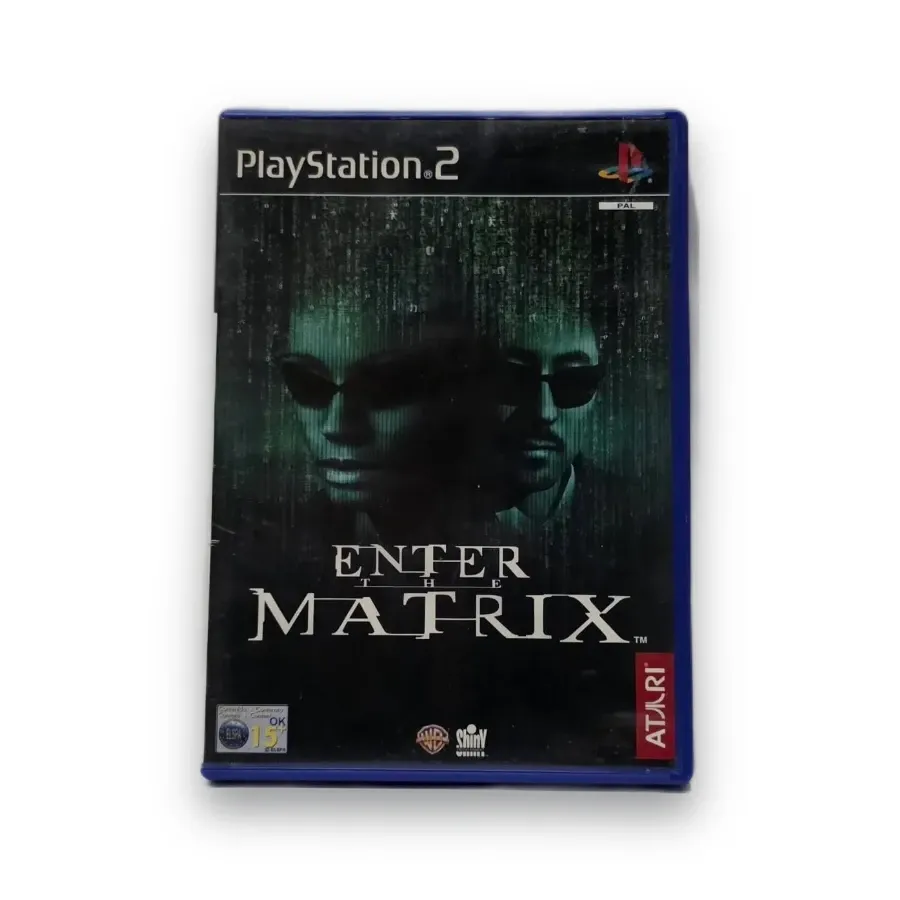
Enter the Matrix for PlayStation 2 PAL
7,00 €
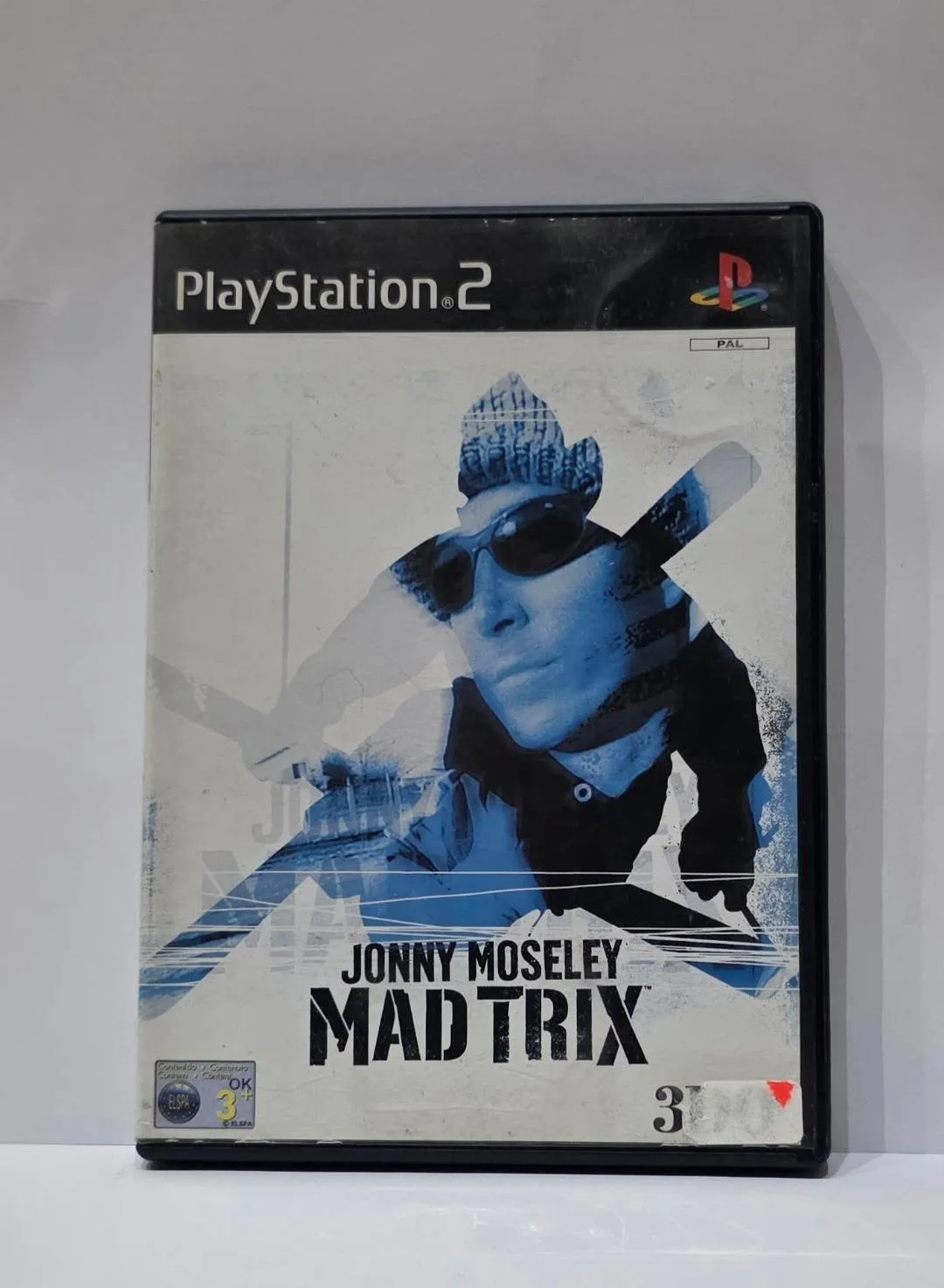
Jonny Moseley Mad Trix for PlayStation 2 — PAL
6,00 €
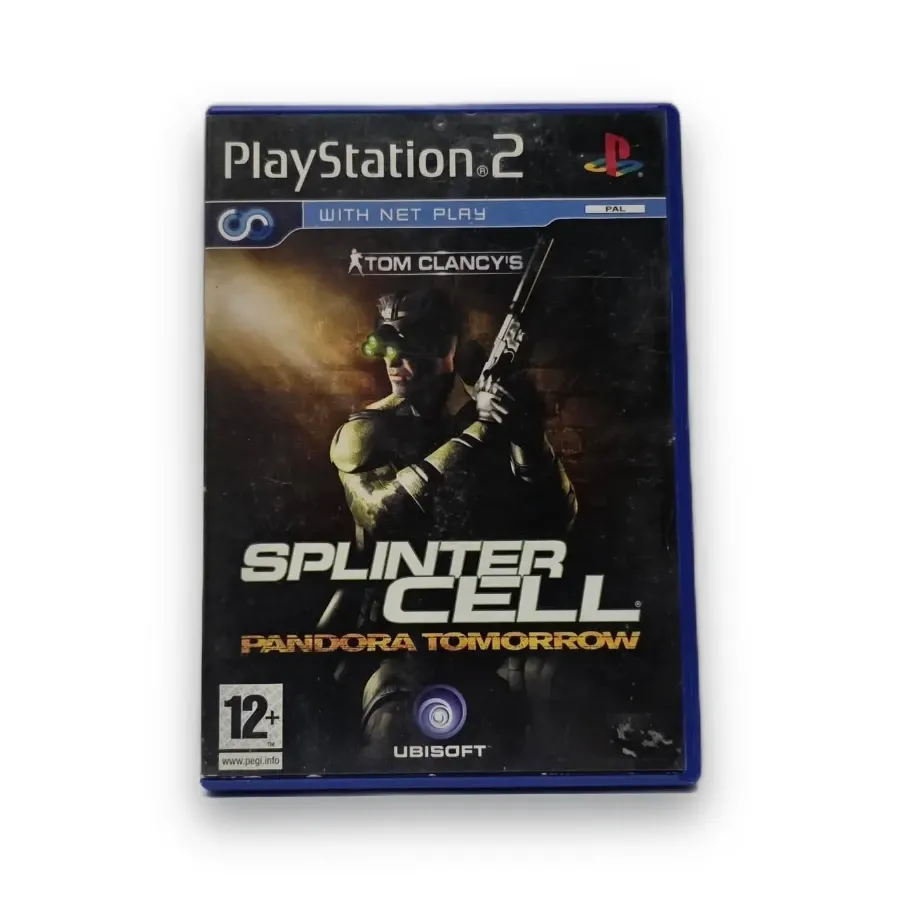
Tom Clancy’s Splinter Cell: Pandora Tomorrow for PlayStation 2 PAL
11,00 €
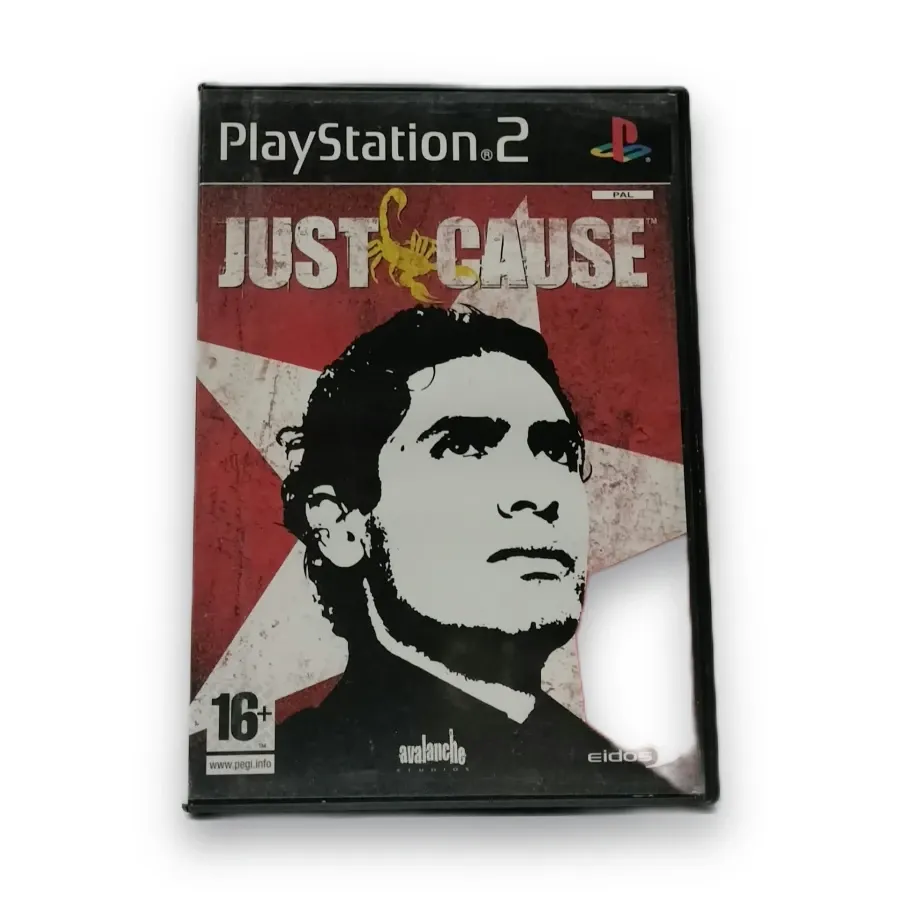
Just Cause for PlayStation 2 — PAL
10,00 €
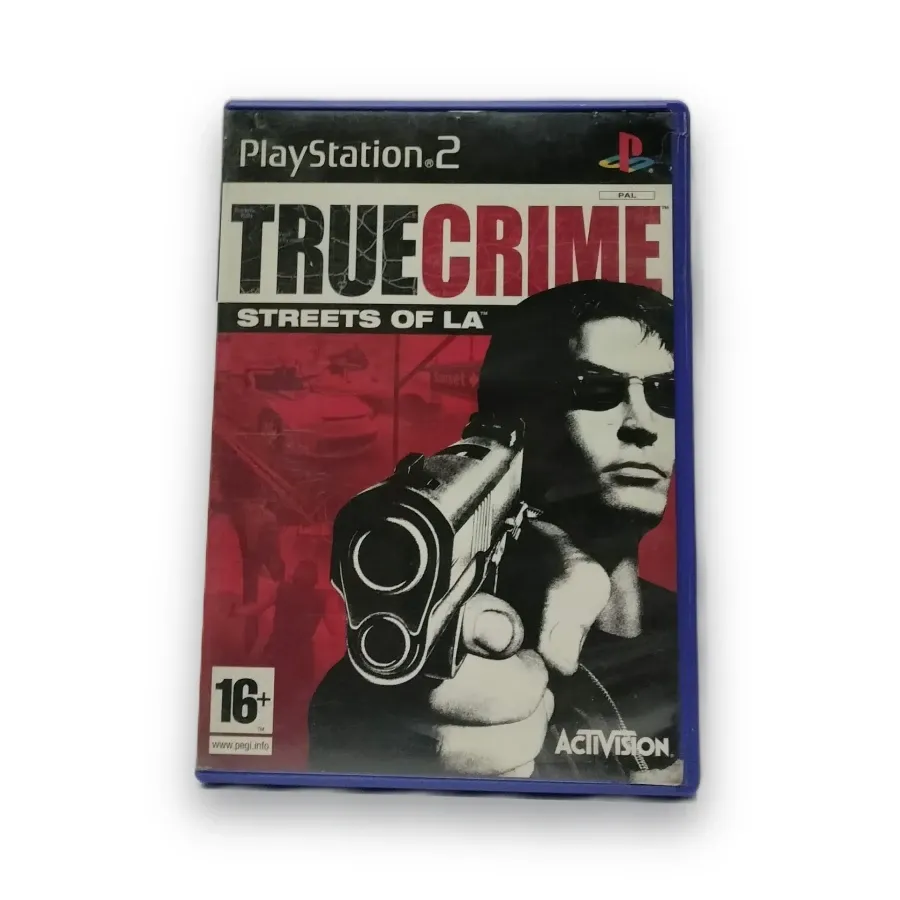
True Crime: Streets of LA for PlayStation 2 — PAL
14,00 €