
The collector's edition
How to Sell Old Games at a Fair Price
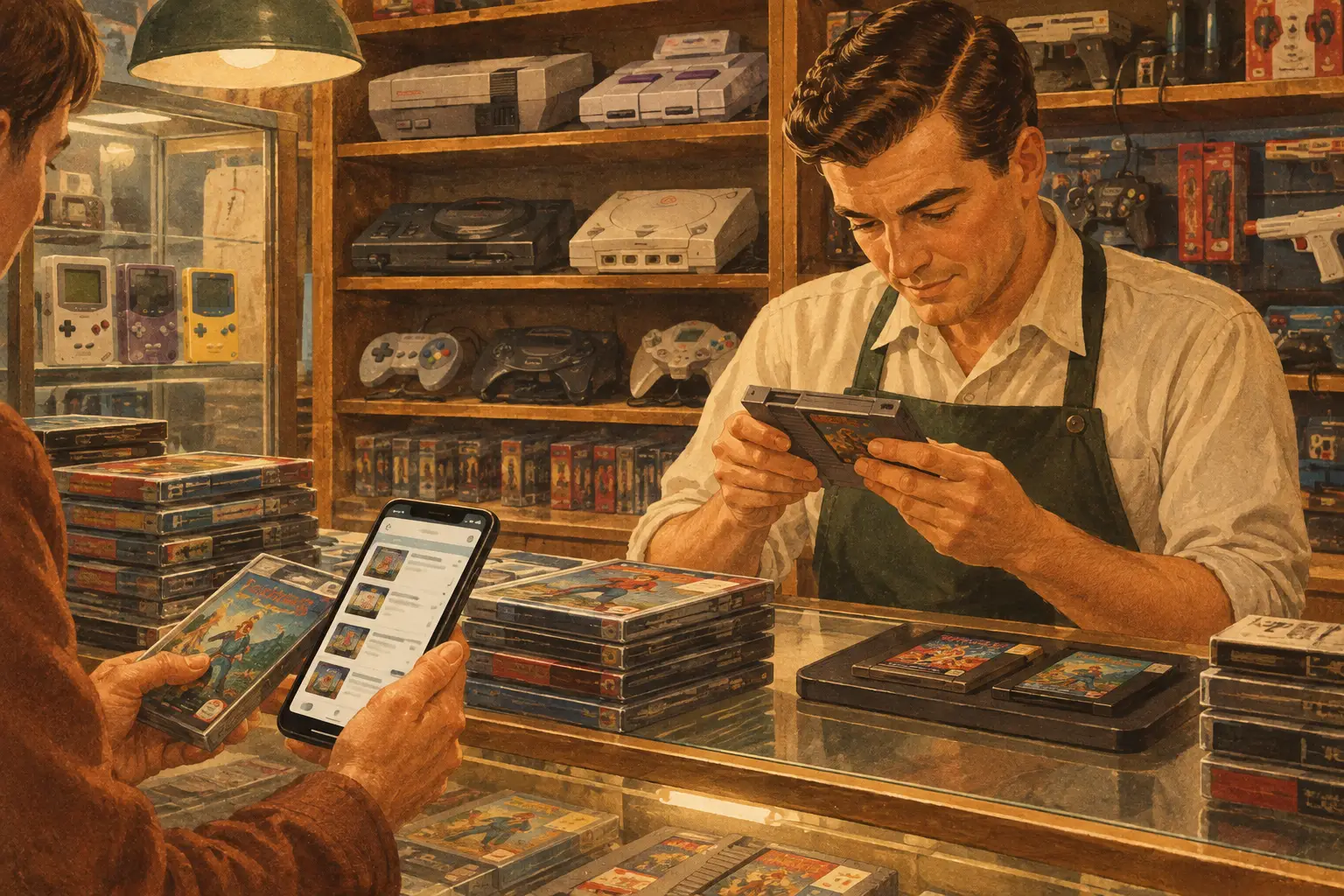
An old game doesn’t automatically mean a cheap game. A title that has been forgotten on a shelf may be an ordinary game disc, but it could also be a sought-after PAL/EU edition, a well-preserved retro hit or part of a complete set that a collector has been searching for years. If you’re wondering how to sell old games, start not with the price, but with exactly what you’re holding.
With physical games, the value is rarely just in the title itself. The platform, region, condition of the case, presence of the manual and codes, and whether the edition is standard, limited or an early print can all affect interest and the final price. A good sale is clear, honest and detailed enough for the buyer to make a decision without guesswork.
How to sell old games without undervaluing your collection
The first step is taking inventory. Sort the games by platform: PlayStation, Xbox, Nintendo, PC or retro consoles. Then check the exact title on each case, because one series often has different versions. For example, a PlayStation 2 game in a standard PAL case is not valued in the same way as a Japanese edition, steelbook or sealed collector’s edition.
Also check what is included in the set. A disc with its original case and manual is described as a complete set if all original components are present. A disc only, a disc in a replacement case and a complete set are three different items. Don’t add “complete set” if a map, manual, bonus disc or another important part of the original edition is missing.
Inspect the disc in good light. Light signs of use are not always a problem, but deep scratches, cracks around the centre hole and signs of rough cleaning should be mentioned. For Nintendo cartridges, check the contacts, label and shell. For PC games, pay attention to whether the serial key has been used - with many newer titles, the physical disc itself has no practical value for a player, although it may still be interesting to a collector.
Check the edition and region
The region is a detail that prevents disappointment. PAL, EU and UK editions are usually the most recognisable on the Bulgarian market, but they are not the same on every format. Japanese NTSC-J games can be valuable, especially if they retain their obi strips, inserts and original materials. American NTSC-U editions also have their audience, but the buyer should know in advance which version they are receiving and whether it will work with their console.
Check the catalogue code on the spine or disc, the language on the case and the region markings. If you’re not sure, don’t guess. State that the region has not been confirmed and show a clear photo of the code. This honesty is far more useful than an inaccurate description.
Set a price based on the actual condition
The most common mistake is setting the price based on memory: “I paid a lot for it” or “I saw one online for a lot of money.” The amount paid years ago is not a market valuation, and a single listing at a high price does not prove that the game sells for that amount.
Compare only similar examples: the same platform, the same region, a similar condition and the same completeness. A game in an unopened case is not a reference for a used copy. Likewise, the rare disc without a case should not be compared directly with a complete set in excellent condition.
A practical approach is to ask yourself three questions: how often this edition appears, what condition your copy is in and how quickly you want to sell it. If the goal is a quick sale, set a reasonable price close to the market. If you have a rare edition and aren’t in a hurry, leave room for the right buyer, but don’t turn the listing into a museum plaque with an unrealistic price.
With collections, you can offer a bundle price, but don’t mix sought-after and common games indiscriminately. Someone looking for a rare Nintendo title won’t necessarily want five sports games for an old console. It’s better to separate the valuable items and offer the ordinary series in a logically selected bundle by platform or genre.
The photos should match the description
For physical games, real photos are part of building trust. A cover image from the internet doesn’t show whether your case is cracked, whether the artwork has faded or whether the disc is in place. Photograph the front, back, spine and the disc or cartridge itself. For more expensive or rare games, add shots of the catalogue code, manual, inserts and all flaws.
Use even lighting and don’t apply filters. You don’t need studio equipment, but blurry photos on a dark floor or in an overcrowded cabinet make buyers suspicious. If there’s a defect, show it. A buyer may accept a small crack in the case; they are much less likely to accept a surprise upon delivery.
Write a listing that includes the important details
The listing title should work like a label in a good catalogue. Instead of “Selling a game”, write the exact title, platform and key detail. For example: “Silent Hill 2 - PlayStation 2, PAL, with manual, good condition” or “The Legend of Zelda: The Wind Waker - GameCube, PAL/EU, complete set”.
In the description, state the condition of the disc or cartridge, case, manual and any missing parts. If the game has been tested, say on which console and when. If you can’t test it, say so directly instead of promising flawless operation. Mention whether the price is negotiable, but only if you’re genuinely prepared to discuss offers.
A good text can be short: “Original PAL/EU version for Xbox 360. The disc has been tested and works. The case has light signs of wear along the edges, and the manual is included. You are buying exactly what is shown in the photos.” This gives the buyer all the essential facts without unnecessary advertising.
Choose a place where details matter
Mass-market listing sites bring a large audience, but they often mix everything together - from empty cases to dubious copies and inaccurately described editions. A specialised marketplace is more suitable when you’re selling not just a game, but a specific collector’s item. There, the platform, region, edition and condition are information people expect, not fine print.
At KPZ, listings are built around precisely these details: specific title, platform, condition, photos and price. This helps sellers present their collections correctly and buyers search with less guesswork. Cash on delivery and clear communication reduce the risk for both sides.
Protect the item well before shipping. The disc should be secured in the case, not loose inside it. Wrap the case so the hinges or holder don’t break, and use sturdy outer packaging. For more valuable games, take photos immediately before shipping - they document the condition in which you hand over the item.
Don’t hide defects, use someone else’s photos or promise something you can’t verify. Reputation in collector transactions builds slowly, but one honest listing often leads to the next conversation, trade or sale.
Sometimes the best time to part with a game isn’t when it has become “old”, but when you know another fan will appreciate it more than a dusty shelf. Organise it, describe it accurately and let the item find its next player or caretaker. Buy. Sell. Trade.
Find it at KPZ
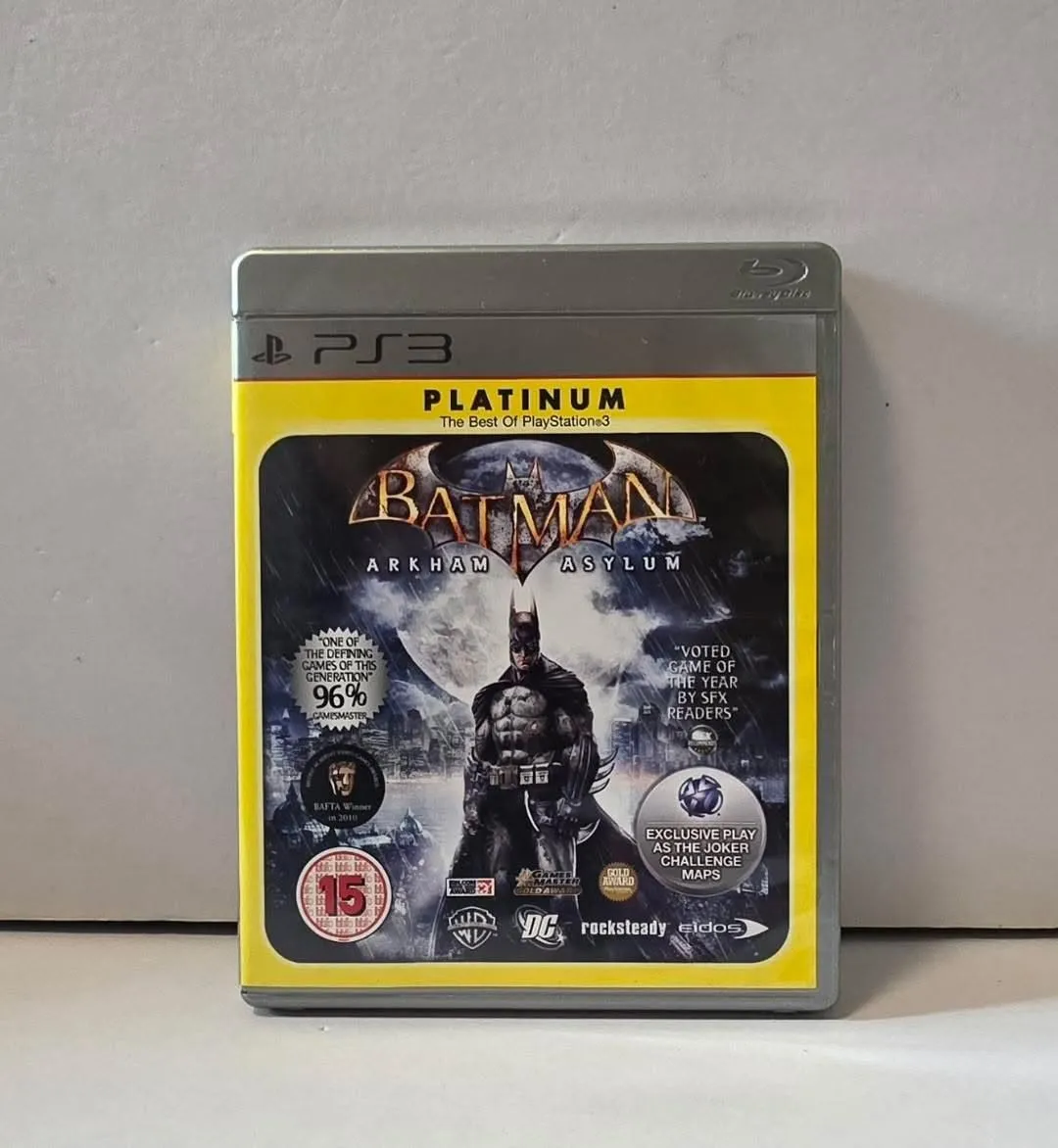
Batman: Arkham Asylum – Platinum for PlayStation 3
8,00 €
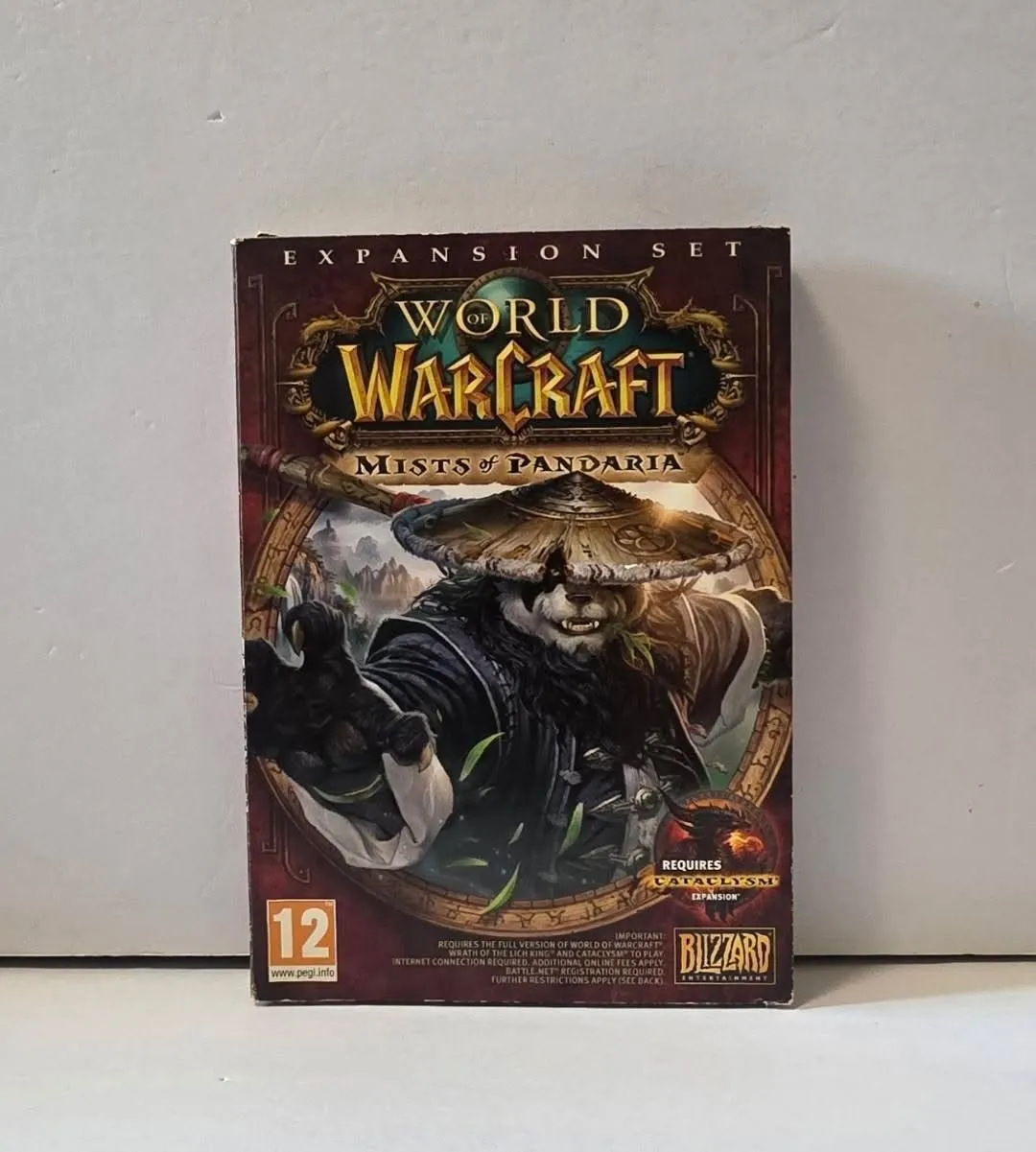
World of Warcraft: Mists of Pandaria — PC/Mac Expansion Set
13,00 €
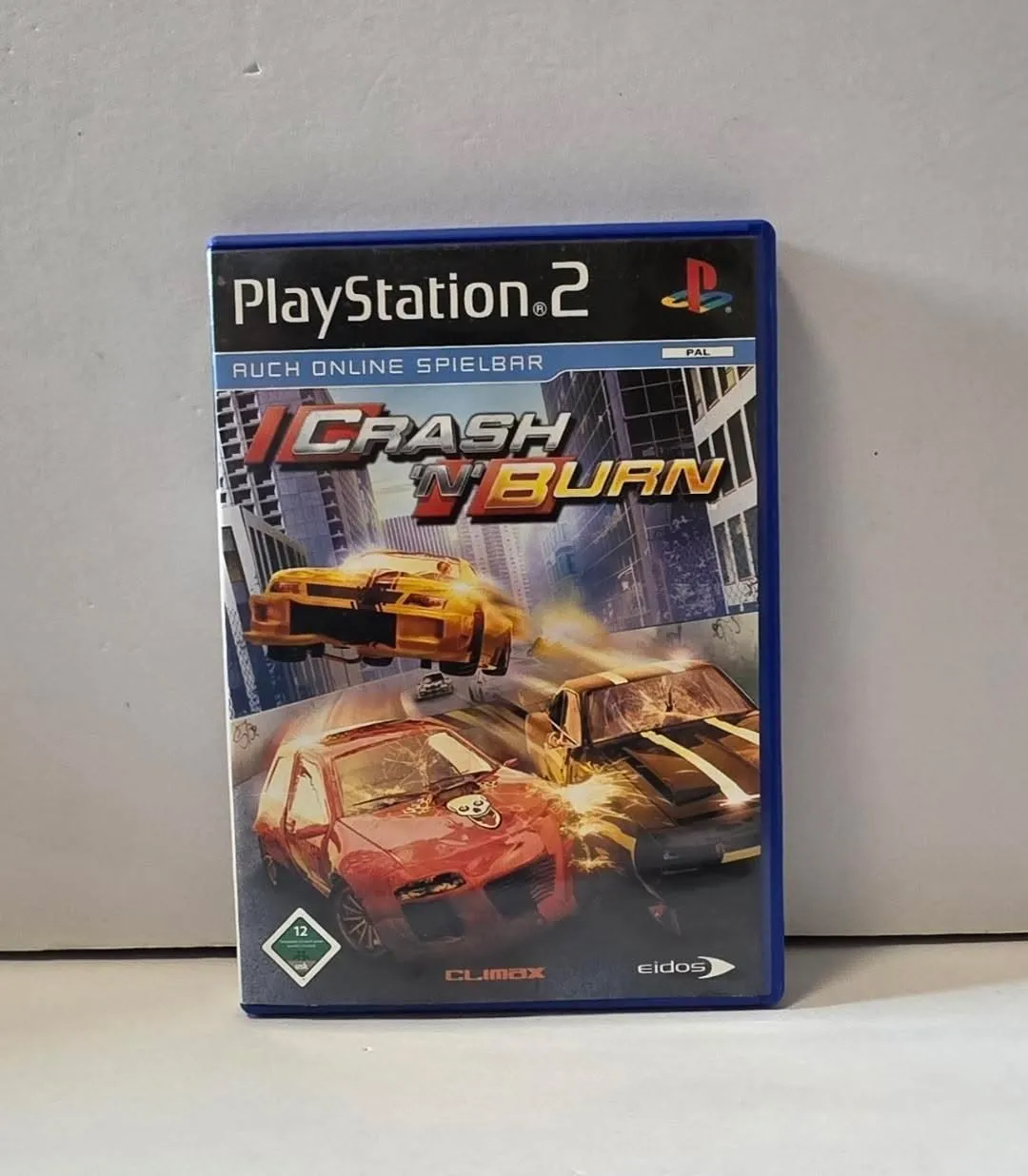
Crash ’N’ Burn for PlayStation 2 PAL
18,00 €
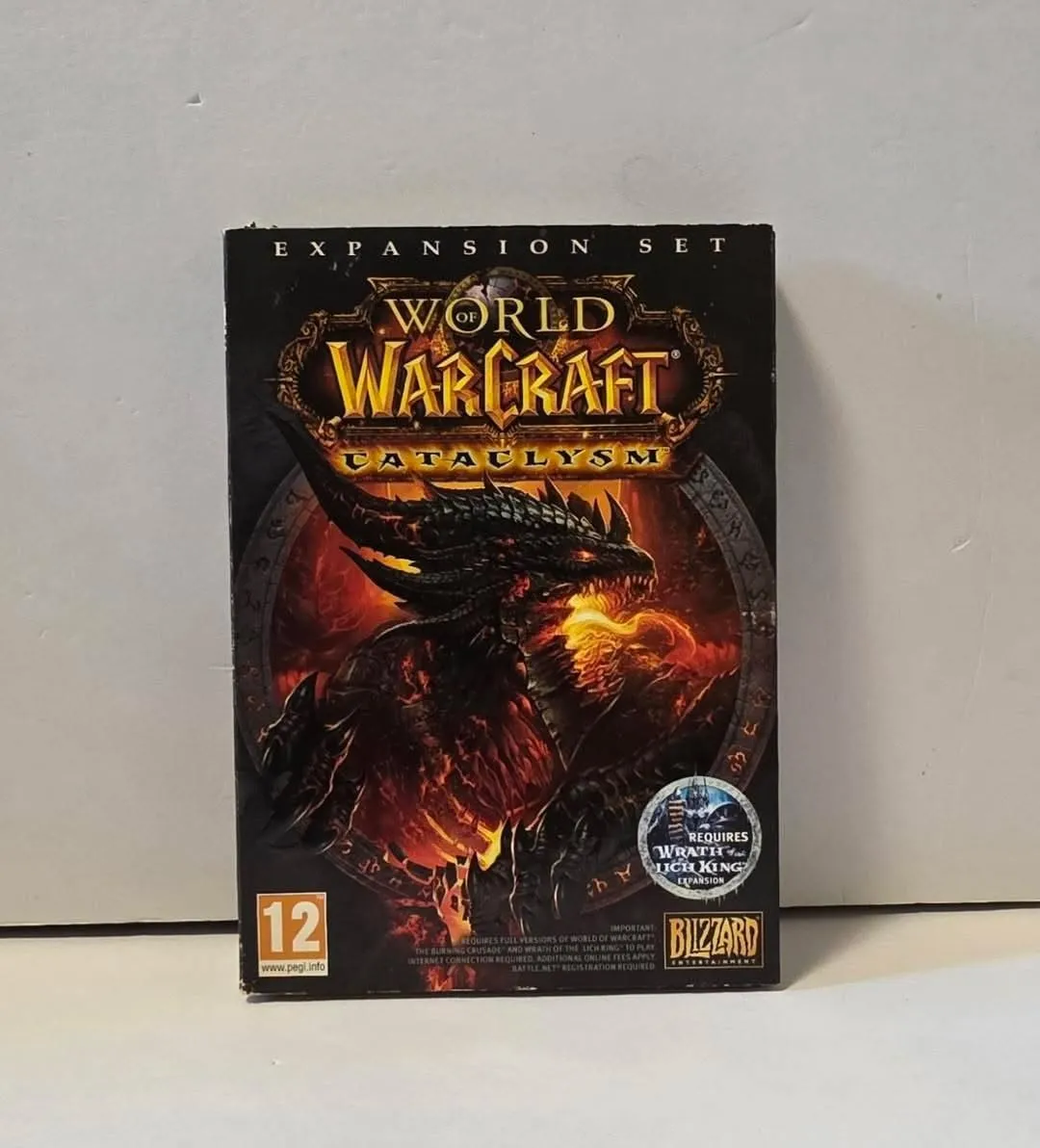
World of Warcraft: Cataclysm — PC DVD-ROM, PAL/EU
15,00 €
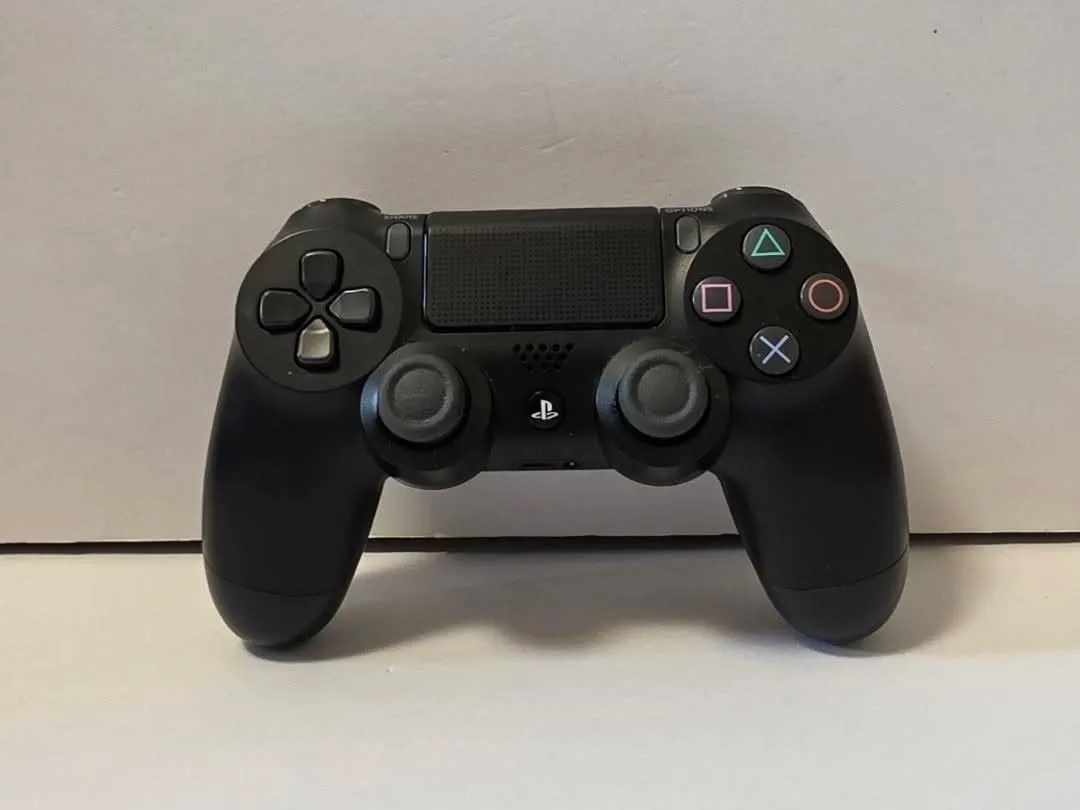
Sony PlayStation 4 DUALSHOCK 4 Wireless Controller — Black, CUH-ZCT1E
20,00 €
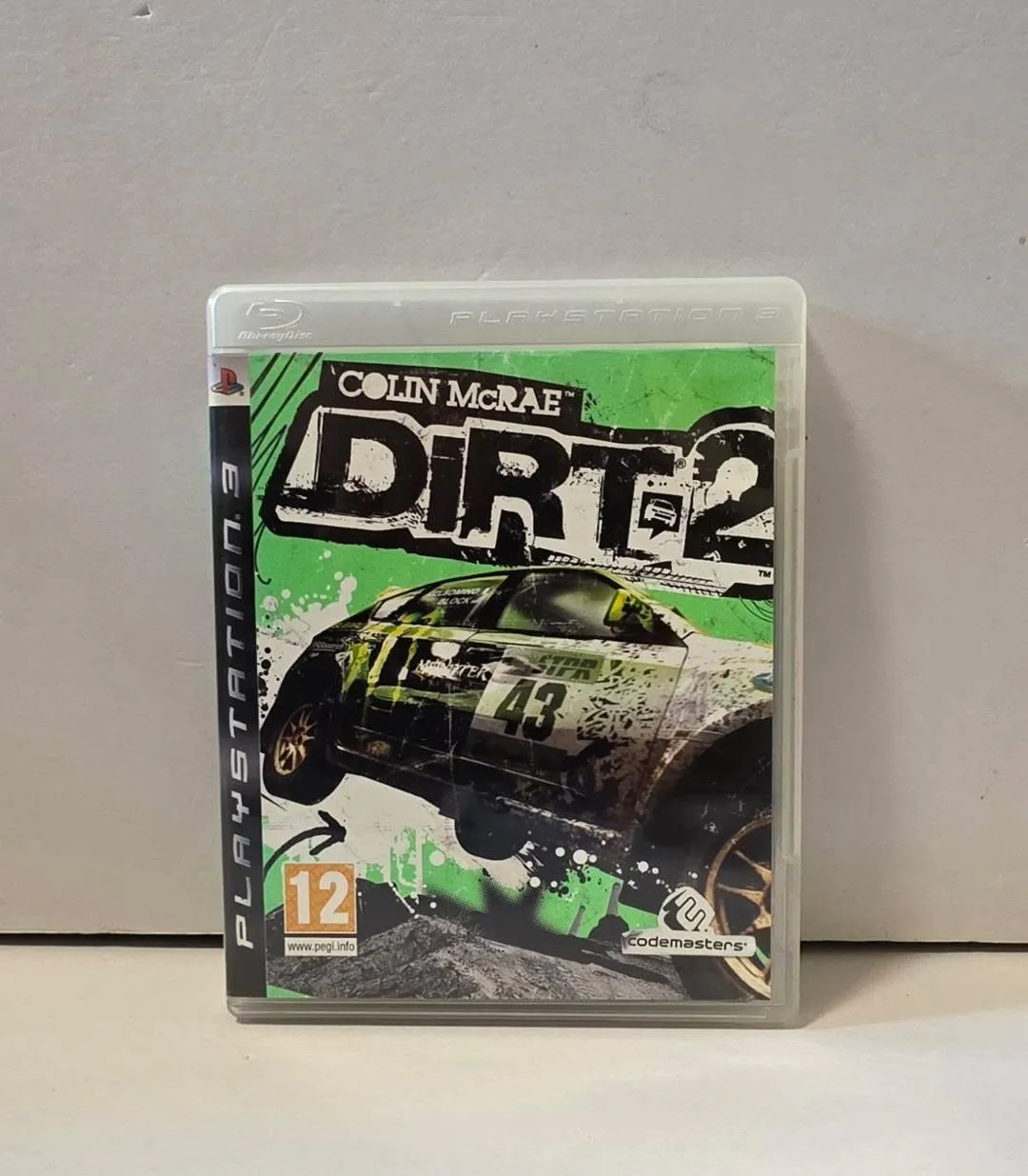
Colin McRae: DiRT 2 for PlayStation 3 — PAL
19,00 €
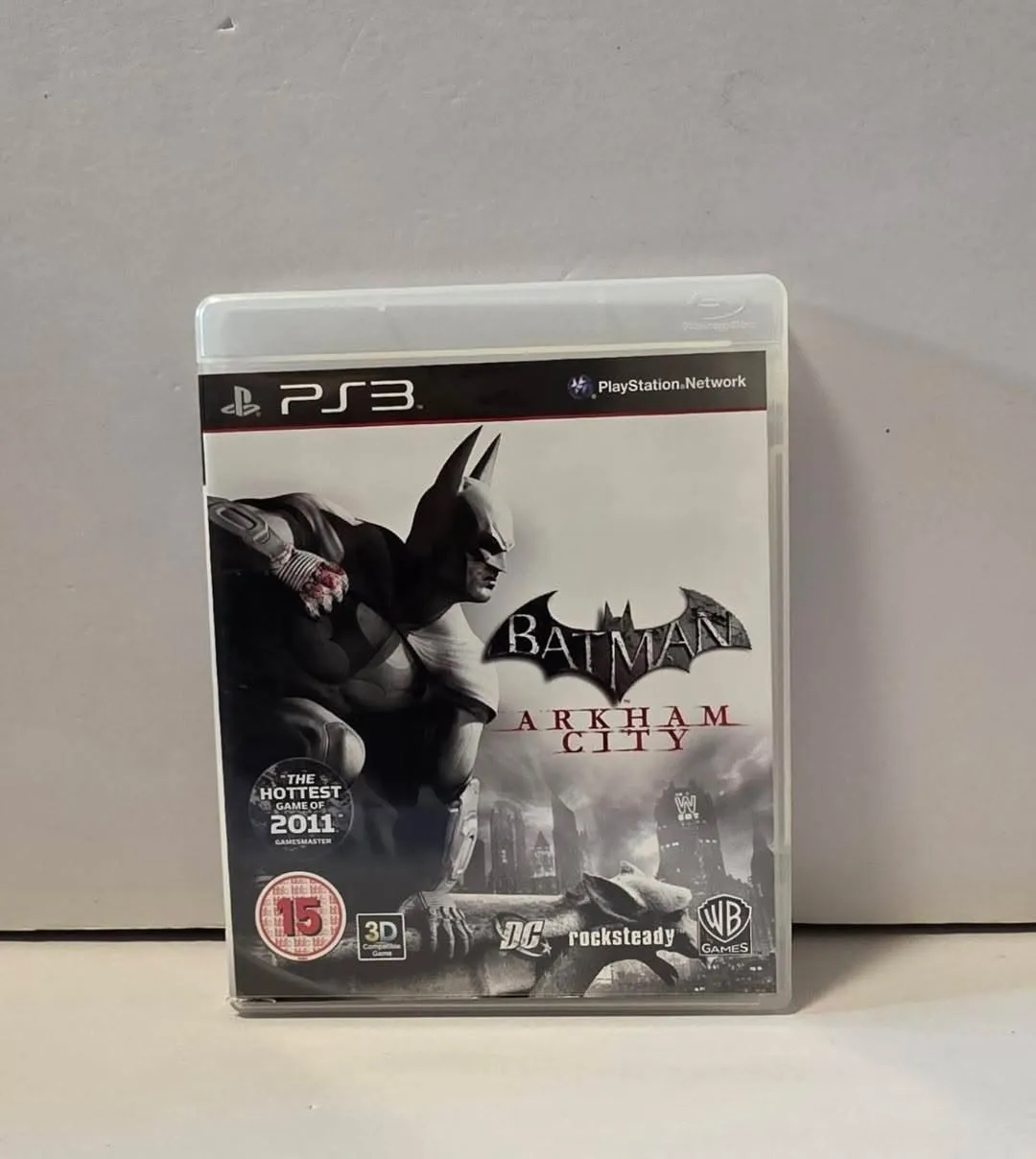
Batman: Arkham City for PlayStation 3 — PAL/UK
7,00 €
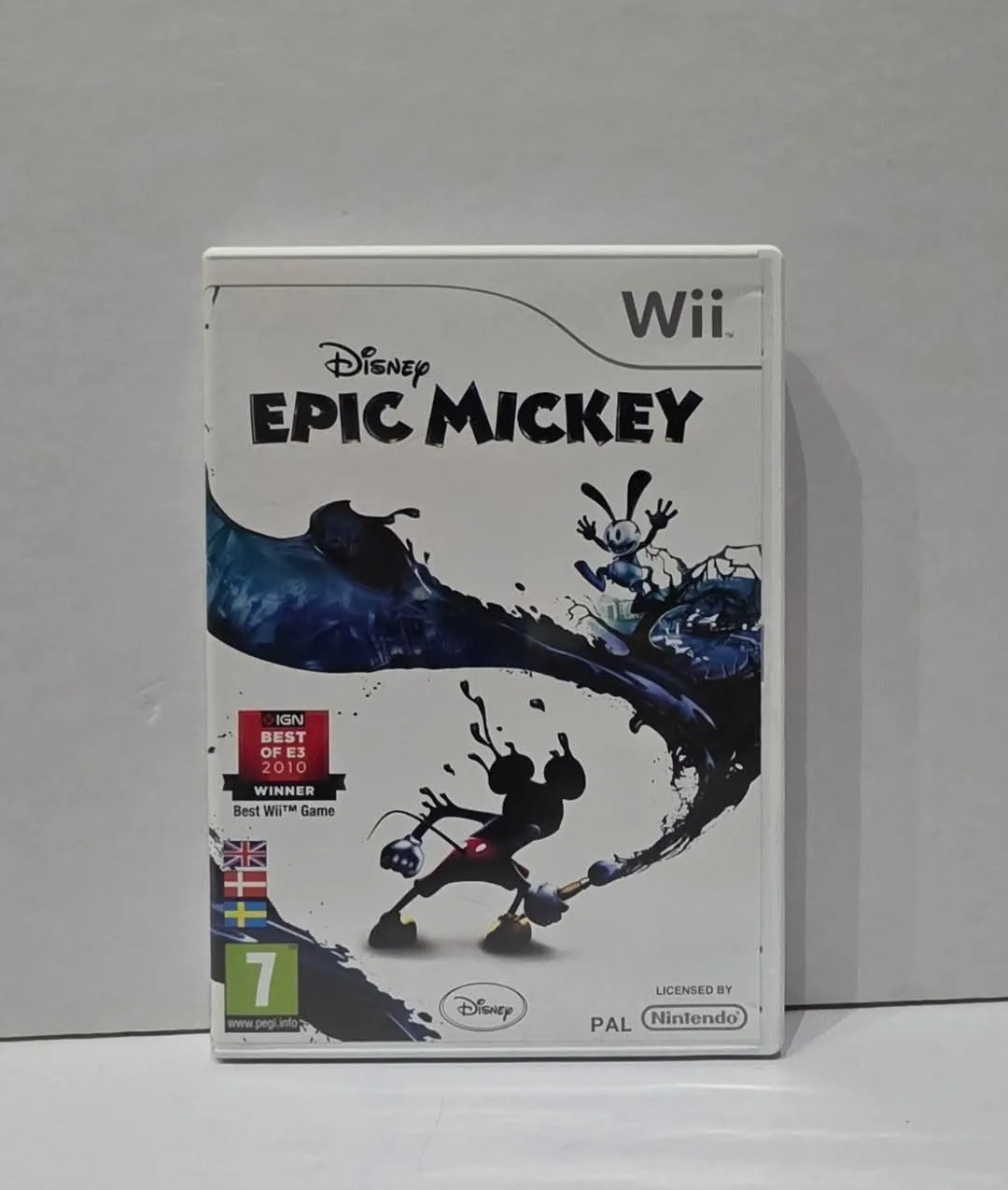
Disney Epic Mickey for Nintendo Wii PAL
9,00 €
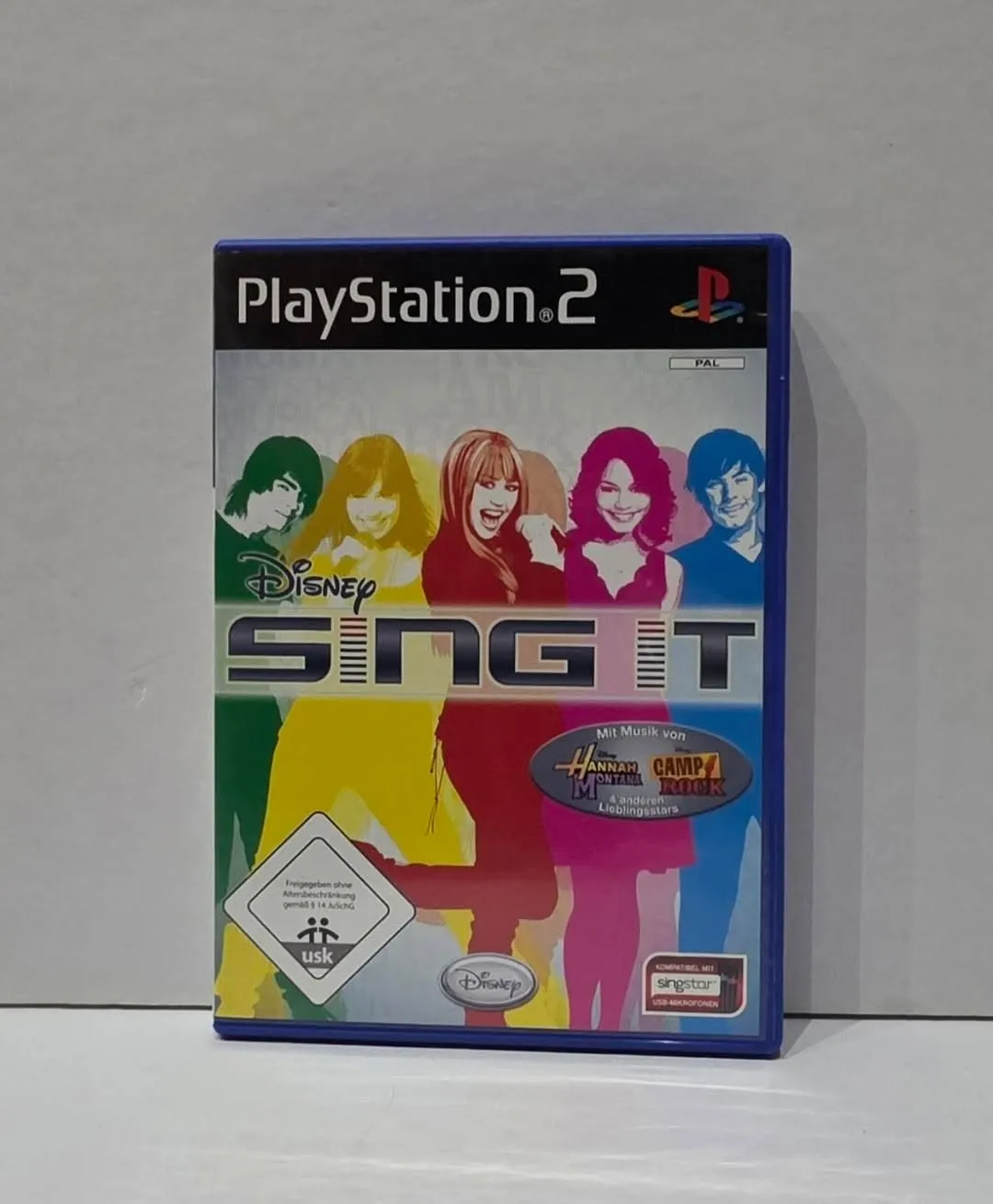
Disney Sing It for PlayStation 2 — PAL
5,00 €
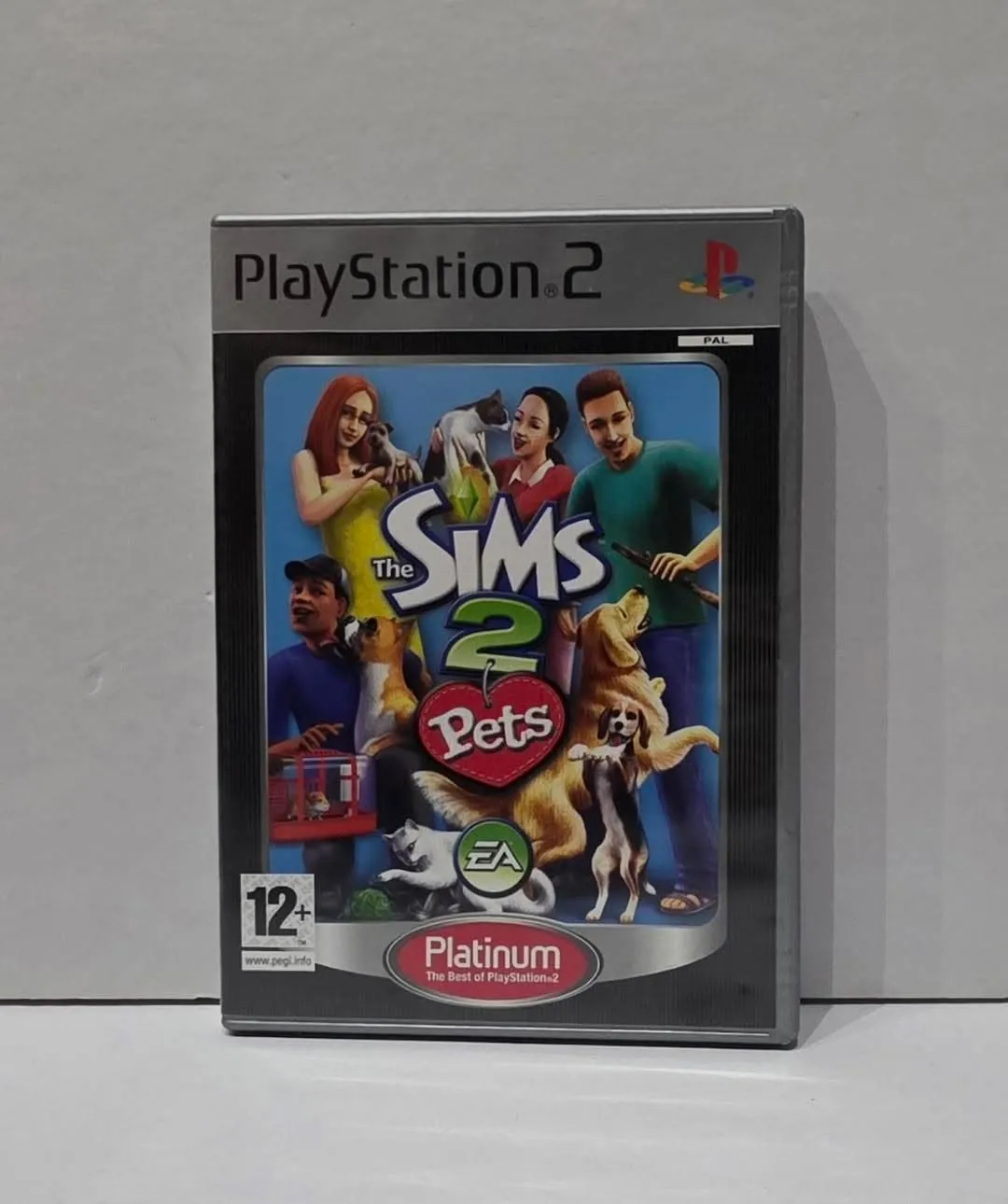
The Sims 2: Pets — Platinum for PlayStation 2, PAL
8,00 €