
The collector's edition
How to Choose a Retro Console for Gaming or Collecting
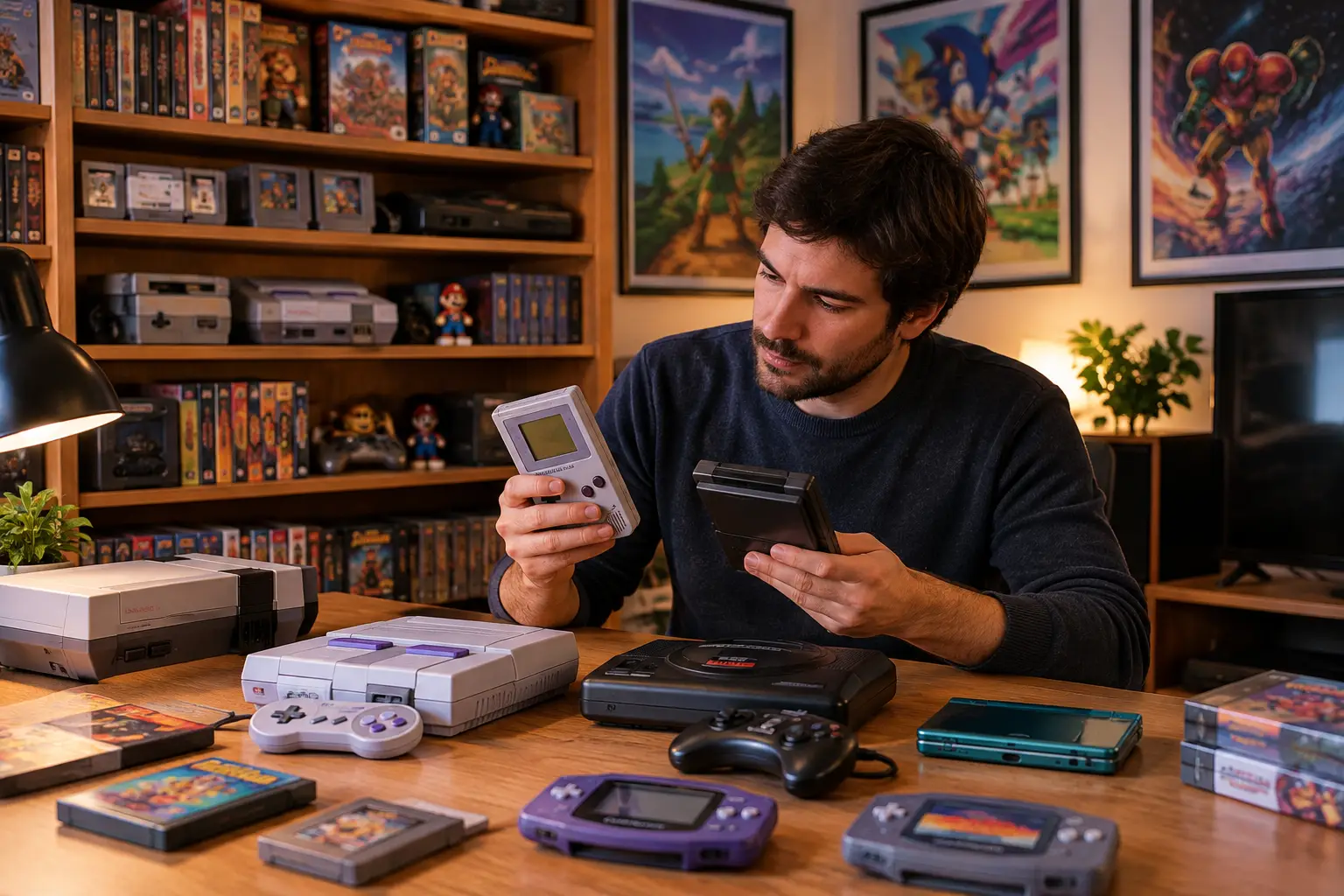
Your first retro console is rarely just an old machine. For some, it’s a chance to revisit Metal Gear Solid, Super Mario 64 or Sonic without nostalgia’s rose-tinted filter. For others, it’s the start of a collection where it matters whether the console is PAL, whether the casing has yellowed, and whether the box still contains the original cables, controllers and manuals. The best choice isn’t necessarily the most expensive model. It’s the one that suits how you plan to use it.
A retro console for gaming or for display
Before browsing specific listings, decide what you’re looking for. If you want to play often, prioritise a working disc drive or cartridge slot, a comfortable controller and an easy connection to your TV. Minor cosmetic marks on the casing aren’t deal-breakers if the hardware has been tested and the price is right.
For collectors, the picture is different. The original box, foam inserts, manuals, warranty card and correct power adapter can make a noticeable difference to the value. A console with all its original contents isn’t automatically a better buy, but it’s harder to find and usually easier to sell later.
There’s also a sensible middle ground: a well-kept console without its box, but with an original controller and cables. This is often the most practical way into retro gaming. You get authentic hardware without paying a premium for a unit that looks as if it just left the shop in 1998.
Choose a platform for its games, not the hype around it
The most popular systems are sought after for different reasons. PlayStation 1 has a huge library of JRPGs, racing games, horror titles and classics from the transition to 3D. PlayStation 2 is a natural choice for anyone looking for variety and relatively affordable games, but the condition of the laser deserves special attention on older units.
Nintendo 64 remains highly sought after for local multiplayer sessions, platformers and games closely tied to its controller. GameCube appeals with its compact design, Nintendo exclusives and increasingly strong collector interest. With SNES, Mega Drive and other 16-bit consoles, the appeal lies in the cartridges, instant start-up and a feel that’s hard to fully recreate with a modern collection of digital versions.
Xbox, Dreamcast and the original Game Boy shouldn’t be overlooked either. Dreamcast, for example, had a short life but a catalogue with a distinct identity. The first Xbox is interesting to fans of early Halo, Project Gotham Racing and its unique library. On handheld consoles, the screen, battery compartment and its cover often tell you more about the condition than a single photo of the front.
Don’t buy a model just because it’s currently fashionable with collectors. Make a short list of five to ten games you genuinely want to own. Then check which platform offers them most affordably and what editions are available. A console is only a good deal if its library will get it out of the cupboard more than once.
PAL, EU, UK, JP and why the region matters
In Bulgaria, PAL and EU editions are usually the easiest to use and most familiar to local collectors. UK versions are often compatible with European consoles, but may differ in cover art, manual language and power plug. That’s not a problem as long as it’s clearly stated and you have the right adapter.
Japanese JP consoles and games often look excellent because the market there has traditionally taken good care of boxes and manuals. However, they may have region locks, Japanese-language menus or different power requirements. On cartridge-based systems, the physical shape of the cartridge can also be an obstacle. A Japanese edition is a great find when you’re seeking it out—not when you discover what it is after buying it.
With PlayStation and other disc-based systems, also check the video signal format, especially if you’ll be playing on an old CRT TV. With a modern TV, the bigger question is often how you’ll connect the console. Composite cable works, but the picture isn’t always pleasant on a large screen. RGB SCART, component cable or a quality adapter can deliver a significantly better result, depending on the system.
How to check the condition of an old console
Here, actual photos and an accurate listing description are worth more than the words “works perfectly”. Check the casing from every side. Yellowing on light-coloured plastic is common and isn’t always a problem, but cracks around the screws, missing covers and signs of rough repairs are reasons to ask questions.
For a console with a disc drive, ask whether it reads original discs, whether games load quickly and whether it’s been tested with more than one game. A noisy mechanism doesn’t always mean it’s faulty, but skipped cutscenes, long loading screens or trouble with certain discs may point to a worn laser. On cartridge-based systems, check for corrosion in the slot, bent pins and an unstable picture.
The controller deserves special attention. Analogue sticks can have play, buttons can stick, and the cable may be bent near the casing. An original controller with normal signs of use is often a better choice than a cheap unofficial alternative. If you’re buying to play, how it feels in your hands is part of the experience—not a minor detail.
Power is another detail you shouldn’t take for granted. The wrong voltage or a random substitute can cause more trouble than a missing box. With imported consoles in particular, ask exactly what’s included and whether the adapter is suitable for the Bulgarian electrical supply.
What’s included affects the price, but not the enjoyment
In a listing, “console only” means exactly that—it may be missing the power supply, AV cable or controller. “Complete set” also needs to be read carefully. For one seller, it means a console with all the necessary cables; for a collector, it means the original box, documents and inserts, and sometimes even promotional materials.
Paying for a complete set makes sense if everything is in consistently good condition. A beautifully preserved box isn’t worth much if the console itself has missing parts or the controller doesn’t work. And not every item needs to be mint. Many excellent personal collections are built from honestly described, used but sound pieces.
A good listing specifies the model, region, condition and what you’ll receive. Photos should show serial stickers, ports, covers, controllers and any flaws. On KPZ, these specific details help you compare finds with confidence instead of guessing what’s behind a vague description.
When is the price fair?
There’s no single right price for retro hardware. It depends on the model, region, functionality, completeness, appearance and current demand. A limited colour or rare version may cost more, but only when its authenticity is clear. A sticker added by a previous owner doesn’t turn a standard console into a special edition.
Compare similar units, not the lowest price you can find. A cheap console without cables, with an unclear issue or a missing cover isn’t directly comparable to a tested set in clean condition. Factor in the cost of playing, too: an extra controller, memory card, video cable or servicing can change the overall value.
Sometimes it’s wiser to wait. Especially with a rare model, rushing into a purchase often means compromising on region, condition or missing parts. Set clear criteria and keep an eye on new listings. Patience is one of the few upgrades that works with every console.
In the end, choose a machine that gives you a reason to press Start that very evening. Save the photos, description and region details if you’re adding it to your collection. And when you decide to make room for your next find, an honest description of its condition is the best thing you can do for the next fan. Buy. Sell. Trade.
Find it at KPZ
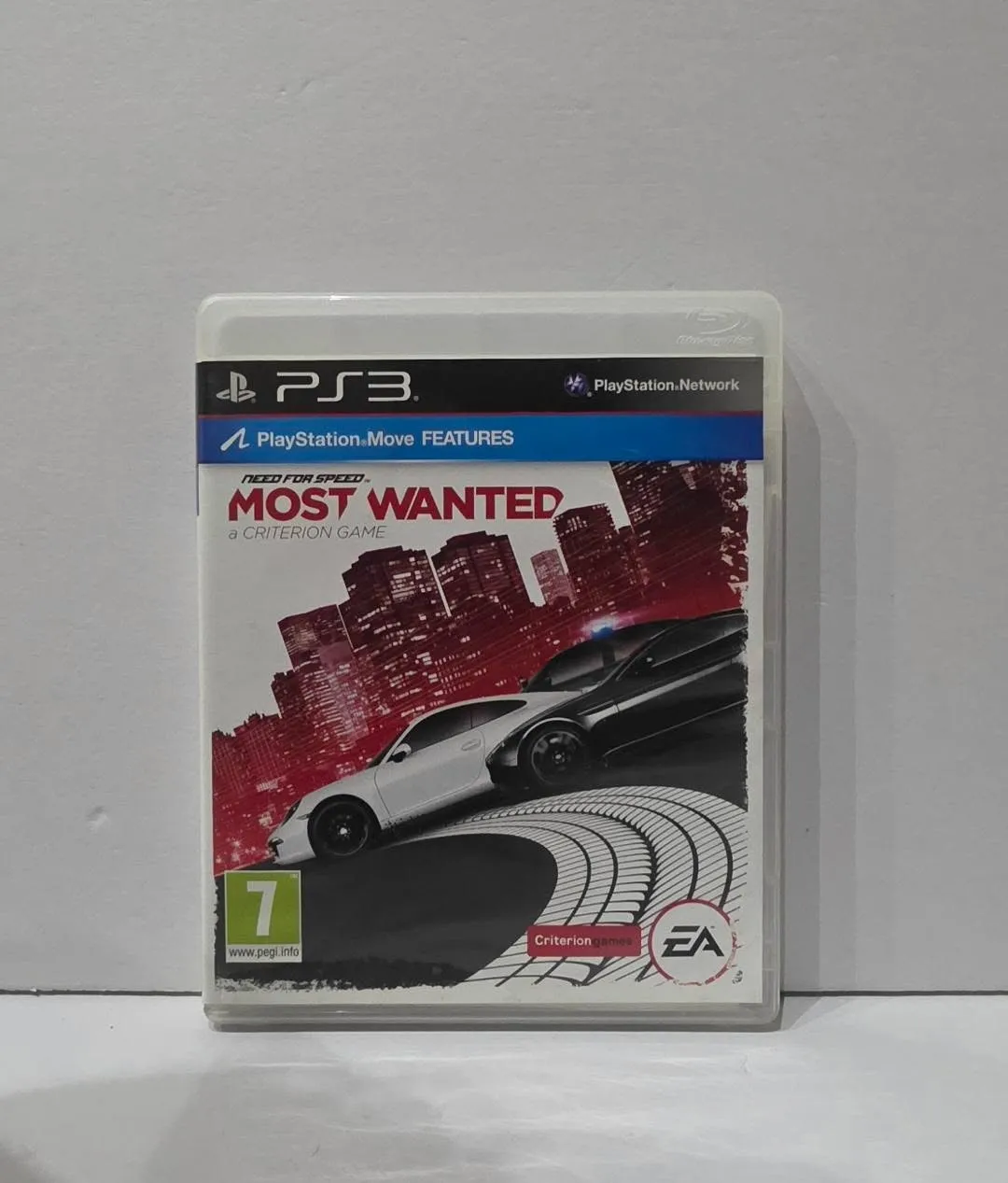
Need for Speed: Most Wanted — PS3, PAL
8,00 €
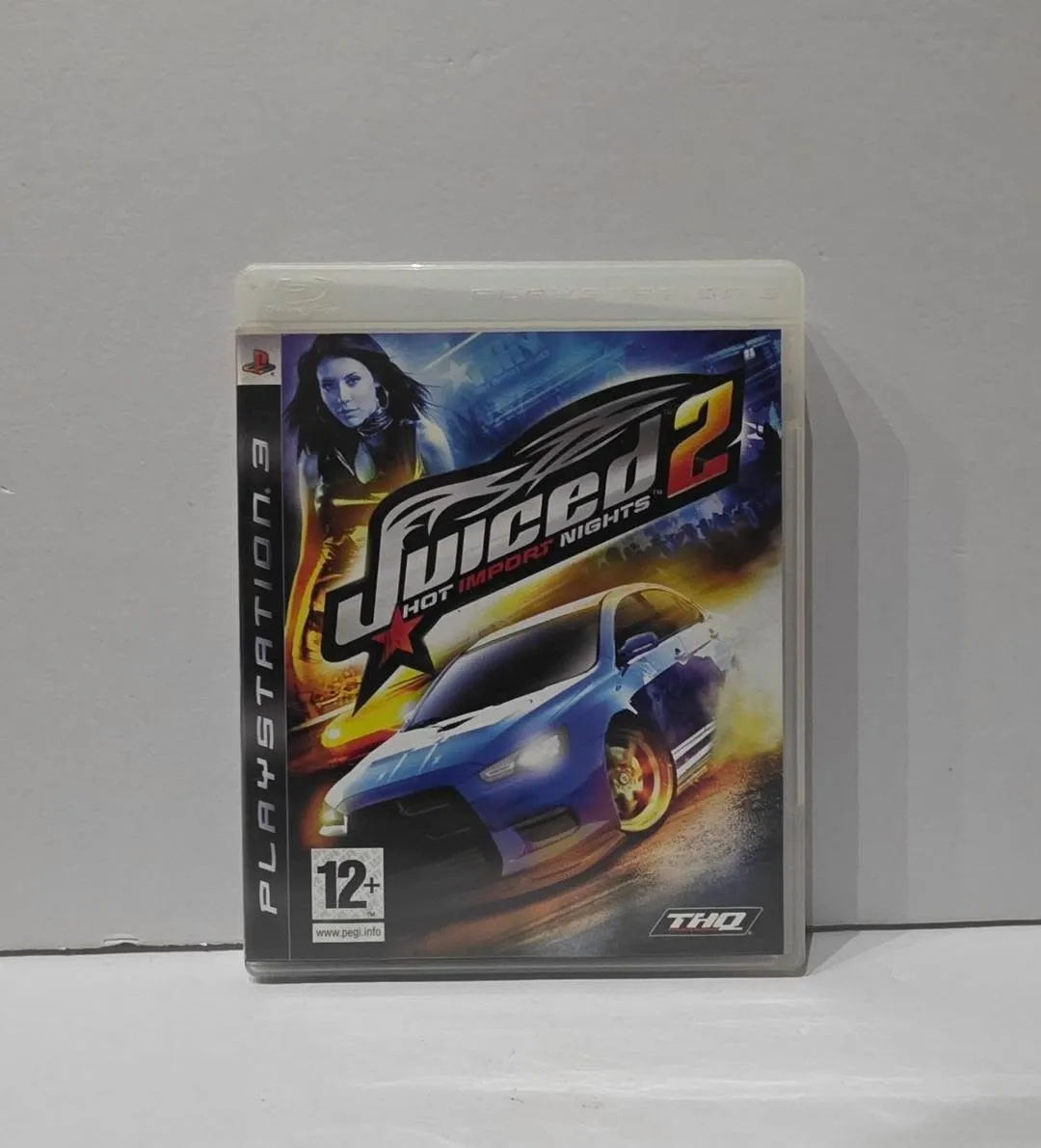
Juiced 2: Hot Import Nights for PlayStation 3
17,00 €
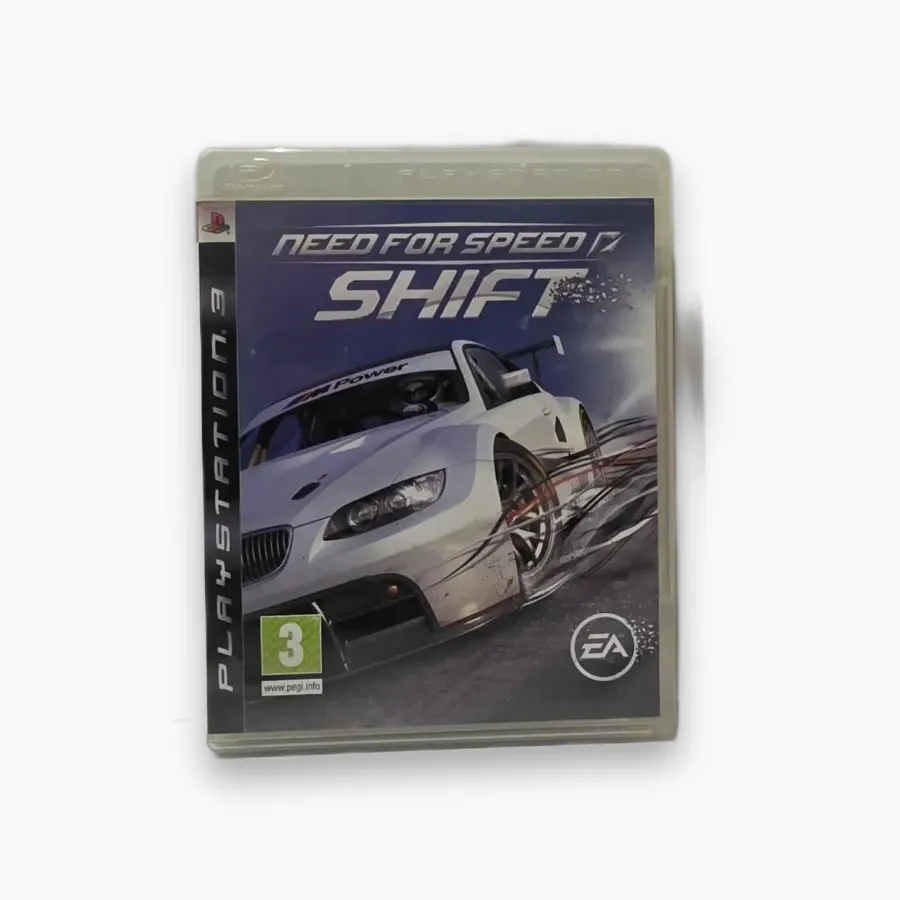
Need for Speed: Shift for PlayStation 3
9,00 €
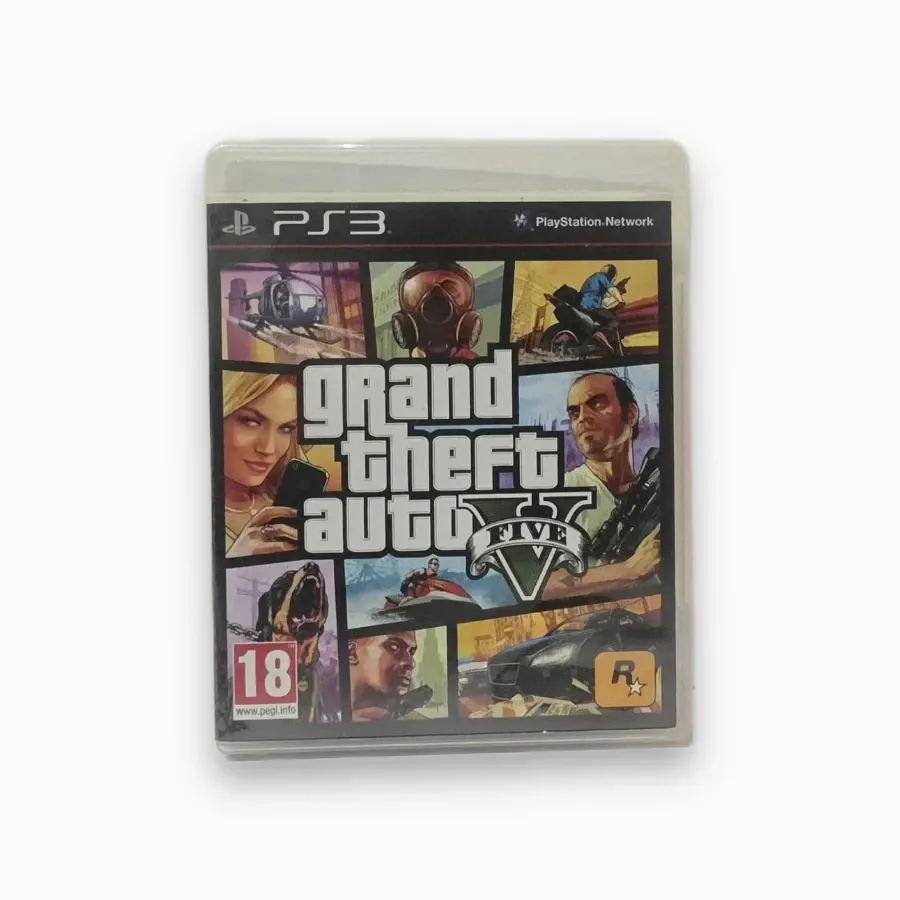
Grand Theft Auto V for PlayStation 3 (PAL/EU)
11,00 €
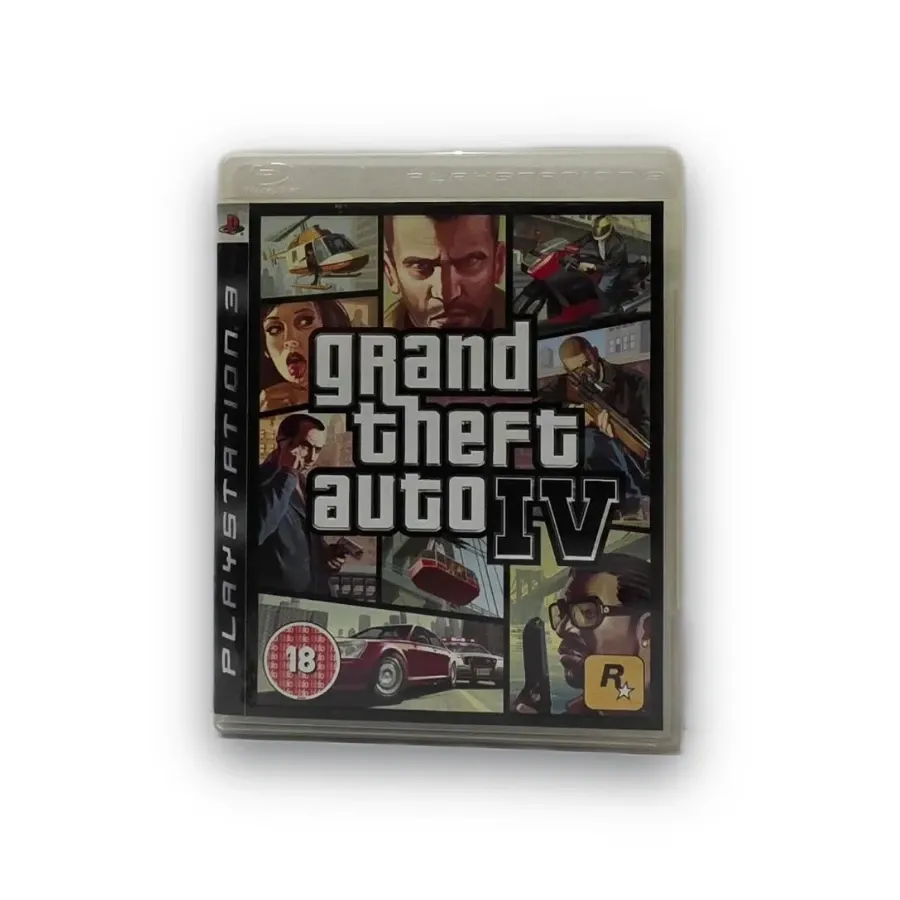
Grand Theft Auto IV for PlayStation 3
10,00 €
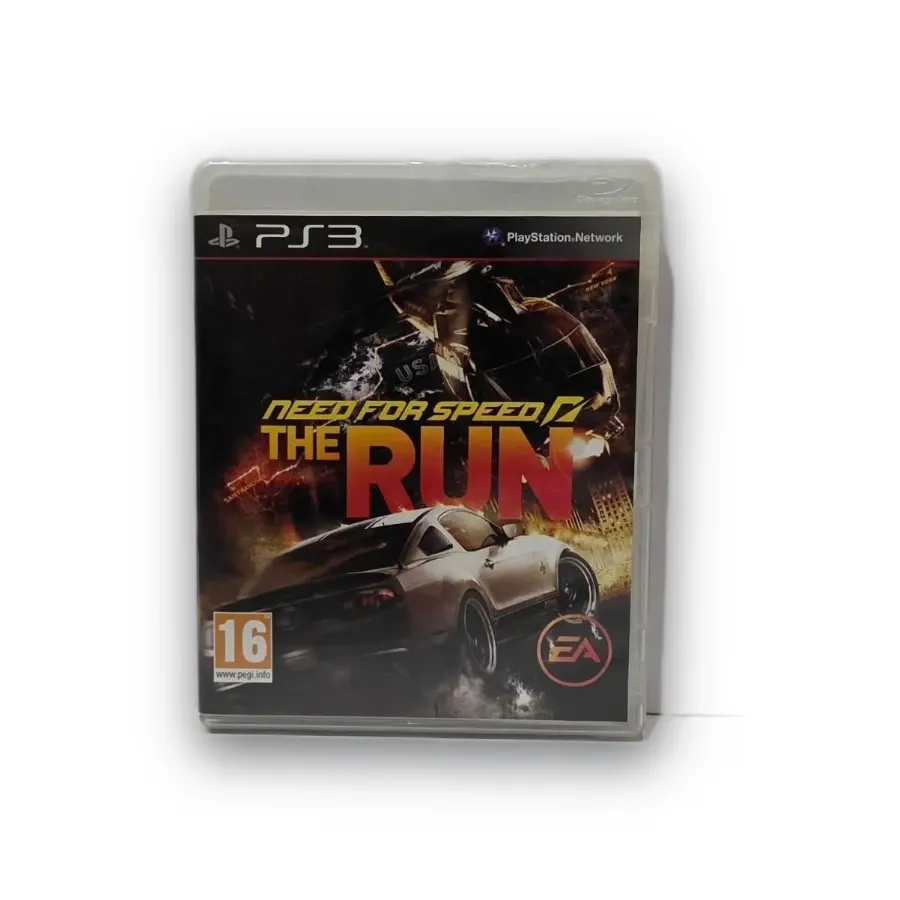
Need for Speed: The Run for PlayStation 3
8,00 €
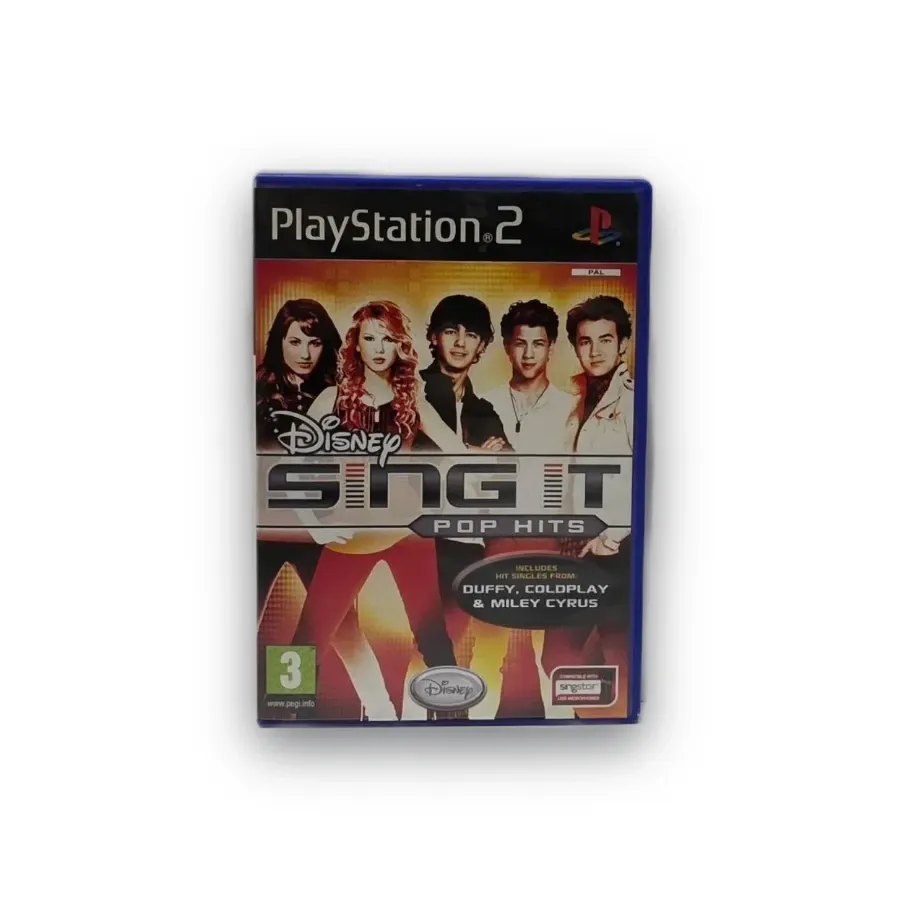
Disney Sing It: Pop Hits for PlayStation 2
18,00 €
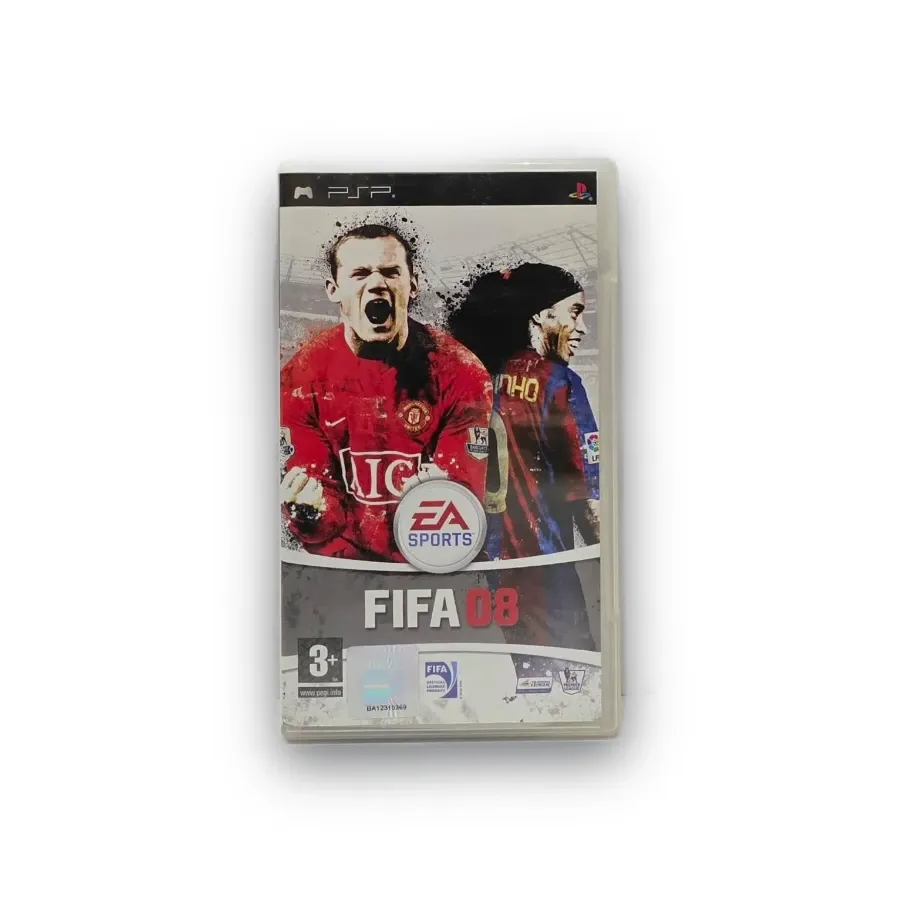
FIFA 08 for PSP
5,00 €
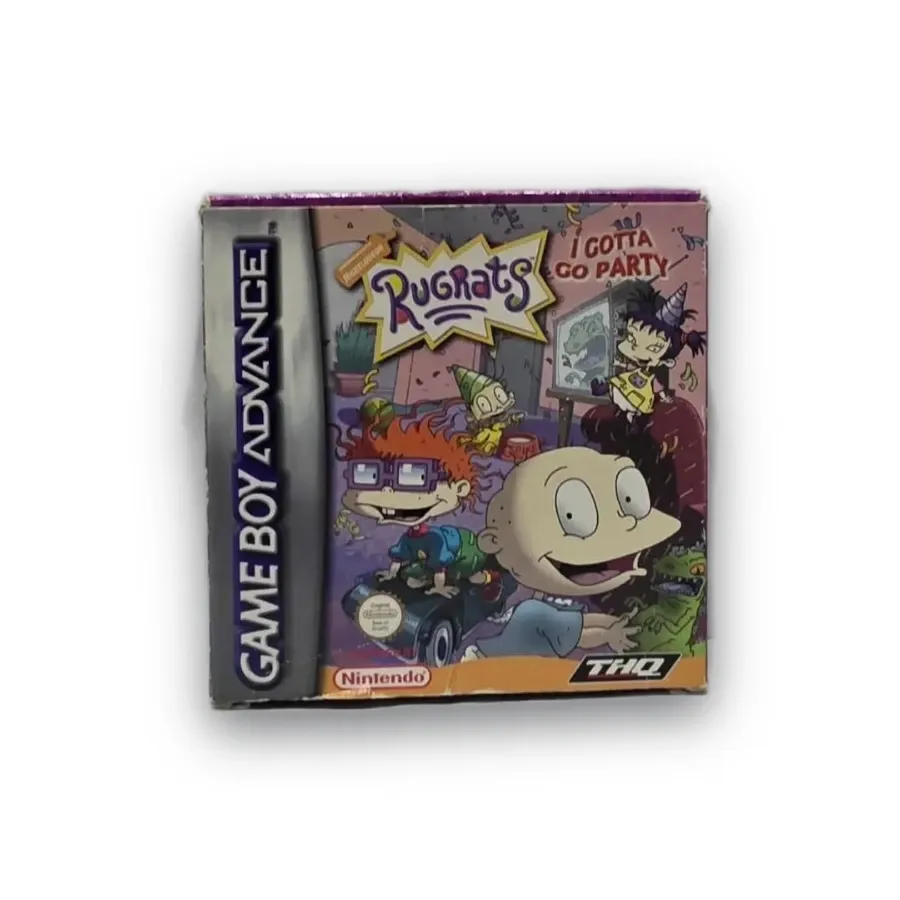
Rugrats: I Gotta Go Party for Game Boy Advance
27,00 €
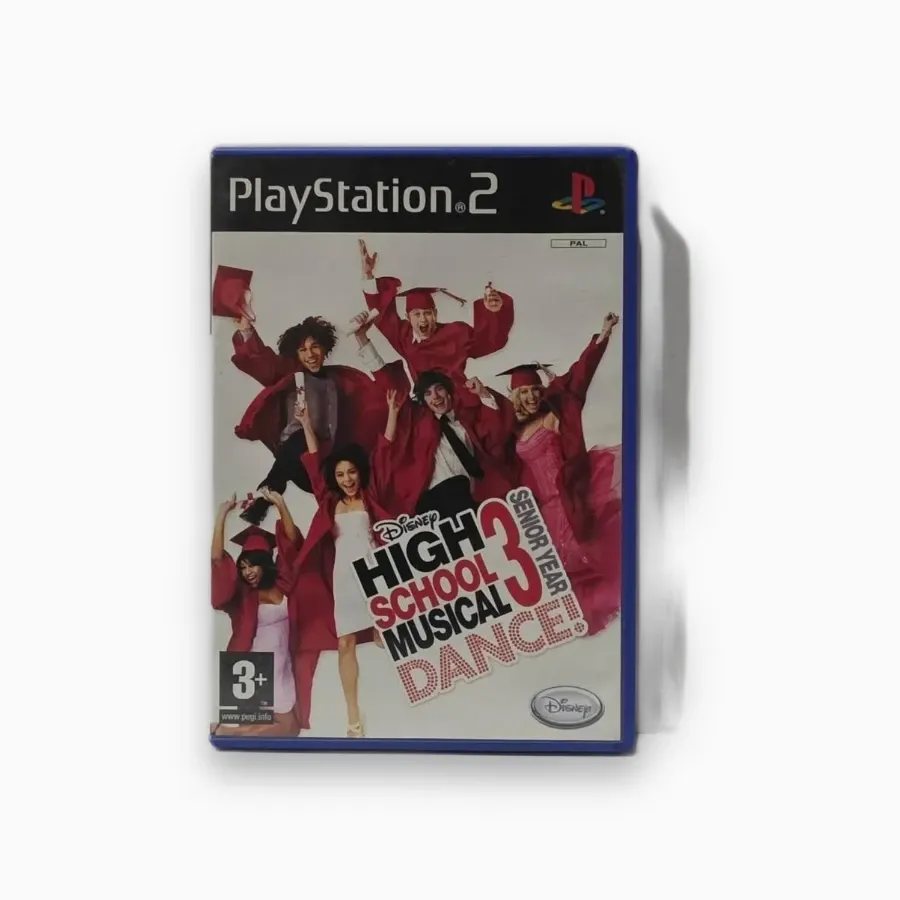
Disney High School Musical 3: Senior Year Dance! — PlayStation 2
5,00 €