
The collector's edition
How to Spot a Fake Funko Pop: 10 Signs
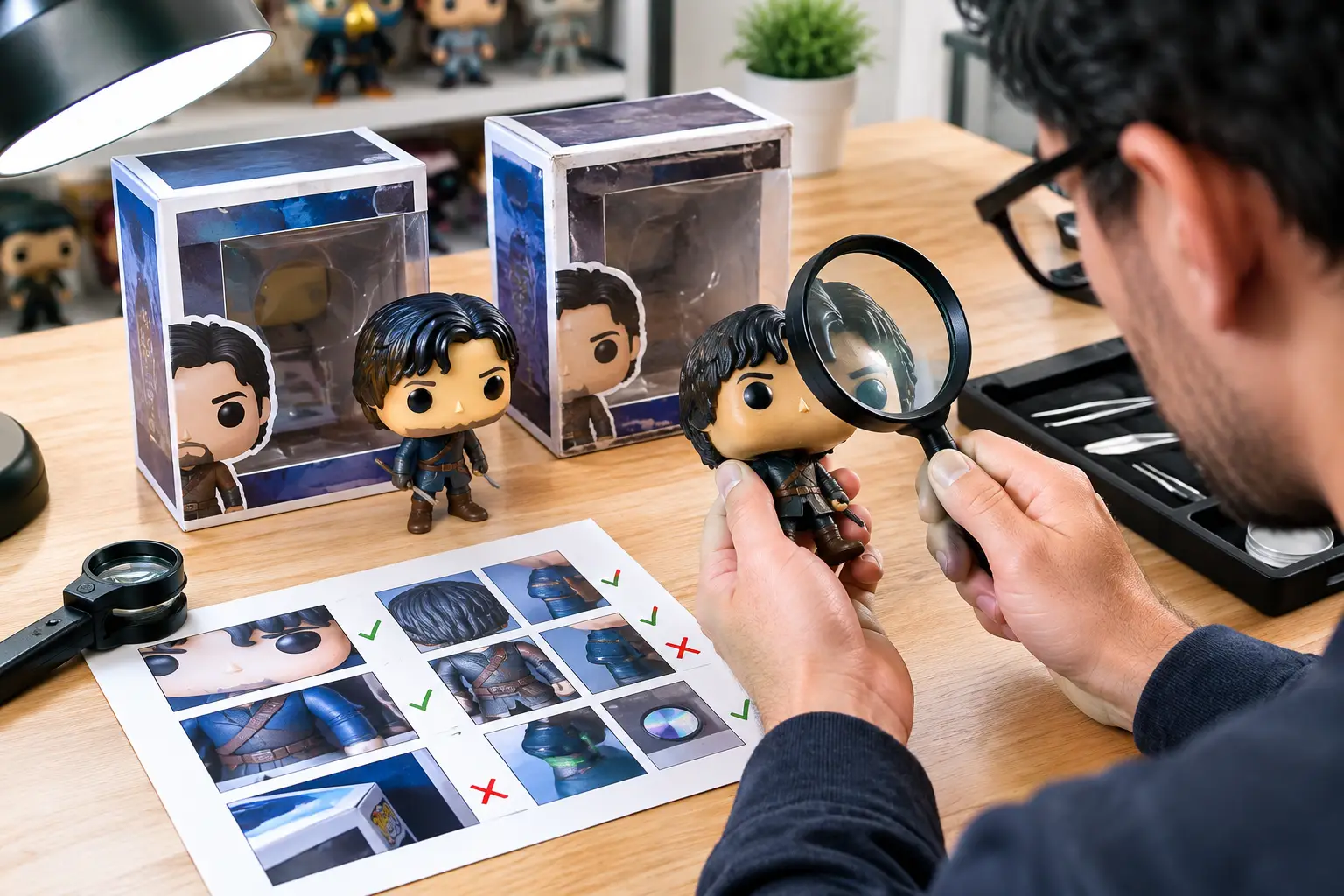
You come across a Chase, Exclusive, or long-discontinued Pop at a suspiciously good price. The photos look decent, the box shines, and the seller assures you that the figure is authentic. That’s when it’s time to check how to spot a fake Funko Pop before a great find turns out to be a replica with no collectible value. You don’t need a laboratory or encyclopedic knowledge of every character. You need a few precise checks, real photos, and the willingness to pass on the deal if something doesn’t add up.
With Funko Pop, a single discrepancy isn’t necessarily a verdict. Older series may have printing differences, regional variants, factory imperfections, or replaced stickers. But if the box, number, sculpt, and price tell different stories, the risk is serious.
How to spot a fake Funko Pop from the listing
Start checking before you look at the figure itself. See whether the listing includes photos of the actual item from every side, not just a catalog image. For a valuable Pop, ask for photos of the front, back, top, and bottom, a close-up of the sticker, and a shot of the bottom of the figure. A reputable seller will understand why these details matter.
Be careful with an unusually low price. A rare, discontinued, or exclusive Pop may sell below market value if the box is dented or the seller is in a hurry to part with it. But a brand-new, sought-after Chase priced like an ordinary common Pop deserves further questions. Good deals do exist, but there’s usually an explanation for a too-good-to-be-true price.
Check how specific the listing title is. “Funko Marvel figure” tells you almost nothing. A more useful listing names the series, character, box number, edition, and condition, and says whether the figure has its original box. For more expensive items, small details matter too: Convention Exclusive, Special Edition, Glow in the Dark, flocked variant, or Chase.
Check the box, but don’t rely on it alone
The box is the easiest place to check, but also the part most often copied. Replicas can look convincing at first glance, especially when the photo is low-resolution. Rather than looking for one “magic” sign, compare several details with photos of a proven authentic example from the same edition.
Logo, colors, and printing
On an authentic box, the Funko logo and Pop! lettering are usually printed cleanly, with sharp outlines and correct colors. Fakes may show faded tones, overly thick letters, blurry printing, or small differences between the character’s face in the front and side illustrations.
Inspect the figure number. It should match the character and series, but that alone isn’t enough: many replicas copy the correct number. Also compare the font, its placement, the background color, and all licensing text with a box from the same version.
The window and cardboard
The clear window on an authentic box is usually glued well and cut evenly. Peeling edges, glue on the window, a roughly cut plastic panel, and very thin cardboard are warning signs. Still, don’t jump to conclusions if the box is old or heavily used: transport and moisture can leave marks on an authentic example too.
Pay attention to the folds as well. On replicas, the cardboard is often too soft, the flaps don’t fit properly, or the inside has a different color and texture. An authentic box in poor condition may be worth less, but its construction should still make sense and its printing should be good quality.
Barcode and production codes
Check the barcode and small codes on the bottom of the box. They should be clearly printed, not look like an added sticker with uneven edges. If possible, compare them with reliable photos of the exact same edition, since different batches and markets sometimes have different codes.
Don’t treat the code as an absolute certificate. Counterfeiters can copy it, and it may be partly rubbed off on an authentic box. The code is a strong signal only if it also matches the other details.
Inspect the figure itself
The box may have been replaced, and the figure may have been placed in a different one. So, for an expensive purchase, ask for photos of the figure without the plastic inner insert too. The face, hair, hands, base, and the bottom of the head or feet are especially important.
An authentic Funko Pop isn’t a high-end hand-painted statue. Small factory specks, minor paint misalignment, or a fine mold line are possible. With replicas, however, imperfections are often much more visible: rough plastic, sharp edges, deformed parts, matte paint where there should be gloss, or a strong chemical smell.
The sculpt is a decisive clue. Compare the shape of the eyes, nose, hairstyle, weapons, and clothes with real photos of the specific model. Fakes often have a slightly different expression, crookedly placed accessories, or proportions that look “almost right,” but not quite. Differences are easiest to spot in details such as helmets, masks, costume textures, and raised logos.
Check the markings on the figure too. Many authentic models have raised licensing text, a year, production information, or a Funko mark on the bottom of the foot, head, or body. Their placement and form depend on the series. Their absence doesn’t automatically prove the figure is fake, but unclear, shallow, or misspelled text is a serious warning sign.
A sticker doesn’t make a figure exclusive
Convention, retailer, and Special Edition stickers increase interest in many Pop releases. That’s why they are replaced or added to standard items. Check that the sticker has the right size, position, color, and printing for the specific edition.
Legitimate differences do exist. For example, the same Pop may come with a convention sticker in the US and a Special Edition sticker for international distribution. That doesn’t mean one version is fake. What matters is that the specific combination of figure, box, number, and sticker was actually released by Funko.
Don’t confuse an aftermarket sticker with a fake figure. Sometimes a collector adds a protective or decorative sticker; sometimes the original is missing. This affects value and should be clearly disclosed, but it isn’t the same as a counterfeit. If you’re buying for your collection, pay according to the actual condition and authentic contents, not a pretty promise.
Compare the exact edition, not just any Pop
A common mistake is comparing a figure with the first image that comes up in a search. One character may have dozens of versions: different years, sizes, finishes, and poses, regional boxes, and re-releases. Compare only Pops with the same number, series, and variant.
Older figures can also have normal production differences. Some were made in different factories, and boxes from different years may have a slightly different font or manufacturer address. Don’t reject an item over just one difference. Look for a combination of discrepancies: a poor-quality box, a questionable sticker, the wrong sculpt, and an unexplained low price.
Buy in a way that lets you check carefully
When buying a more valuable Pop, don’t hesitate to ask specific questions. Ask where the figure was bought, whether there’s a receipt or order confirmation, whether the box has been opened, and whether there are any flaws. Not everyone keeps documentation, especially for an old collection, but a clear and consistent answer inspires more confidence than vague phrases like “100% authentic.”
Choose listings with real photos and clear condition information. In a specialist catalog like KPZ, you can search by series, edition, and condition, and cash on delivery lets you inspect the parcel before completing the deal. This doesn’t replace your own checks, but it reduces the risk of buying blind.
If the figure arrives and something doesn’t look right, don’t cut the box straight away, remove stickers, or throw away the packaging. Photograph the details, compare them calmly, and keep your correspondence with the seller. For collectibles, condition and evidence are part of the value.
The best protection isn’t memorizing every code, but building a habit of comparing. Save photos of the rare items you’re looking for, clarify exactly what the edition includes, and don’t let FOMO make the decision for you. Your next great find will be even sweeter when you know why it deserves a place on your shelf.
Find it at KPZ
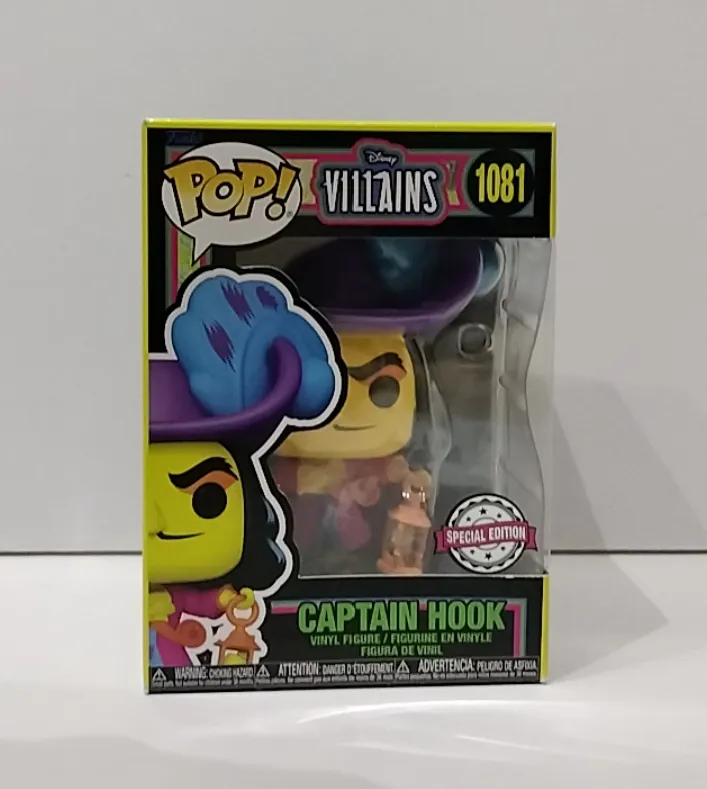
Funko POP! Disney Villains Captain Hook #1081 — Special Edition Black Light
12,00 €
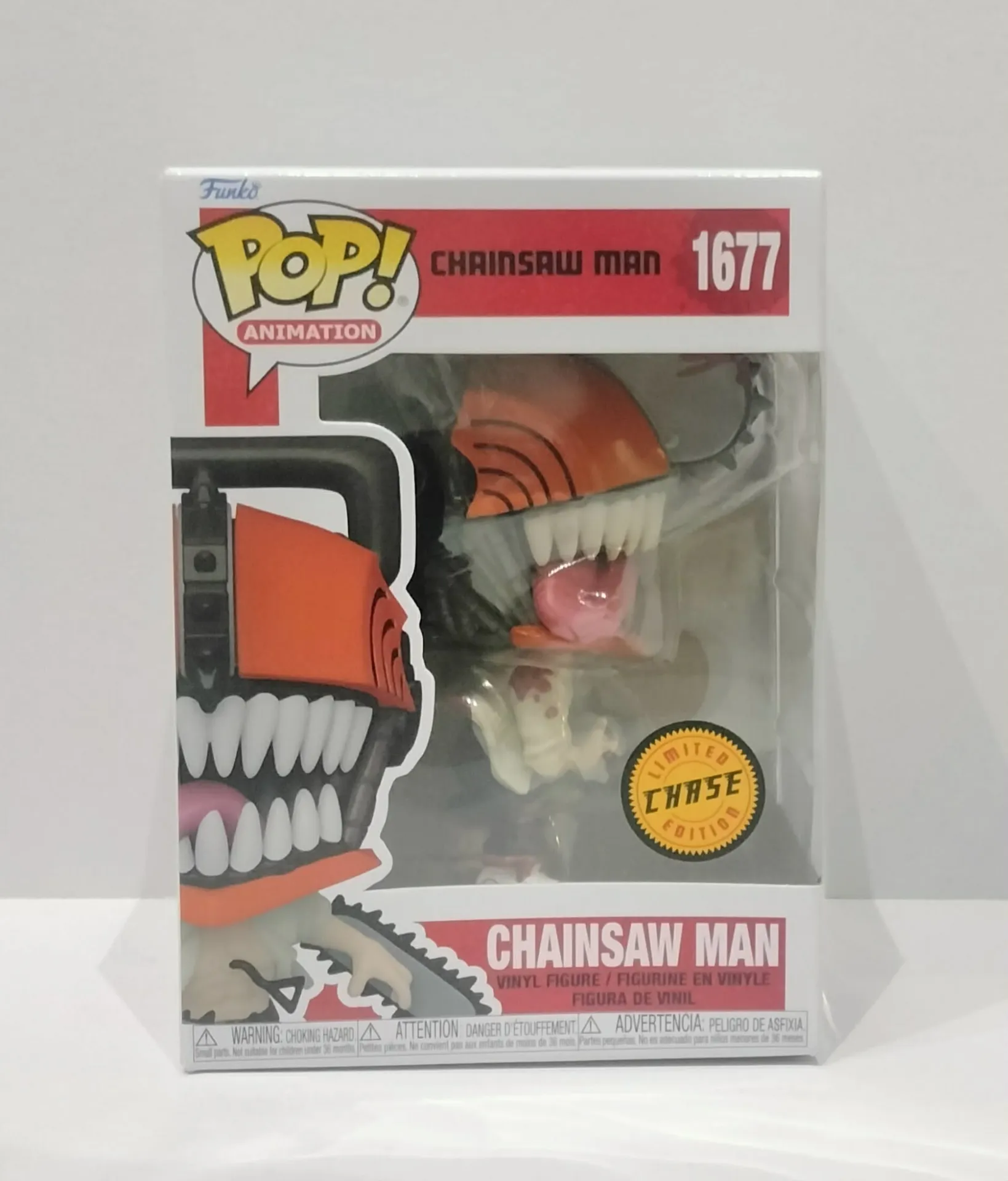
Funko Pop! Chainsaw Man #1677 — Bloody Chase
30,00 €
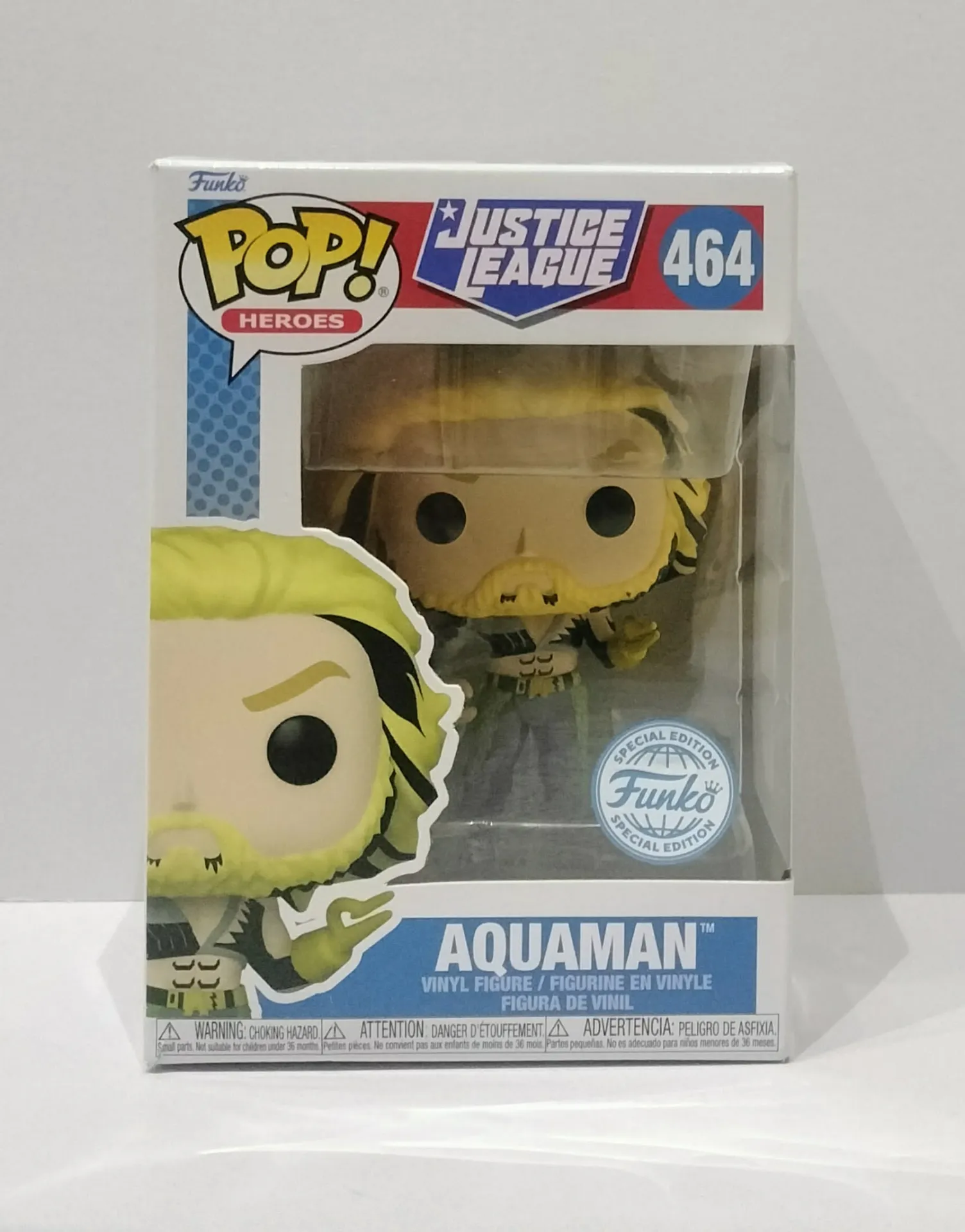
Funko POP! Aquaman #464 – Justice League Special Edition
12,00 €
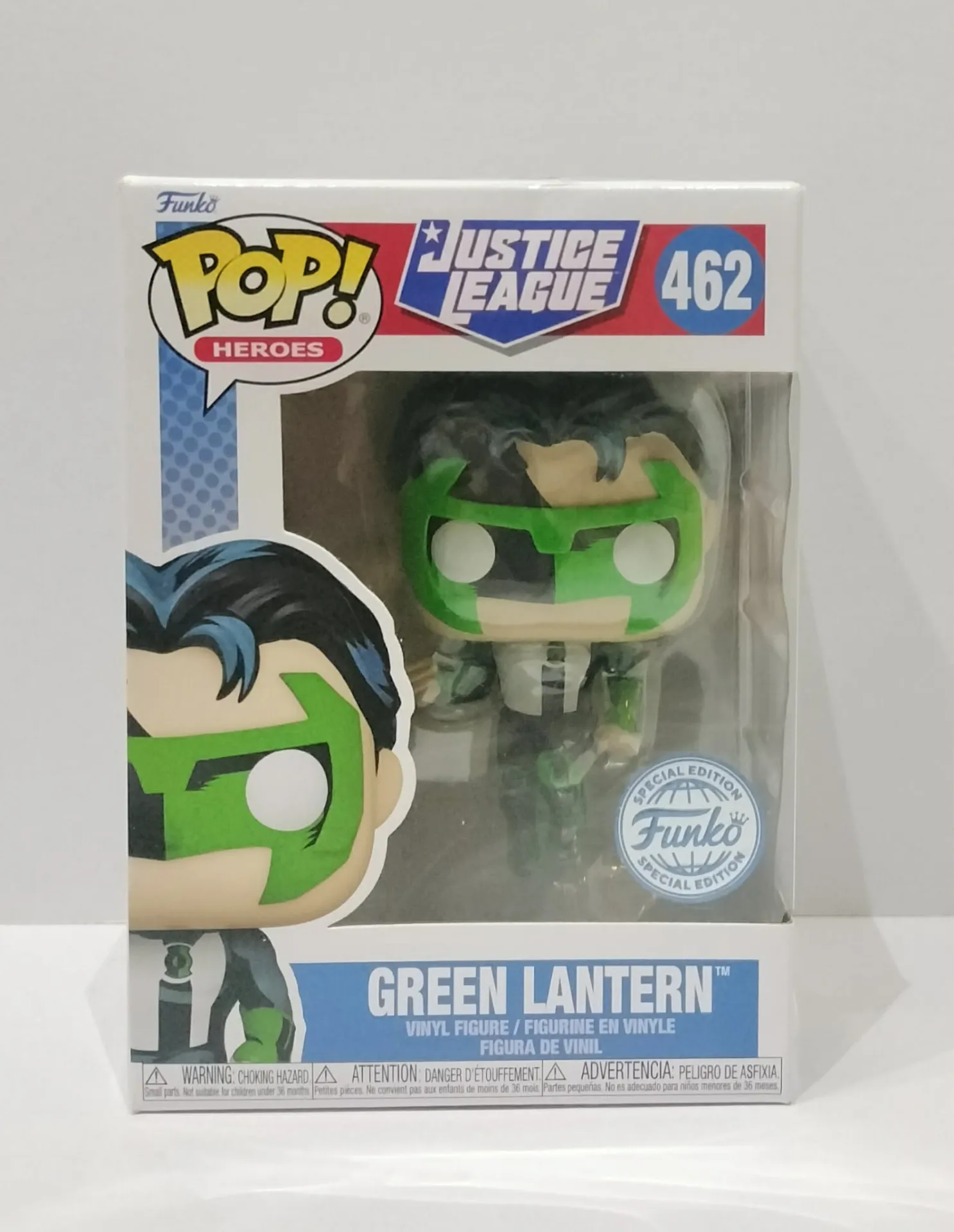
Funko Pop! Heroes Green Lantern #462 — Special Edition
25,00 €
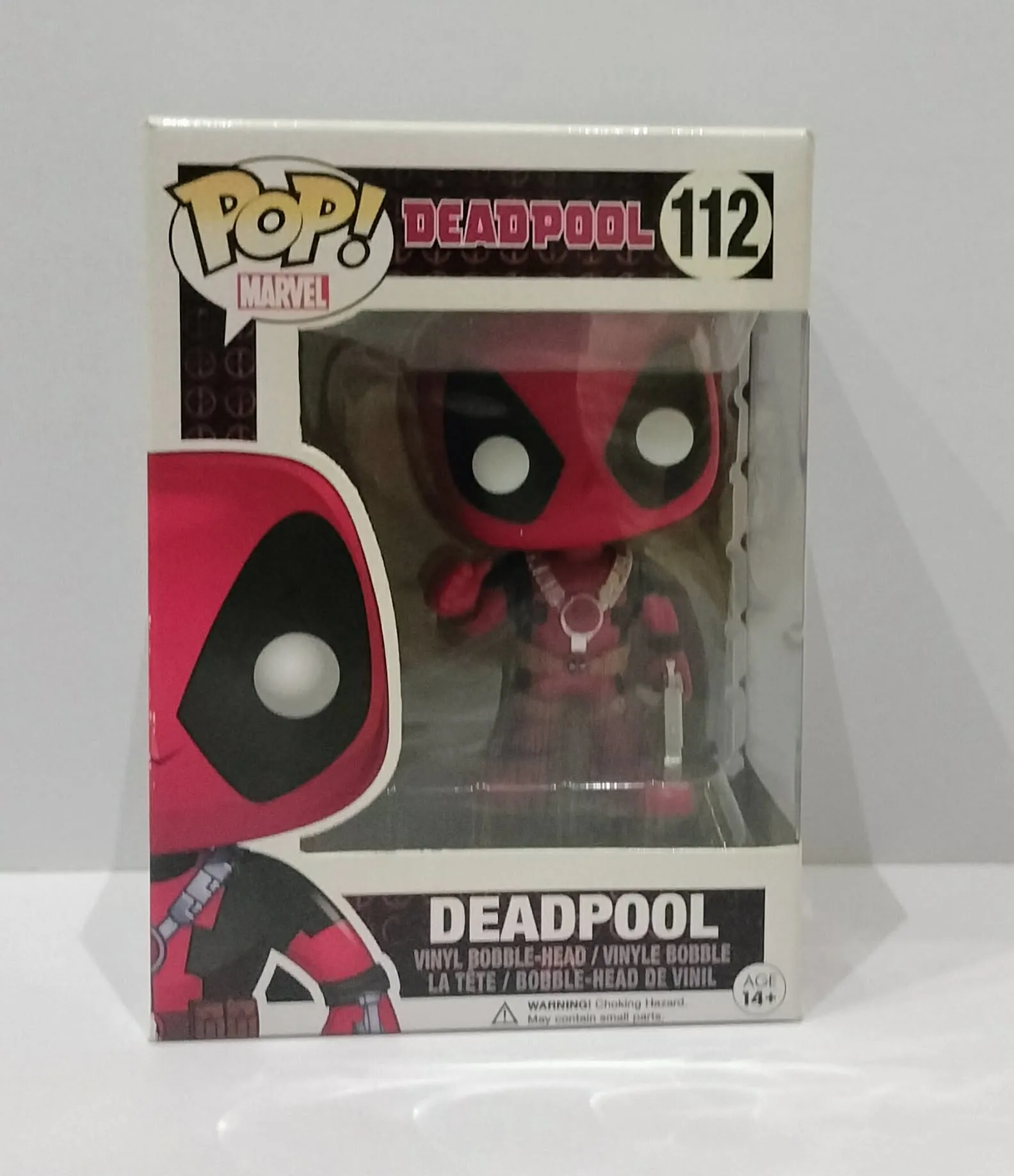
Funko Pop! Marvel Deadpool (Thumbs Up) #112
10,00 €
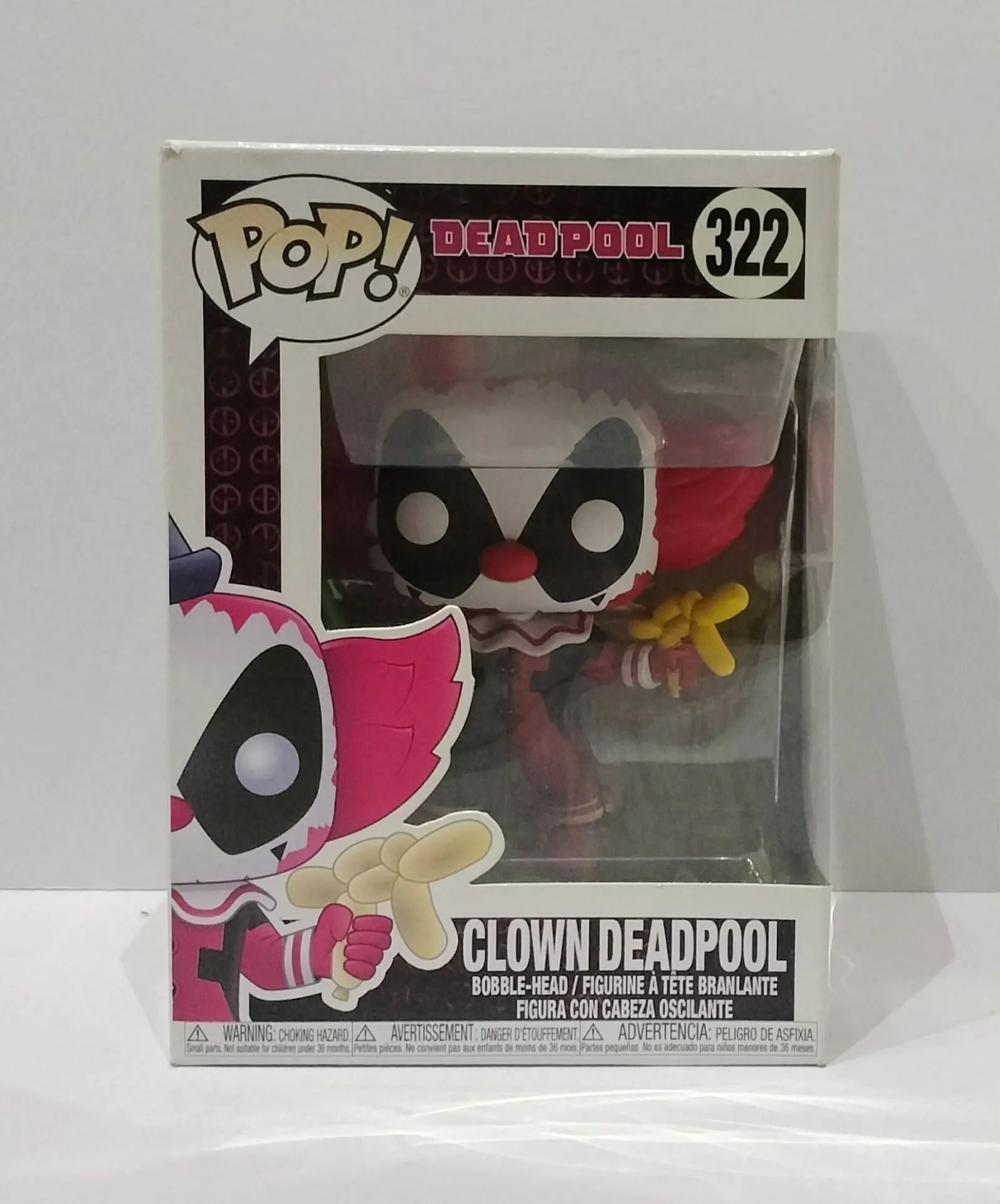
Funko Pop! Marvel Clown Deadpool #322
10,00 €
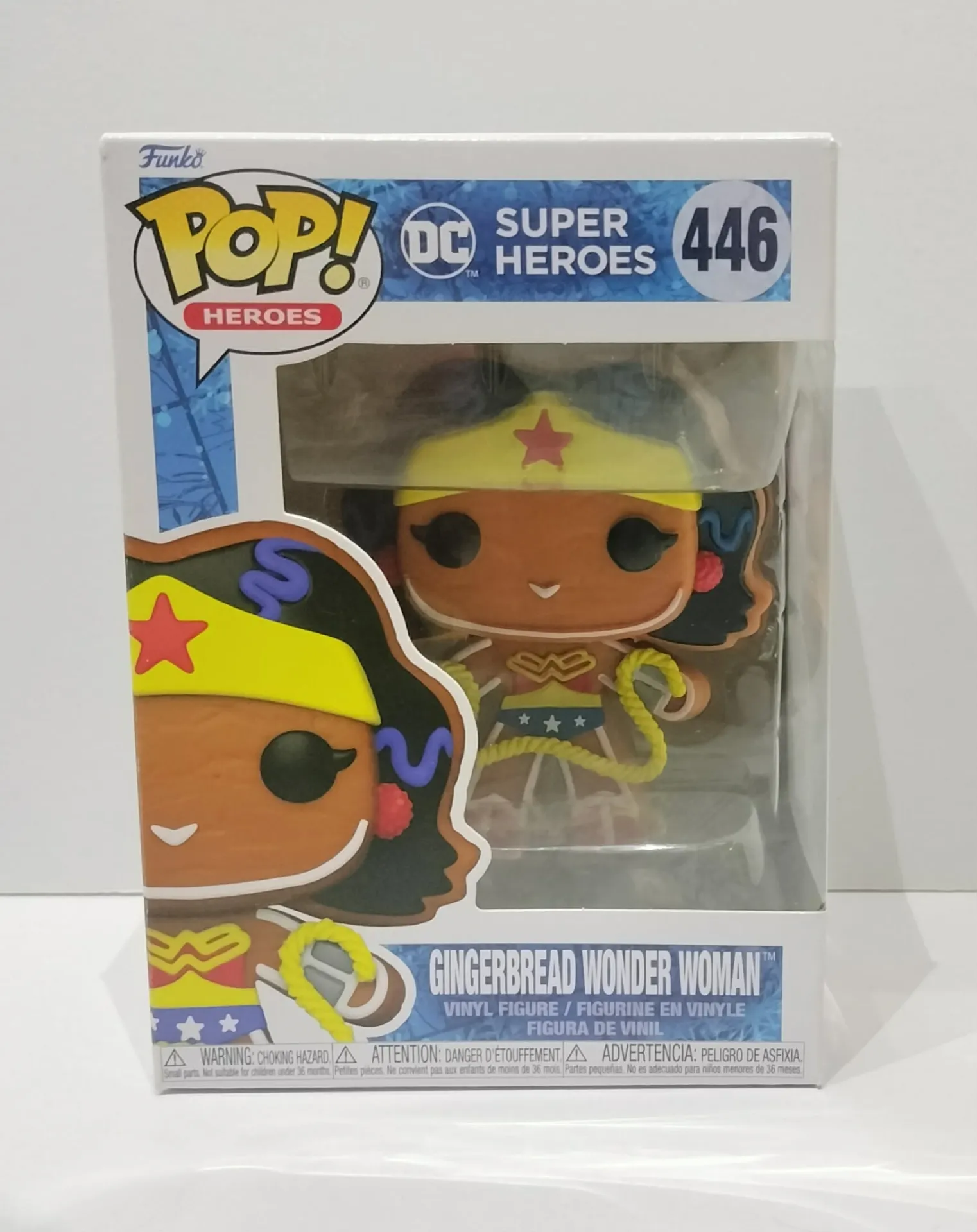
Funko Pop! Gingerbread Wonder Woman #446
10,00 €
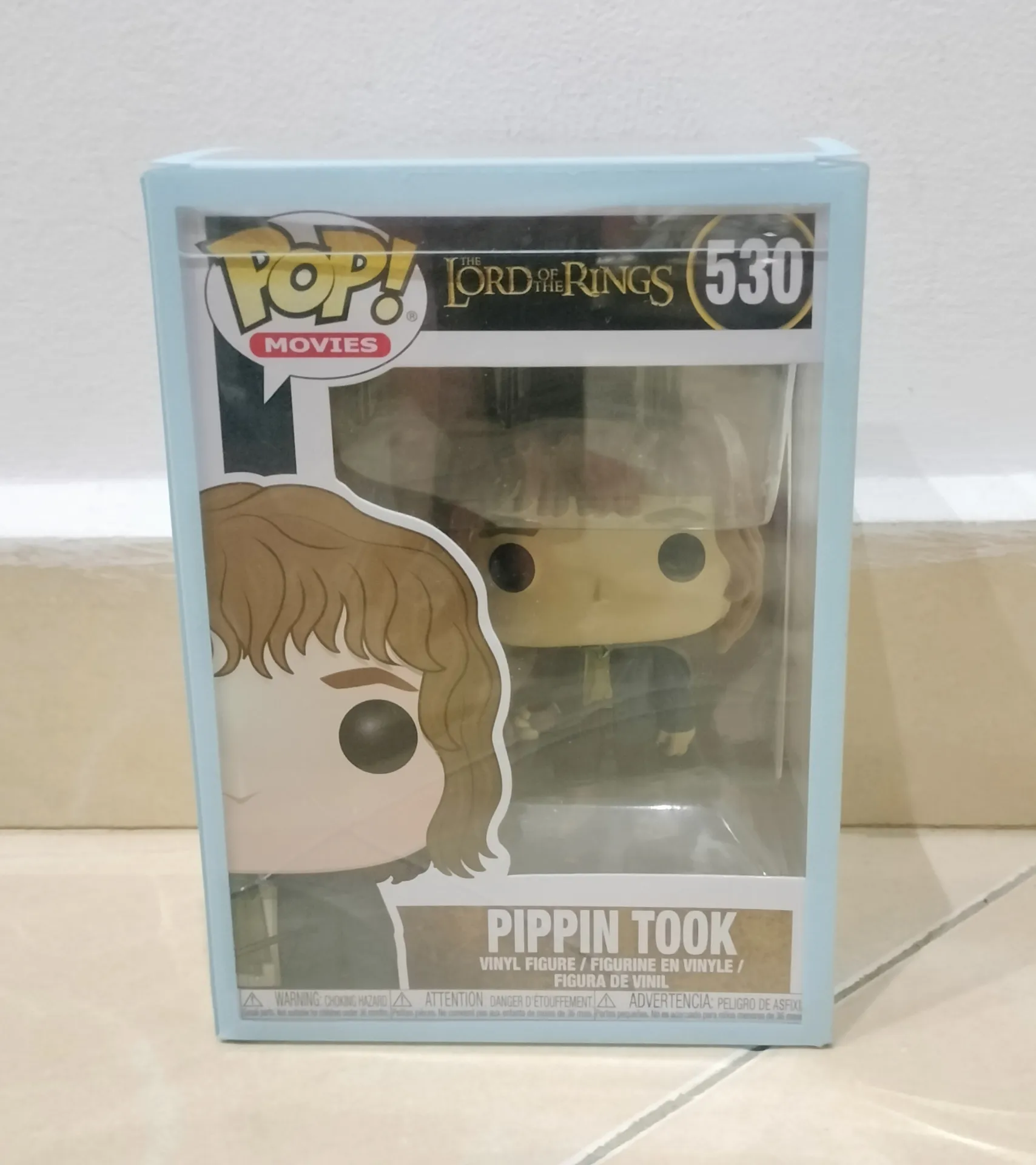
Funko Pop! Movies Pippin Took #530 — The Lord of the Rings
35,00 €
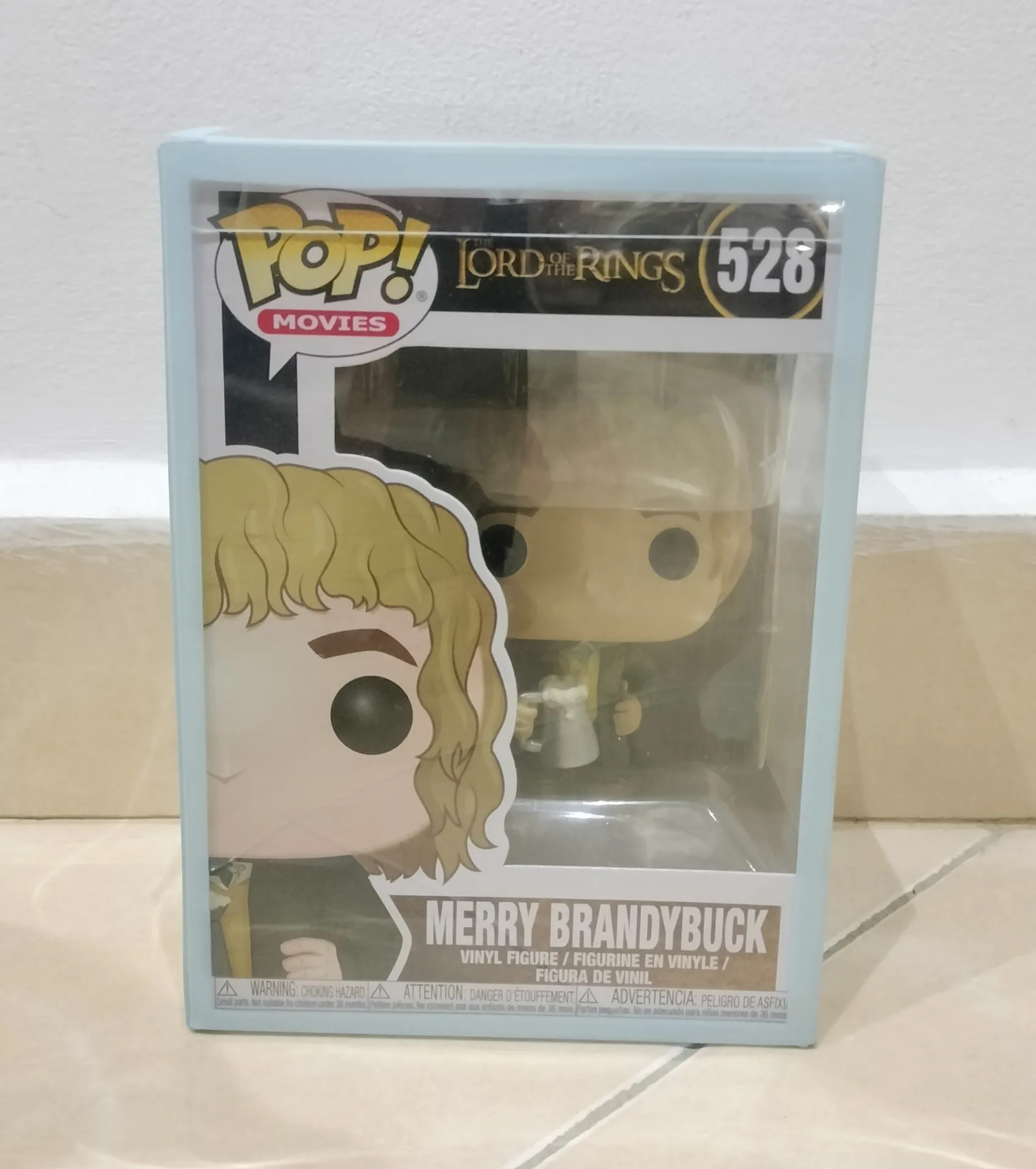
Funko Pop! Movies Merry Brandybuck #528 — The Lord of the Rings
55,00 €
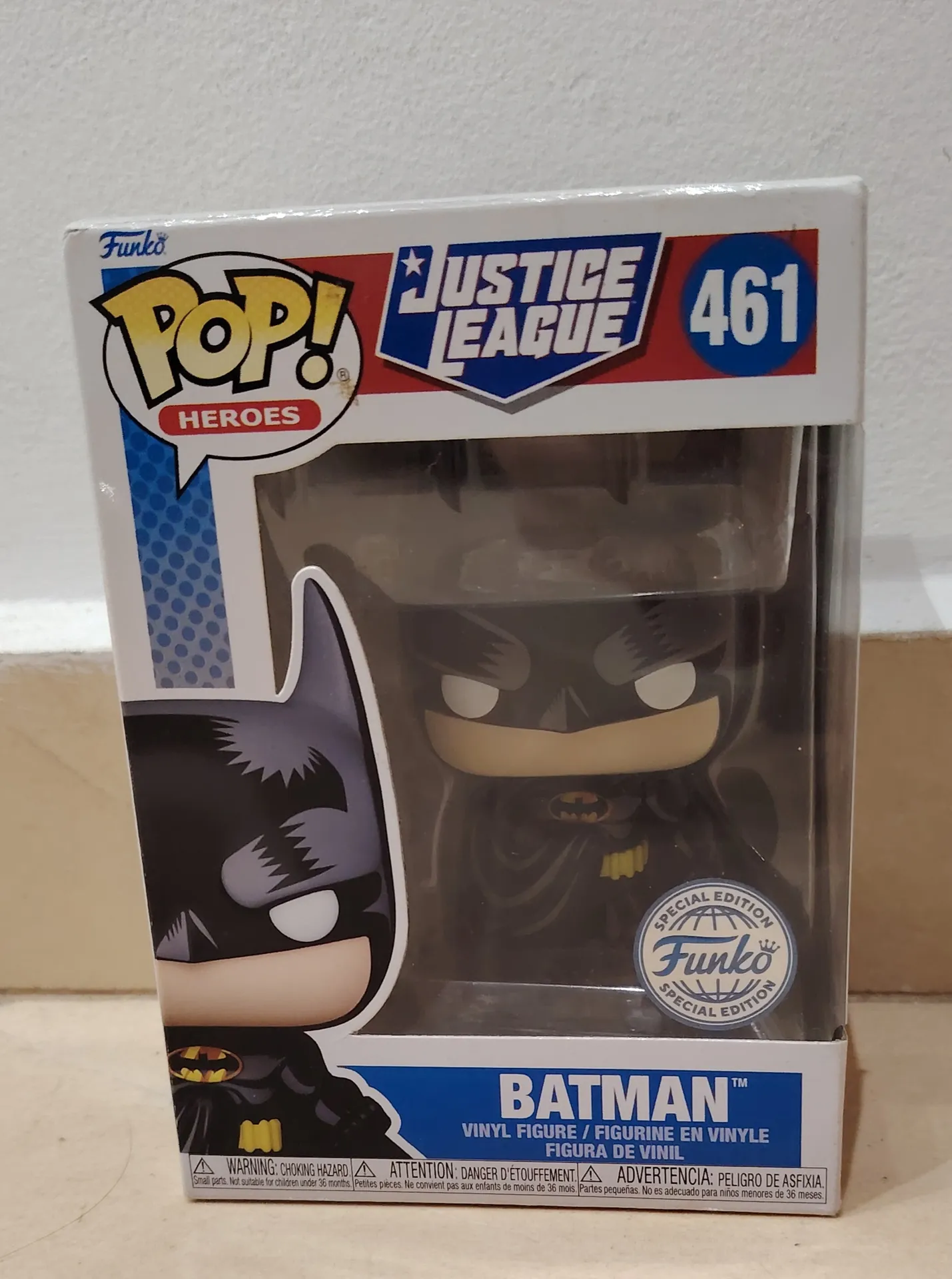
Funko Pop! Heroes Batman #461 Special Edition
15,00 €