
The collector's edition
Where to Sell Your Comics at a Fair Price
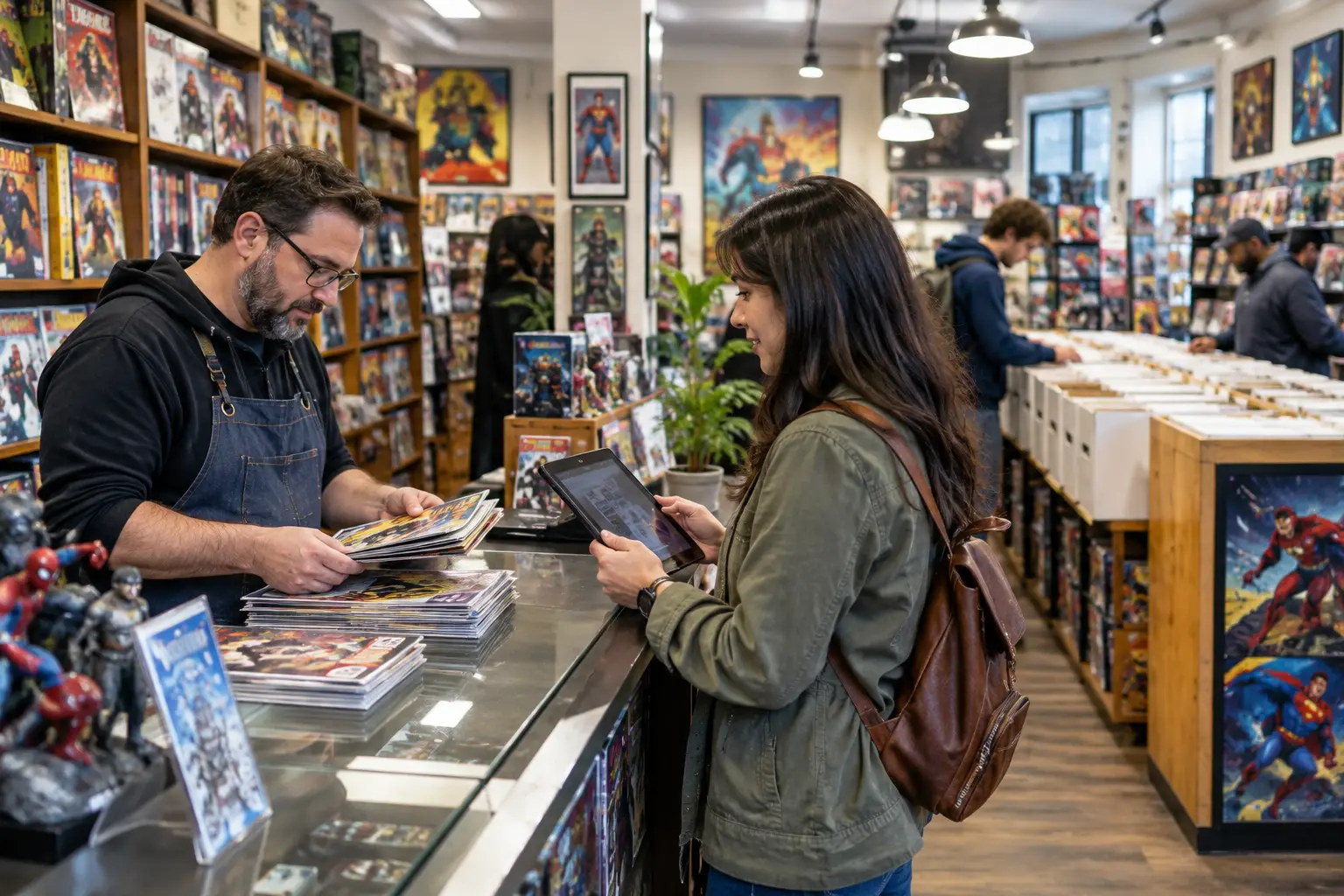
An issue you bought to read years ago may be worth as much as a cup of coffee. Another—with a well-preserved cover, a first printing, or a hard-to-find variant—may be exactly what a collector has been looking for for months. That’s why simply posting a photo and a price isn’t enough. The edition, condition, completeness of the set, and the place where your listing reaches people who know what they’re buying all matter.
Selling goes best when you present your comics accurately and honestly. That helps you avoid unnecessary haggling, disappointment when the item arrives, and the risk of letting a valuable part of your collection go for a token amount.
Where to sell your comics, depending on what you have
The right place depends on the comics themselves. If you’re selling a few common issues that have been read and are easy to find, a local group or general classifieds platform may work well. Sales there are often quick, but expect plenty of questions, offers below the asking price, and buyers who don’t distinguish a first printing from a later print run.
For more specialized editions, a niche marketplace is a better fit. Comics from Marvel, DC, Image, and Dark Horse, European albums, Bulgarian small-print-run editions, manga volumes, omnibuses, and graphic novels have characteristics that affect their value. In a specialized community, buyers usually search by series, character, publisher, language, or specific volume. That puts your listing in front of the right audience instead of letting it get lost among searches for all kinds of unrelated items.
If your collection is large, don’t describe it as a “box of comics” or guess at a single total price. Make a list by title and series. Even if you want to sell everything at once, an accurate inventory helps the buyer understand what they’re getting. A set of issues 1 through 20 from one series is almost always easier to evaluate and sell than an unclear pile of hundreds of issues.
KPZ is a natural choice if you want your comics to be seen by pop culture fans and collectors, not just people browsing a general catalog. A clear category, real photos, and an accurate description help the buyer make an informed decision.
First, clarify exactly what you’re selling
“Batman comic” isn’t a sufficient description. Include the full title, issue or volume number, publisher, year, language, and format. For American single issues, the number and variant cover can significantly affect interest. For manga, specify whether it’s a single volume, a complete series, a box set, or an edition in English, Japanese, German, or Bulgarian.
Also check whether the item is part of a series. A first or final issue, a character’s debut, a crossover, or a limited series is often sought out deliberately. That doesn’t guarantee a high price, but it’s important information for the right buyer.
For hardcover editions, omnibuses, and deluxe editions, check whether the original dust jacket, slipcase, poster, or other included materials are present. A missing paper dust jacket may not bother a reader, but it can reduce a collector’s interest. The same applies to a store sticker, signature, certificate, or stated numbering on limited editions.
Condition speaks louder than superlatives
Don’t describe a comic as “perfect” if the edges are rubbed or the cover has a slight crease. A collector will notice it in the photos, and an honest description works better than trying to hide the flaw. You don’t need to use a complex professional grading scale if you’re not familiar with one. Just point out the specific signs of wear.
Check the cover and corners, spine, page attachment, yellowing, moisture stains, smoke smell, writing, and missing pages. Light signs of age are normal on older issues. What matters is whether the comic is complete, clean, and can be stored without further damage.
Photograph more expensive and rare issues individually. Take clear photos of the front and back covers, the spine, and all defects close up. Use daylight or even lighting, without filters or strong reflections. Photos aren’t just decoration for the listing—they show the comic’s condition.
How to set a price that has a chance of selling
The price is neither what you paid ten years ago nor the highest amount you’ve seen in a foreign listing. When you can, look for data on actually sold copies and compare only similar editions. An English-language comic with a softcover isn’t equivalent to a hardcover collector’s edition. A complete set also shouldn’t be valued simply as the sum of random individual issues, especially if some are hard to find.
Take the Bulgarian market into account, too. Import costs, language, and shipping expenses affect value, but an expensive offer from abroad isn’t always a realistic price for the local market. If you want a quick sale, leave a reasonable margin below the typical market value. If you’re not in a hurry and the edition is rare, you can ask for more—as long as the price is defensible with a good description and clear photos.
Don’t put rare and common issues in one lot just to make the whole collection look more valuable. Separate the valuable editions and offer the common ones as a themed bundle. For example, several consecutive volumes from a manga series, a complete story arc, or a starter pack for a new reader make logical sets.
Write a listing that saves time and builds trust
A good listing answers questions before the buyer asks them. A specific title such as “Saga Vol. 1-9, English, softcover, very good condition” says more than “Comics for sale.” For a single issue, include the series, number, publisher, and any important feature.
In the description, specify what the price includes, the edition’s language, and its actual condition. If there’s a flaw, name it briefly and clearly: “light rubbing along the bottom edge of the cover, no torn or missing pages.” Also state whether the price is for one issue, one volume, or the complete set.
Before you post, check the following:
- The title, issue or volume number, publisher, and language are listed.
- The photos show the cover, spine, back, and all noted flaws.
- The price matches the specific edition and its condition, not the amount you wish to get.
- For a set, it’s clear which issues or volumes are included.
- Suitable packaging is planned so the corners and covers arrive in good condition.
The last point is often overlooked. A comic sent in a thin envelope alone can easily arrive with bent corners. Use stiff cardboard on both sides, a protective sleeve if needed, and a box for larger formats or hardcover editions. If you’re selling a collectible issue, store it in a protective sleeve with a backing board until it’s shipped.
When it’s better to keep the comic
You don’t have to sell everything right away. If you’re not sure whether an edition is from the first printing, has a variant cover, or belongs to a complete series, take time to check. The same goes if you’re only one or two volumes short of completing a set. A complete series is often more appealing to readers and collectors alike.
There’s also personal value that can’t be calculated. If an issue was your first encounter with a favorite character or reminds you of a particular period, a low market price doesn’t mean you have to sell it. Part with what’s truly ready to leave your shelf, not something you’ll regret letting go of a week later.
The best sale isn’t necessarily the one with the highest offer. It’s a deal where the buyer knows exactly what they’re getting, you receive a fair price, and the comic finds someone who will cherish it or enjoy reading it. Buy. Sell. Trade.
Find it at KPZ
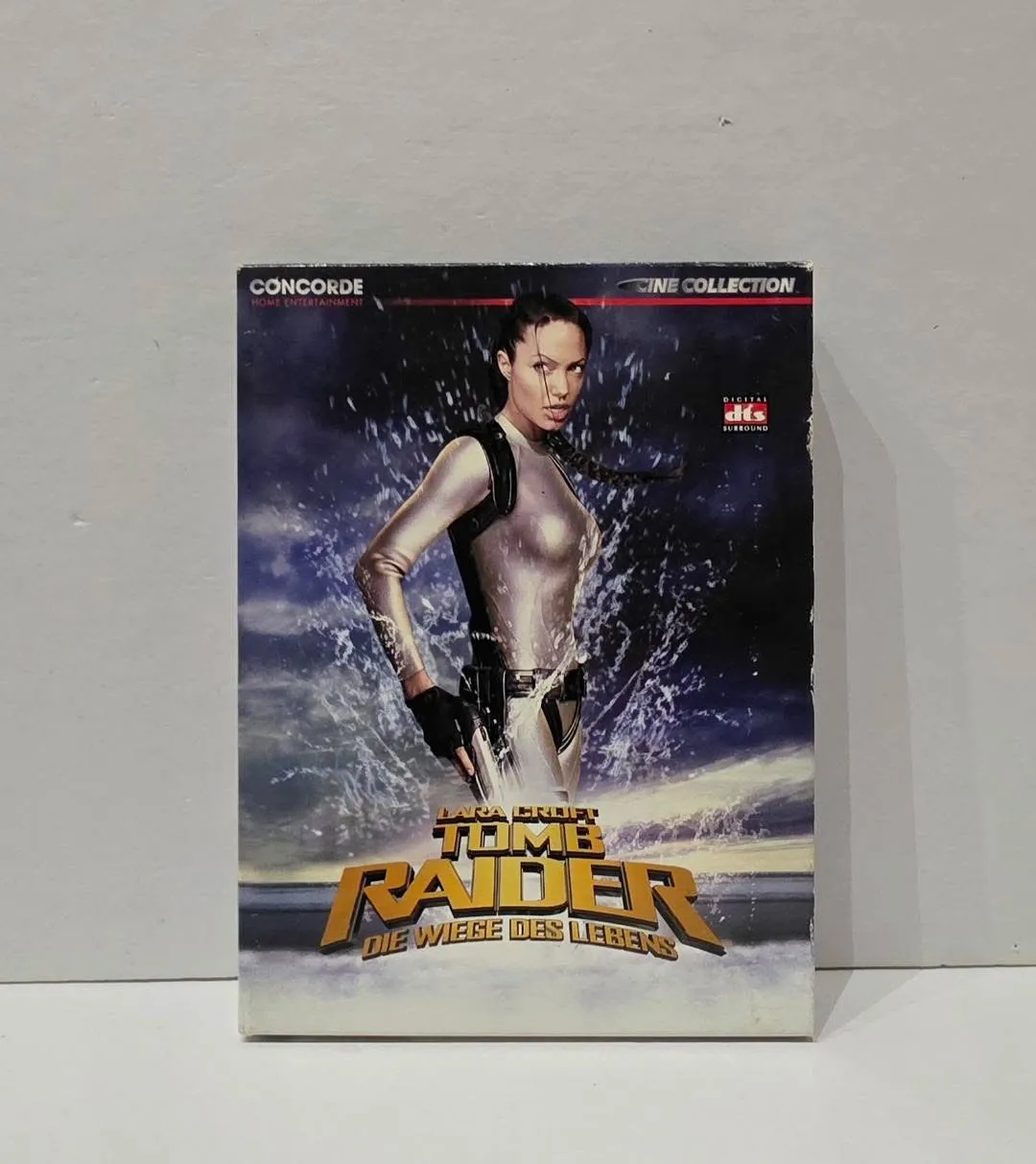
Lara Croft: Tomb Raider – The Cradle of Life (Die Wiege des Lebens), 2-DVD
4,00 €
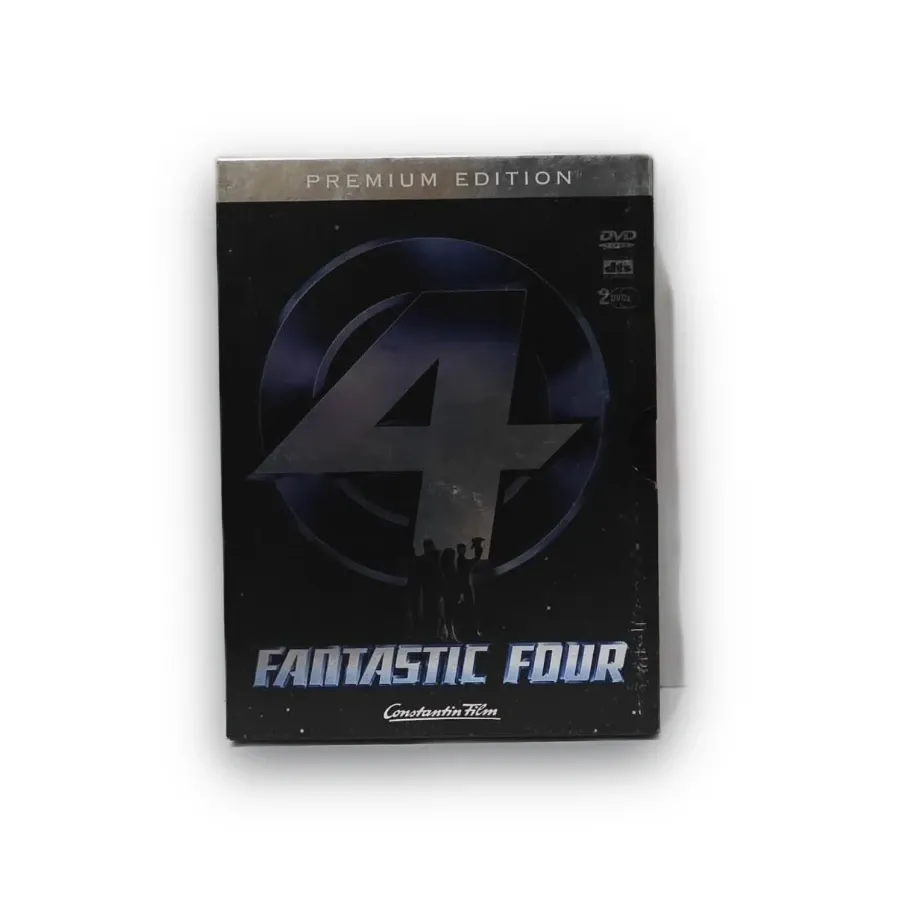
Fantastic Four — Premium Edition, 2 DVDs
5,00 €
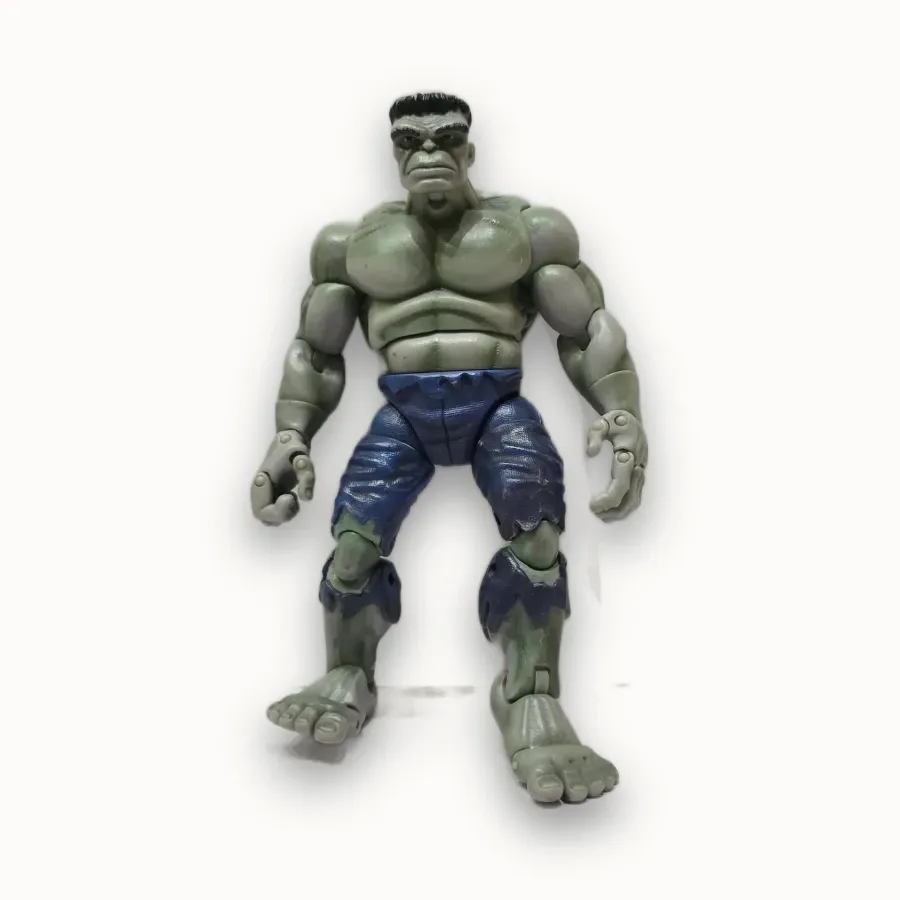
Marvel Legends Grey Hulk — Galactus Series, ToyBiz 2005
20,00 €
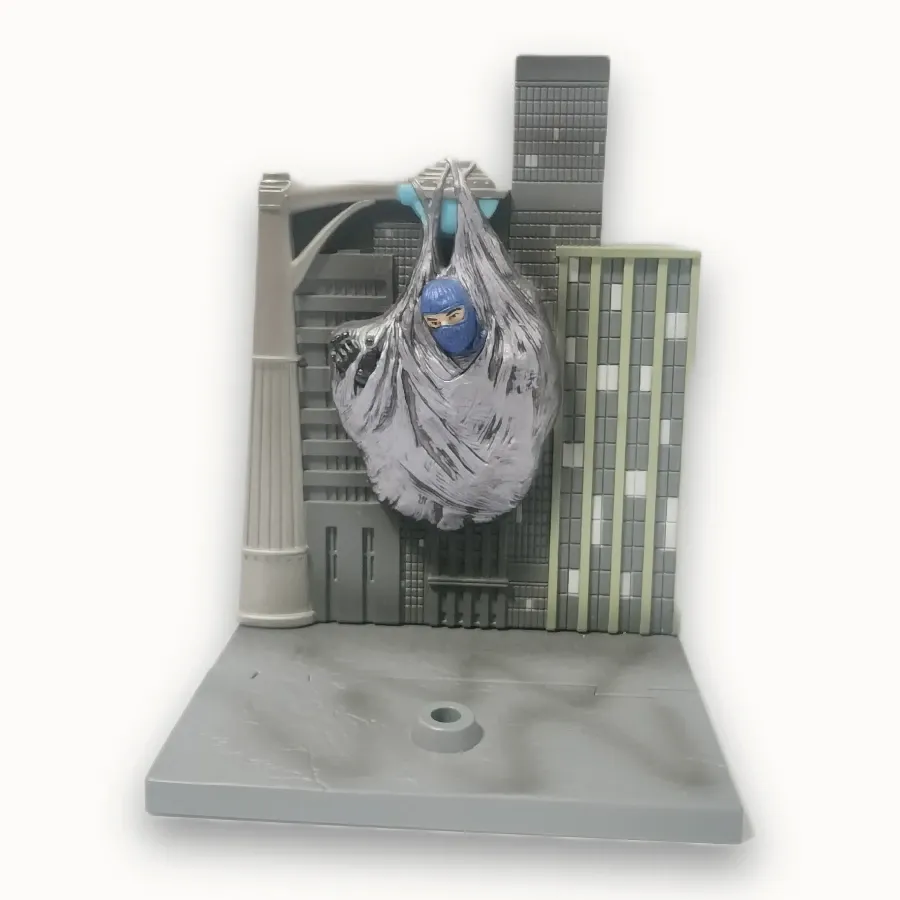
Toy Biz Marvel Spider-Man 2 Wall-Mount Display Diorama, 2004
15,00 €
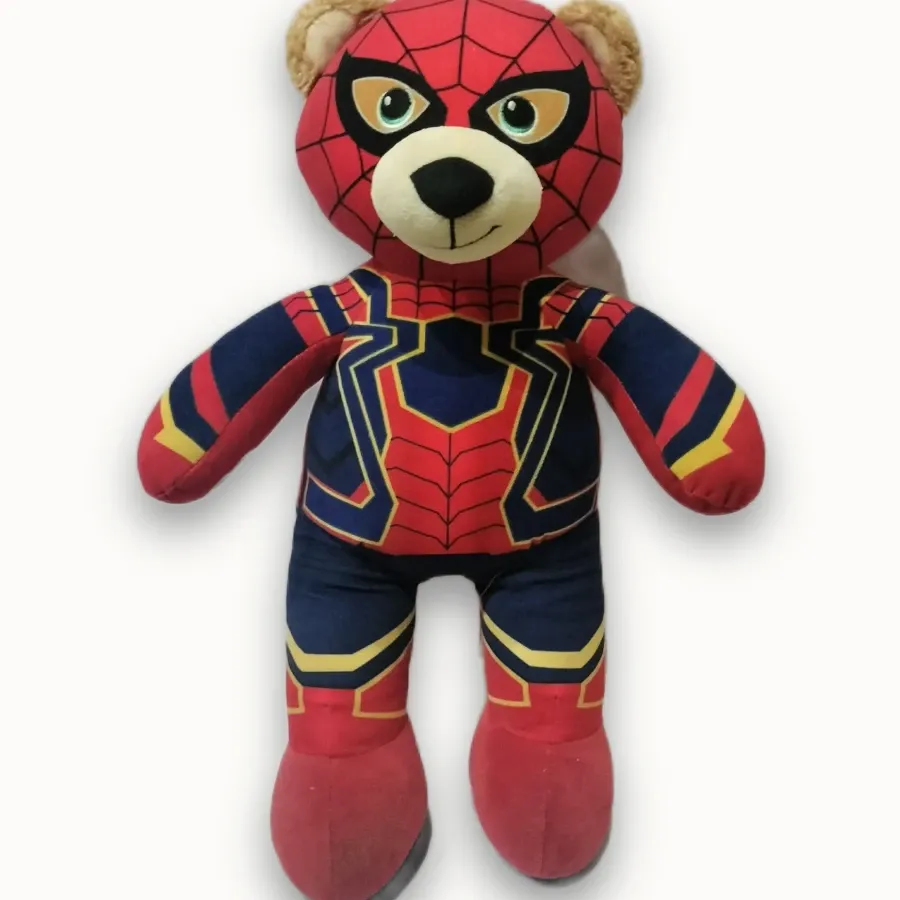
Build-A-Bear Marvel Spider-Man Plush Bear with Costume and Clothes
20,00 €
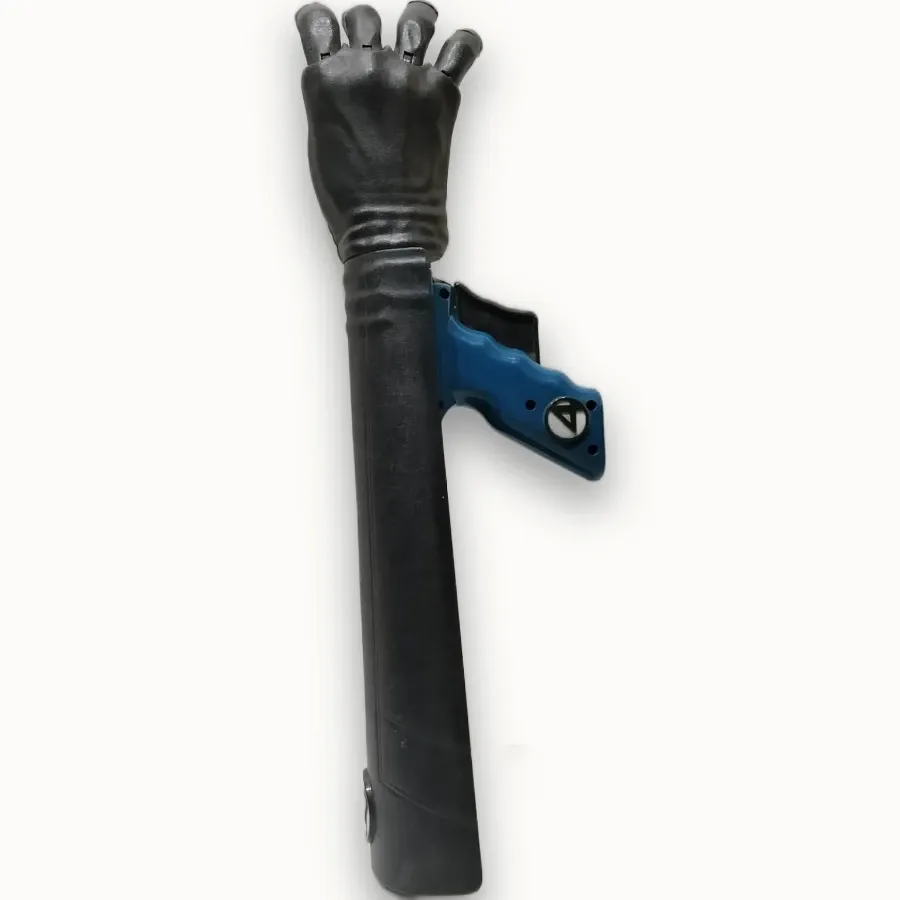
Mr. Fantastic Stretch & Grab Arm — Toy Biz, Fantastic Four (2005)
20,00 €
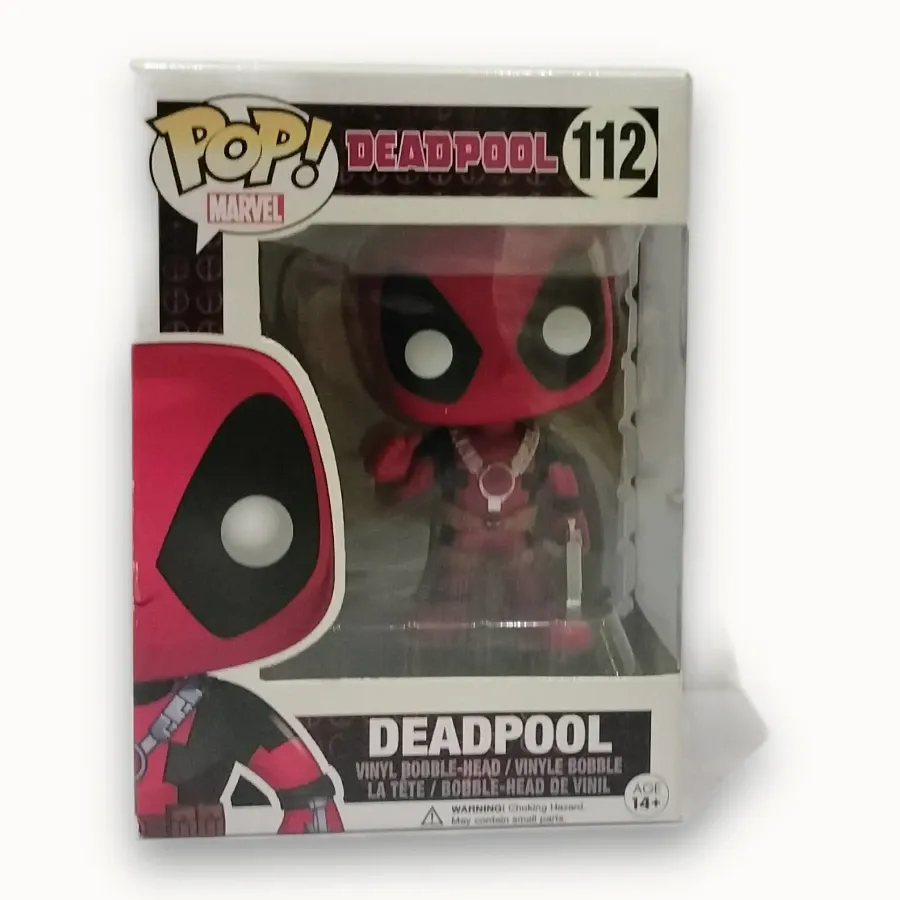
Funko Pop! Marvel Deadpool (Thumbs Up) #112
10,00 €
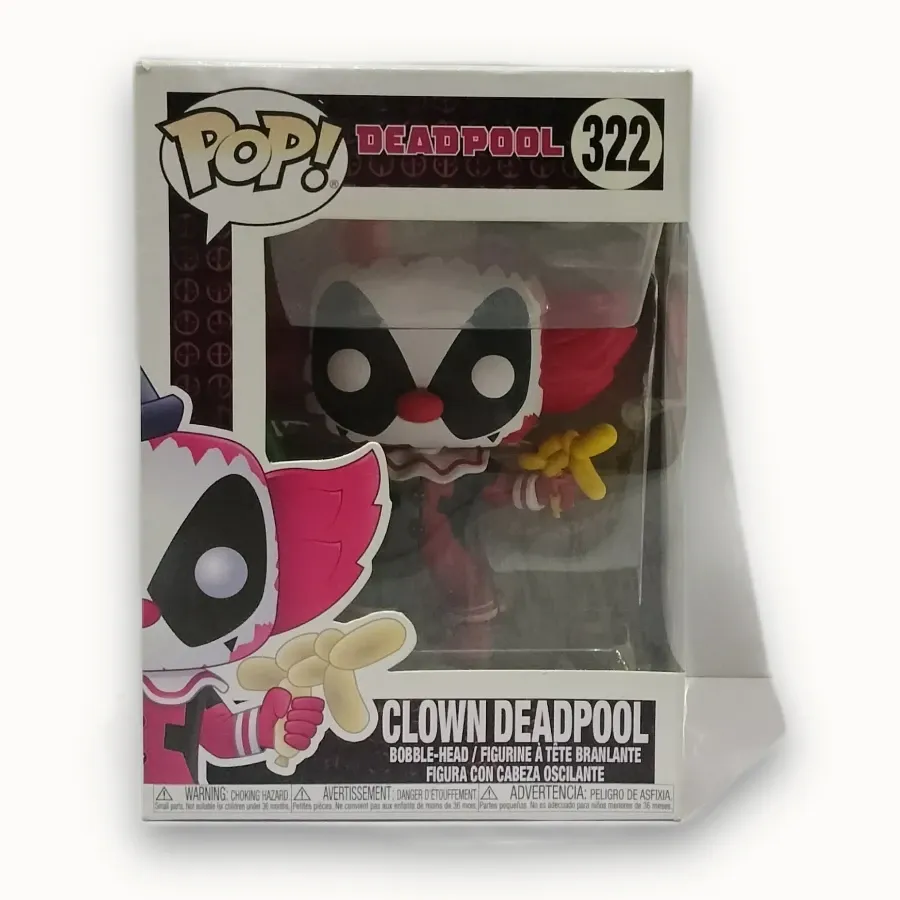
Funko Pop! Marvel Clown Deadpool #322
10,00 €

Marvel Iron Man Plush Toy with Tag
9,00 €
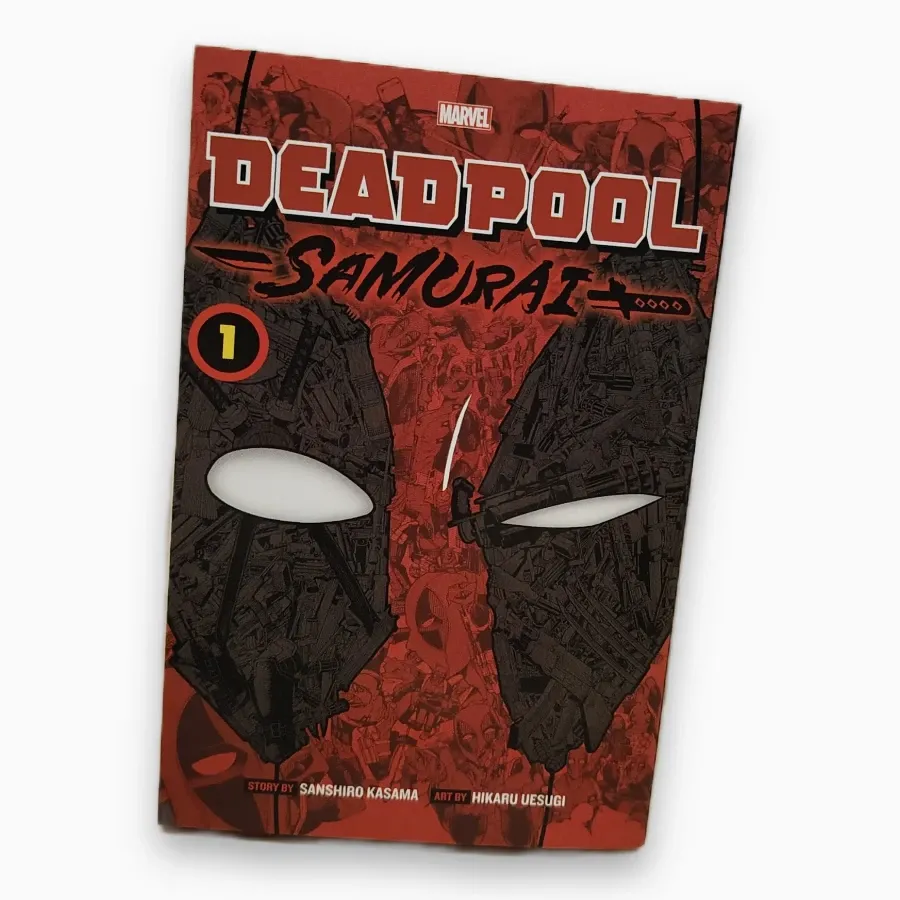
Deadpool: Samurai Volume 1
8,00 €