
The collector's edition
How to Choose a Retro Console Without Making the Wrong Purchase
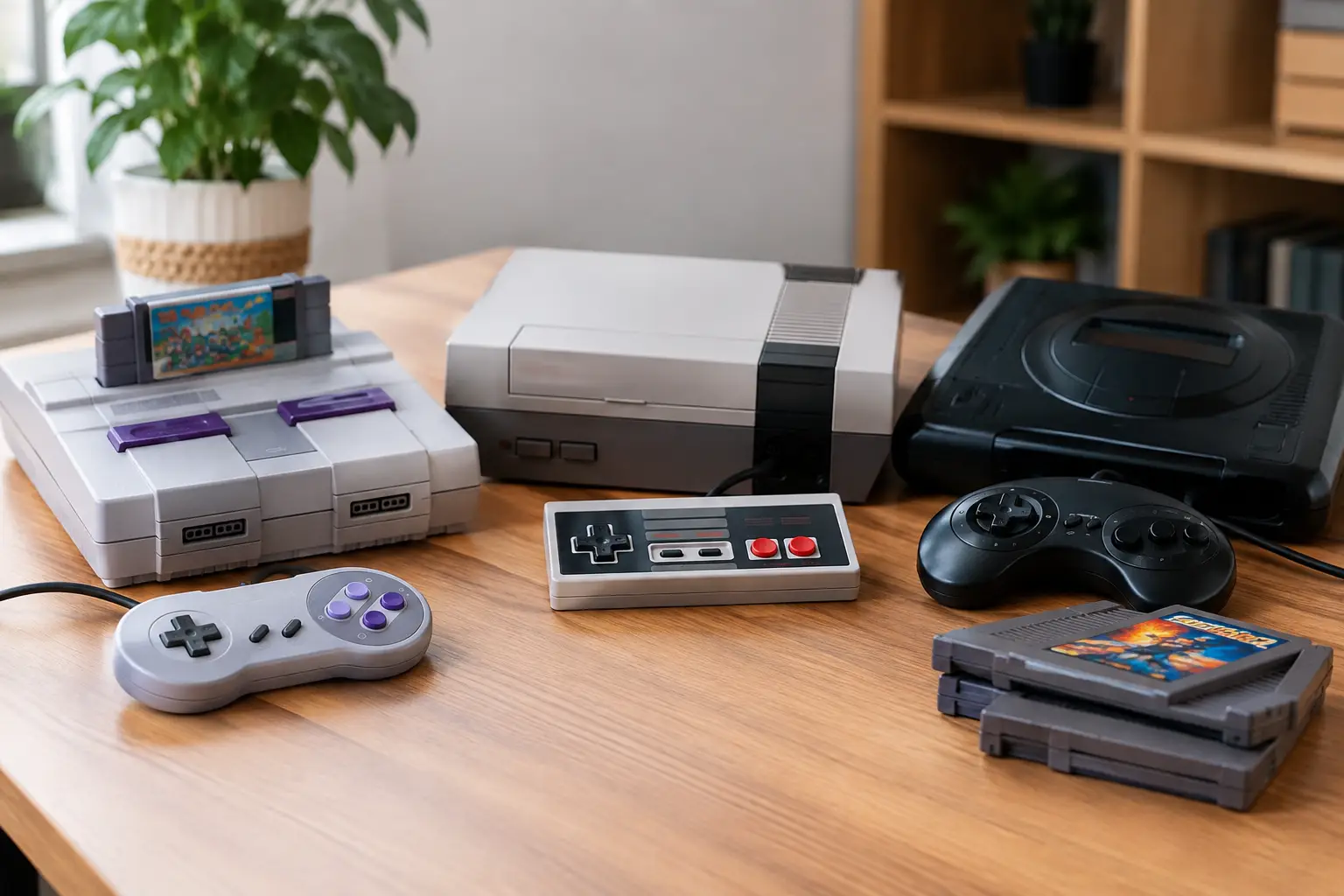
Before you look for the shiniest box or the lowest price, stop for a minute and ask yourself: what do you want to do with the console? The answer changes everything. If you are wondering how to choose a retro console, start not with the model but with the games you want to play again. A PlayStation 1 for Metal Gear Solid and Crash Bandicoot is a different choice from a Nintendo 64 for Mario Kart 64, while the Sega Mega Drive has its own character for fans of the 16-bit era.
A retro console can be a machine for regular play, the centerpiece of a collection, or a gift that takes someone back to childhood. Each of these options has different requirements for condition, completeness, region, and budget. The best purchase is not necessarily the most expensive one—it is the one that suits the way you play and collect.
How to Choose a Retro Console Based on the Games
The safest approach is to make a short list of 5 to 10 titles that you genuinely want to own or play. Then check which platform they were released for, how easy their physical editions are to find, and what their usual prices are. This will help you avoid the classic scenario: you buy a console at a good price, only to discover that your favorite games are rare, expensive, or were not released for its region.
PlayStation 1 and PlayStation 2 are usually a natural starting point for Bulgarian players. Their libraries are huge, PAL/EU games are relatively easy to identify, and many models and accessories can still be found. With Nintendo, the choice is often more collector-focused. NES, SNES, Nintendo 64, and Game Boy carry enormous nostalgia, but popular titles and well-preserved complete sets can be noticeably more expensive.
The Sega Mega Drive is an excellent choice if you like arcade-paced action, 2D platformers, beat ’em up games, and sports classics. The Dreamcast appeals with its short but powerful library and the feeling of being a console ahead of its time. The original Xbox and GameCube occupy an interesting middle ground: retro enough to have character, but often more convenient to connect and play than older machines.
Do not choose based on popularity alone. If you have never liked slow JRPGs, there is no point buying a console just because it has cult titles in that genre. Retro gaming is best when you turn the machine on the day you receive it, rather than leaving it as decoration beside the TV.
Gaming Console or Collector’s Item
This is the distinction that most often determines the price. A gaming console may have normal signs of use, slightly yellowed plastic, or a missing original box, as long as it is technically sound and comes with the necessary cables and controller. For many players, this is the most sensible option.
A collector’s item requires more attention. Here, the exact model, original color, serial number, box, manual, inserts, warranty card, and even the correct type of controller all matter. A complete set is often described as CIB—console in box, or a set with the original box and contents. Do not accept this description automatically: check that all the original elements are actually inside.
There is also a middle option that is often best for a new collector: a clean, working console with an original controller and cables, but no box. It preserves the authentic feel without consuming the budget you could spend on games.
PAL, UK, EU, Japanese, or American Edition
Region is not a minor detail. With retro consoles, it can determine whether a game will run, how the picture will look, and what cable or power supply you will need. For Bulgaria, PAL/EU editions are the most practical because they were intended for the European market and usually work with local mains power.
UK editions are PAL in many cases and technically compatible with EU consoles, but the packaging and text may differ. This is not very important if you are buying for play. For a collection, however, the specific edition can be decisive—especially when you are collecting European boxes, local variants, or particular series.
Japanese NTSC-J and American NTSC-U consoles can look tempting because of exclusive games, different designs, and sometimes a better picture refresh rate. However, you need to check several things: game compatibility, power-supply voltage, plug type, and whether your TV can accept the relevant signal. Some consoles are region-locked, while others work with adapters or modifications. If you are not specifically looking for a Japanese or American library, PAL/EU is usually the easier starting point.
Check the Model, Not Just the Console Name
The same platform can have several versions with real differences. The PlayStation 2 Slim, for example, is more compact than the first large models, but individual revisions have different power supplies and laser conditions. The Nintendo 64 has color and regional variants, while in the Game Boy line, choosing between the original model, Pocket, Color, Advance, and SP changes both the screen and the game library.
On some systems, the later model is more reliable, while on others, early revisions are sought after for specific hardware or video output. There is no universal rule that “the first version is the best.” Look for the exact model designation and compare what you are getting: console, power supply, video cable, controller, and possibly a memory card.
The question of connecting to a TV is especially important. Older consoles often come with a composite cable—yellow, red, and white plugs—or SCART. Many newer TVs no longer have these inputs. This does not mean the purchase is a bad one, but you should budget for a quality adapter or signal-conversion solution. Cheap converters can sometimes add lag or worsen the picture, which is most noticeable in fast-paced games.
Condition Can Be Seen in the Details
Actual photos matter more than the general description “very good condition.” Inspect the shell for cracks, missing covers, yellowing, sticker residue, and corrosion around the ports. For consoles with disc drives, ask whether they read games reliably and whether they have been tested with more than one disc. For cartridge systems, check the condition of the slot and pins.
The controller deserves separate attention. A loose analog stick on a Nintendo 64, sticky buttons on a DualShock, or an intermittent cable can turn a good deal into an additional expense. An original controller has value, but if the goal is everyday play, a quality replacement can sometimes be more practical. It is important for this to be clearly described, rather than hidden behind a distant photo.
Here is what it is sensible to ask or check before making a deal:
- whether the console starts and has been tested with a game;
- whether a power supply, video cable, and at least one controller are included;
- whether the controller is original and all buttons work;
- whether there are repairs, modifications, missing parts, or regional specifics;
- whether the photos show the actual item you will receive.
These questions do not show distrust toward the seller. They are a normal part of making an informed purchase of equipment that is often 20, 30, or more years old.
Set a Budget That Leaves Room for Games
The console price is only the beginning. Budget for the necessary cables, memory card, batteries, additional controller, TV adapter, and at least two or three games. An inexpensive console without the necessary accessories can end up costing more than a ready-to-play set with a slightly higher initial price.
If your budget is limited, avoid rare color variants, limited editions, and factory-sealed accessories. They are great for a focused collection, but they do not provide more enjoyment than a normal, clean, working standard model. First build a library of games you love. Later, you can pursue special editions.
When browsing a specialized catalog such as KPZ, use the listing details as a decision filter: platform, region, condition, completeness, and price. Verified sellers, real photos, and payment on delivery let you compare calmly instead of buying on trust based on a single sentence.
Buy a Machine You Will Turn On Again
The best retro console is not necessarily the one everyone calls “the most valuable.” It is the one for which you already know which game you will play first, who you will play it with, and why you want that particular model. Choose with clear expectations, inspect the condition carefully, and do not compromise on the details that matter to you. Then comes the best part: insert the game, press Start, and let the memories do the rest.
Find it at KPZ
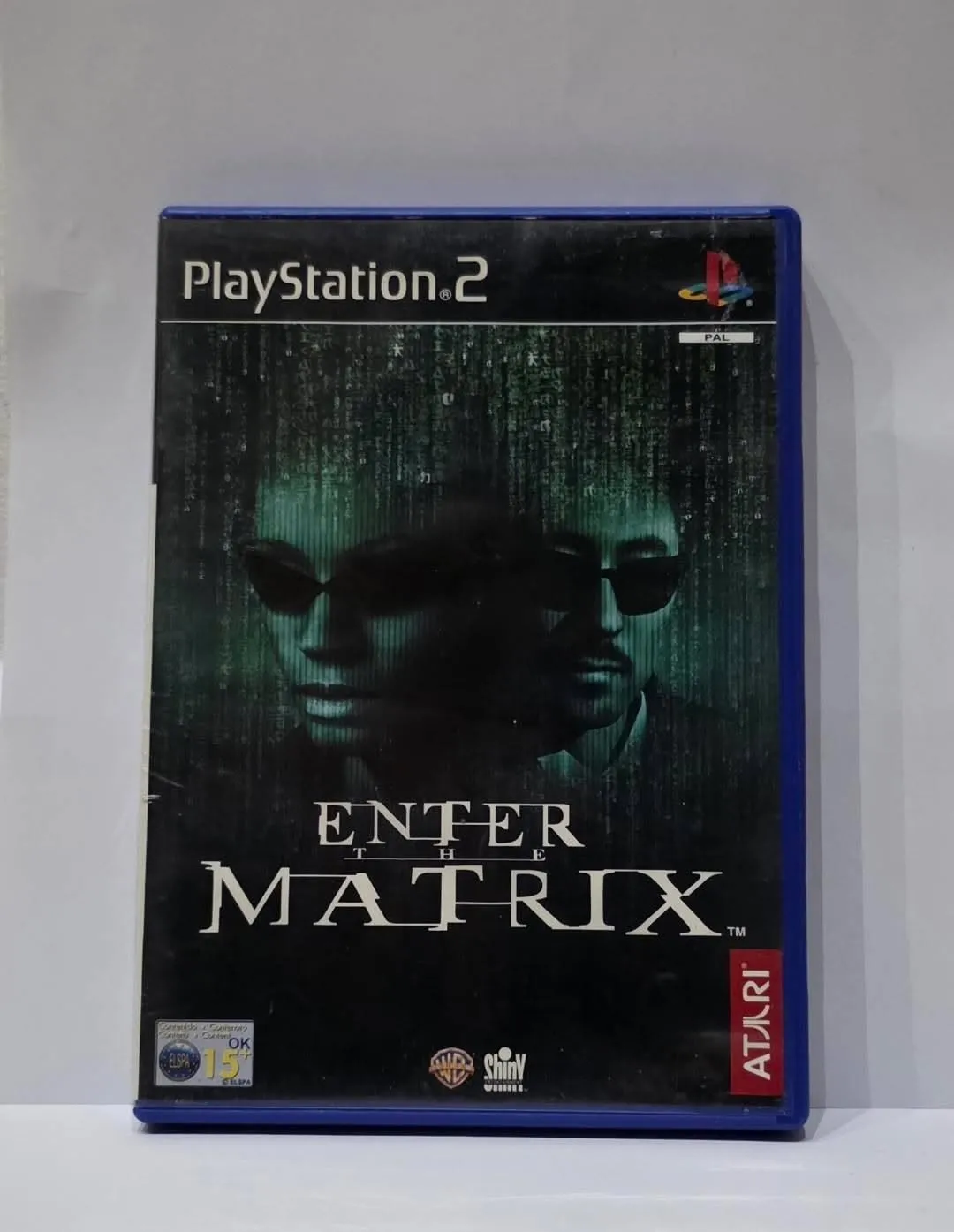
Enter the Matrix for PlayStation 2 PAL
7,00 €
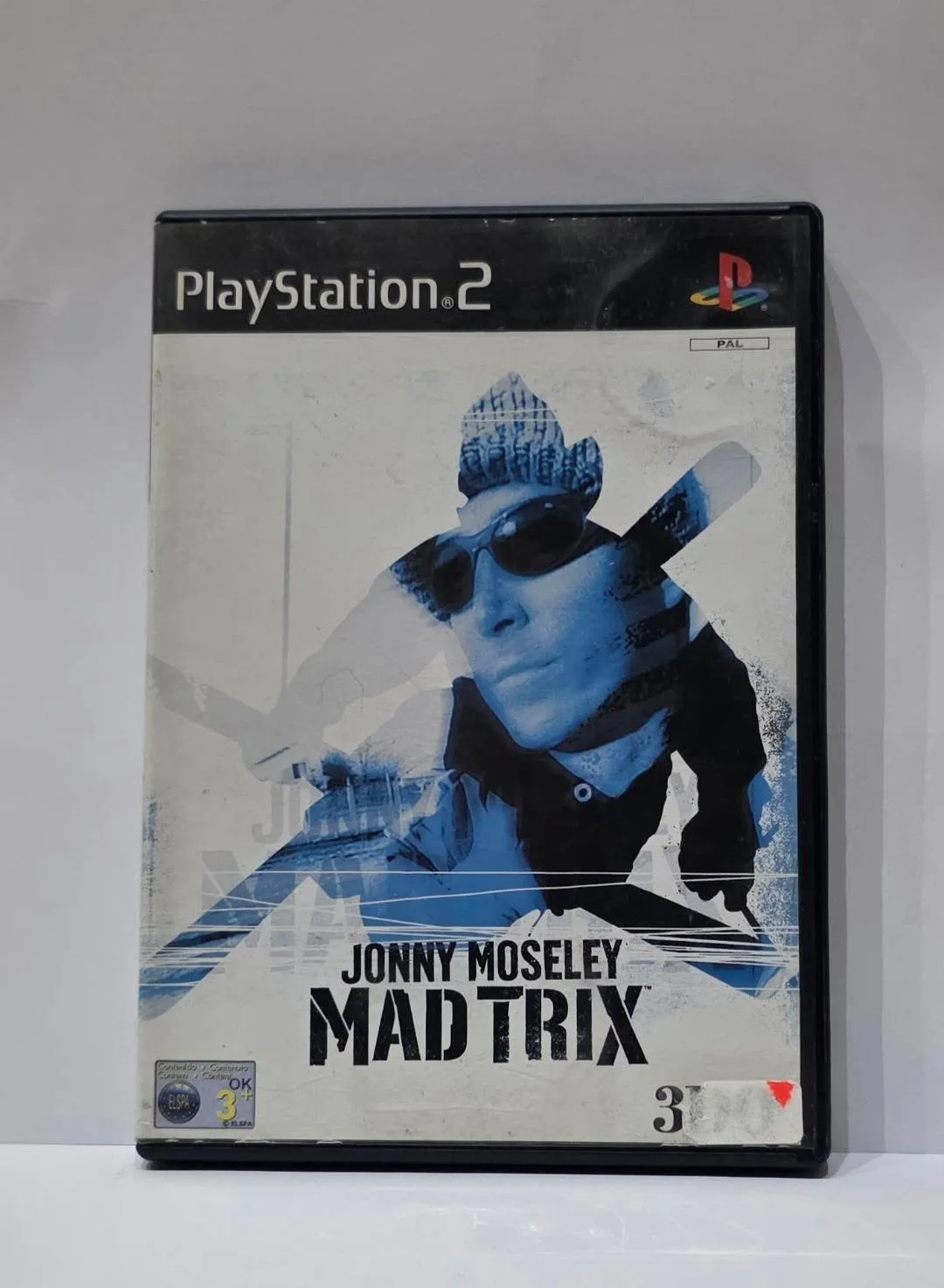
Jonny Moseley Mad Trix for PlayStation 2 — PAL
6,00 €
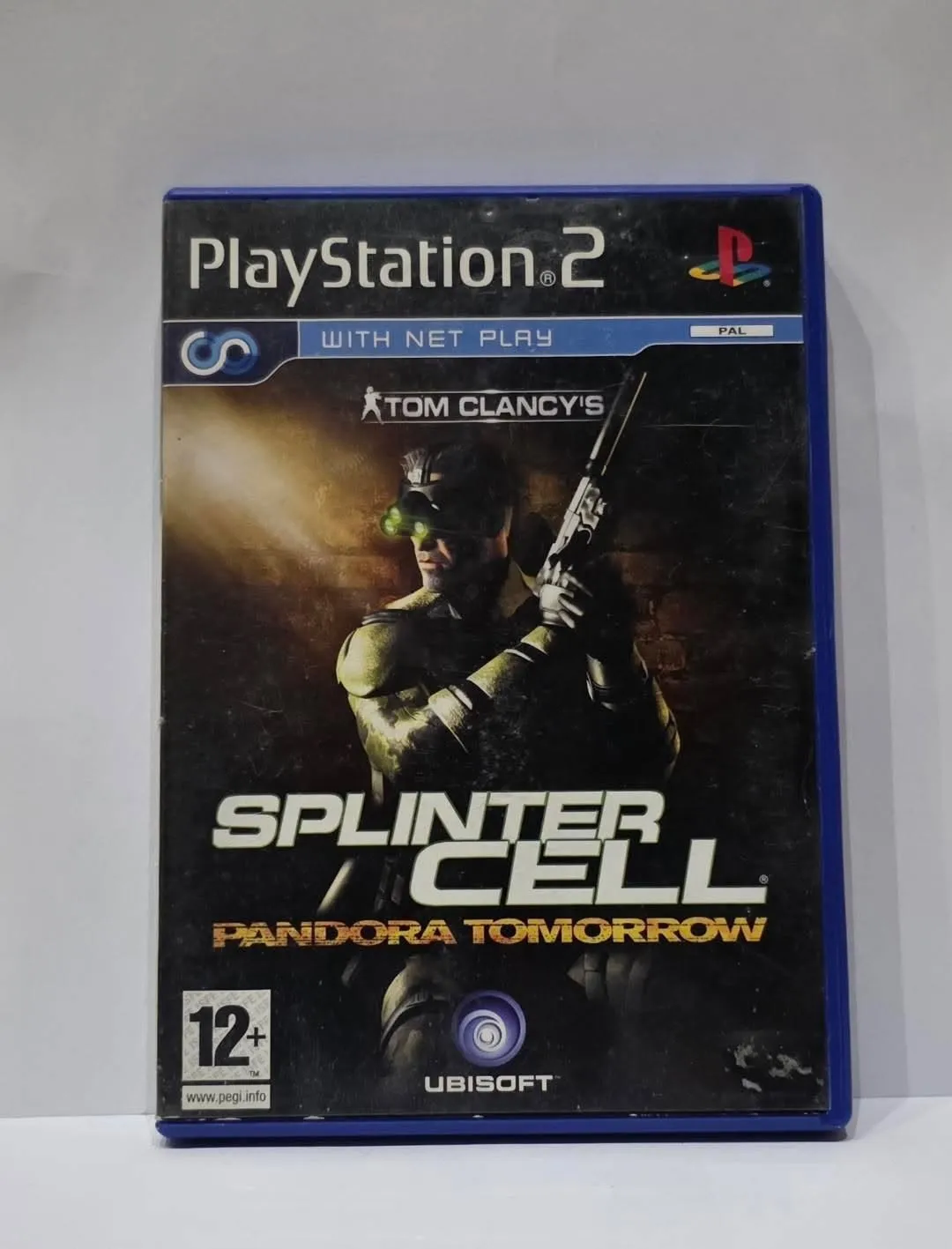
Tom Clancy’s Splinter Cell: Pandora Tomorrow for PlayStation 2 PAL
11,00 €
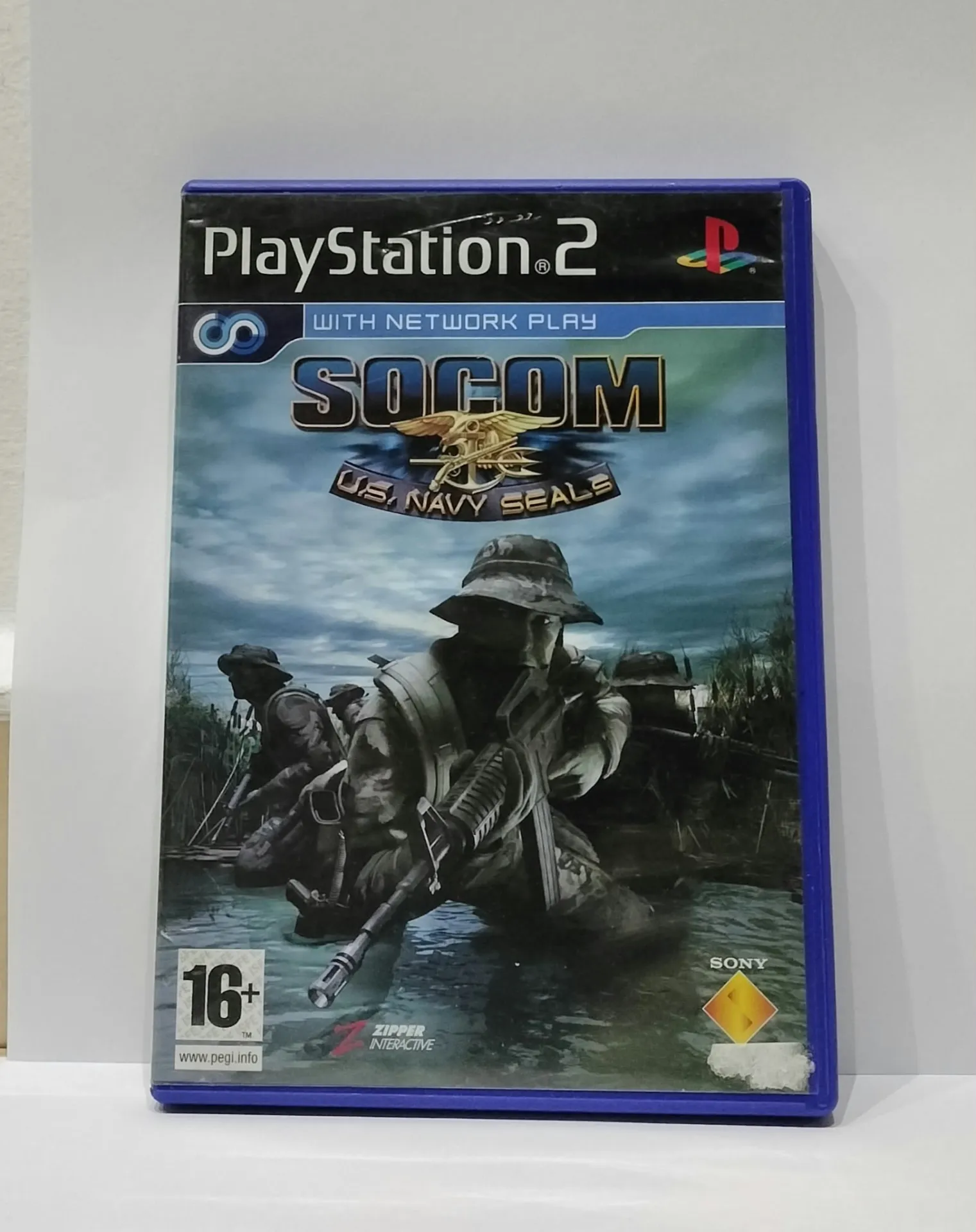
SOCOM: U.S. Navy SEALs for PlayStation 2 — PAL
5,00 €
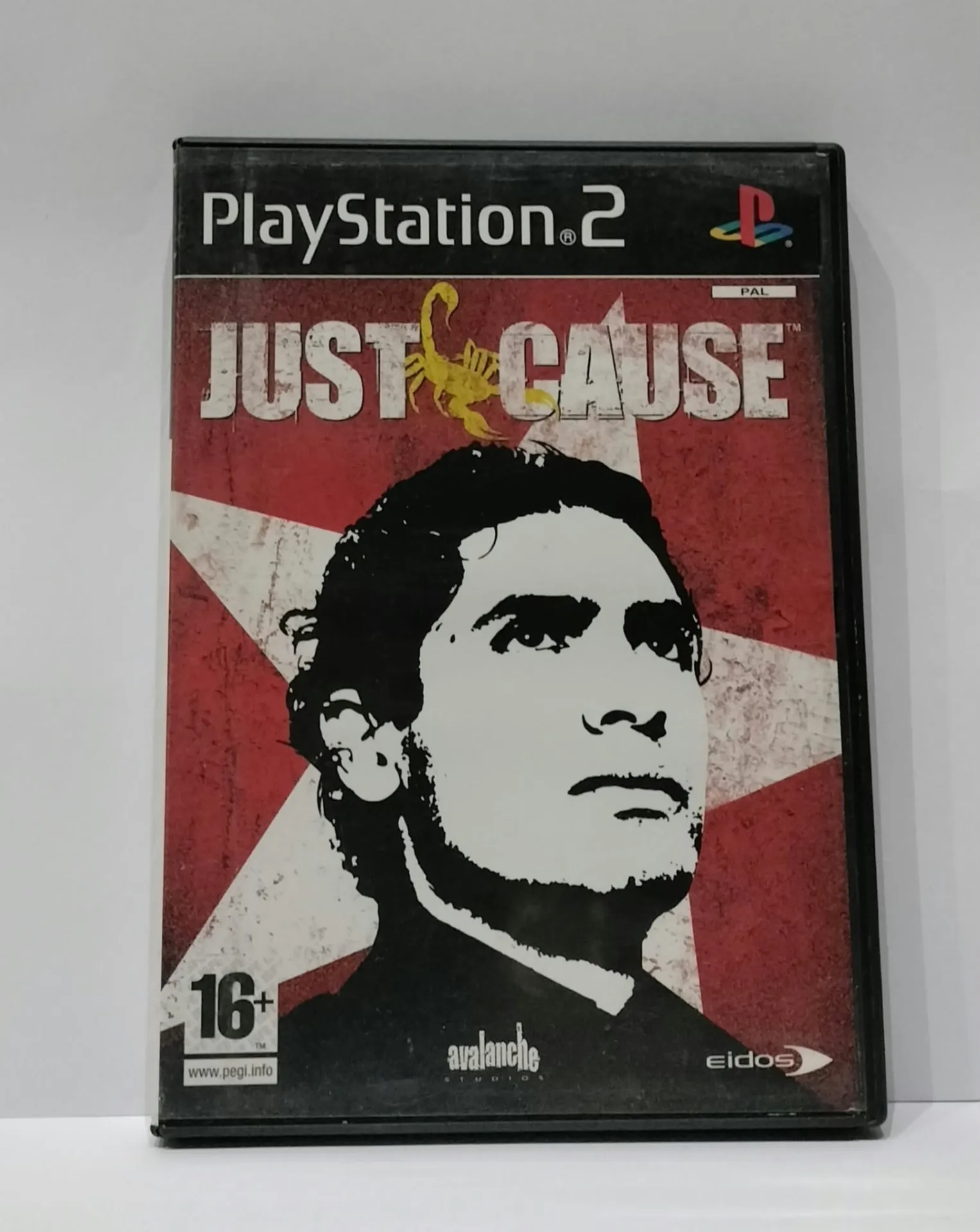
Just Cause for PlayStation 2 — PAL
10,00 €
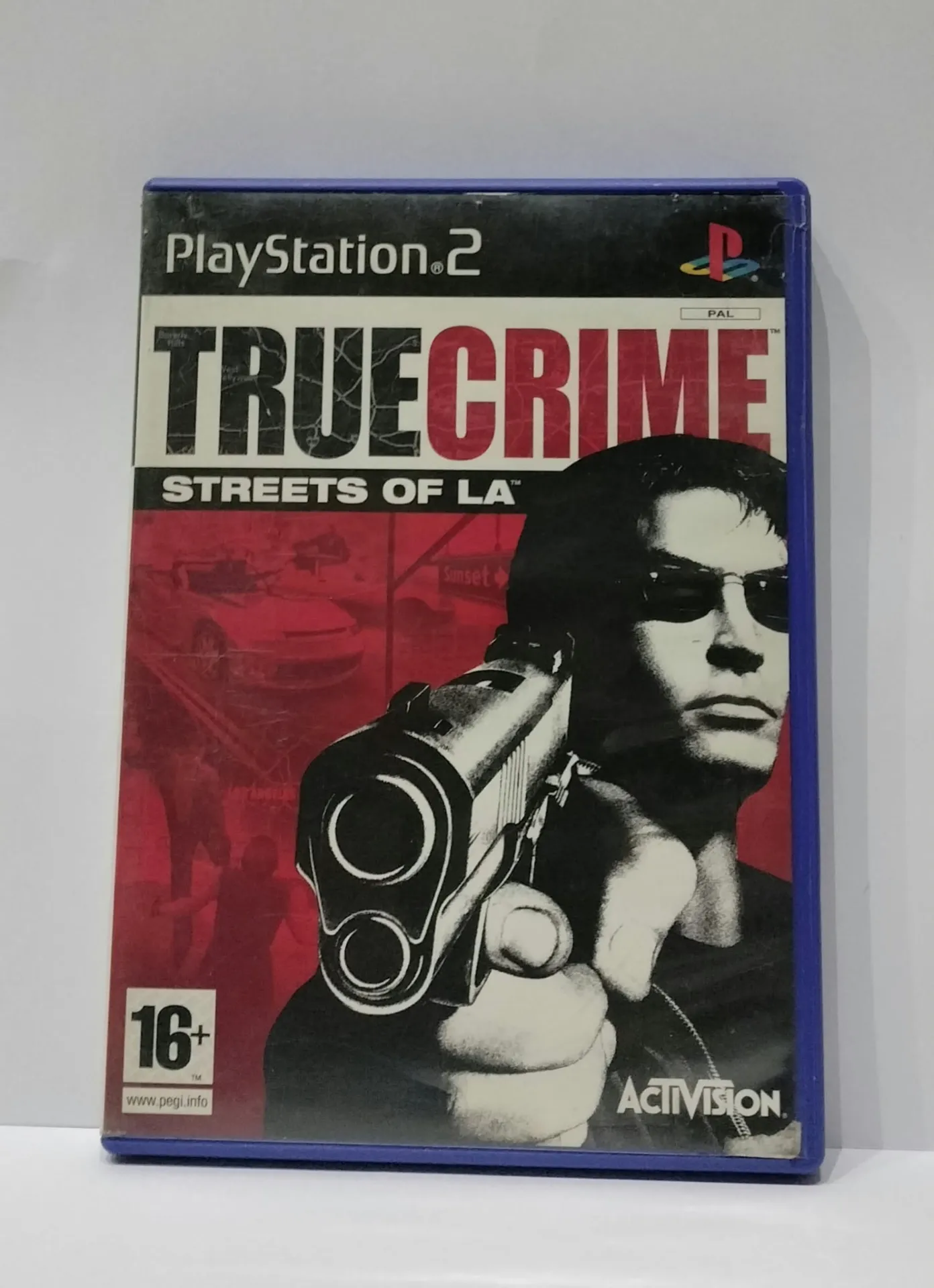
True Crime: Streets of LA for PlayStation 2 — PAL
14,00 €
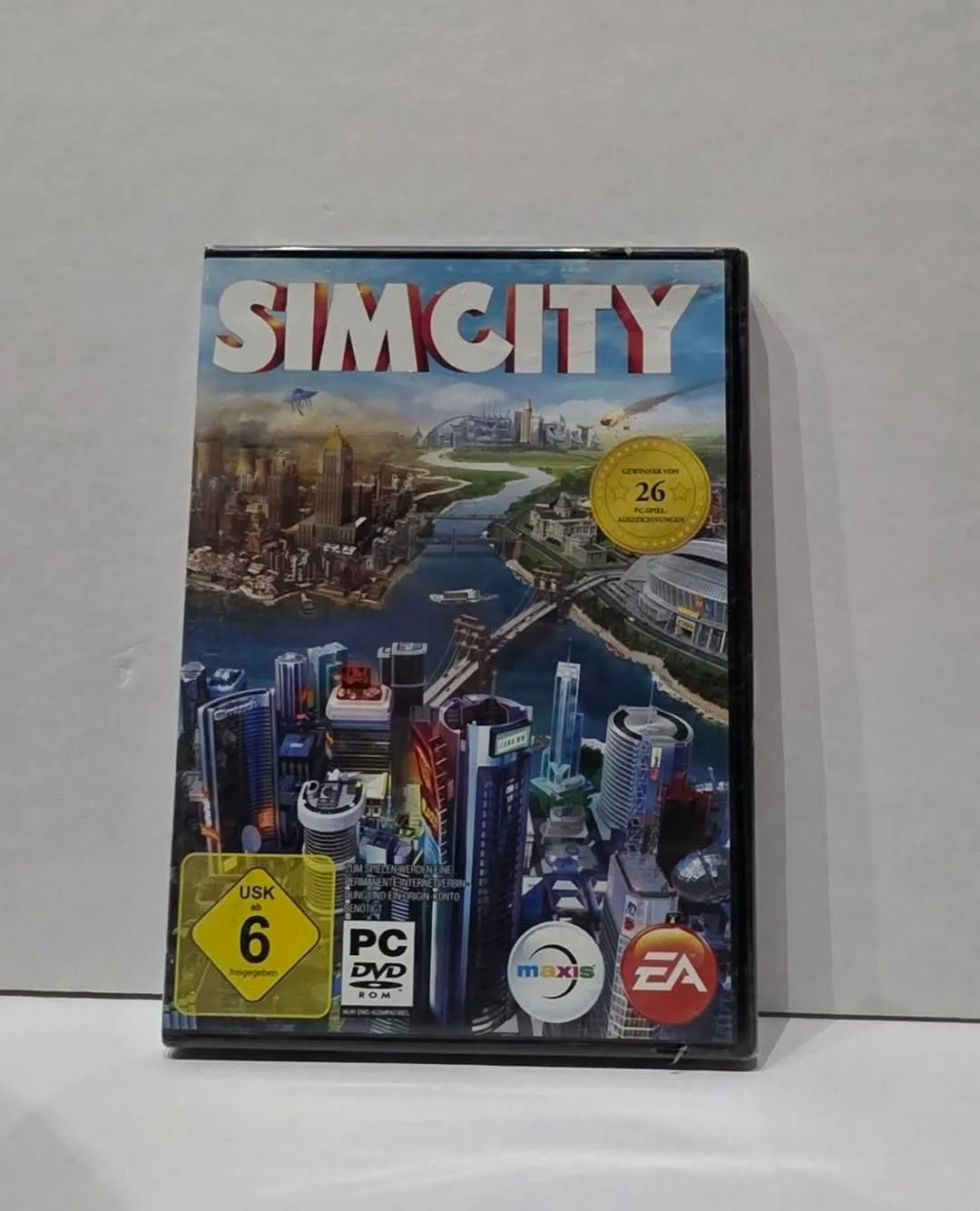
SimCity (2013) PC DVD-ROM — German version
15,00 €
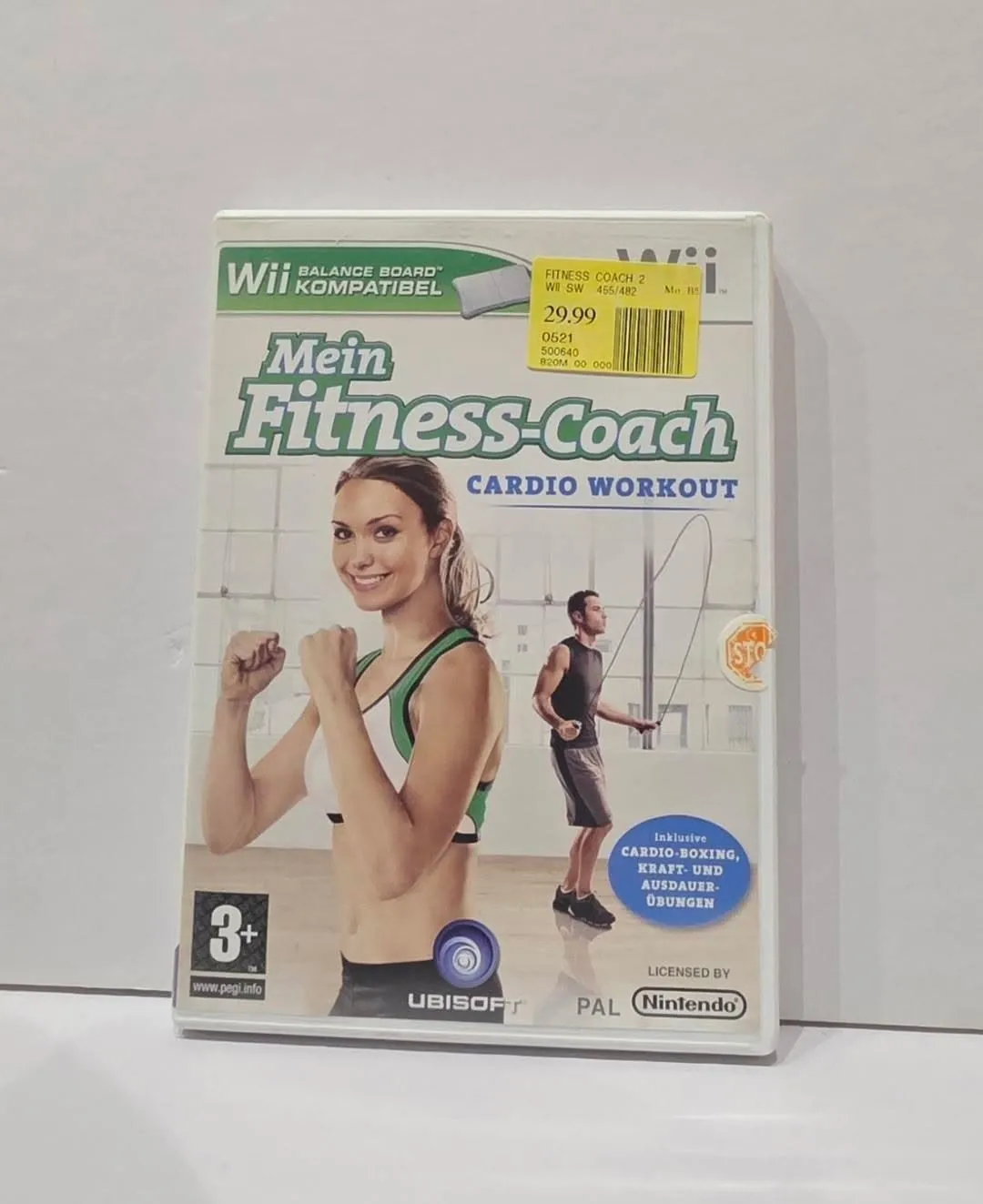
My Fitness Coach: Cardio Workout for Nintendo Wii PAL
15,00 €
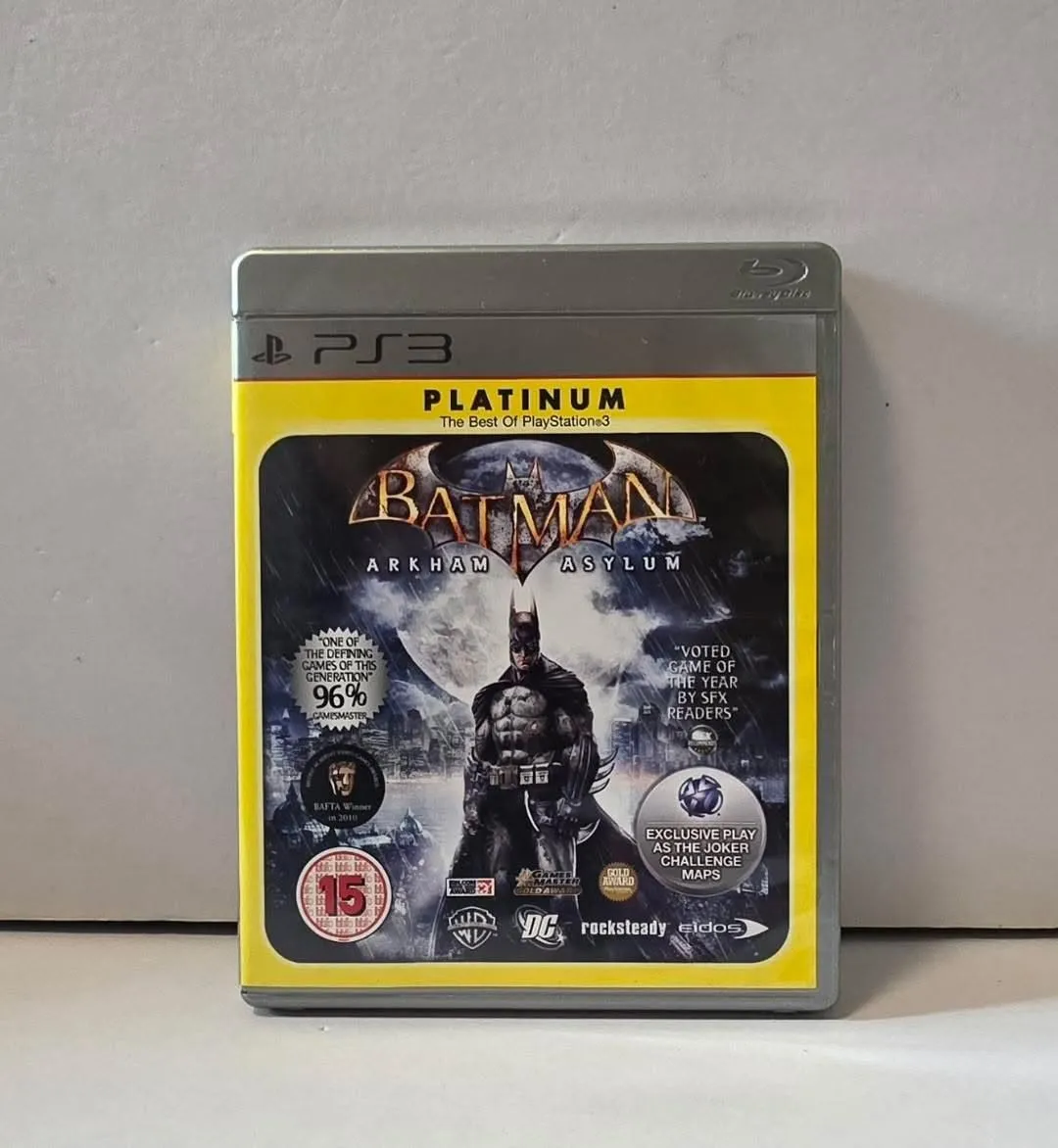
Batman: Arkham Asylum – Platinum for PlayStation 3
8,00 €
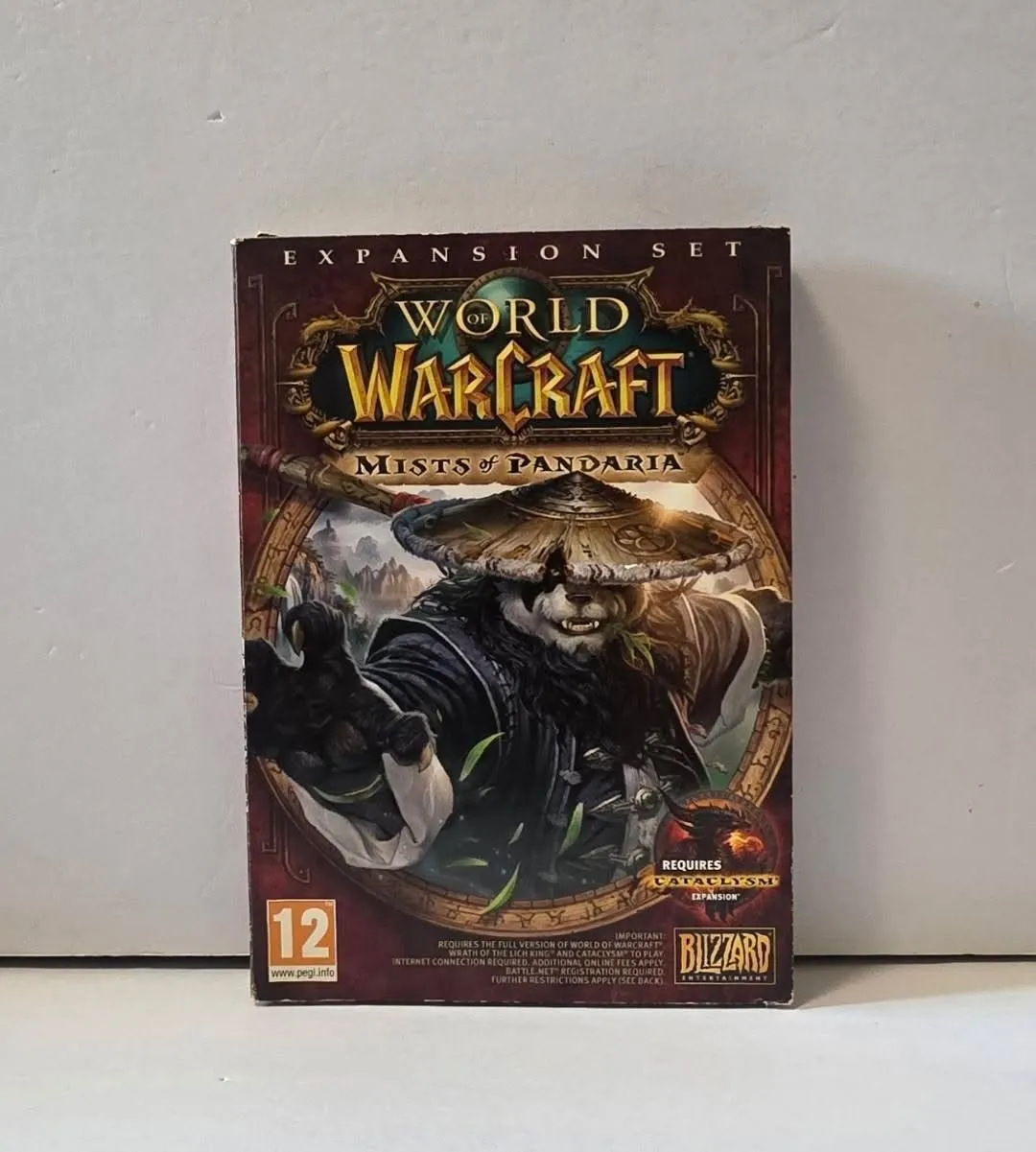
World of Warcraft: Mists of Pandaria — PC/Mac Expansion Set
13,00 €