
The collector's edition
Board Games for Groups: How to Choose the Right One for a Night with Friends

The worst board game nights usually don’t start with bad company, but with a game whose rules take 25 minutes to explain, where players are eliminated one by one and everyone waits too long between turns. Good board games for groups do the opposite: they bring together people with different levels of experience, spark conversation and laughter within the first few minutes, and don’t require anyone to be a dedicated board gamer.
Choosing a game isn’t as simple as “pick something fun”. A group of six friends who love bluffing won’t respond the same way as a group with two quieter guests. Some games work best with close friends and inside jokes, while others are ideal for guests who are just getting to know one another. The key is to find a game that fits the evening, rather than shaping the evening around the box.
What makes a board game a good fit for a group
With board games for groups, the theme matters, but pace is what makes or breaks the experience. Everyone should have something to do, even when it isn’t their turn. That might mean making a quick choice, voting, drawing, arguing a case or trying to read everyone else’s bluff. If half the table is already looking at their phones, the game probably isn’t right for this group.
Before buying or trading, check four things:
- the number of players the game actually works well with, not just the maximum printed on the box;
- the average length of a game and how likely it is to drag on;
- the kinds of humour, communication and interaction the group enjoys;
- the condition and completeness if you’re getting a pre-owned copy.
That last point is no small detail. A missing component in a card game can disrupt the whole game, while in games with hidden roles or many possible answers, a missing card can even give away information. Check that the rulebook, all decks, tokens and any special markers are included. Real photos and a clear description of the condition are far more useful than a vague “like new”.
Board games to suit your group’s mood
For lots of laughs and few rules
If you want the conversation to keep flowing, look for games with short rounds and an easy role for everyone. Codenames is a reliable choice for groups who enjoy associations and light word duels. Two teams try to guess the right words from one-word clues. The tension comes from how daring a clue can be without sending the team to the wrong card.
Telestrations adds drawing and communication that gradually falls apart. Nobody needs to be good at drawing. In fact, the funniest moments come when a messy sketch of a “spaceship” turns into an “angry toaster” by the end. It’s a game for people who’d rather take part than come up with the perfect answer.
Just One works brilliantly with less experienced players, too. One person has to guess a word, while everyone else writes down one clue each. Duplicate clues are removed, so the group has to think outside the box. It’s a relaxed cooperative game, perfect for the start of the evening while everyone is settling in and getting into the mood.
For bluffing, suspicion and a little theatre
If your group enjoys friendly accusations and analysing every facial expression, hidden-role games are a good choice. The Resistance: Avalon is a classic of the genre. Some players secretly sabotage missions while the others try to work out who they are. No one is eliminated, which is a big plus for larger groups, and every discussion matters.
One Night Ultimate Werewolf offers similar tension in a much shorter format. A round takes about ten minutes, so you can easily play several and switch roles. It’s a good option when the group doesn’t want to commit to one long game.
There is, however, an important trade-off. Social deduction games can be fantastic with people who like talking and improvising, but they can tire out quieter players. Don’t turn the game into an interrogation. It’s better to alternate this kind of game with something light and cooperative, so everyone has a place in the game.
For people who enjoy clever decisions
A board game for groups doesn’t have to mean chaos. Decrypto is a game of teams, codes and carefully passing on information. It offers more tactics than Codenames while keeping the quick pace and lively conversation around the table. It’s a good fit for a group that enjoys puzzles but isn’t looking for a heavy strategy game with two hours of rules explanations.
Wavelength is another strong choice. One player has to give a clue that places an idea on an imaginary scale between two extremes, such as “overrated” and “underrated”. The others discuss where to put the marker. The mechanics are simple, but the conversations are often more fun than the points. The game works especially well with film, music, gaming and pop-culture fans, because any topic can easily spark an unplanned debate.
For sharper, more absurd humour
Some groups enjoy games with more provocative, dark or absurd humour. Cards Against Humanity and similar titles can work brilliantly with the right group, but they aren’t a universal choice. The humour depends a lot on the people around the table, and some cards simply might not land with the audience.
It’s better to consider your group than to pick a game based only on its reputation. If you’re not sure, go for a title where the laughs come from improvisation, associations and players’ reactions. These games usually work with a much wider range of groups and leave more room for everyone’s own sense of humour.
Edition, language and condition: the small details matter
The specific edition can change the experience. English-language Codenames is easy for a group with a good command of English, but the Bulgarian localized edition is often a more natural choice when players have different levels of fluency. In word games, language isn’t a decorative detail; it’s part of the mechanics.
Also check whether the box contains the base game, an expansion or a standalone edition. An expansion might look like a bargain, but without the base game it can sometimes be unusable. For older or out-of-print titles, a complete set can also have collector’s value, especially if it includes the original inserts, promo cards or first edition.
On a specialist marketplace like KPZ, searching by exact title, edition and condition makes it easier to check what you’re getting. If you’re buying a game to play, not just to put on a shelf, also check the number of cards and components listed in the description. A well-kept box is a nice bonus, but it’s the complete contents that will save game night.
How to plan the evening instead of relying on one game
The best get-togethers rarely depend on just one box. Start with something whose rules can be explained in a minute and that latecomers can join between rounds. Then move on to the main game of the evening—perhaps a team association game or social deduction. If the energy dips, finish with something short, fast and easy to join.
Remember one rule: don’t defend a game at all costs. If half the group hasn’t joined in after the first round, switch games. That doesn’t mean the game is bad. It just means that particular combination of player count, mood and time isn’t right for it.
Explain the rules clearly, keep drinks away from the cards, and leave room for anyone who wants to join later. The best find isn’t the game with the most components, but the one that leaves the group asking, “One more round?”
Find it at KPZ
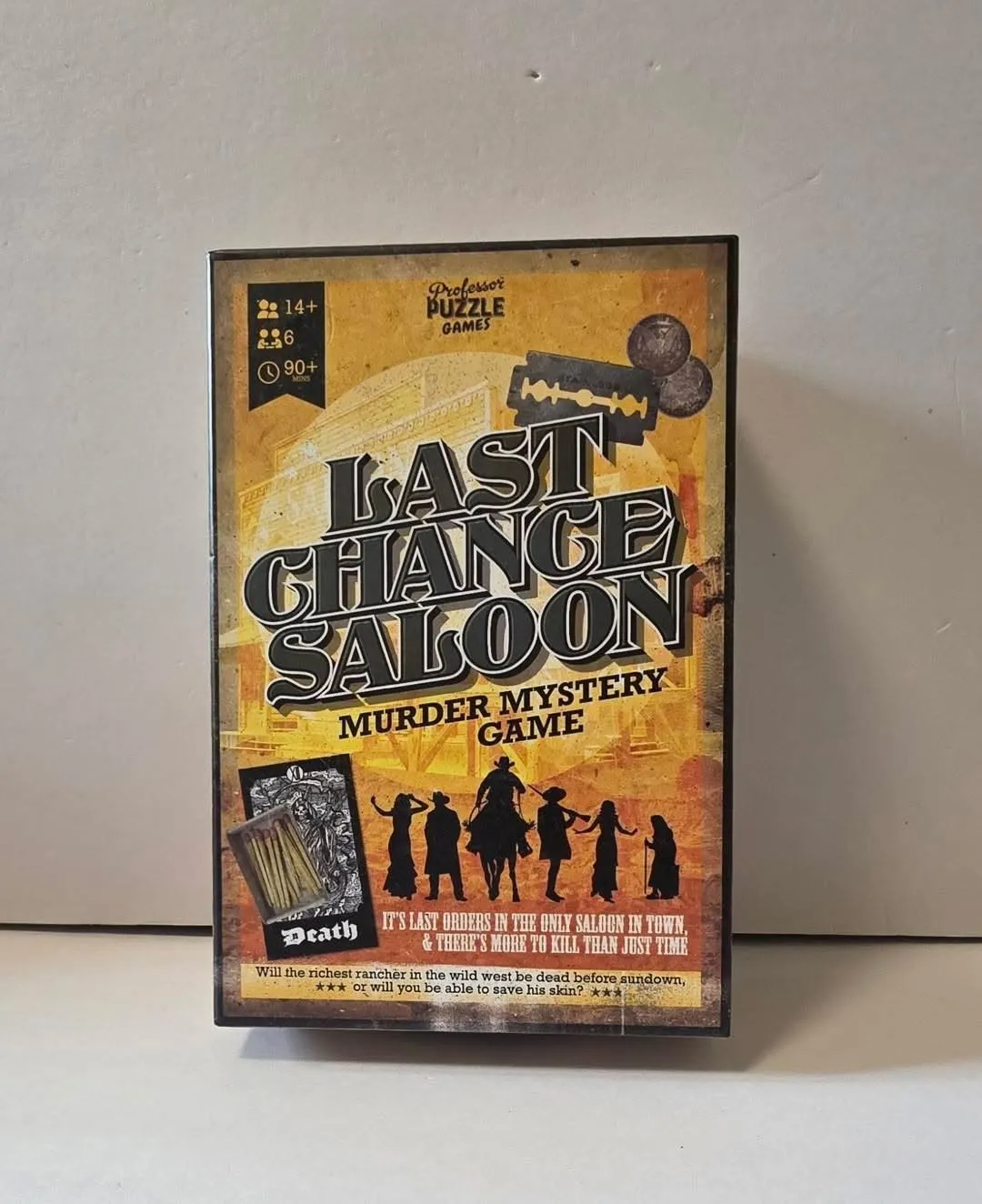
Last Chance Saloon – Murder Mystery Game
22,00 €
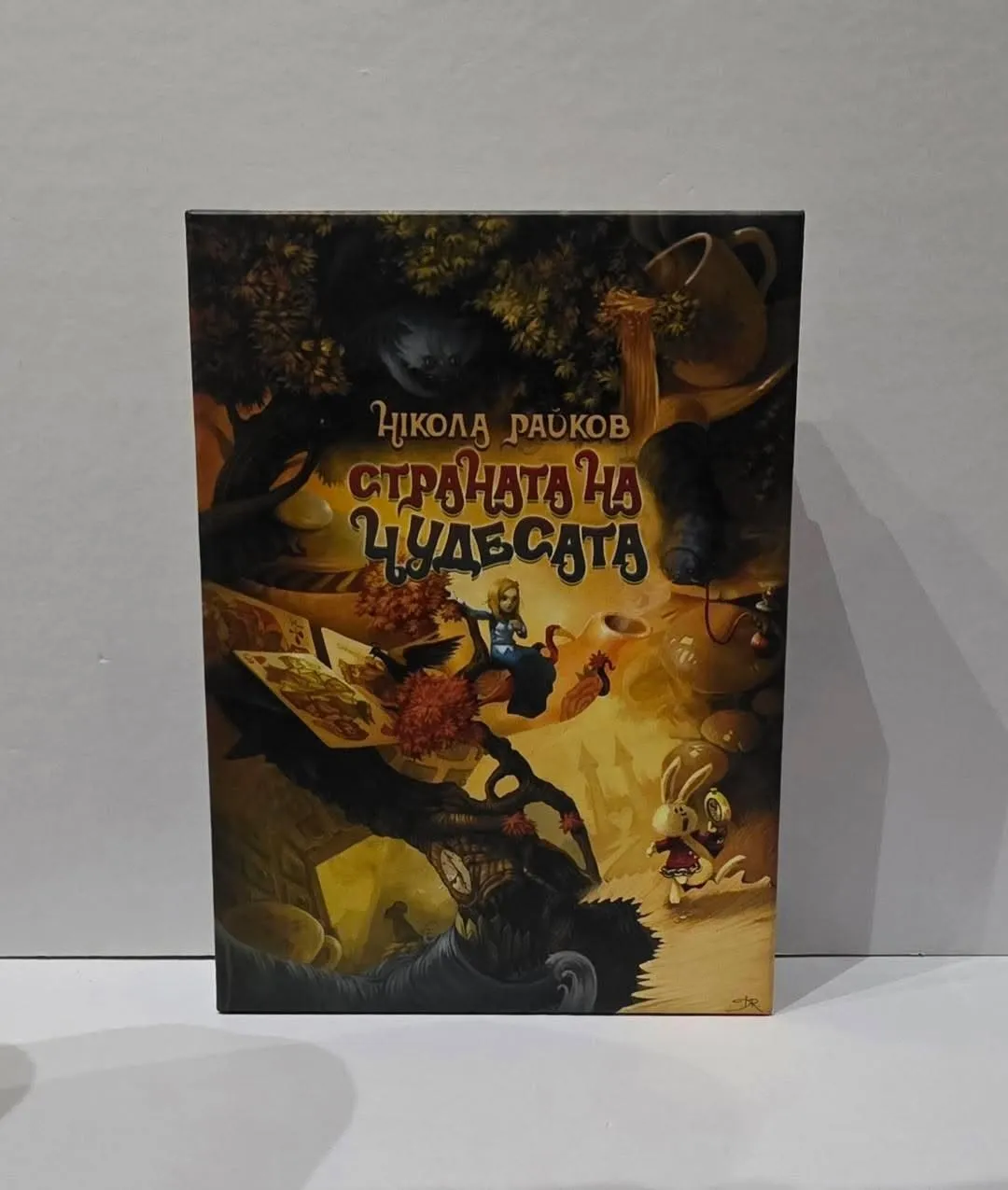
Wonderland — Nikolay Raykov
25,00 €
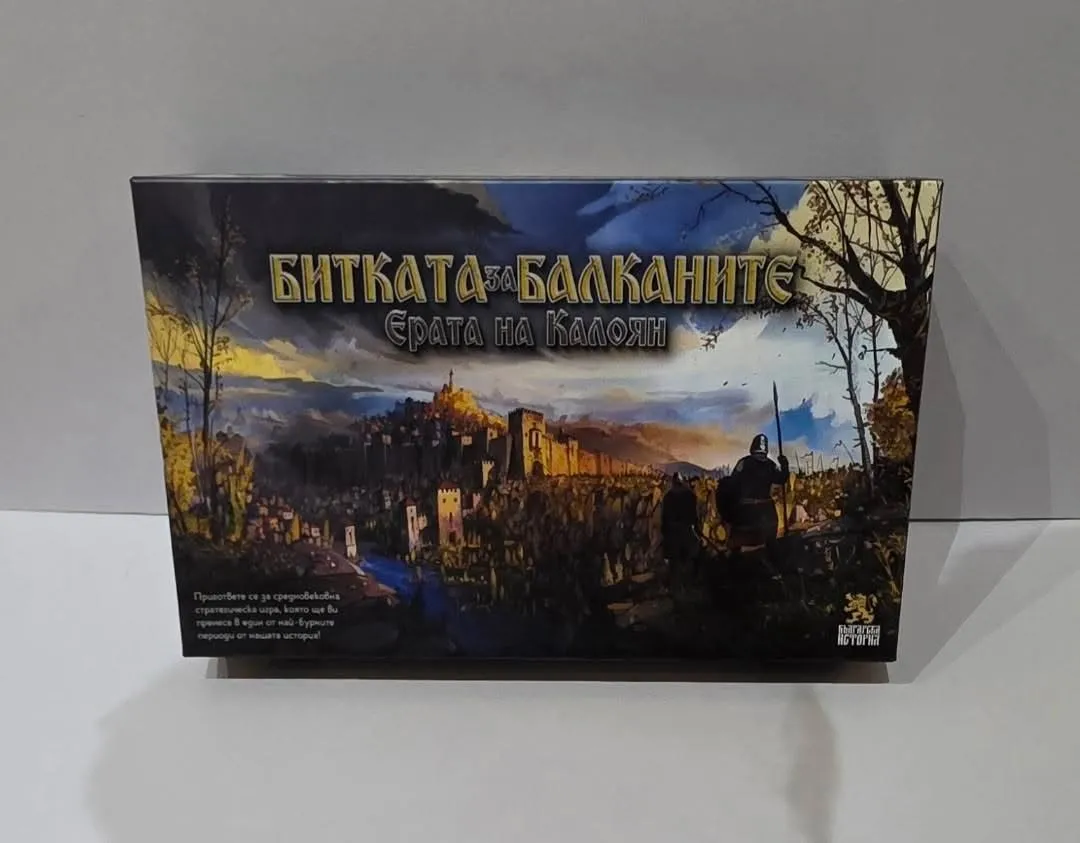
The Battle for the Balkans: The Era of Kaloyan
23,00 €
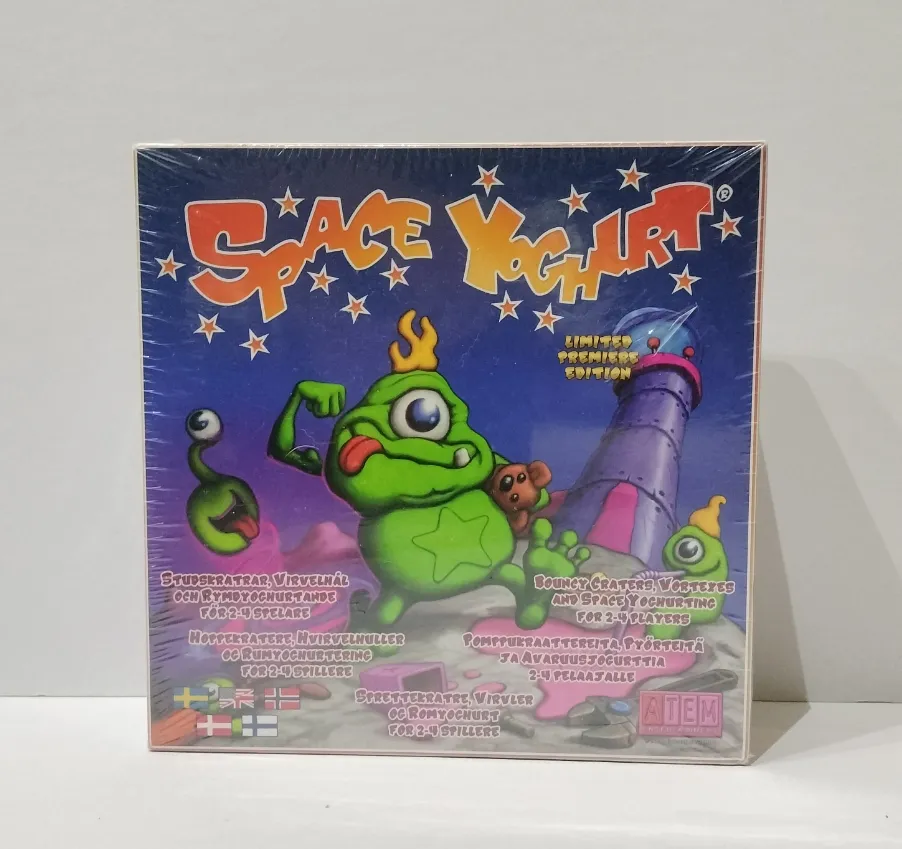
Space Yoghurt — Limited Premiere Edition
8,00 €
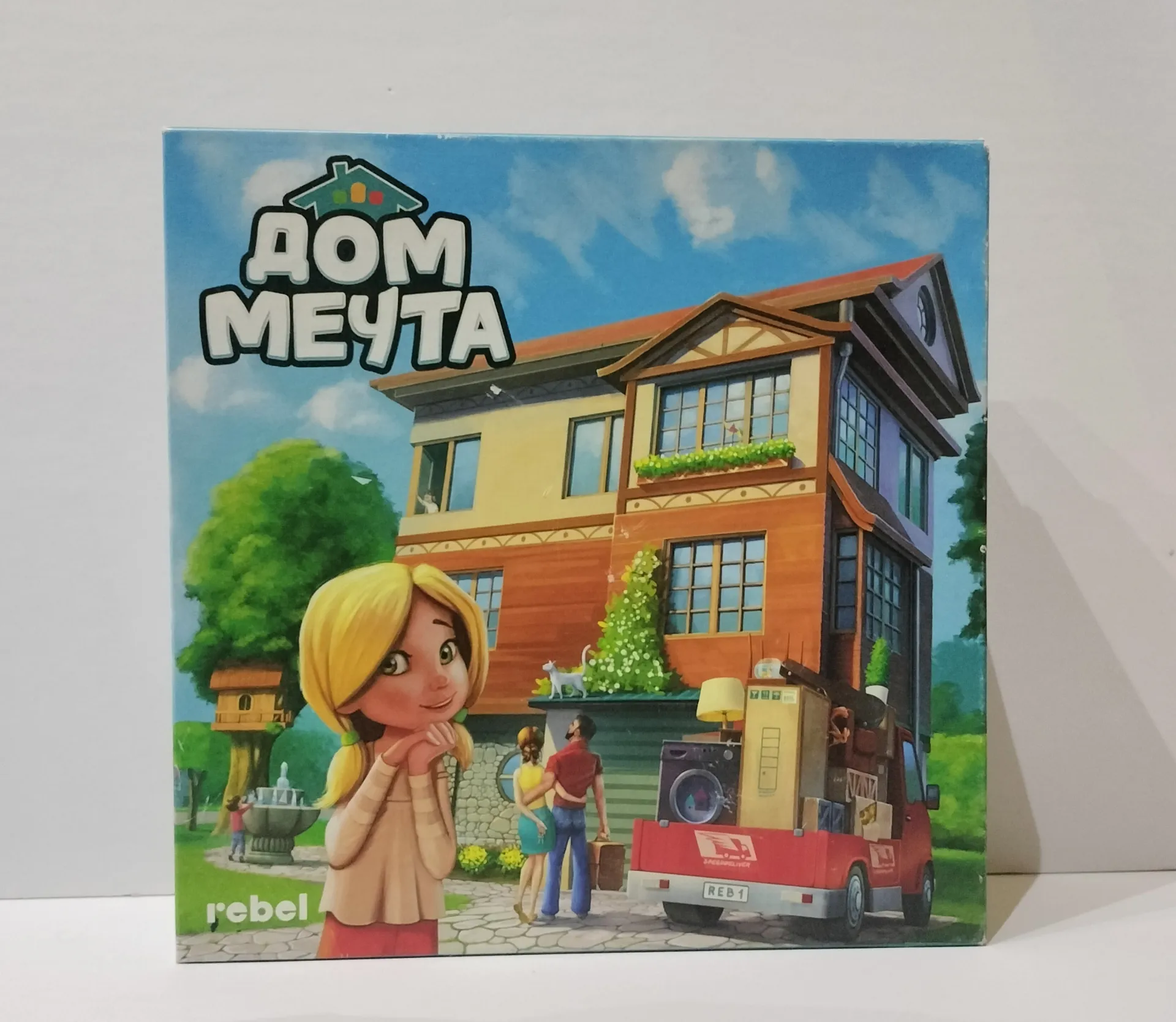
Dream Home — Bulgarian Edition
15,00 €
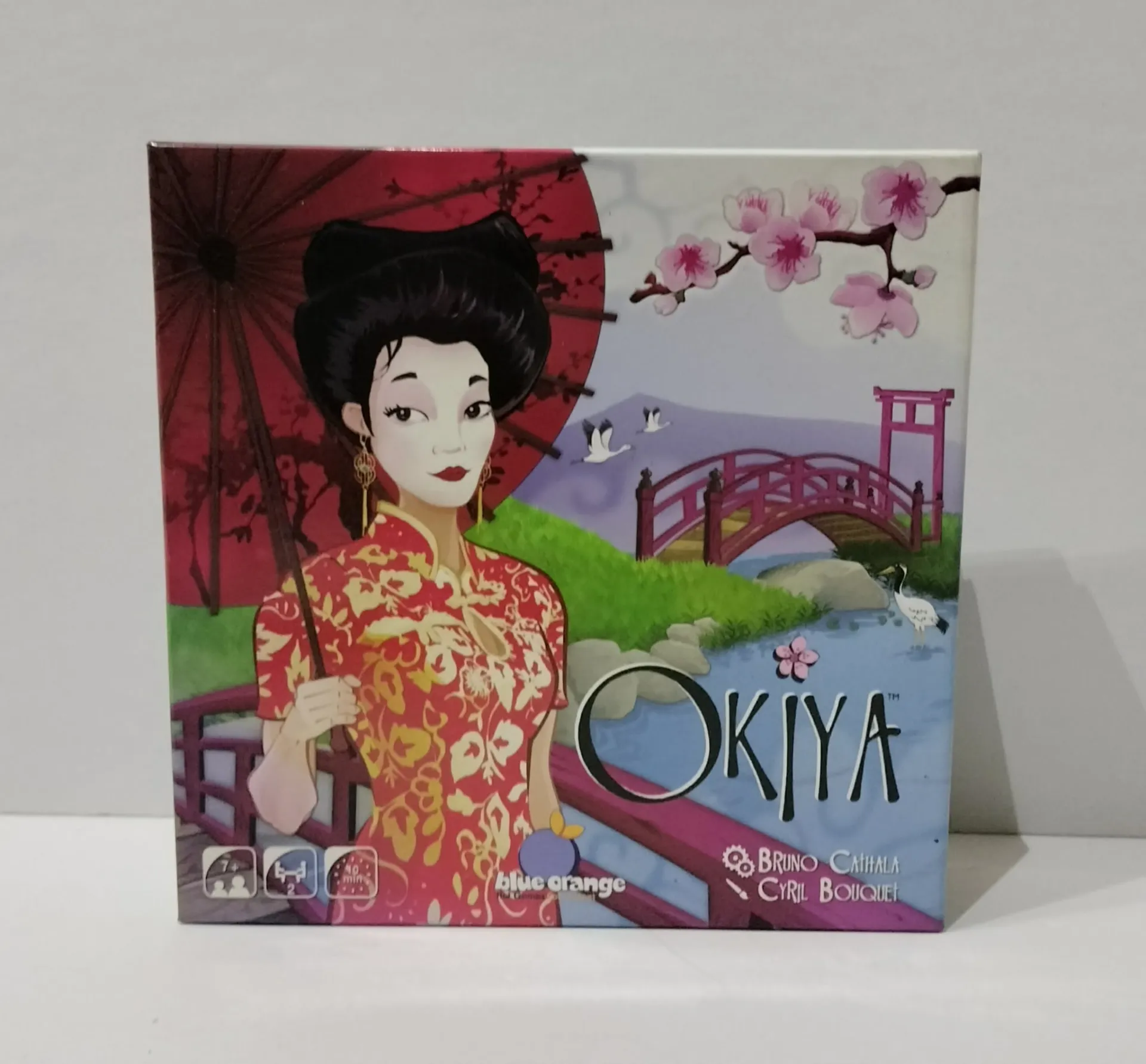
Okiya — Blue Orange, English edition
10,00 €
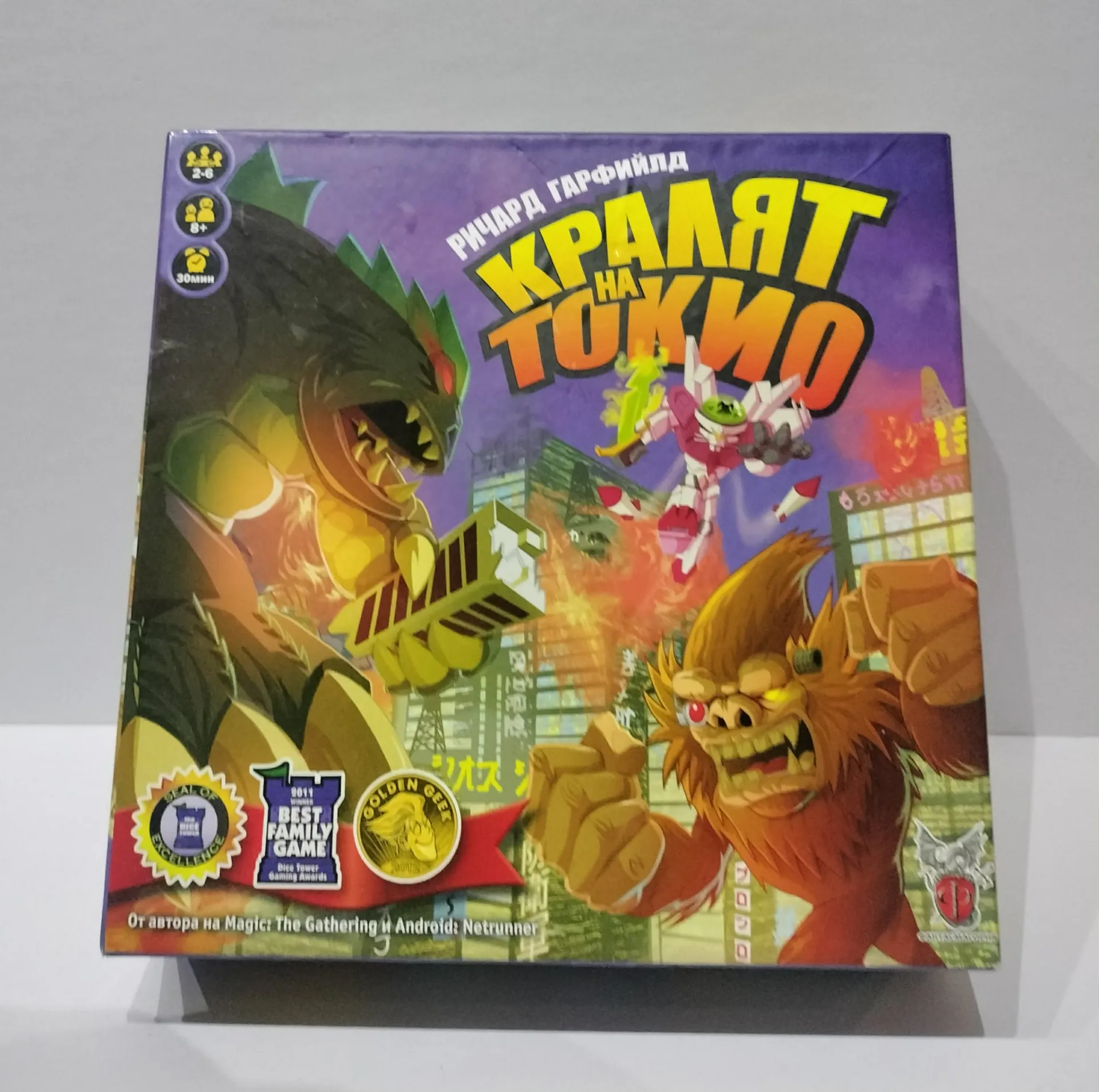
King of Tokyo — Bulgarian edition
35,00 €
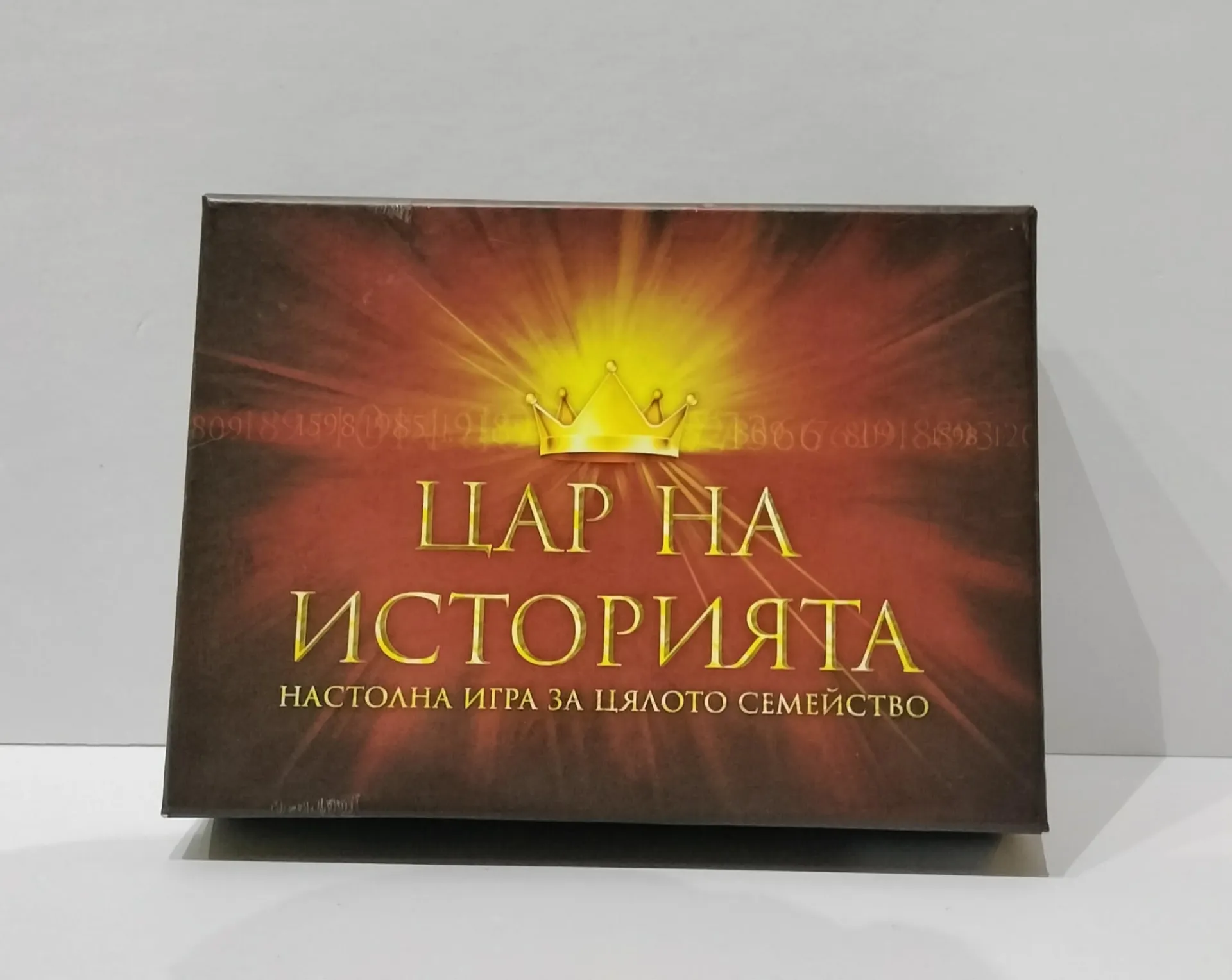
Tzar of History — Bulgarian history board game
12,00 €
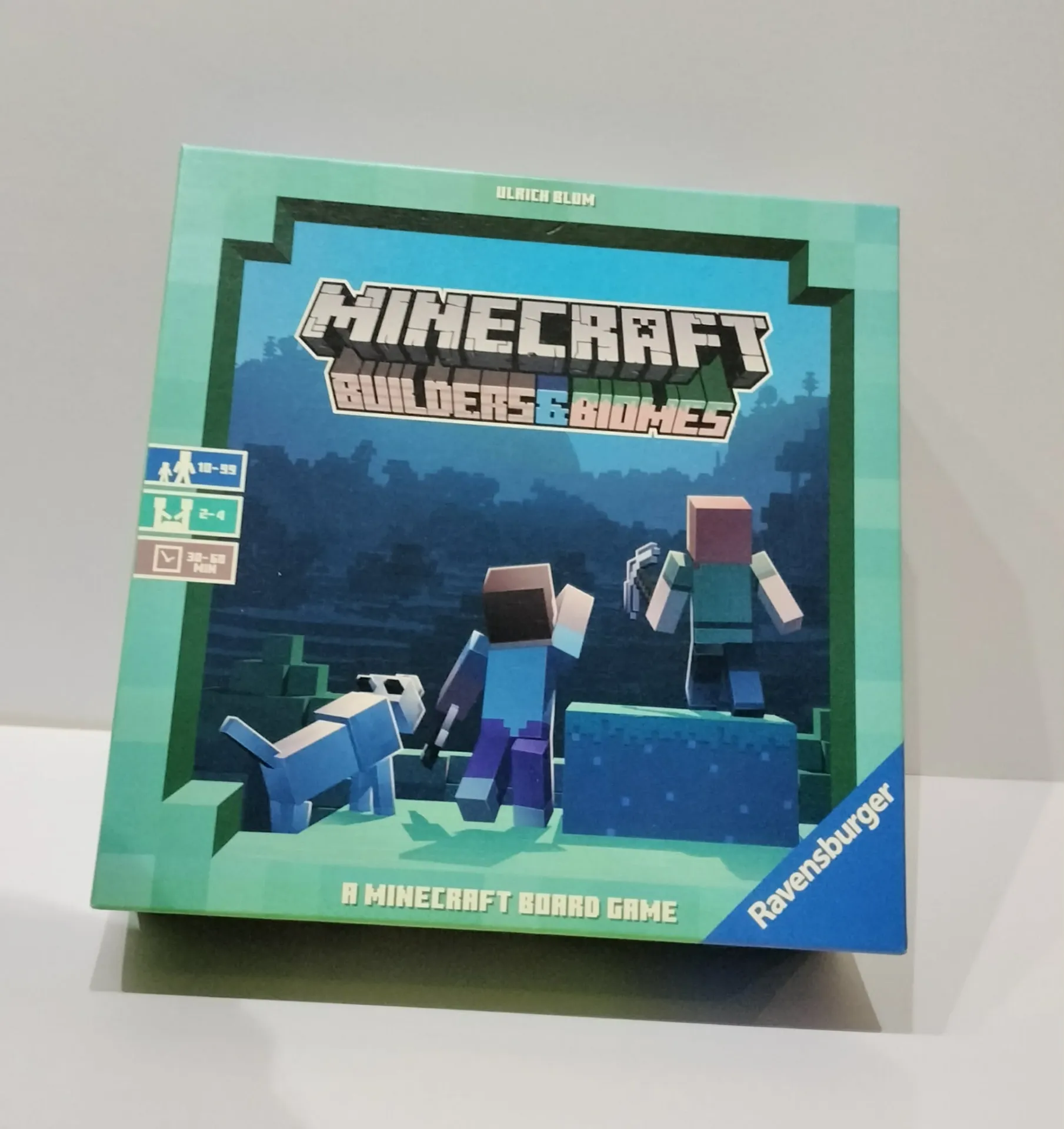
Minecraft: Builders & Biomes — Board Game
30,00 €
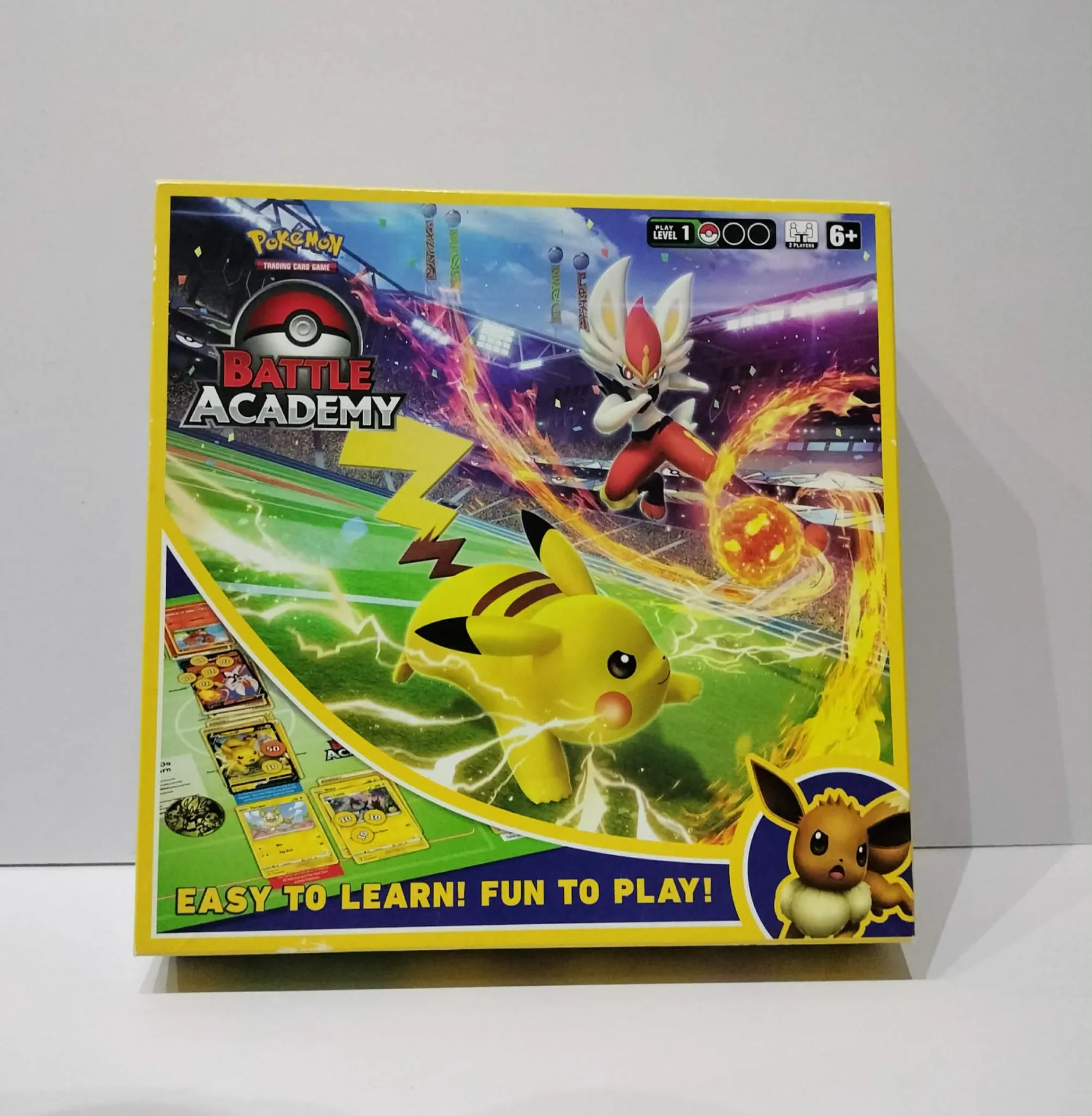
Pokémon TCG Battle Academy 2022 — Pikachu, Eevee & Cinderace V
28,00 €