
The collector's edition
Trade Used Video Games Without Unnecessary Risk
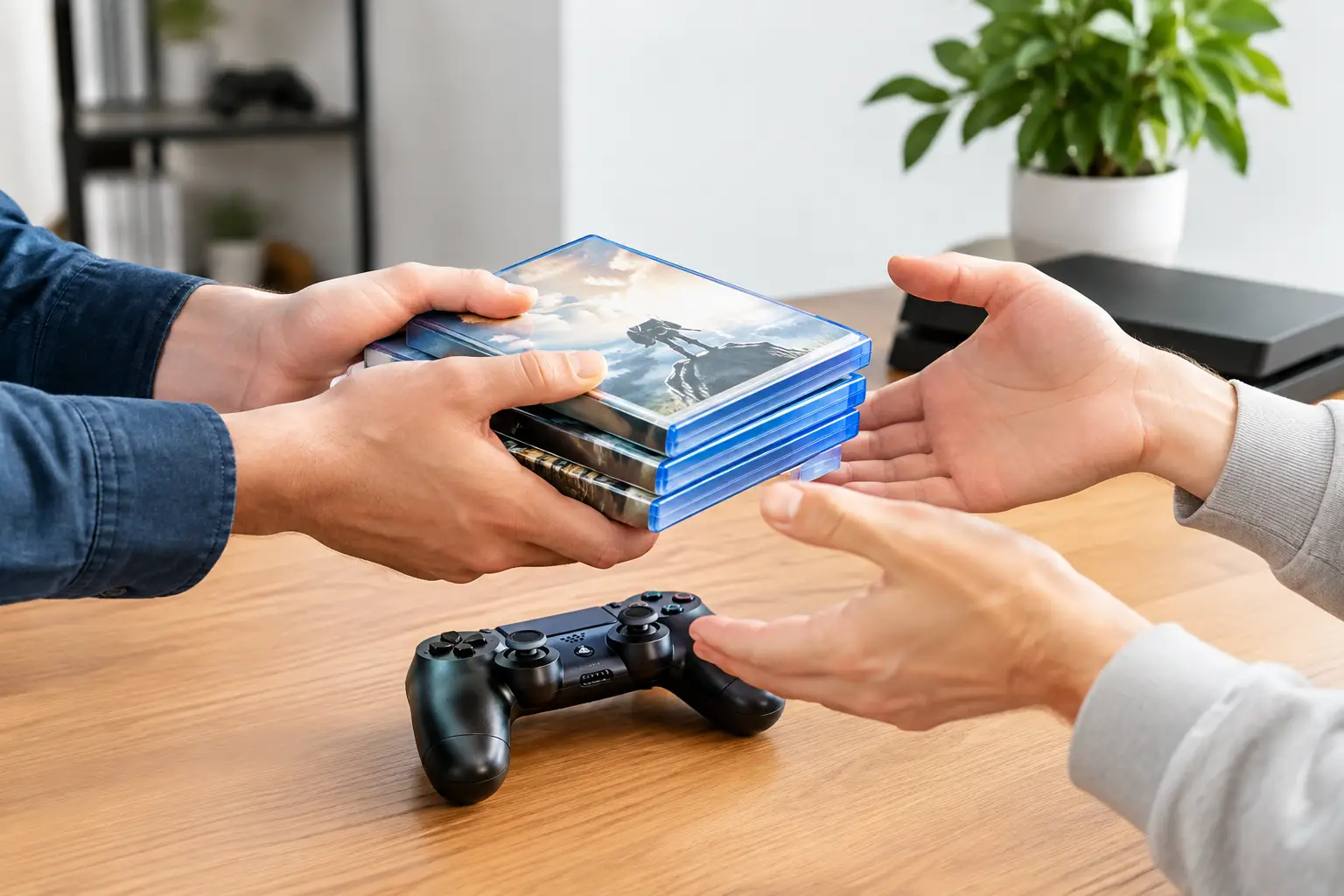
Some games just gather dust on the shelf. Others still work, but are no longer to your taste, aren’t for your console, or are simply duplicates in your collection. Trading them can give these titles a new lease on life and bring you something you’ll actually play or keep. The important thing is to agree on the deal before sending anything.
The value of a physical game depends on more than its title. The platform and region, the condition of the disc or cartridge, and the original box and inserts can all significantly affect both the price and interest in the listing. A well-preserved Nintendo cartridge or a PS2 game with its manual isn’t the same item as a loose disc in a replacement case.
Why trading used video games is worthwhile
Selling brings in money, while trading is often a more direct route to your next game. If you’ve finished with a few PS4 titles and are looking for Nintendo Switch exclusives, a direct trade can save time, fees and a series of separate arrangements. It works best when both parties are looking for something specific, rather than simply trying to clear out a cupboard.
There’s also collector interest. Many physical releases are no longer available in regular shops, but continue to change hands among fans. This applies to retro games, limited editions, low-run titles and versions that weren’t widely distributed in Bulgaria. Your PAL/EU version may be the missing piece in someone’s series, while it may no longer have any practical value to you.
Trading isn’t necessarily more worthwhile than selling, though. If you offer a sought-after title in excellent condition and receive a widely available game without a box in return, convenience doesn’t erase the difference. A good deal is one where both parties know exactly what they’re trading and why the value is fair.
Assess the game before offering a trade
First, specify the exact platform. Resident Evil 4 for GameCube, PS2, Wii, PS4 and PS5 isn’t the same item, even if the covers look similar. For Xbox, it matters whether the game is for the original Xbox, Xbox 360, Xbox One or Series X, and whether it’s backward compatible. Collectors know the difference between DS, 3DS, Switch, Wii U and Game Boy releases, but unclear listings often leave it unspecified.
Next, check the region. PAL, EU, UK, US and Japanese editions may differ in cover art, language, rating, compatibility and demand. PAL and EU are often used almost as synonyms, but in the description, follow the information actually printed on the box and disc. On older consoles, the region may determine whether the game will start without modification. Restrictions can sometimes be less significant on modern consoles, but language and collector value still matter.
Describe the condition accurately, without presenting it as better than it is. A disc with light signs of use that works normally isn’t in mint condition. A case with broken retainers, a faded cover or a missing manual isn’t a complete set. If you haven’t tested the game, say so directly. Accuracy prevents unpleasant surprises and shows respect for the person on the other side.
It’s helpful to distinguish three options: media only; a game with its original case; and a complete set with a manual, map, codes or bonus materials. Unused codes may add value, but a code that has already been used shouldn’t be presented as part of the trade. For a collector’s edition, also list the extra items — steelbook, artbook, figurine, soundtrack or slipcover.
Real photos are part of the deal
Photograph the front and back of the case, the disc or cartridge itself, and any flaws. For a disc, photograph the readable side in good light, without filters that hide scratches. For a cartridge, it’s useful to show the label and contacts. If you’re offering a rarer edition, photograph the catalogue code if it’s visible.
This isn’t an unnecessary formality. Real photos help the other party check the region, contents and condition instead of guessing from an image online. Ask for the same in return for the game you’ll receive. For retro titles, photos are especially useful for spotting reproductions, replacement cases and damaged labels.
How to negotiate a fair video game trade
Start with specifics: what you’re offering, its condition, what you’re looking for, and whether you’re willing to add money in one direction. “Trading games, make an offer” usually leads to lots of conversations and few actual deals. A clearer example is: I’m offering The Legend of Zelda: Breath of the Wild for Nintendo Switch, PAL/EU, with case and cartridge; I’m looking for Super Mario Odyssey or another Switch title of equivalent value.
Don’t base your decision only on listed prices. Take actual demand, condition and availability into account. A popular game that’s easy to find new on sale usually doesn’t have the same trading power as a discontinued title. But rarity alone doesn’t guarantee high value if the game is incomplete, badly damaged or has no active audience.
Adding money is a normal way to even out the values, not a sign that the trade has failed. It makes sense when the difference is clear and reasonable. Agree in advance on the exact amount, who pays for shipping, and what you’ll do if a described issue turns out to be different than expected when the item arrives. If one item is significantly more expensive, selling it and making a separate purchase is sometimes the cleaner solution.
When not to rush into a deal
Stop and check more carefully if there are no original photos, the platform isn’t specified, or the description changes during the conversation. Be cautious, too, when a rare game is offered at a suspiciously low value and the seller avoids questions about the label, edition code or testing the media. For Pokémon games, retro Nintendo cartridges and expensive limited editions, checking authenticity is essential.
Don’t send the game until you’ve clearly agreed on both shipments. Cash on delivery reduces risk in trades involving an additional payment, but it doesn’t replace good communication and verifiable condition. Keep the conversation and photos until the trade is complete. Pack discs separately from heavy items, and protect cartridges from pressure and moisture.
A specialist marketplace like KPZ helps because listings are organized by platform, title, edition and condition. This keeps valuable information from getting lost among random items, makes specific games quicker to find and makes similar offers easier to compare.
What your collection gains
A successful trade isn’t just a way to free up space. It lets you organize your collection around the games you actually play, look for and value. You might trade five forgotten sports titles for one adventure you missed, or find the exact PAL version of a favourite classic with its original manual.
Treat every trade as a small collector’s deal: identify the game precisely, show its actual condition and ask for the same clarity in return. That way, you’ll free up shelf space and welcome your next find without unpleasant surprises. Buy. Sell. Trade.
Find it at KPZ
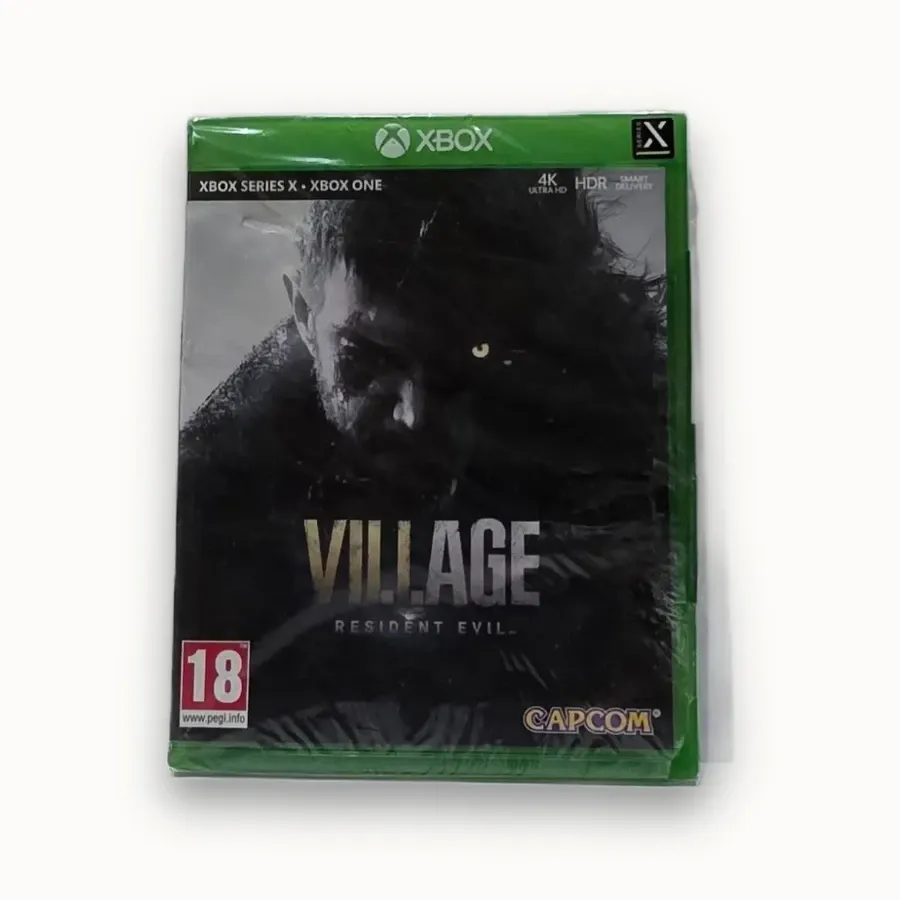
Resident Evil Village — Xbox Series X / Xbox One, PAL
49,00 €
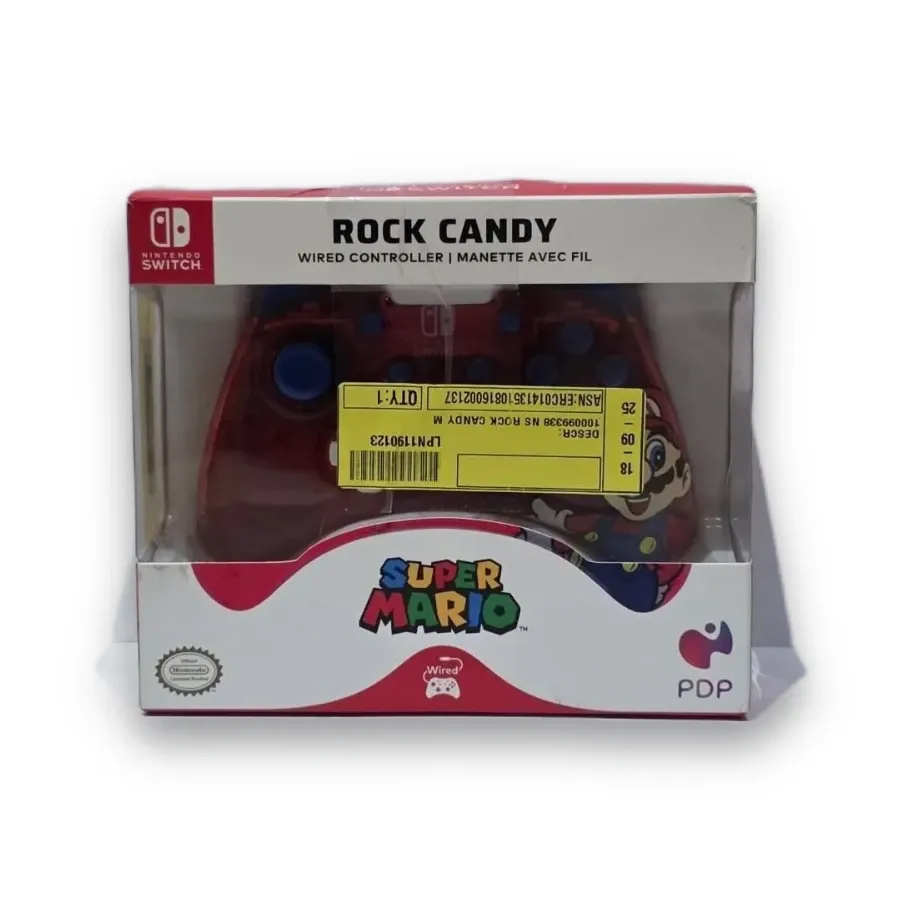
PDP Rock Candy Super Mario Wired Controller for Nintendo Switch
24,00 €
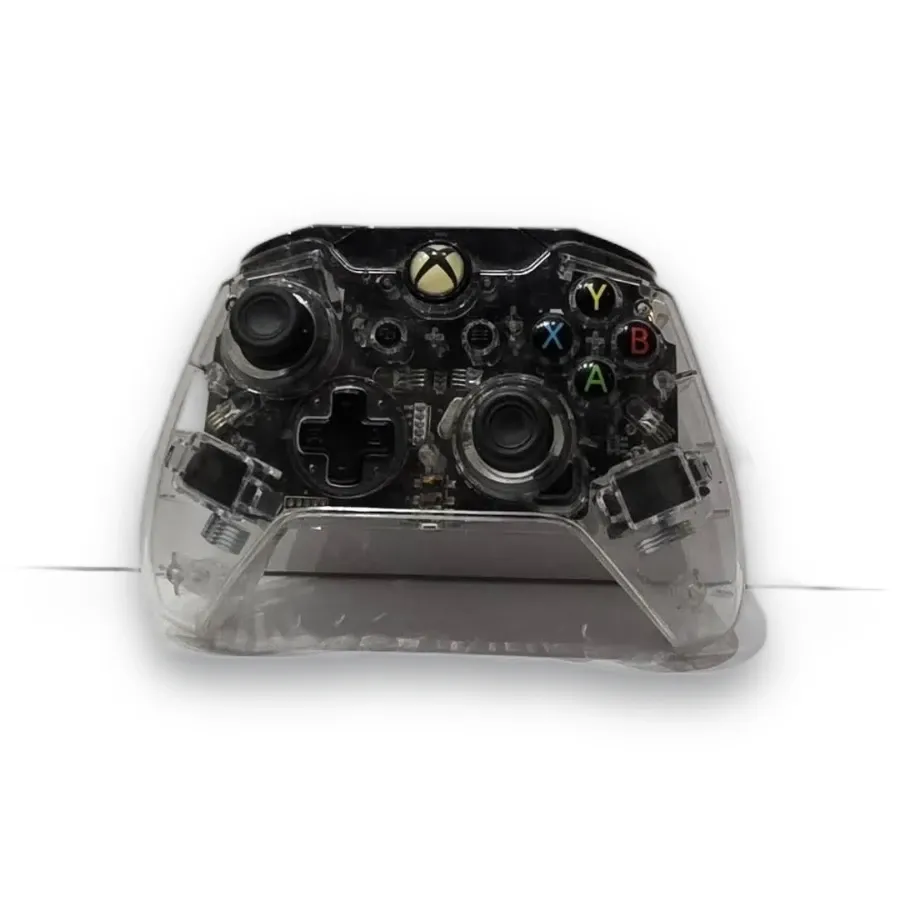
PDP Afterglow Clear Wired Controller for Xbox One — Incomplete
28,00 €
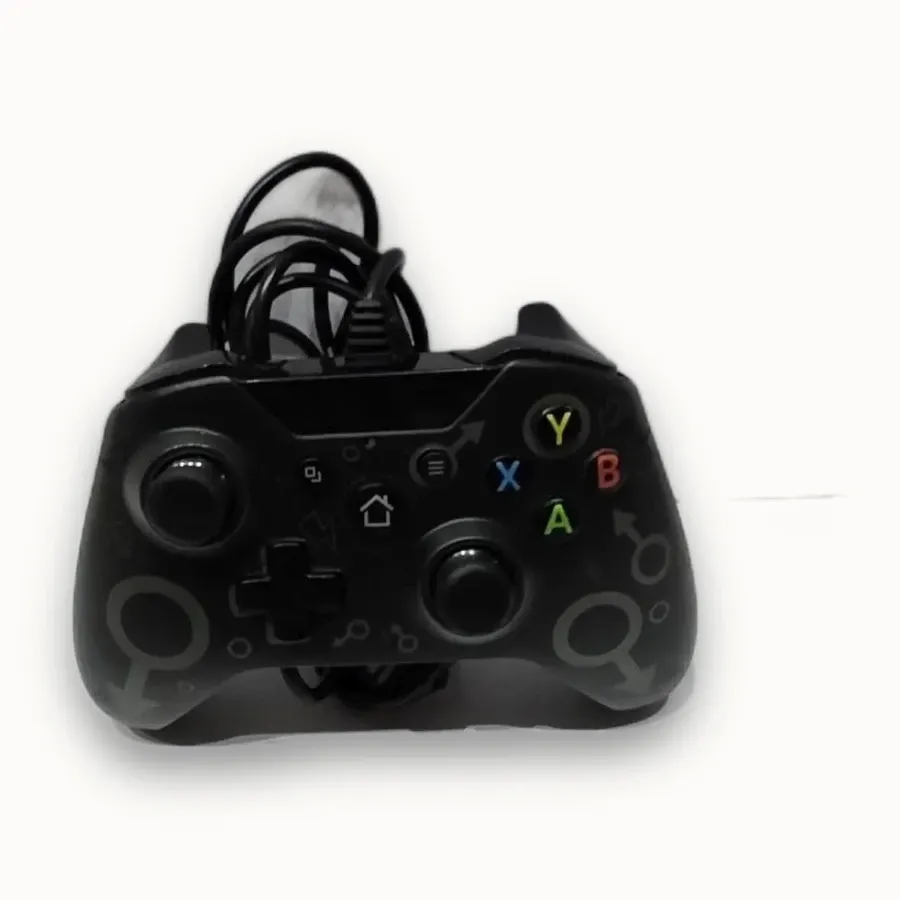
N-1 Wired Controller for Xbox One
20,00 €
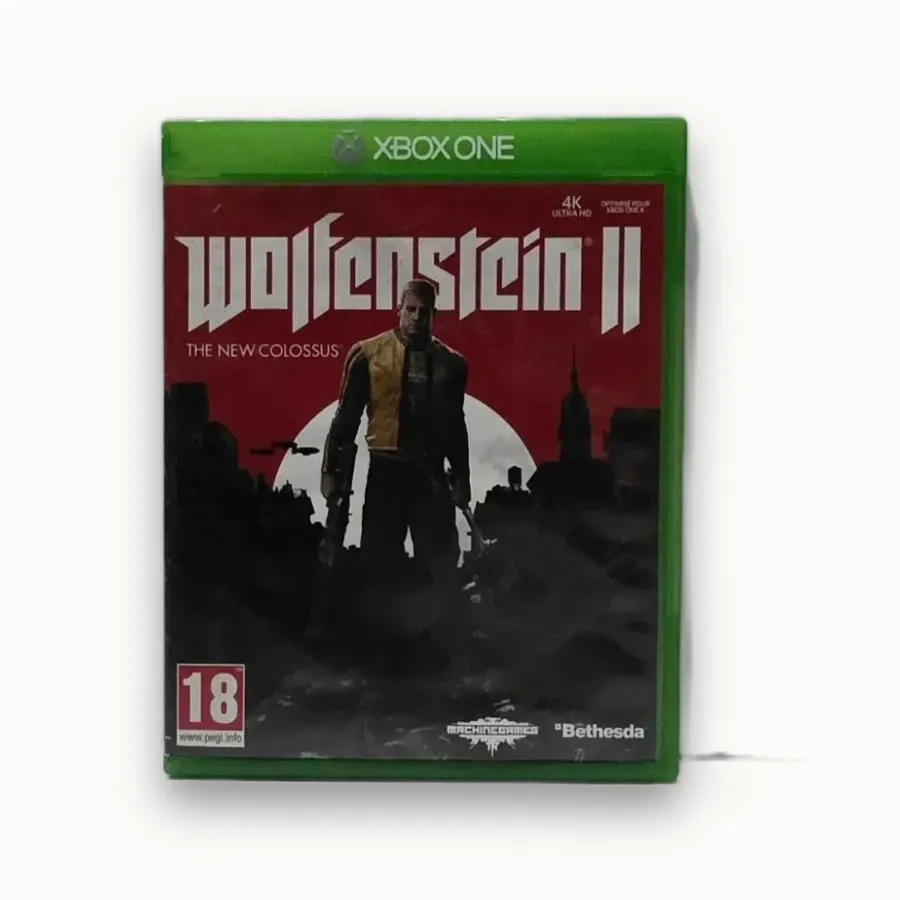
Wolfenstein II: The New Colossus for Xbox One — PAL/EU
16,00 €
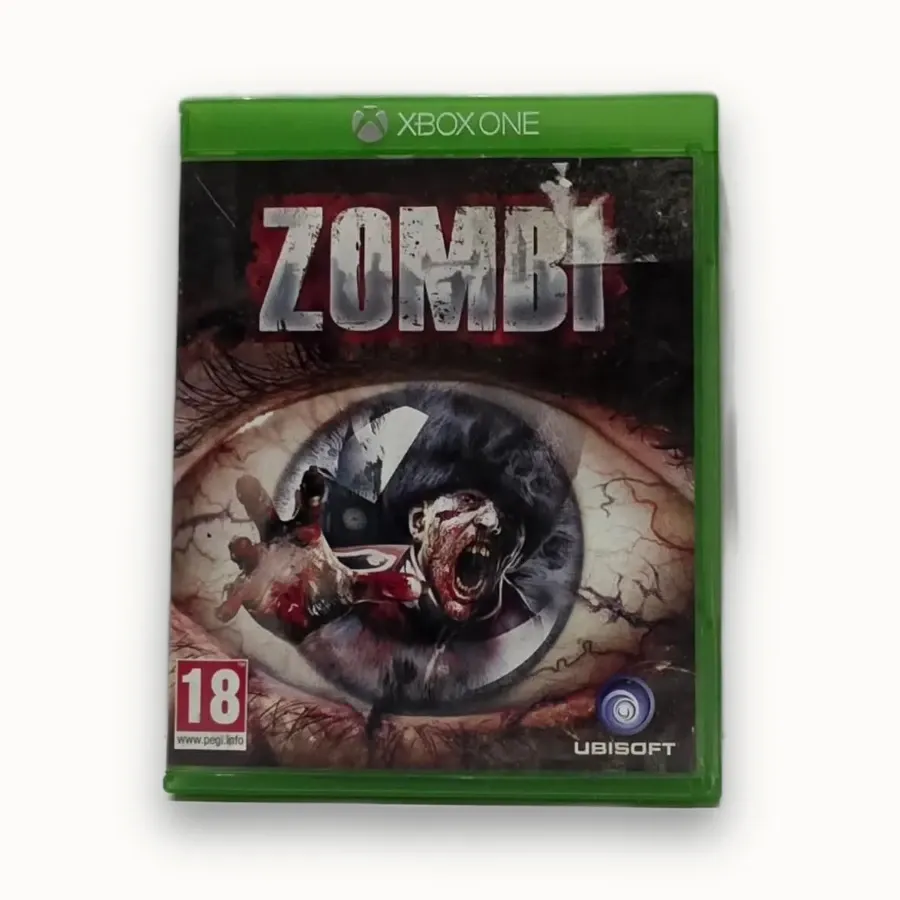
Zombi for Xbox One — PAL/EU Edition
11,00 €
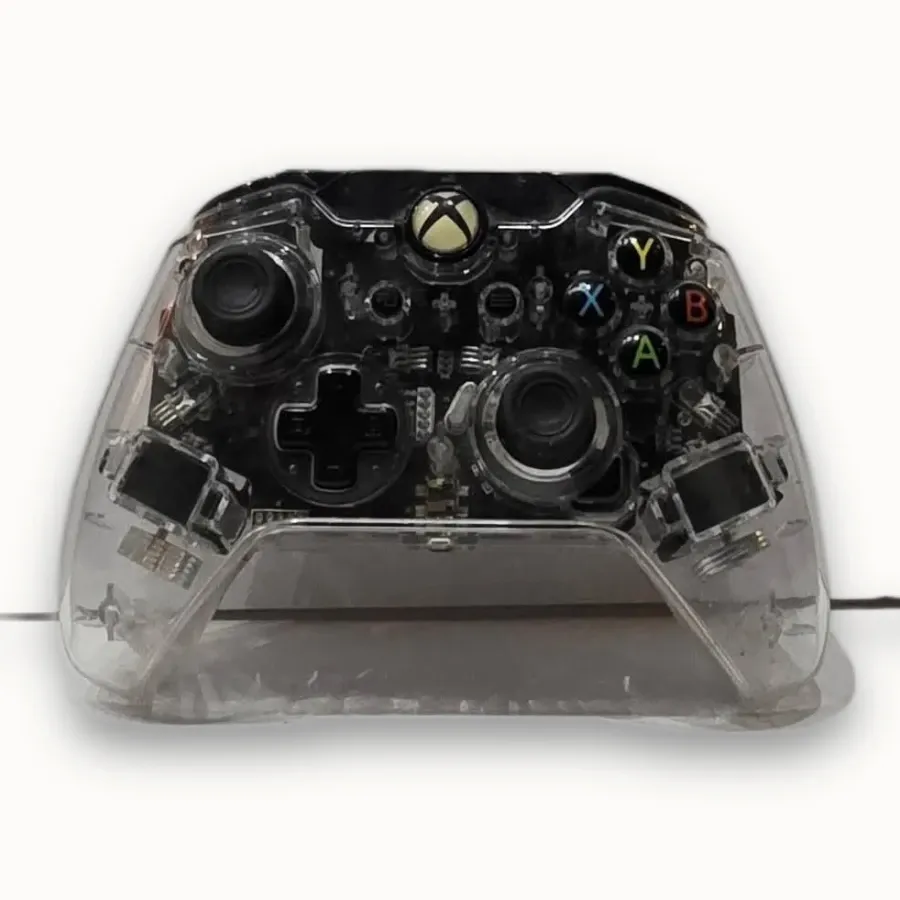
PDP Afterglow Clear Wired Controller for Xbox One
30,00 €
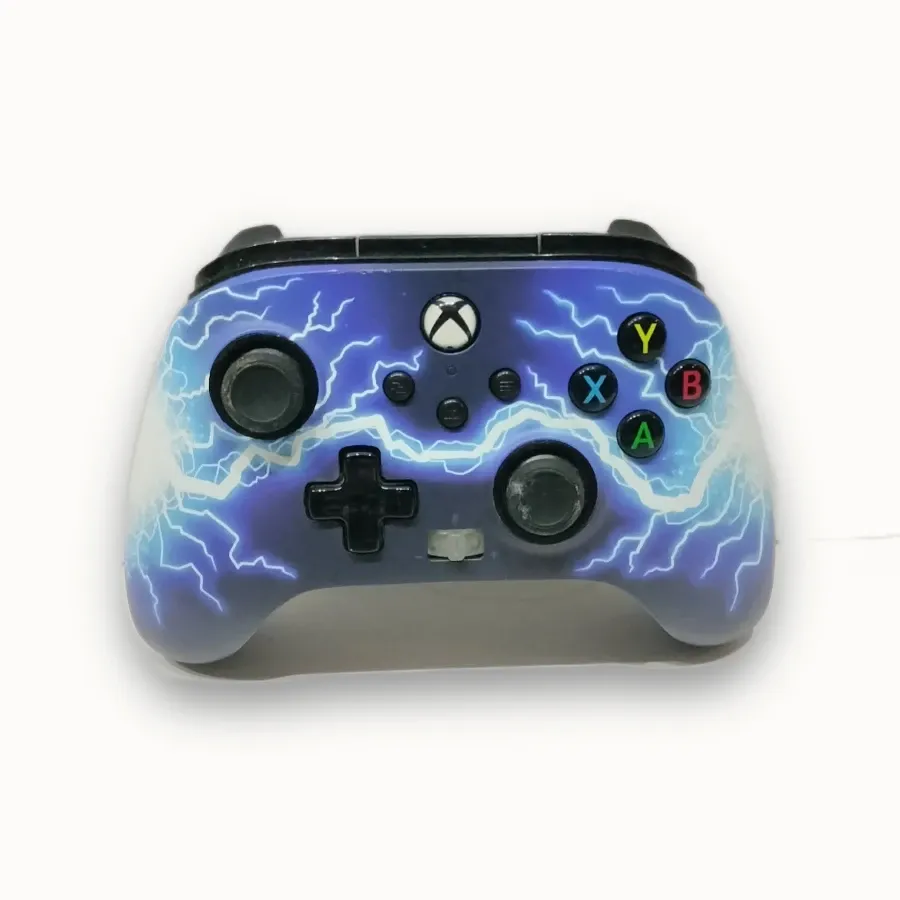
PowerA Enhanced Wired Controller for Xbox – Arc Lightning
30,00 €
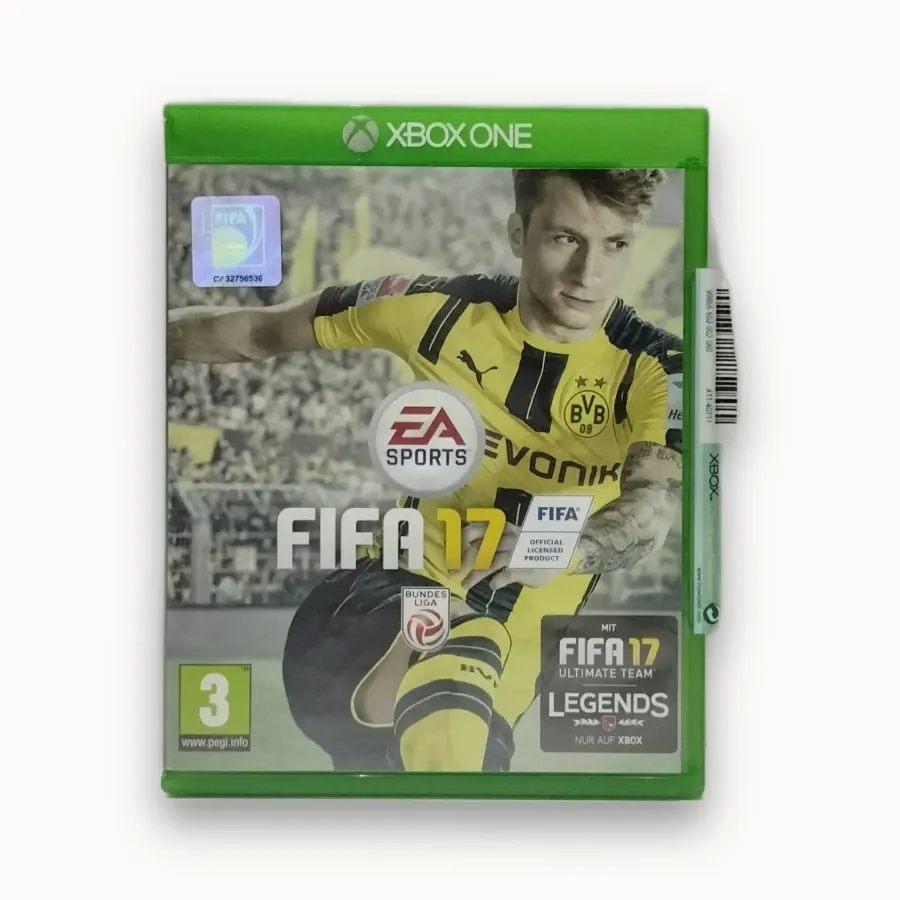
FIFA 17 for Xbox One — PAL/EU
5,00 €
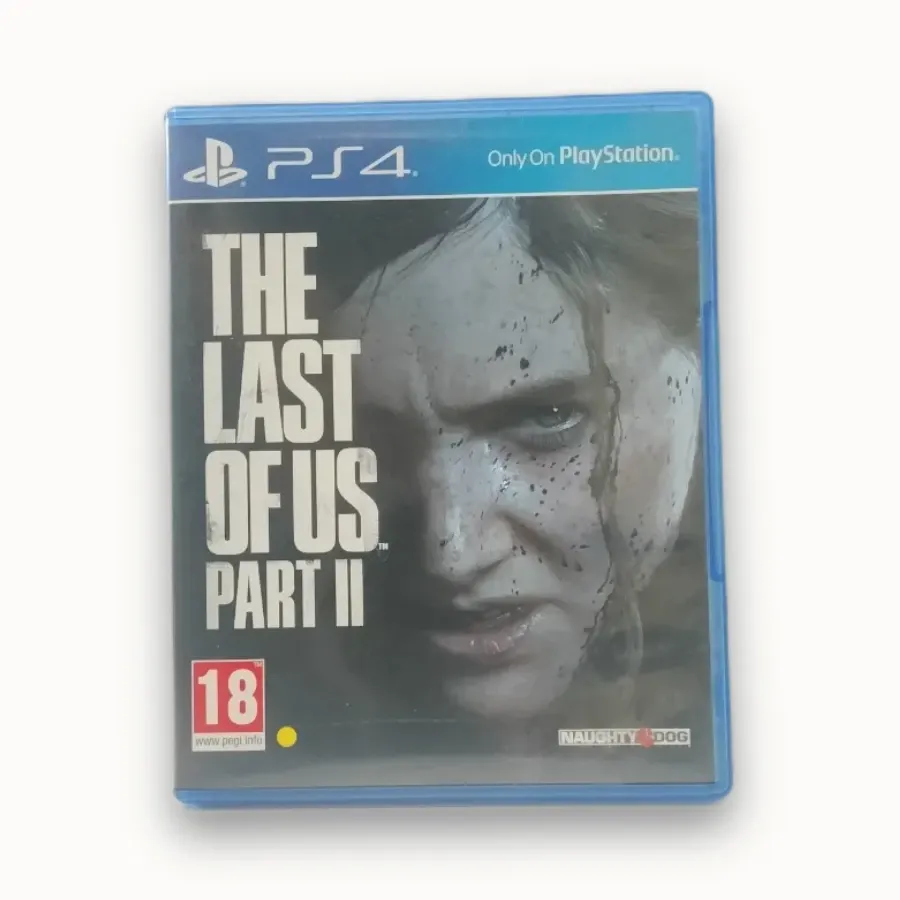
The Last of Us Part II for PS4 — PAL/EU, 2 discs
23,00 €