
The collector's edition
Family Board Games You’ll Return To
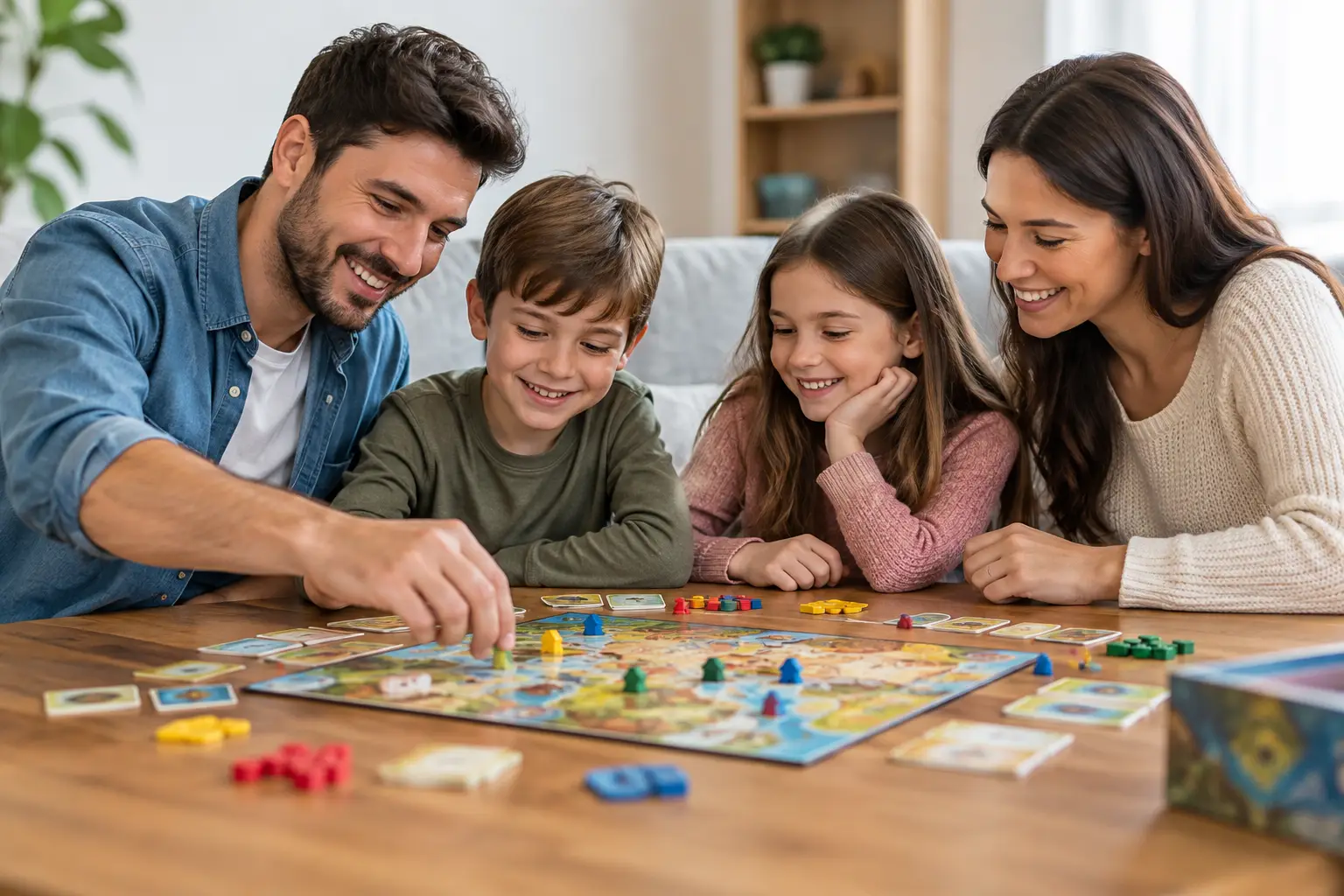
A good box on the table can bring together a child, a teenager and two adults better than another round of “What should we watch?” Family board games aren’t just an activity for a rainy afternoon. They can become a small ritual: someone deals the cards, someone else forgets a rule, a third person gets loudly excited about an unexpected move, and the phones stay aside for at least an hour.
The hard part is choosing the right game. The label “for the whole family” doesn’t guarantee that a title will suit your group. Some games are great for two adults and an eight-year-old, but don’t work well with six players. Others come with beautiful miniatures and an imposing box, but take 40 minutes just to explain. Start not with the most popular title, but with the people who will actually sit around the table.
How to choose a family board game
Before weighing up the theme, mechanics or price, answer a few practical questions. How many people will usually play? How old is the youngest regular player? Are you looking for a 20-minute game after dinner, or are you willing to set aside a whole Saturday evening? These details matter more than ratings and an attractive cover.
The age on the box is a useful guide, but not a hard limit. It usually gives an idea of the rules’ complexity, how much reading is involved, and whether small components are suitable for a child. An eight-year-old who is used to cards, dice and planning turns may enjoy a game marked 10+. The reverse is also true: a family that plays rarely will probably feel more comfortable with clear rules and a quick start, even if all the players are adults.
Duration matters too. The 45 minutes listed on the box often turns into 60 or more for the first game. Add unpacking, setup, explanations and questions about the rules. For a weeknight, games with a short cycle are usually a good fit: open the box, explain the game in five minutes, play and, if you feel like it, start a rematch straight away.
Competition, cooperation or a bit of both
In competitive games, players score points, build, collect, outwit one another or compete for a shared goal. Direct comparison brings enjoyable tension, but not every group responds well to it. If the youngest player has a hard time losing, falling noticeably behind may take away their desire to finish the game.
In cooperative games, everyone is on the same team against the game itself. You solve problems together, discuss your moves, and either all win or all lose. This can be a good choice for families with different levels of gaming experience, because more confident players can help the others. There is a catch, though: an adult can easily start directing every move. Give children room to suggest solutions, even when they aren’t the most optimal ones.
There are also games with personal goals within a shared situation. They’re often a good compromise: there’s a reason to cooperate, but also enough freedom for personal choices, so the game doesn’t feel like group homework.
Theme and mechanics: what will bring you back to the table
The theme attracts attention, but the mechanics sustain interest. A family that loves fantasy might buy a game with dragons, but if the whole experience comes down to slowly reading long passages on cards, the box will probably stay on the shelf. At the same time, a game with an apparently ordinary theme, such as building a city or collecting animals, can become a regular favorite if the decisions are clear and every move matters.
For younger children, look for games with visible actions: moving pieces, matching symbols, rolling dice, using memory or completing short tasks. For a mixed group, suitable titles are those whose main rule can be explained in a sentence or two, while better moves are discovered gradually. That way, a new player doesn’t feel left behind, and a more experienced player has something to improve.
A good sign is being able to return to a game after a break. Family game nights aren’t always regular. If you have to go through 20 pages of rules after a month, you’re less likely to open the box again. When buying a used game, check whether the rulebook is included and what language it’s in. A missing rulebook is no minor problem, especially with more complex titles.
Don’t underestimate the number of players
“2 to 6 players” describes the possible range, but not necessarily the best way to play. Some games are at their best with four, but become too dependent on luck with two. Others are tight with two players, while a large group spends too much time waiting for its turn. If you know that you’ll usually be three, look for opinions and descriptions of the game specifically for three players rather than relying only on the maximum number shown on the box.
This is especially important when buying a game for family gatherings. A big box for eight sounds like a safe choice, but if you usually play with three, it may not get enough sessions. It’s better to have one short game for weeknights and one bigger one for guests than a single compromise choice for every occasion.
Used games: what to check before buying
Board games are an excellent choice for the second-hand market. You can often find a well-kept title at a better price, and sometimes an edition that is no longer distributed. With games, though, the contents are part of the experience. One missing token may not matter, but a missing deck of cards, player figure or key tile can make a game unusable.
Check the specific details in the listing instead of settling for the general description “very good condition.” Are there real photos of the box and components? Does the listing specify the edition’s language, whether the rulebook is included and whether anything is missing? Do the cards show signs of use, and does the box have torn corners or signs of moisture? For collectible titles or games that went out of print a long time ago, these details affect both the price and future value.
Check games with lots of cards, miniatures and components in different colors especially carefully. Compare the contents with the official list in the rulebook. If a missing item can be replaced, that should be clearly stated. If the listing includes an expansion, make sure you know whether it is sold with the base game or separately. A photo showing lots of components is no guarantee that the set is complete.
At KPZ, a structured description, real photos and payment on delivery provide a clearer basis for this kind of purchase. Still, read the details carefully: the specific edition, language and condition are decisive when you’re looking for a game for regular use, not just another box for your collection.
Make the first game easy
Even a great game can fall flat on the first night if you start by reading the rules to an impatient audience. Set aside ten minutes beforehand to check the components and set up the game. Then explain the goal, how a turn works and how the game ends. You can leave exceptions and rare situations for later.
When playing with children, it helps to demonstrate the first one or two turns openly. Instead of saying “don’t do that,” explain what the options are and why one of them might be interesting. You don’t need to play at full strength against beginners, but there’s no need to hand them the win either. The best outcome is for everyone to feel they made their own choice and had a real chance.
A family game doesn’t have to be educational, strategic or expensive to deserve a place at home. It’s enough for it to bring the right people together and make you reach for the box again next week. Choose for your own table, not according to someone else’s list—and leave room for the unexpected games that people remember for years.
Find it at KPZ
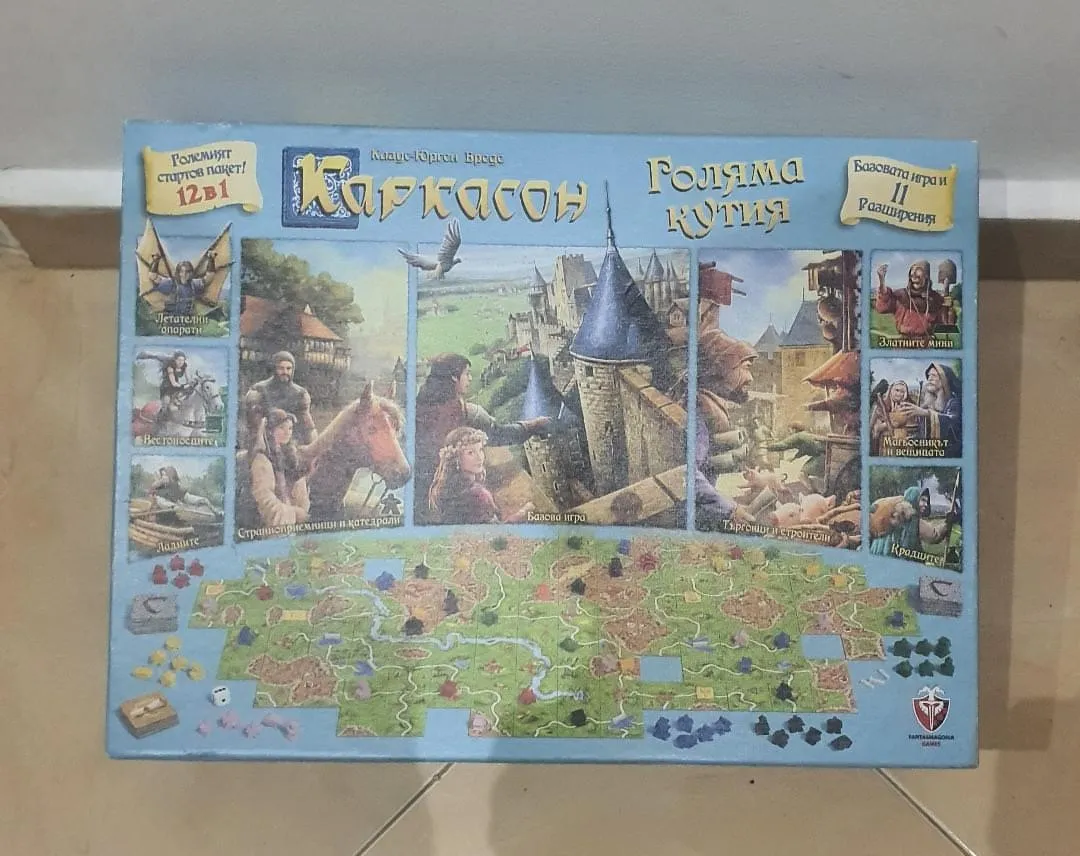
Carcassonne – Big Box 3.0 (12-in-1), Bulgarian edition
45,00 €
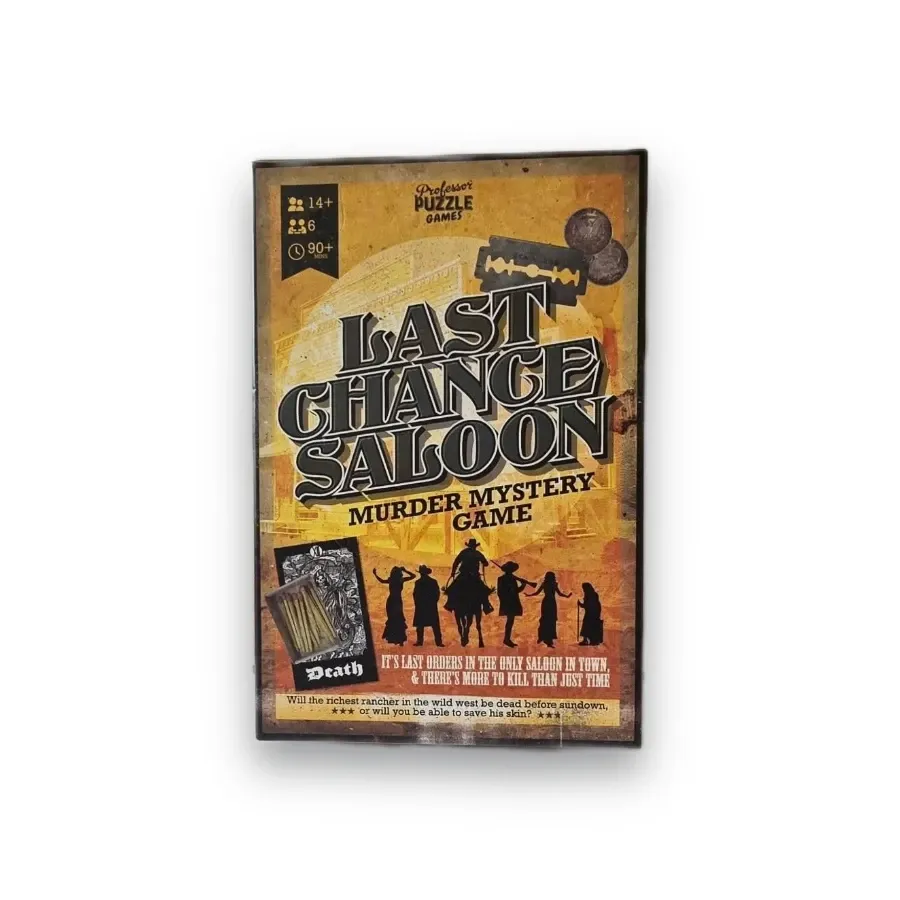
Last Chance Saloon – Murder Mystery Game
22,00 €
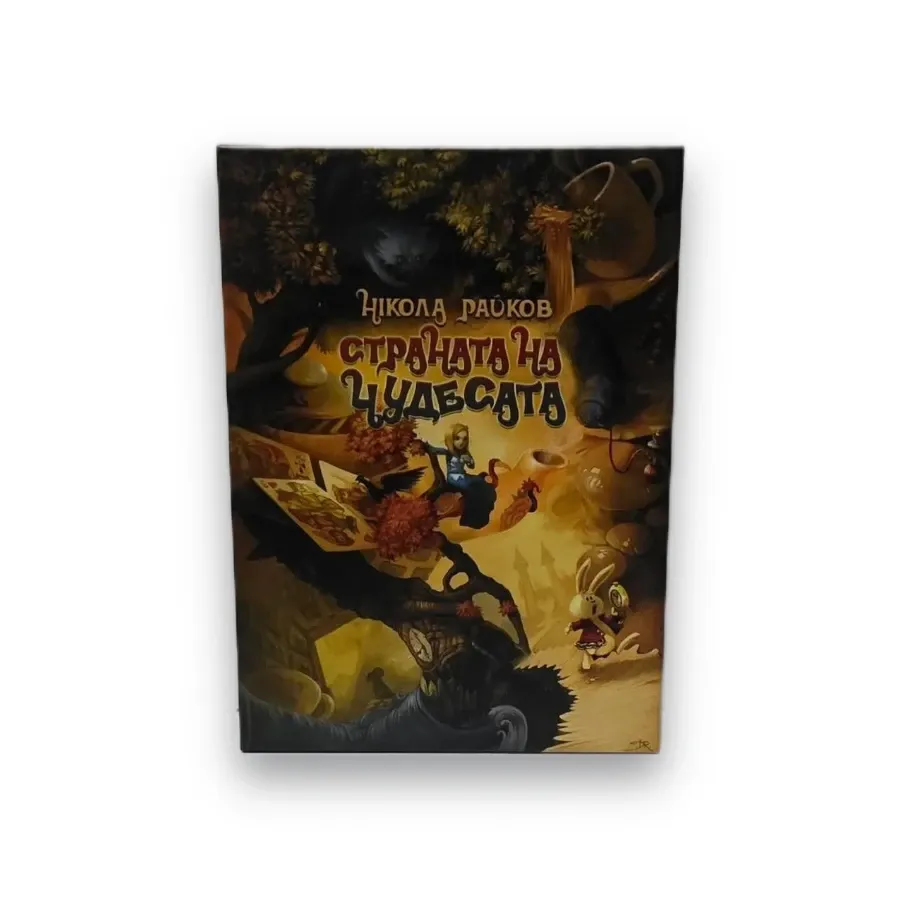
Wonderland — Nikolay Raykov
25,00 €
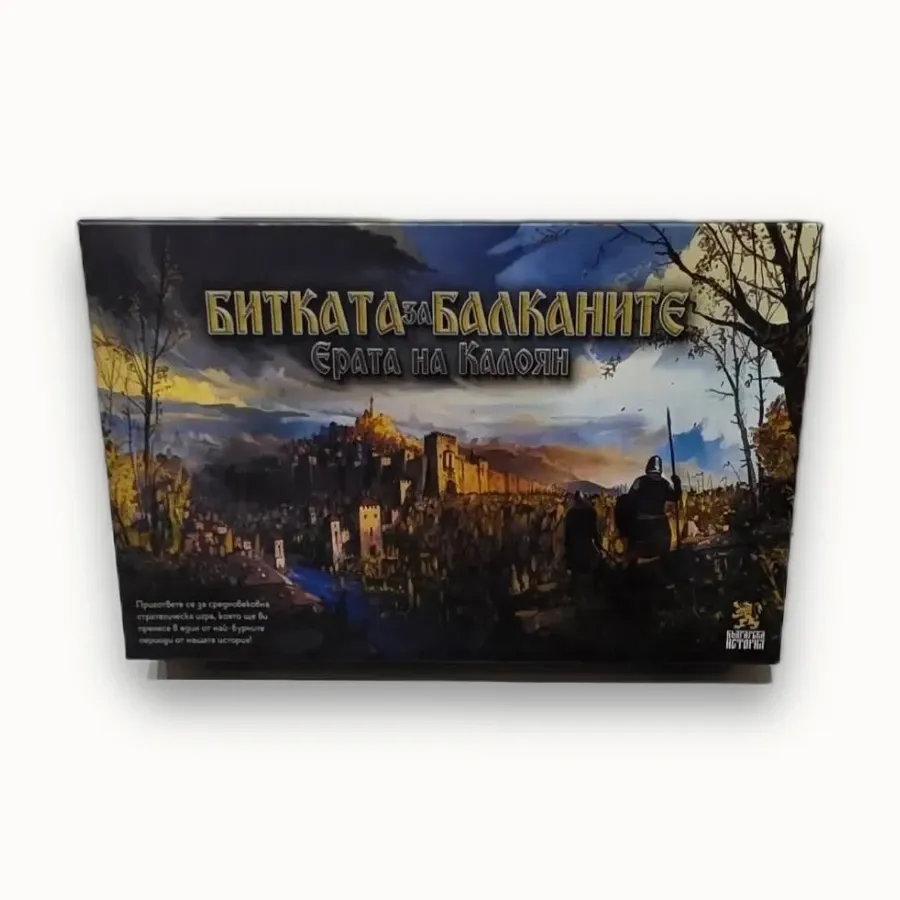
The Battle for the Balkans: The Era of Kaloyan
23,00 €
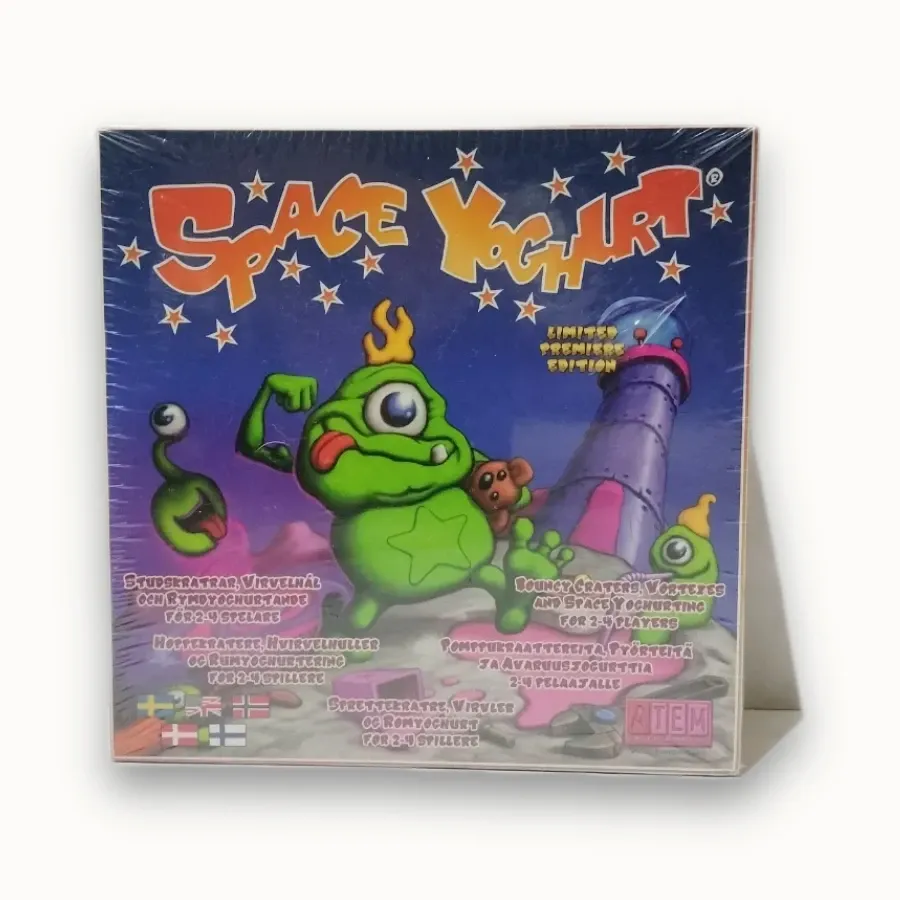
Space Yoghurt — Limited Premiere Edition
8,00 €
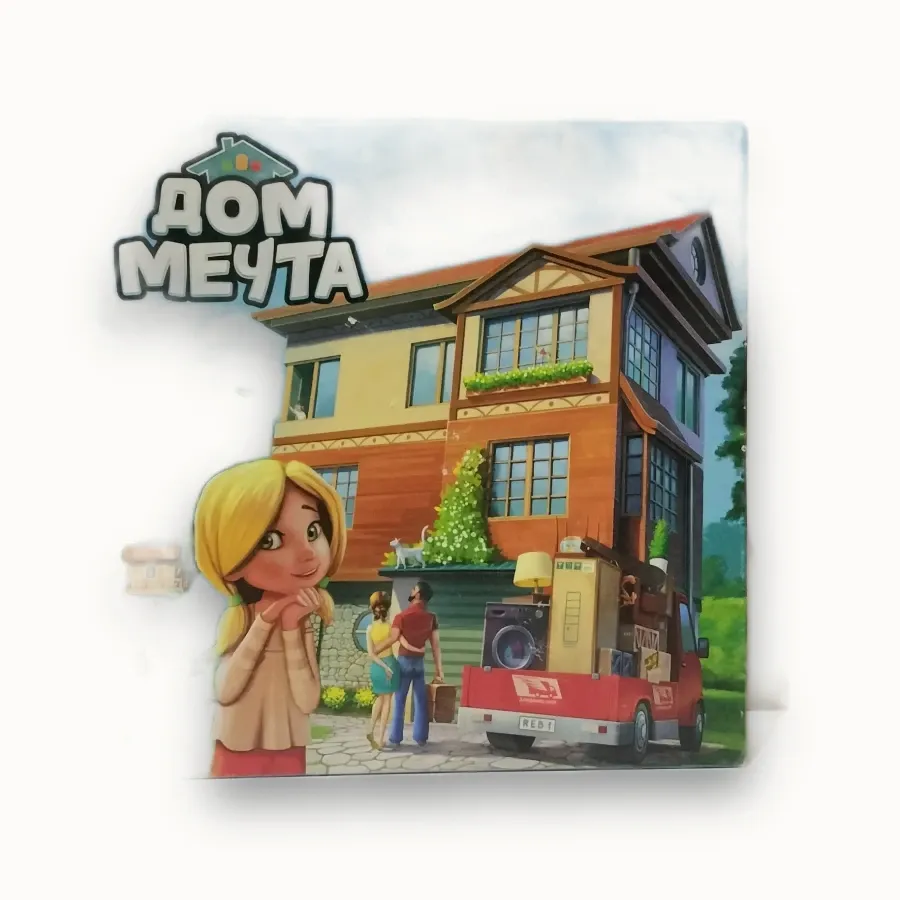
Dream Home — Bulgarian Edition
15,00 €
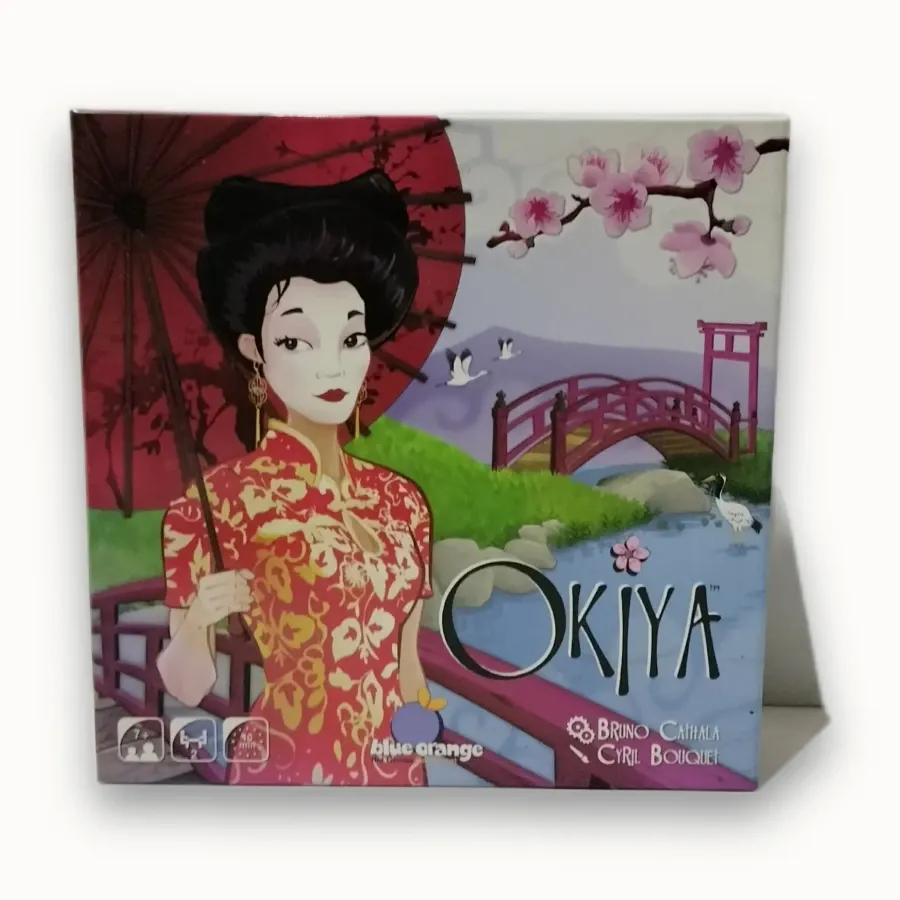
Okiya — Blue Orange, English edition
10,00 €
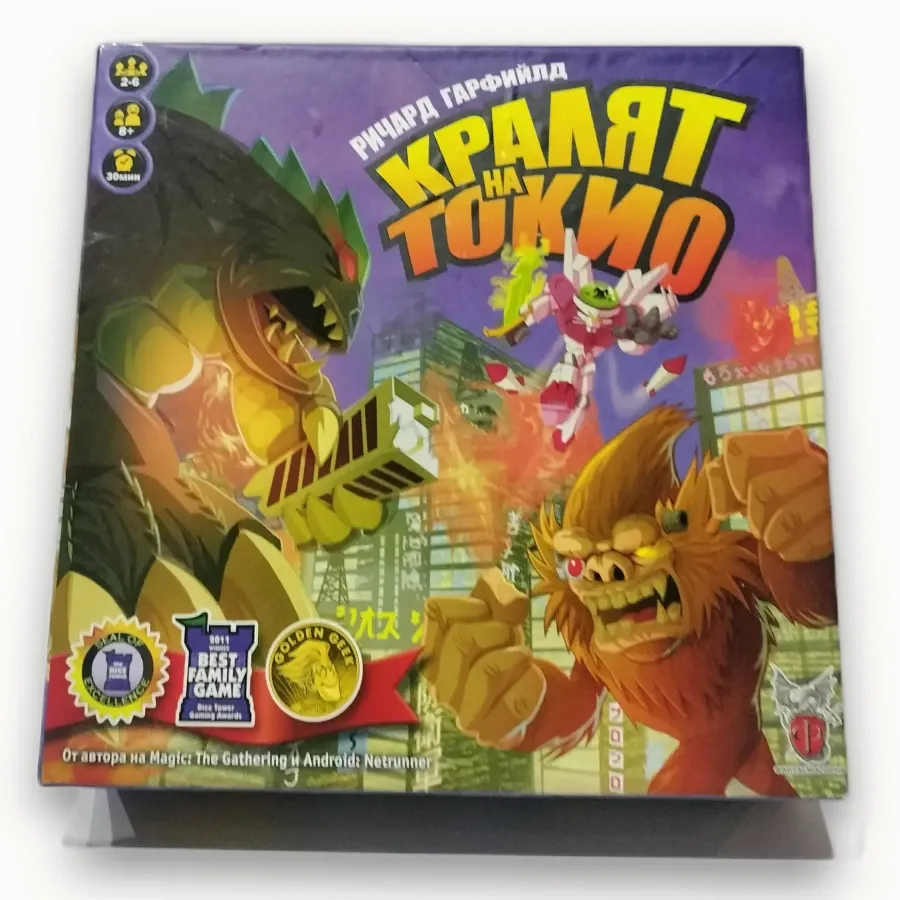
King of Tokyo — Bulgarian edition
35,00 €
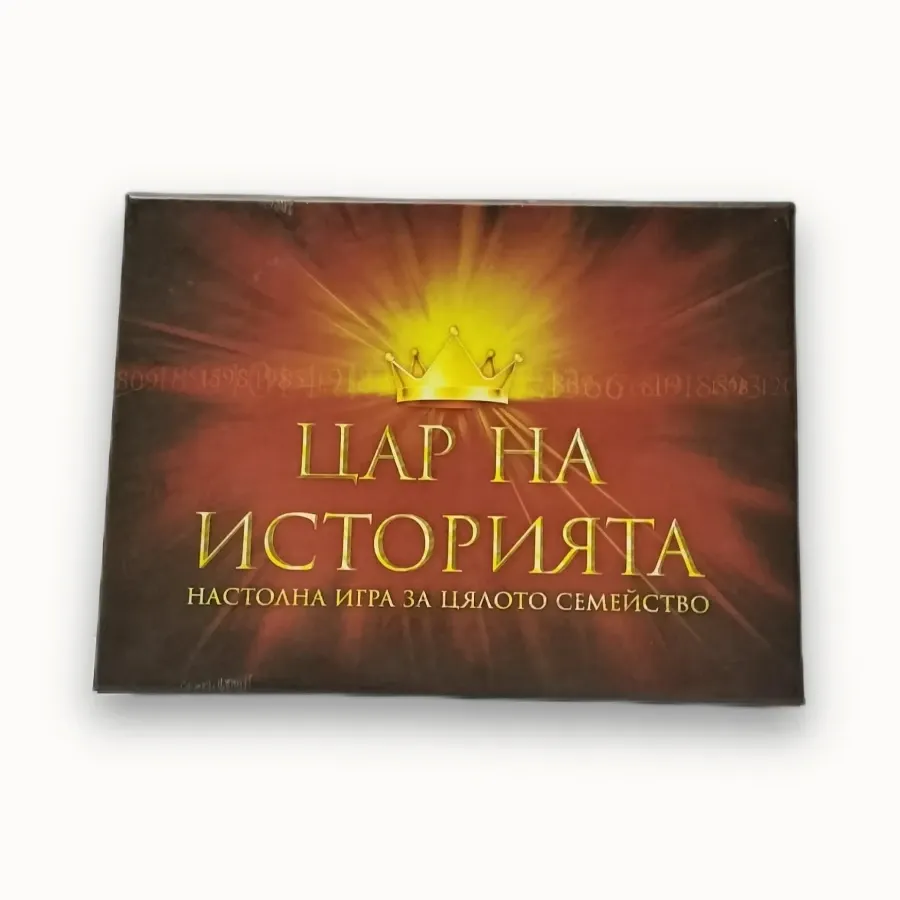
Tzar of History — Bulgarian history board game
12,00 €
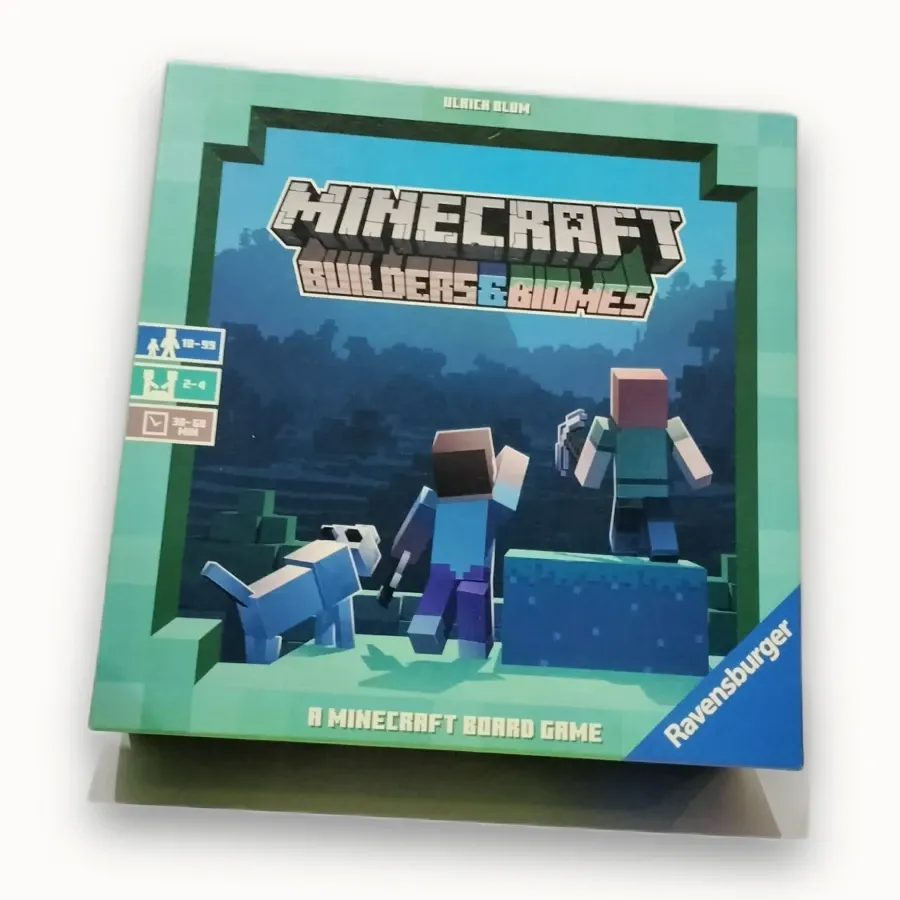
Minecraft: Builders & Biomes — Board Game
30,00 €