
The collector's edition
How to Buy Rare Nintendo Games Wisely
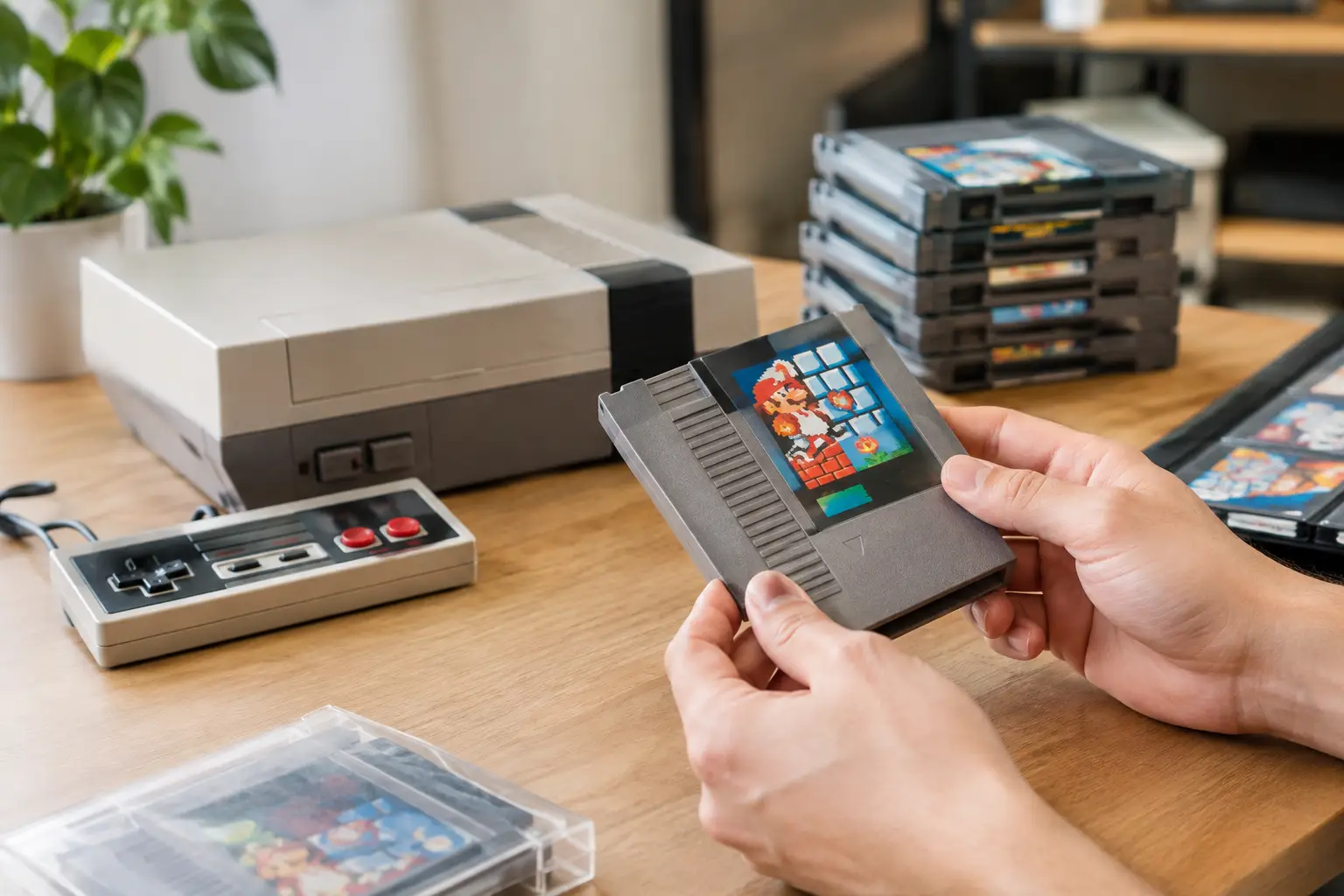
A box with a slightly faded cover can cost as much as a brand-new console, while another that looks almost identical at first glance may be just a game for the weekend. With rare Nintendo games, value rarely depends on the title alone. The platform, region, print run, completeness, and actual condition can sometimes affect the price more than the game’s popularity.
This is good news for the patient collector. You don’t have to chase every expensive listing or assume that every old cartridge is an investment. A more sensible approach is to know what you’re looking for, how to check it, and when a higher price is genuinely justified.
What makes a Nintendo game rare
Rarity by itself doesn’t mean quality or guarantee high value. Some games are rare because they had a small print run. Others were widely available, but few copies survived with their box, manual, and original inserts. Nintendo games have another factor too: the same title can be available in very different quantities depending on the platform and region.
For example, a PAL/EU GameCube edition may be sought after by a European collector, while the American NTSC edition has a different audience, a different box, and sometimes different compatibility. Titles such as Pokémon Box: Ruby & Sapphire, Fire Emblem: Path of Radiance, Chibi-Robo!, or Devil’s Third are often discussed among collectors because of their limited distribution. Their specific value, however, always depends on the version and condition.
With older systems, things get even more complicated. NES, SNES, Game Boy, and Nintendo 64 games can be valuable as more than just cartridges. The original cardboard box, inner holder, manual, cards, and promotional inserts often turn an ordinary copy into a complete collector’s set.
Game, cartridge, or complete set?
When you see the CIB designation, it usually means Complete in Box—a game with its original box and manual. That doesn’t always mean every insert included on the day of purchase is present, so photos and the description are decisive.
A cartridge without a box is a practical and often more affordable option, especially if you want to play rather than fill a display case. Complete sets are harder to find and usually retain their collector value better. A sealed copy is a separate category: it isn’t necessarily the better choice for a player, and its price may include a premium that makes little sense if you’re simply looking for a working game.
Rare Nintendo games by platform
It’s better to start not with “What are the most expensive games?” but with “Which Nintendo console am I collecting for?” That way, you won’t compare unlike editions and can follow listings with a clear focus.
On NES and SNES, rare finds are often associated with small print runs, late releases, and well-preserved cardboard packaging. Authenticity is especially important here because popular titles attract reproductions. With Nintendo 64 and GameCube, the discs are key: don’t overlook scratches, the condition of the clear center, or whether the console works.
Wii and Wii U also have their lesser-known favorites. Some games for these platforms were overlooked when they came out, but interest in them rose later. That doesn’t mean every Wii U game is rare. However, the smaller library and the console’s short lifespan make some physical editions harder to find.
Nintendo DS and 3DS are interesting because of their huge catalogs, Pokémon editions, and late local releases. Check the region for 3DS games because the console is region-locked. A European edition is the most convenient choice for a European 3DS console. Nintendo DS games are generally more region-flexible, but there are exceptions related to DSi features.
Switch changed a lot, but checking is still necessary. Physical Switch cartridges generally work on consoles from different regions. Differences may arise with languages, downloadable content, and whether the game’s region matches the Nintendo account’s region. If you’re buying a Japanese edition, check whether the game offers English or your preferred language instead of relying on the cover.
How to check a listing before you buy
Old games carry traces of their history. A slightly yellowed manual or a price-sticker mark isn’t automatically a problem if it’s honestly described and reflected in the price. Problems start when information is sparse or the photos don’t show the exact copy you’ll receive.
First, compare the title and platform. Some games have almost identical names, re-releases, and compilations that look alike but aren’t the same product. Then check the region—PAL, EU, UK, US, JP—and the language on the box. A UK version may be perfectly suitable for a European collector, but it differs from a multilingual EU edition. That matters if you want your library to be consistent.
Ask for or look at clear photos of the front and back of the box, the disc or cartridge, the manual, and all included accessories. For Game Boy, GBA, DS, and 3DS games, pay attention to the label, plastic, screws, and raised details on the shell. On more expensive cartridges, an unusually new-looking label, blurred printing, or unusual plastic may be a sign of a reproduction.
For disc games, look for specific information about testing. “Untested” doesn’t mean the same as “tested and working.” With cartridges, it’s good to know whether the game has been started and whether it saves progress. Some older titles use a battery for saves, and it may be depleted. This can be repaired, but it’s a detail that should be reflected in the price and your expectations.
Price is more than a number
A rare game may look expensive until you compare what the listing actually offers. A copy with its original box and manual, a perfectly working game medium, and honestly described signs of use is often a better buy than a “cheaper” copy with missing parts, an unclear region, and an image from the internet.
Don’t buy just because the price is rising. The collector market is driven by nostalgia, new re-releases, popularity on social media, and limited supply. Some titles rise in price over the long term; others go through a brief period of hype. If the game is a favorite of yours, that’s a solid reason to buy it. If you’re looking for it solely as an investment, bear in mind that its future price isn’t guaranteed.
It’s useful to set your criteria in advance: are you looking for the best possible PAL/EU copy, a working cartridge to play, or a complete set for the shelf? That way, you can pass on a listing that’s good in itself but doesn’t fit your collection.
How to sell a rare Nintendo game honestly
If you’re making room or selling part of your personal collection, accuracy in your listing is useful to you too. Include the full title, platform, region, language, condition, and what’s included. “Pokémon game for Nintendo” isn’t enough. “Pokémon White Version - Nintendo DS - PAL/EU - cartridge and original box - no manual - tested” lets the buyer assess it quickly and reduces unnecessary questions.
Don’t conceal scratches, broken box holders, missing inserts, or a faded cover. Real photos from all important angles build trust and help the right buyer find you. At KPZ, this level of detail isn’t nitpicking; it’s the language collectors use to make decisions.
The best rare finds often come not from a rushed purchase, but from clear goals and patience. Keep track of the exact platform, chosen region, and completeness that matter to you. When you find the right copy, you’ll recognize it not by a big price tag, but by how few compromises you have to make.
Find it at KPZ
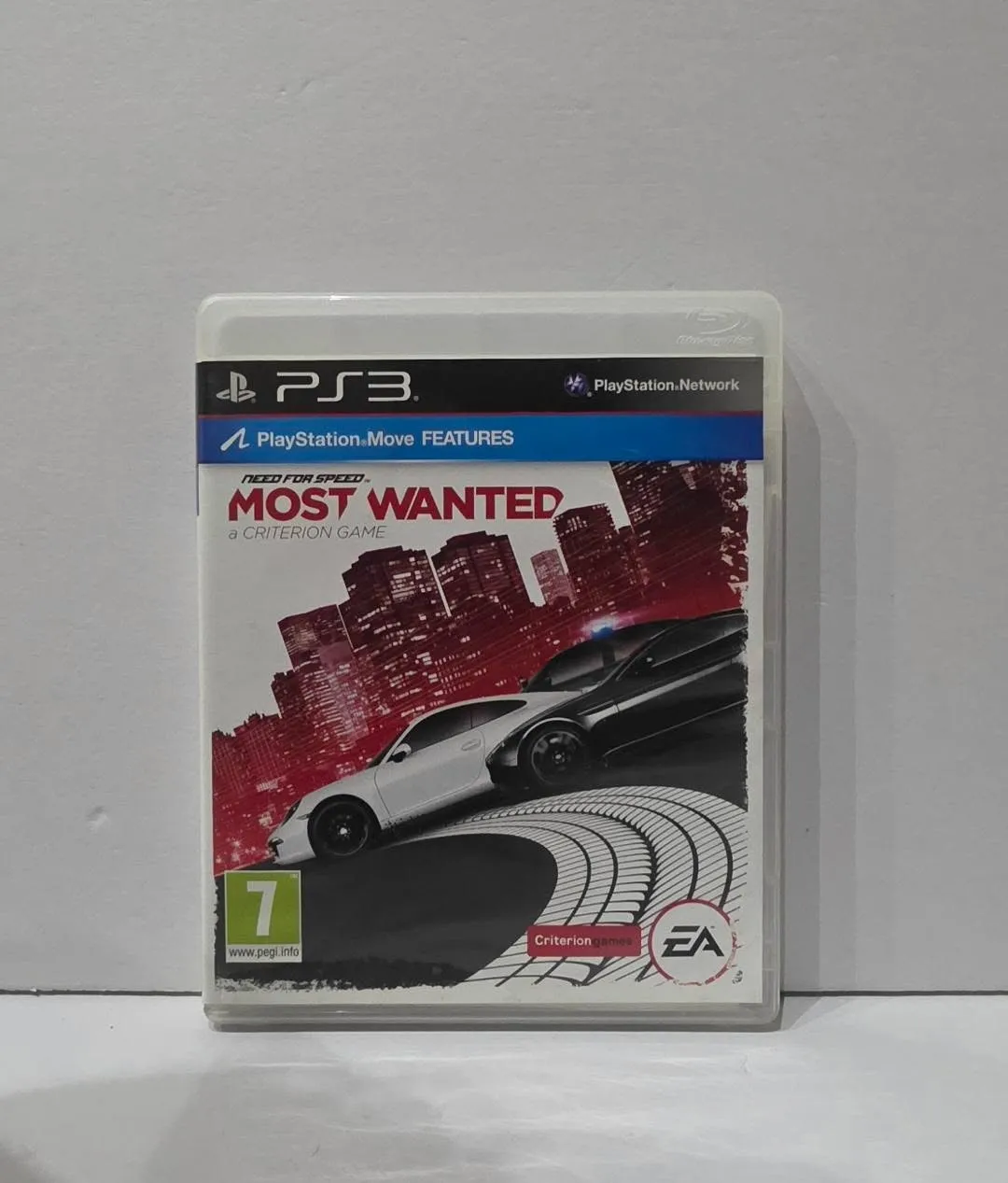
Need for Speed: Most Wanted — PS3, PAL
8,00 €
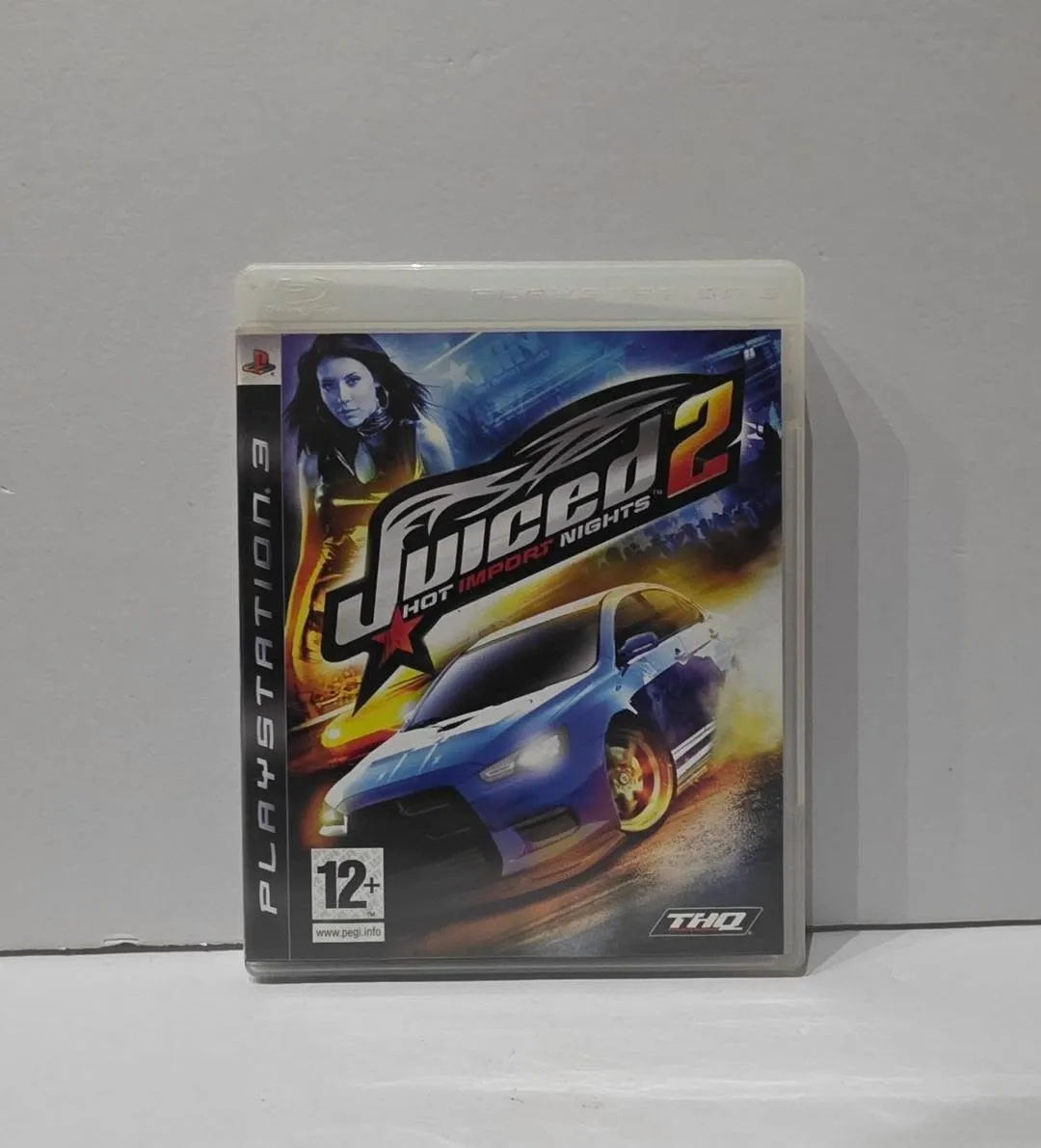
Juiced 2: Hot Import Nights for PlayStation 3
17,00 €
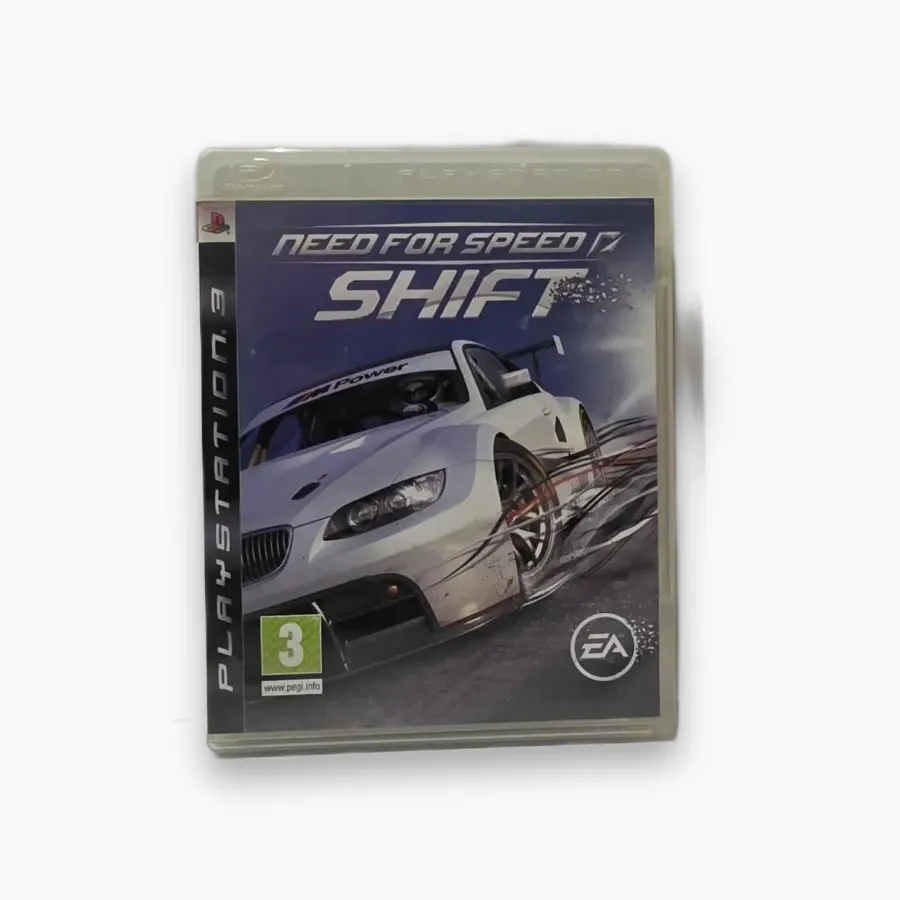
Need for Speed: Shift for PlayStation 3
9,00 €
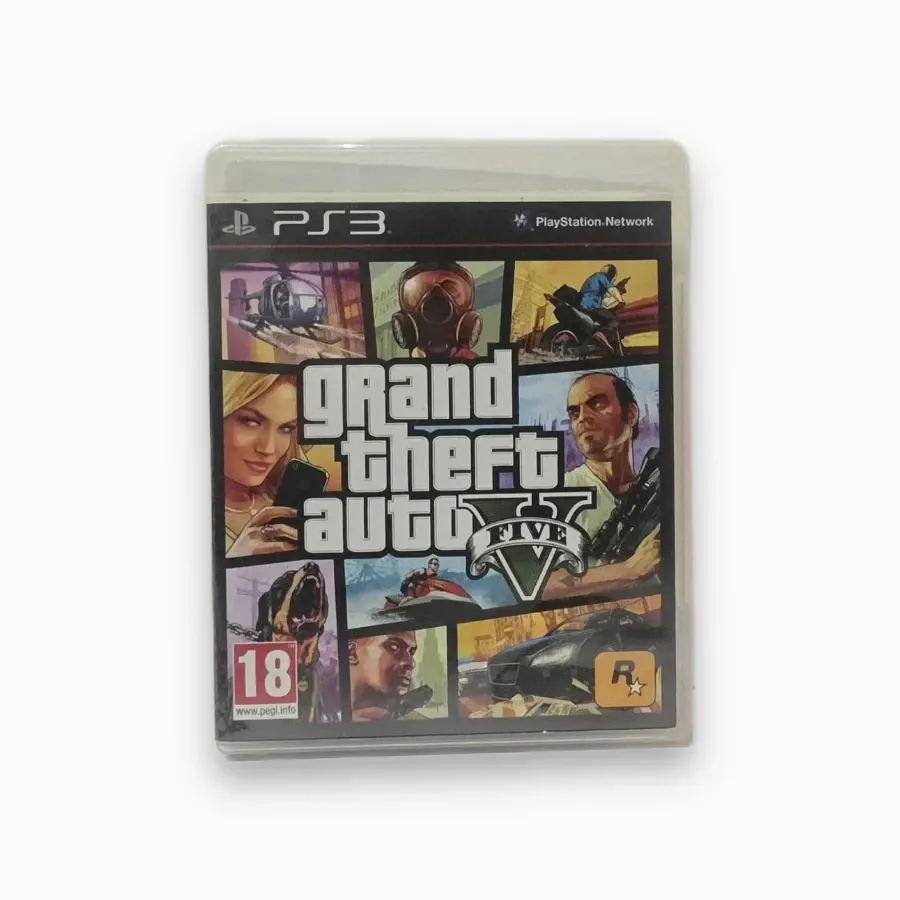
Grand Theft Auto V for PlayStation 3 (PAL/EU)
11,00 €
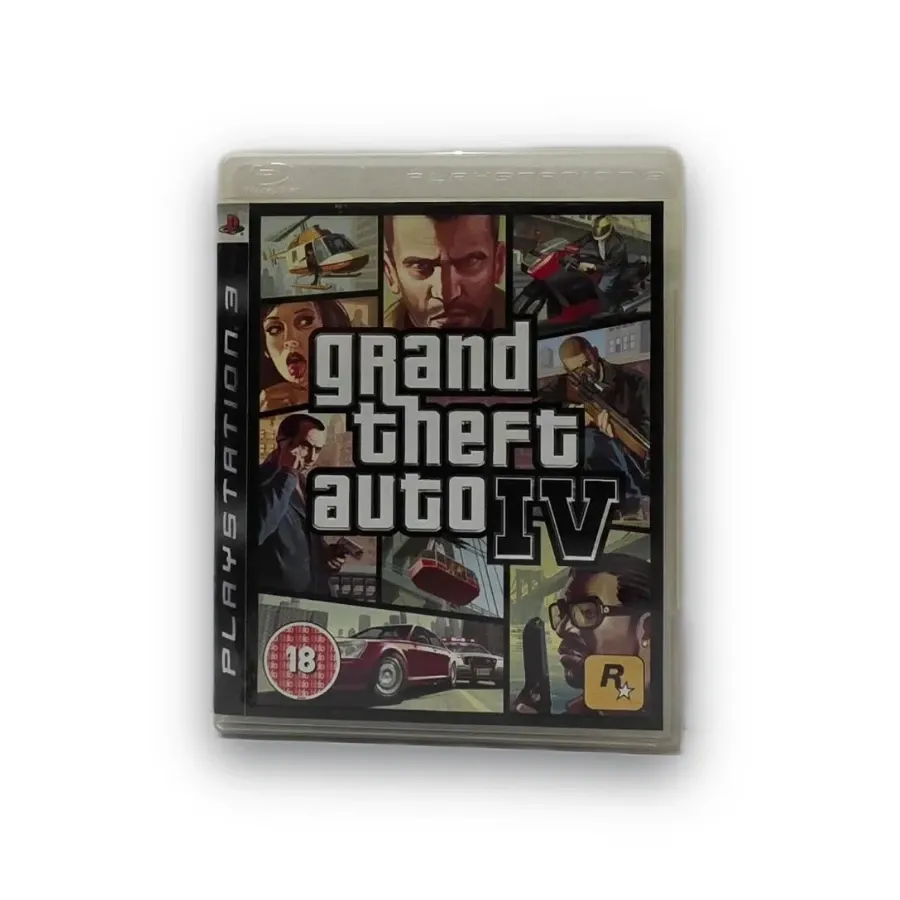
Grand Theft Auto IV for PlayStation 3
10,00 €
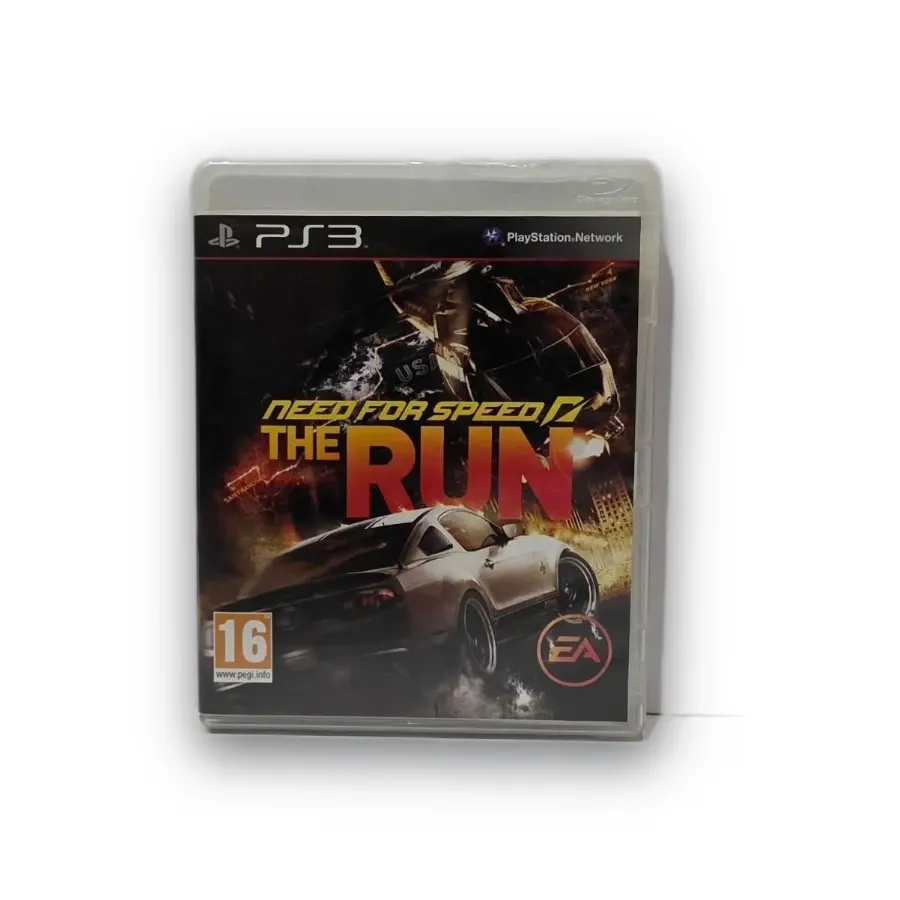
Need for Speed: The Run for PlayStation 3
8,00 €
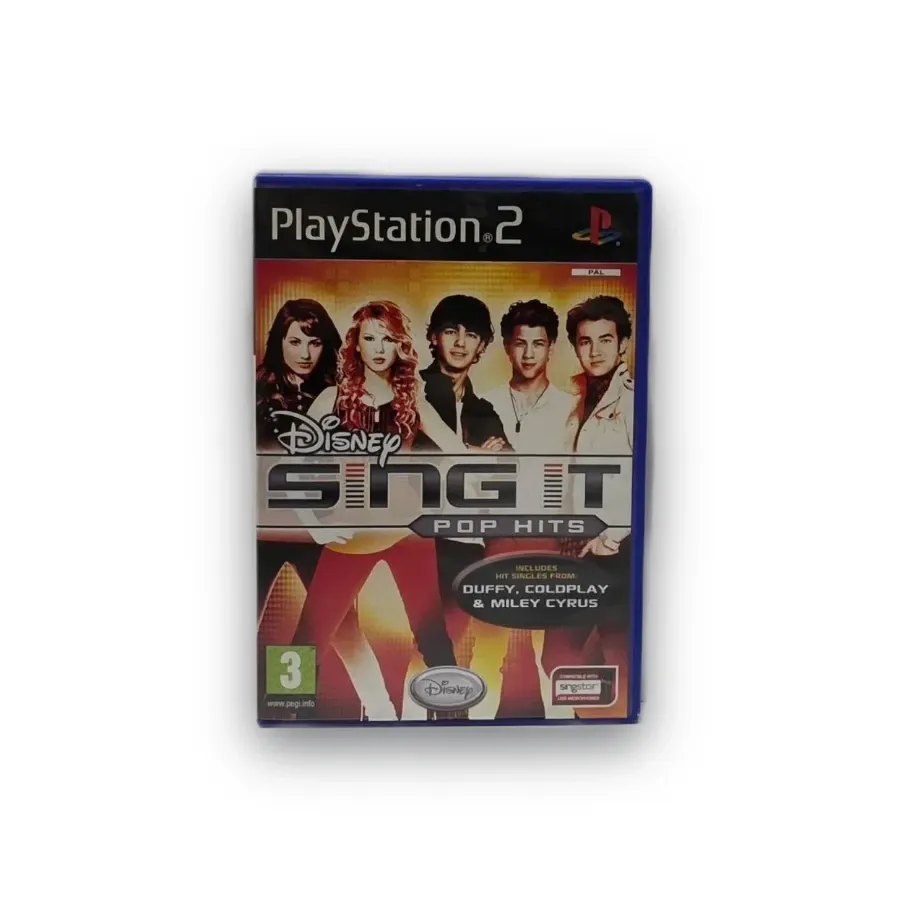
Disney Sing It: Pop Hits for PlayStation 2
18,00 €
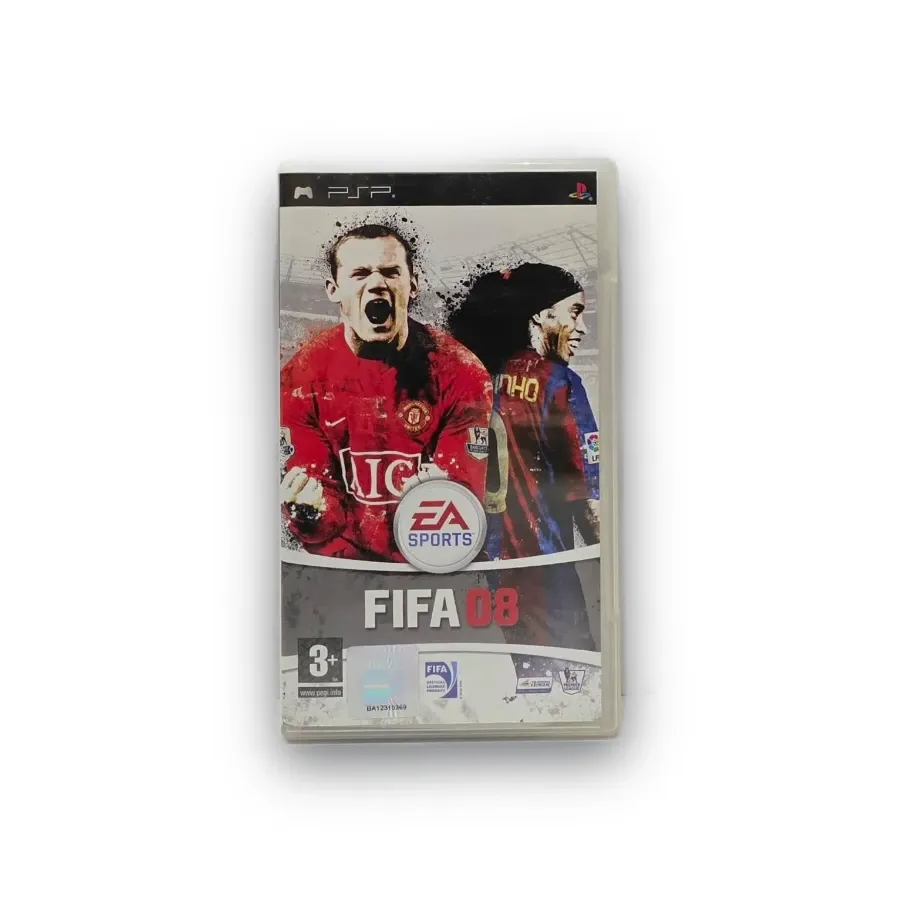
FIFA 08 for PSP
5,00 €
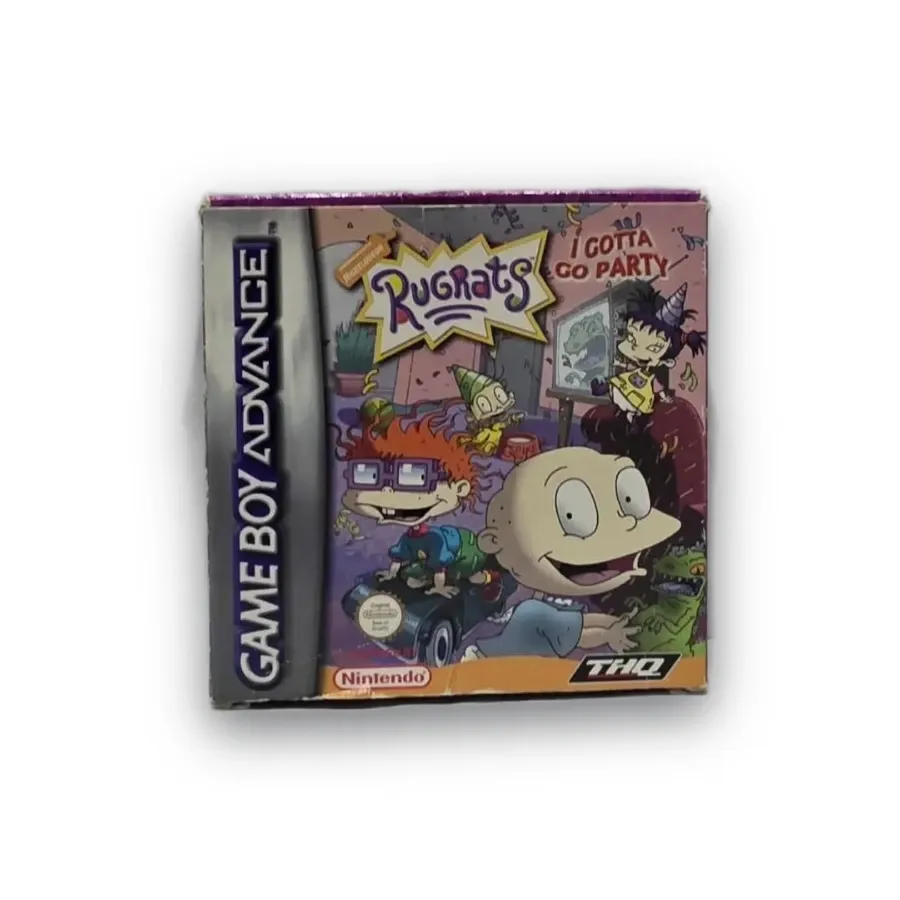
Rugrats: I Gotta Go Party for Game Boy Advance
27,00 €
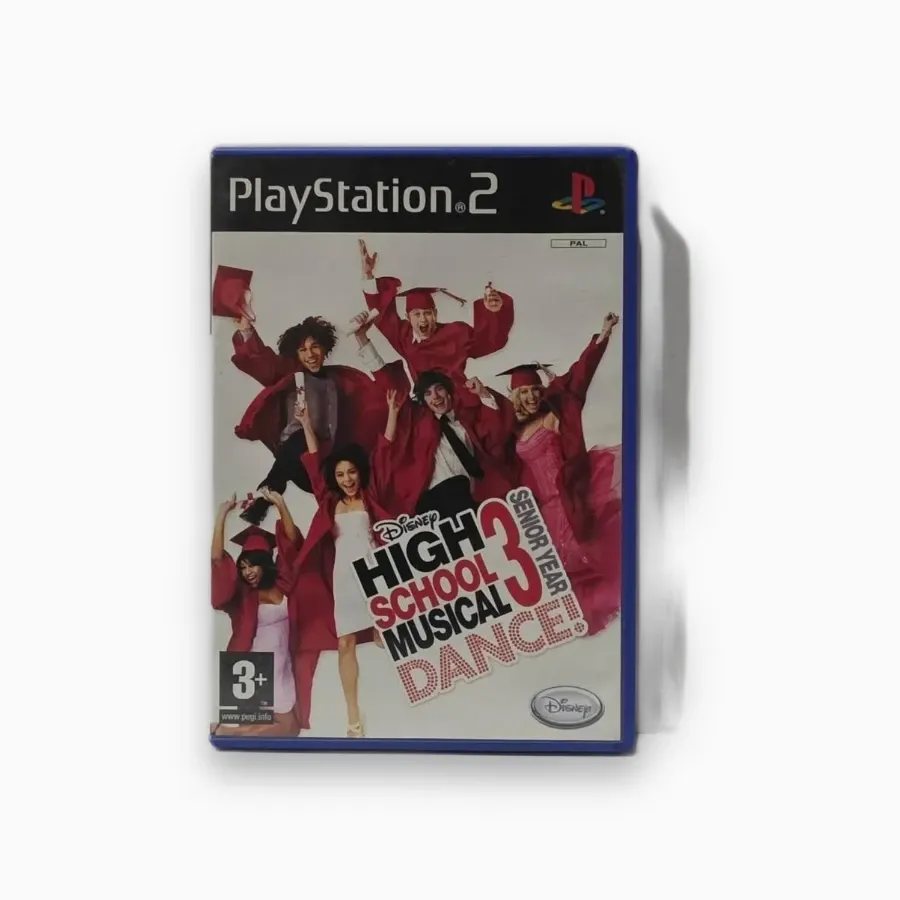
Disney High School Musical 3: Senior Year Dance! — PlayStation 2
5,00 €