The collector's edition
Where to Sell Old Games for a Good Price
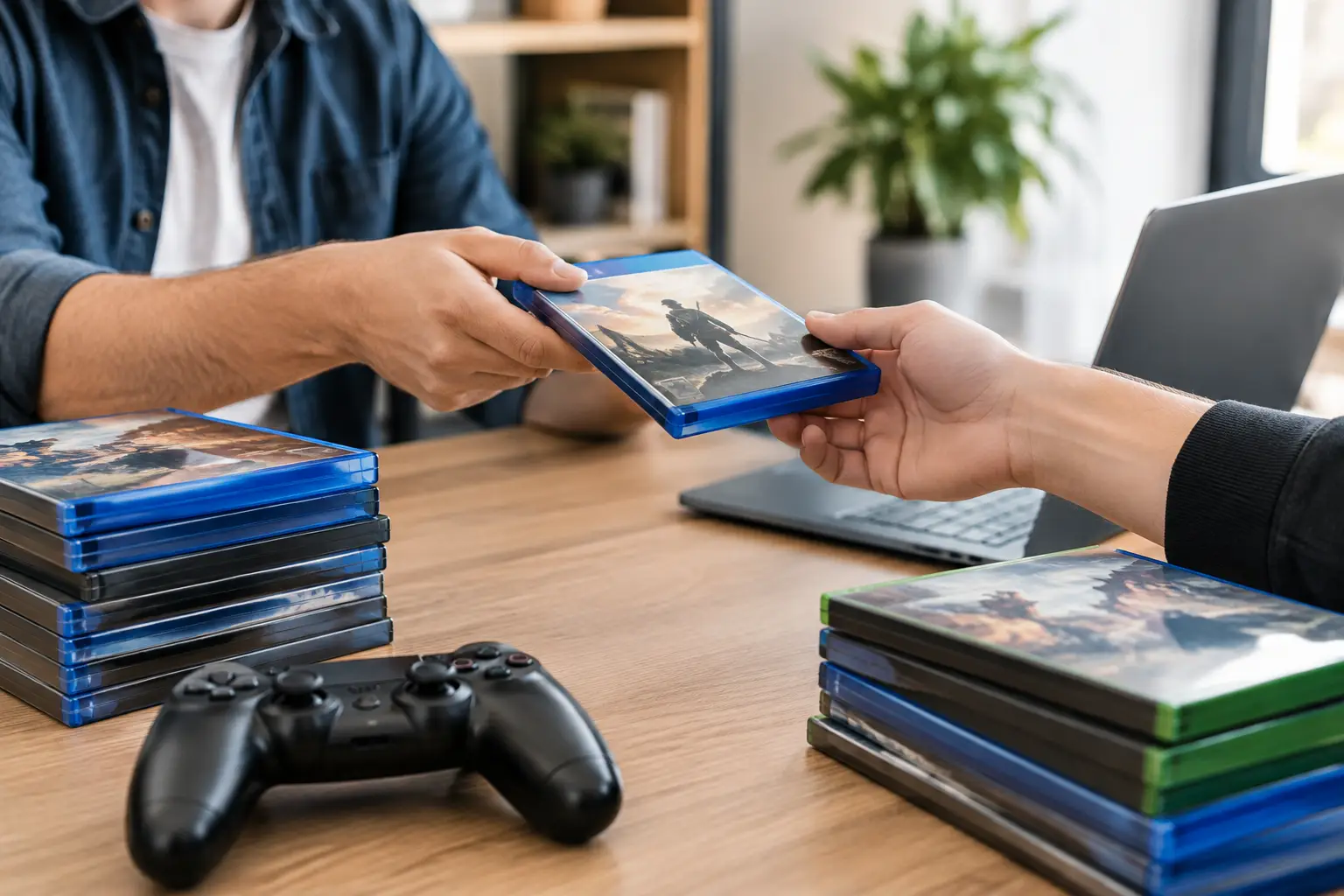
The box of PS3 discs under the TV, the Nintendo cartridges from your childhood, or the Xbox games you no longer play aren’t just things to clear out. To someone, they’re a missing title in a collection, a chance to play a classic on original hardware, or the exact edition that can no longer be found in stores. When you decide to sell your old games, don’t rush to give them one combined price and list them as “miscellaneous.” A little preparation can make the difference between a quick, fair deal and a game that sits forgotten for months.
Not Every Old Game Is Equally Old
Before setting a price, sort the games by platform, title, and condition. FIFA for PlayStation 4, released in millions of copies, follows different market logic from Fire Emblem for Nintendo 3DS, a JRPG for PlayStation Vita, or an original Game Boy cartridge. Age alone doesn’t make a game valuable. Demand, print run, language, region, and completeness matter more.
Take a close look at what you actually have. With physical games, it’s important to distinguish a standard edition from a Steelbook, Collector’s Edition, Limited Run edition, or version with bonus content. A PAL/EU copy, UK edition, and Japanese import may have different values and appeal to different buyers. Region is no minor detail, especially with retro consoles and collector’s editions.
Describe the condition honestly. A disc with light signs of use that works without problems is not the same as one with deep scratches. A case with a slightly worn spine is perfectly acceptable to a player, but may be decisive for a collector. If the cover, booklet, card, code, or original case is missing, say so clearly. A complete set almost always has the advantage.
How to Set a Realistic Price
The best price isn’t the highest one you’ve seen for the same title. It’s a price at which a real buyer would choose your copy after comparing the platform, edition, photos, and condition. Check the asking prices for similar games, but compare like-for-like versions. A PlayStation 5 game shouldn’t be compared with its PS4 version, and a budget-range re-release isn’t equivalent to a first edition with a booklet.
If you want to sell quickly, set a price toward the lower end of the reasonable range. If the title is rare, well-preserved, and complete, don’t undervalue it just because you bought it years ago. Collectors pay for the specific copy: a clean case, original cover, working disc, and condition that can be clearly shown.
For several ordinary games on one platform, making a bundle may be better than creating separate listings. A trilogy, a series of sports titles, or a bundle of Nintendo Switch games is convenient for the buyer and saves the seller time. However, don’t combine a popular game with a rare title in one lot if the rare game could attract attention on its own.
Prepare the Game Before Photographing It
You don’t need to restore an old disc to museum condition. You just need to present it accurately. Wipe dust off the case with a soft, dry cloth, remove old stickers only if they come off without leaving a trace, and check that the disc, cartridge, or card is in place. Don’t use harsh cleaners on covers, discs, or retro labels.
Test the game if you have the relevant console. A few minutes are enough to check whether the media is recognized and the game starts. If you can’t test it, say so. It’s better for the buyer to know in advance than to be left with the wrong expectations.
Photos are your best guarantee. Photograph the front and back of the case, the disc or cartridge itself, the spine, the booklet, and any noticeable defects. Take photos in daylight against a neutral background. Use real photos of your copy, not a promotional image from the internet. For a special edition, show all included components.
What a Good Listing Should Include
A clear listing saves questions and gives the right buyer confidence. Start the title with the exact game name and platform. “The Last of Us Part II - PlayStation 4, PAL/EU, with case” is far more useful than “Game for sale.” If possible, add the edition, language, and whether the set is complete.
Briefly explain what the buyer will receive and its condition. For example: the game has been tested and works; the disc has light signs of use; the case has its original cover; the booklet is missing. Don’t call it “like new” if the case has visible signs of wear. Accuracy sells better than exaggeration.
For games with codes for additional content, don’t assume the code is active unless it’s unused and you can confirm that. For online games, clarify that servers, season passes, and digital bonuses may no longer be available. The physical media has value, but it doesn’t always include all the content that was part of the original campaign.
Sell Old Games Without Unnecessary Risk
When selling to strangers, trust is earned through details, not the promise “I’m trustworthy.” Real photos, a specific description, a clear price, and open communication reduce stress for both sides. Payment on delivery is a preferred option for many buyers: it requires no advance payment and helps keep the deal transparent.
Choose a place where games won’t get lost among furniture, car parts, and random items. In a specialist environment, buyers search by platform, series, genre, and edition, rather than just for “something cheap.” KPZ was created specifically for deals between people who understand why a well-preserved PAL version with a booklet isn’t the same as a bare disc in a replacement case.
Pack the game as you’d want to receive it. The disc should be secured in its case, the case itself protected from pressure, and collectibles should not move freely inside the box. For more valuable retro games and special editions, an extra layer of protection isn’t an unnecessary expense—it’s respect for the item.
When It’s Better to Keep the Game
Sometimes the right decision is not to sell. If the game is tied to a personal memory, if you have a complete set from a favorite series, or if you’re just starting a retro collection, wait a few days before posting the listing. Nostalgia doesn’t always have a monetary price, and finding another well-preserved copy may prove difficult.
On the other hand, games that are just gathering dust can continue their lives with someone who will play them or put them on a shelf. Not every sale means saying goodbye to the hobby. Sometimes it frees up space and budget for the next title, console, or find you really want.
Organize your collection, check the details, and show each game as it is. To the right buyer, your old game may be exactly the missing piece. Buy. Sell. Trade.
Find it at KPZ
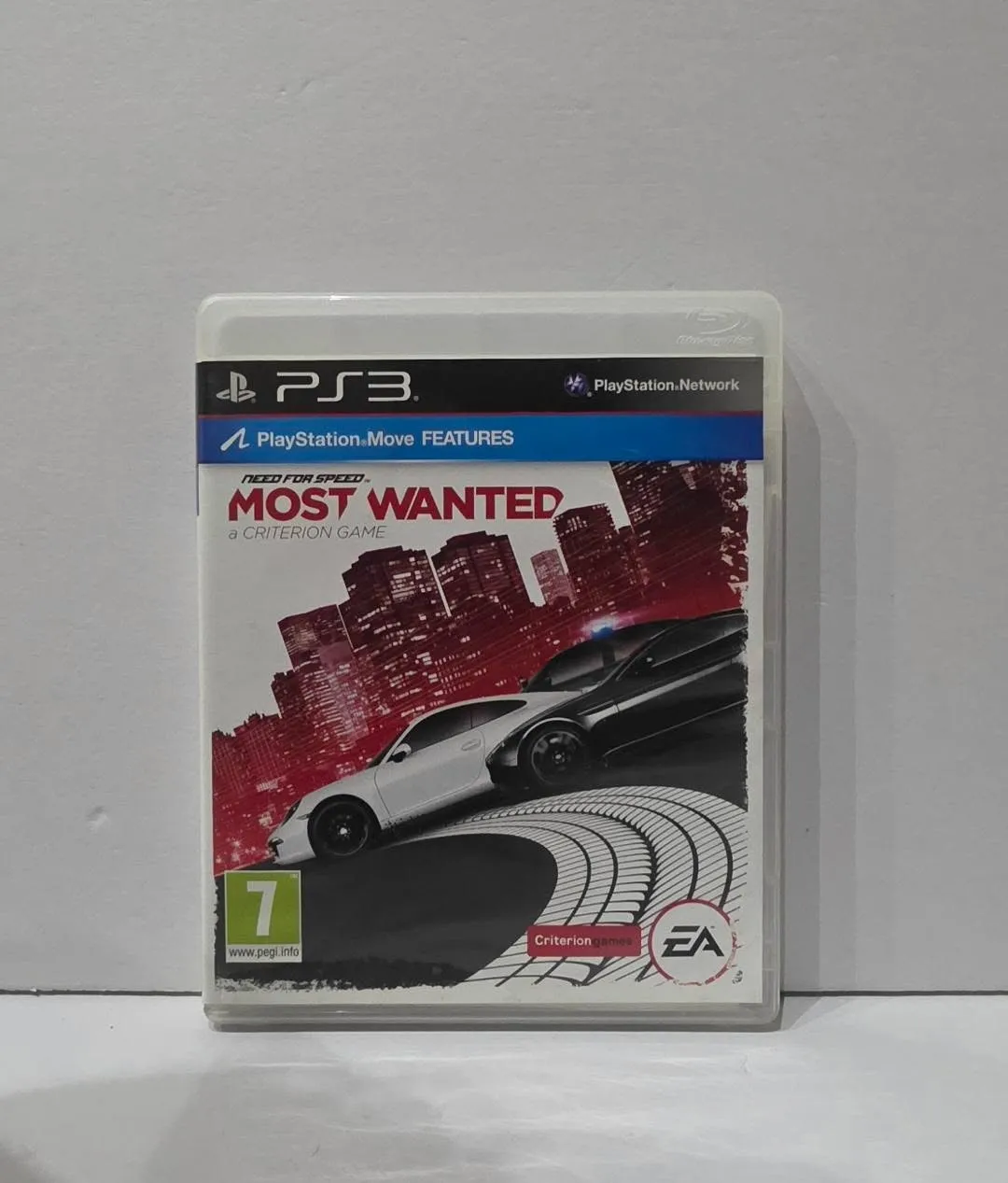
Need for Speed: Most Wanted — PS3, PAL
8,00 €
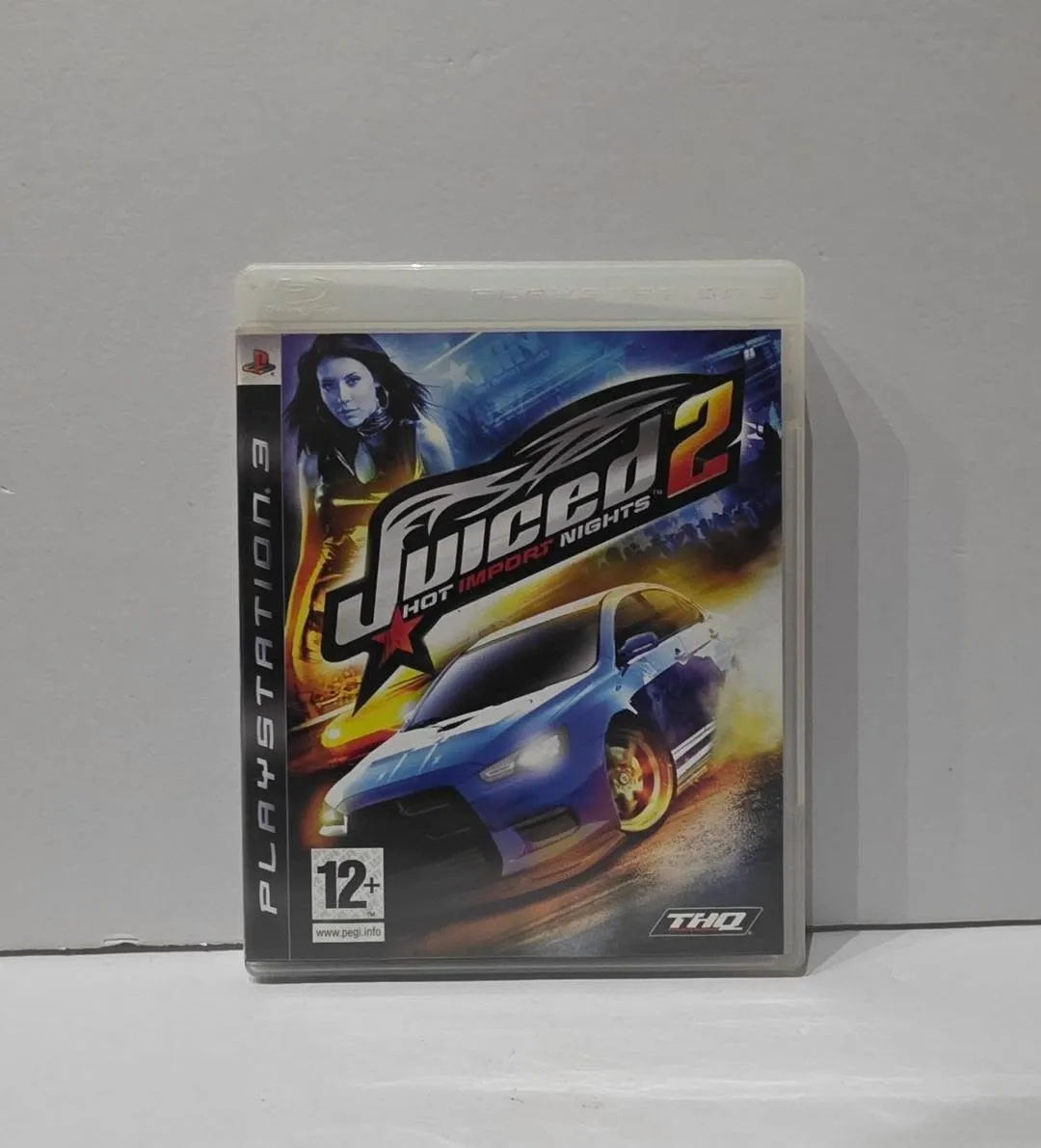
Juiced 2: Hot Import Nights for PlayStation 3
17,00 €
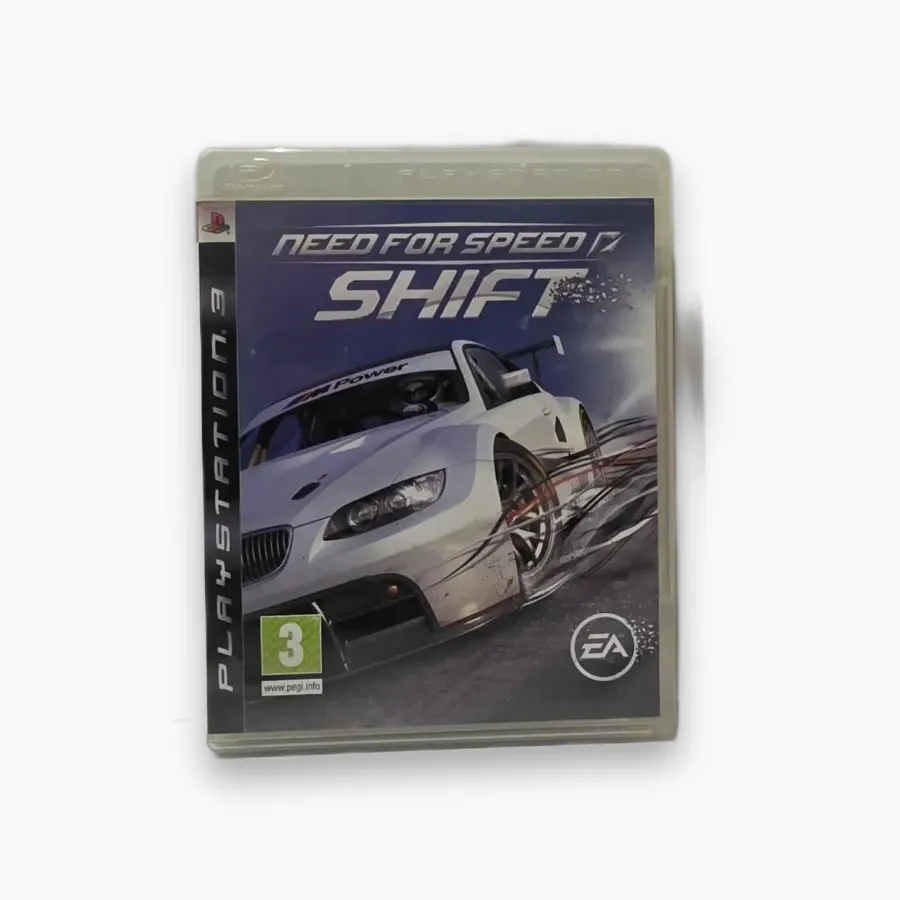
Need for Speed: Shift for PlayStation 3
9,00 €
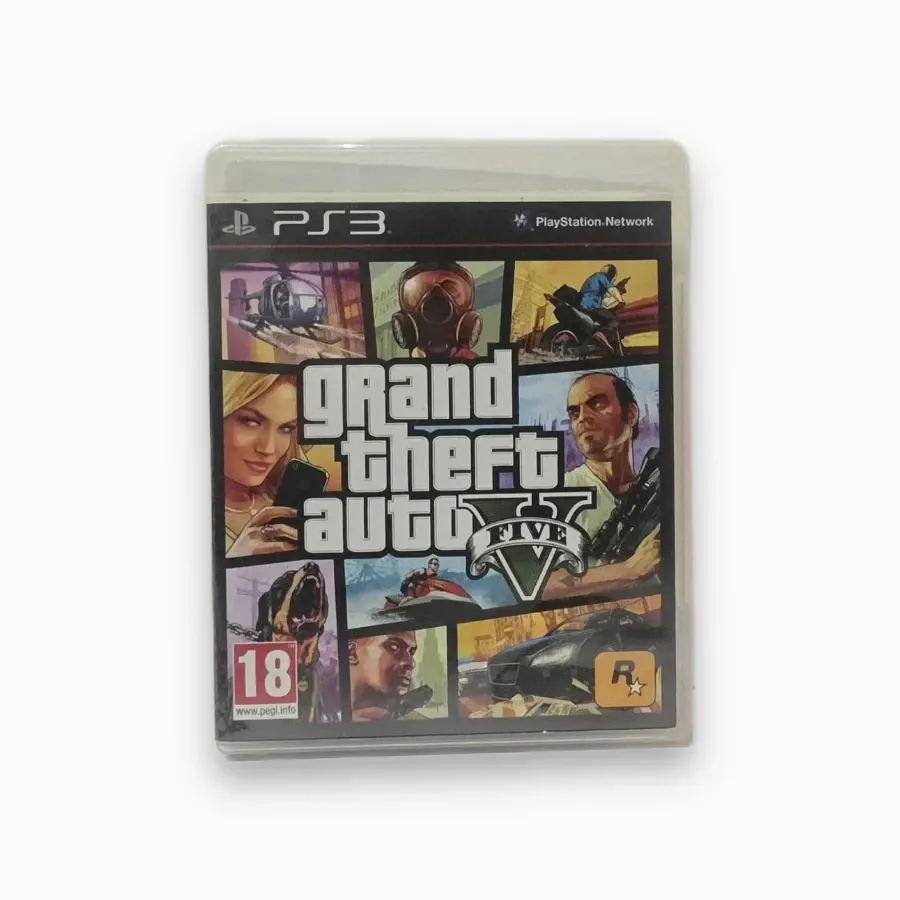
Grand Theft Auto V for PlayStation 3 (PAL/EU)
11,00 €
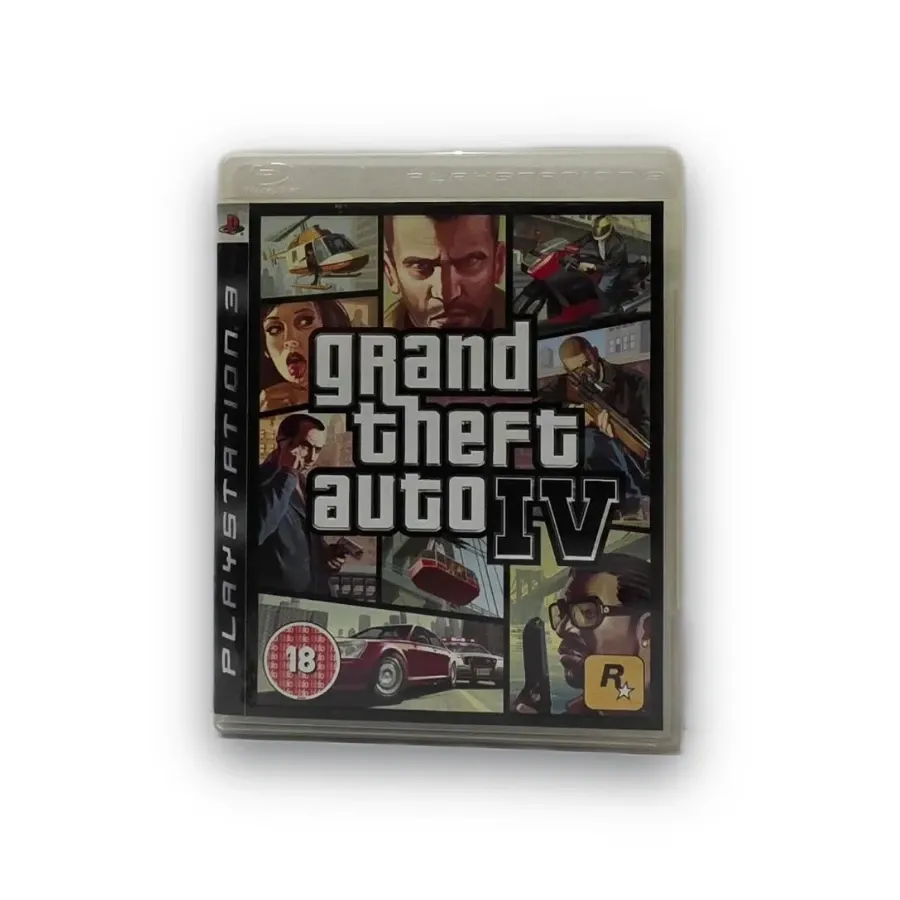
Grand Theft Auto IV for PlayStation 3
10,00 €
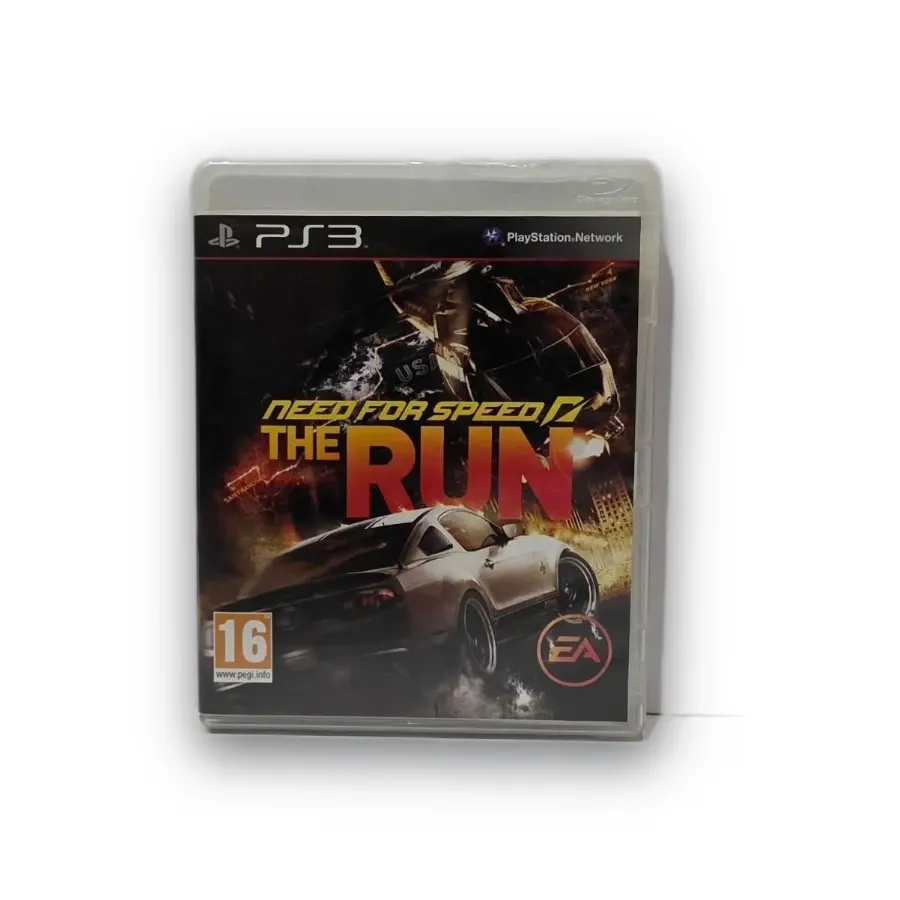
Need for Speed: The Run for PlayStation 3
8,00 €
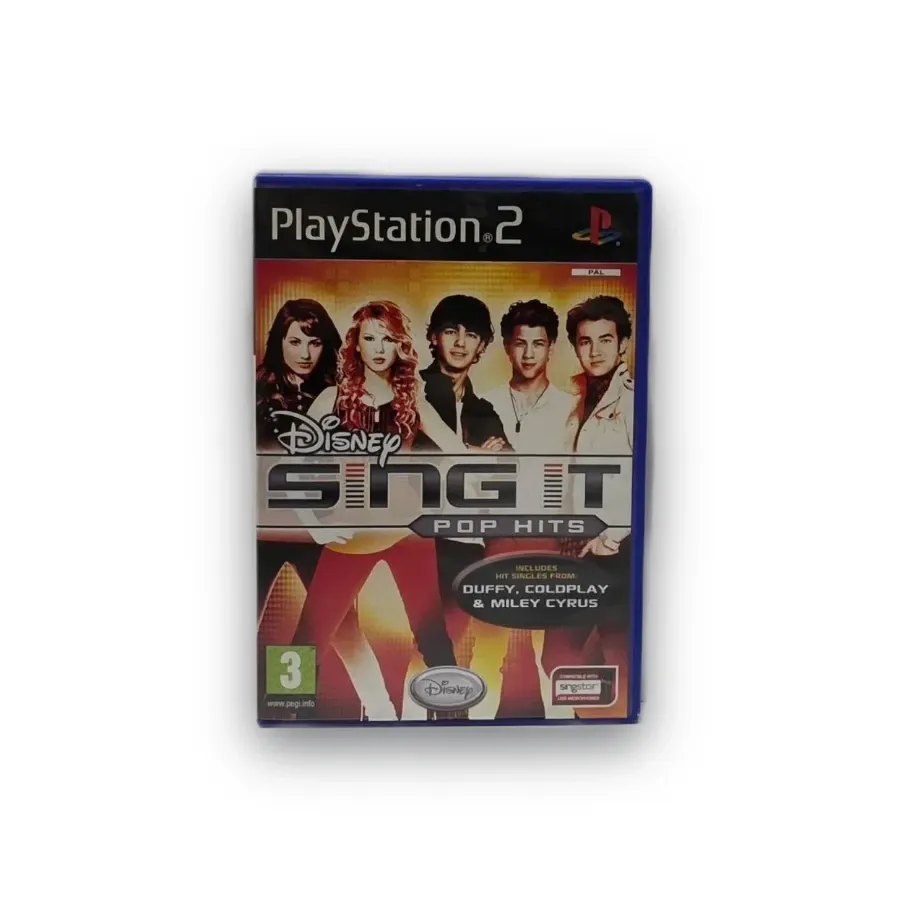
Disney Sing It: Pop Hits for PlayStation 2
18,00 €
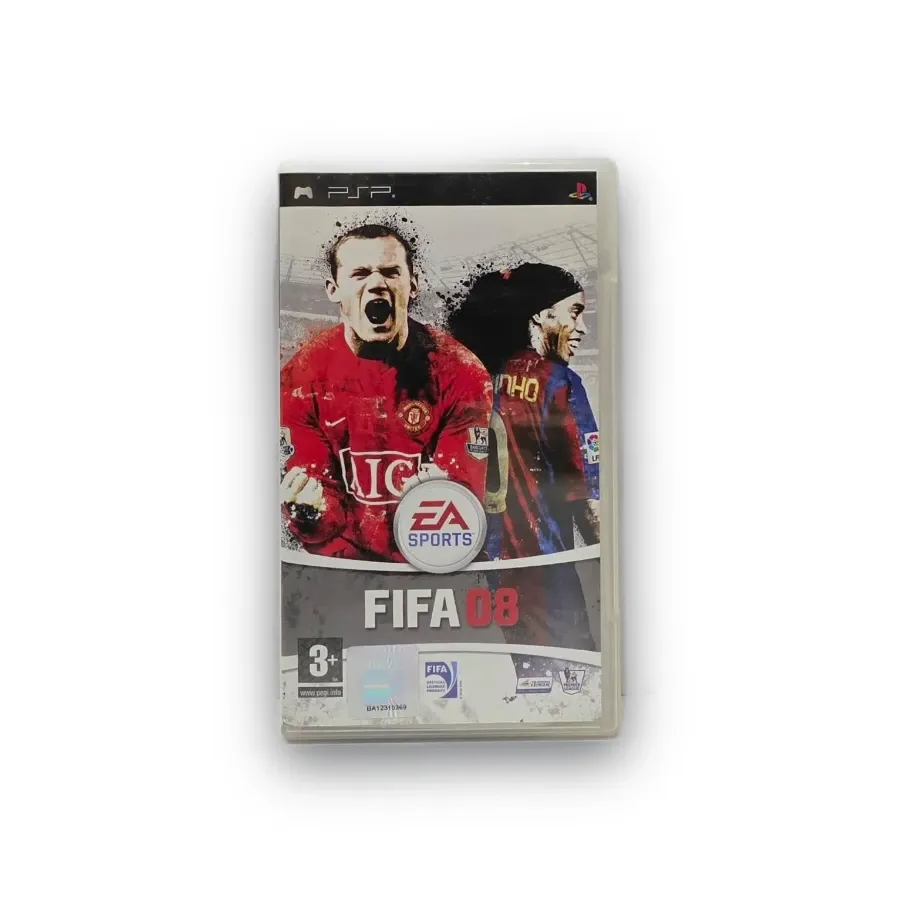
FIFA 08 for PSP
5,00 €
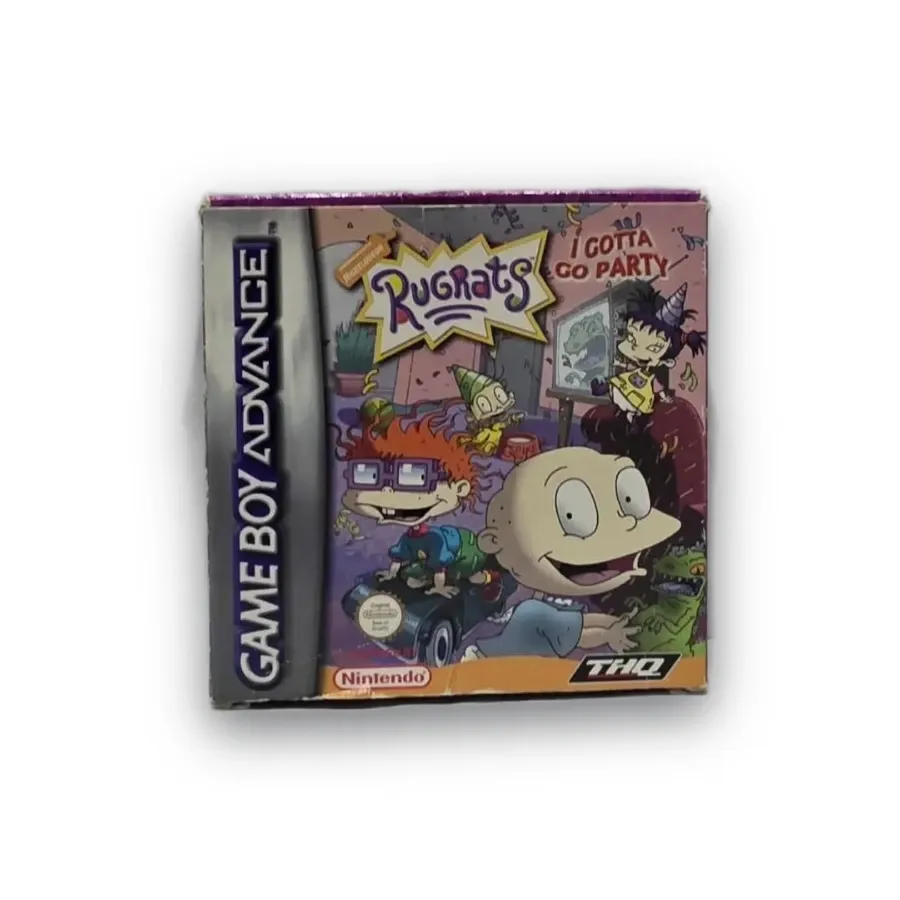
Rugrats: I Gotta Go Party for Game Boy Advance
27,00 €
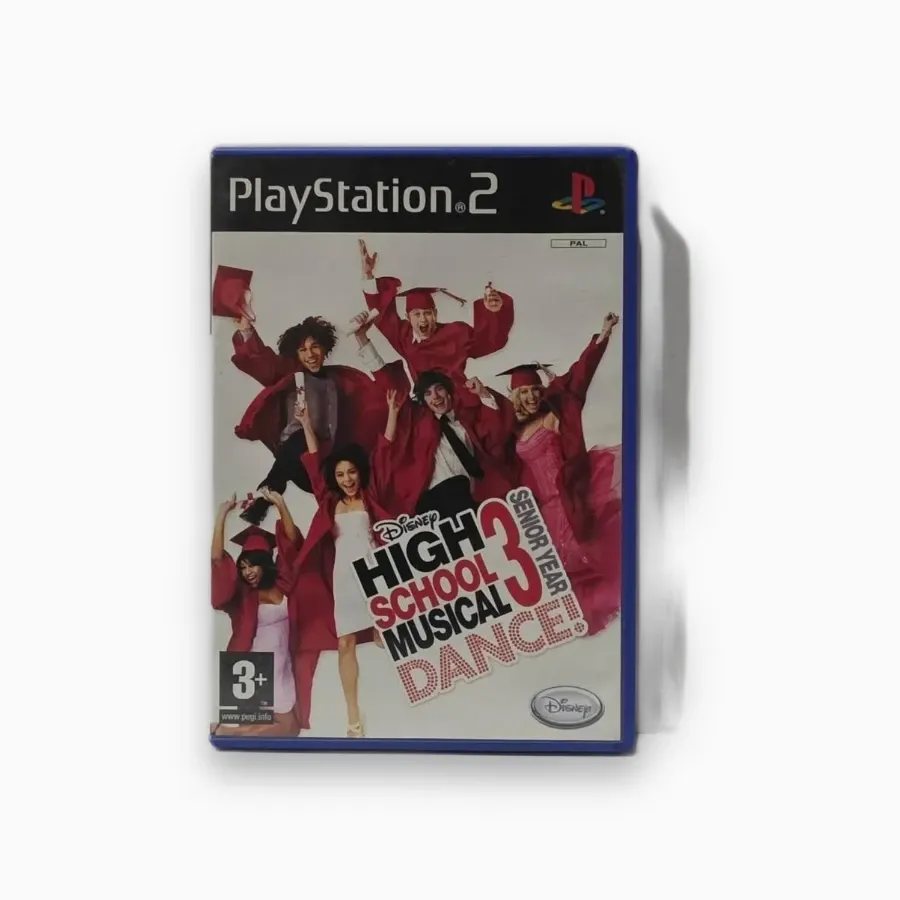
Disney High School Musical 3: Senior Year Dance! — PlayStation 2
5,00 €