
The collector's edition
How to Buy Pokémon Cards Without Unnecessary Risk
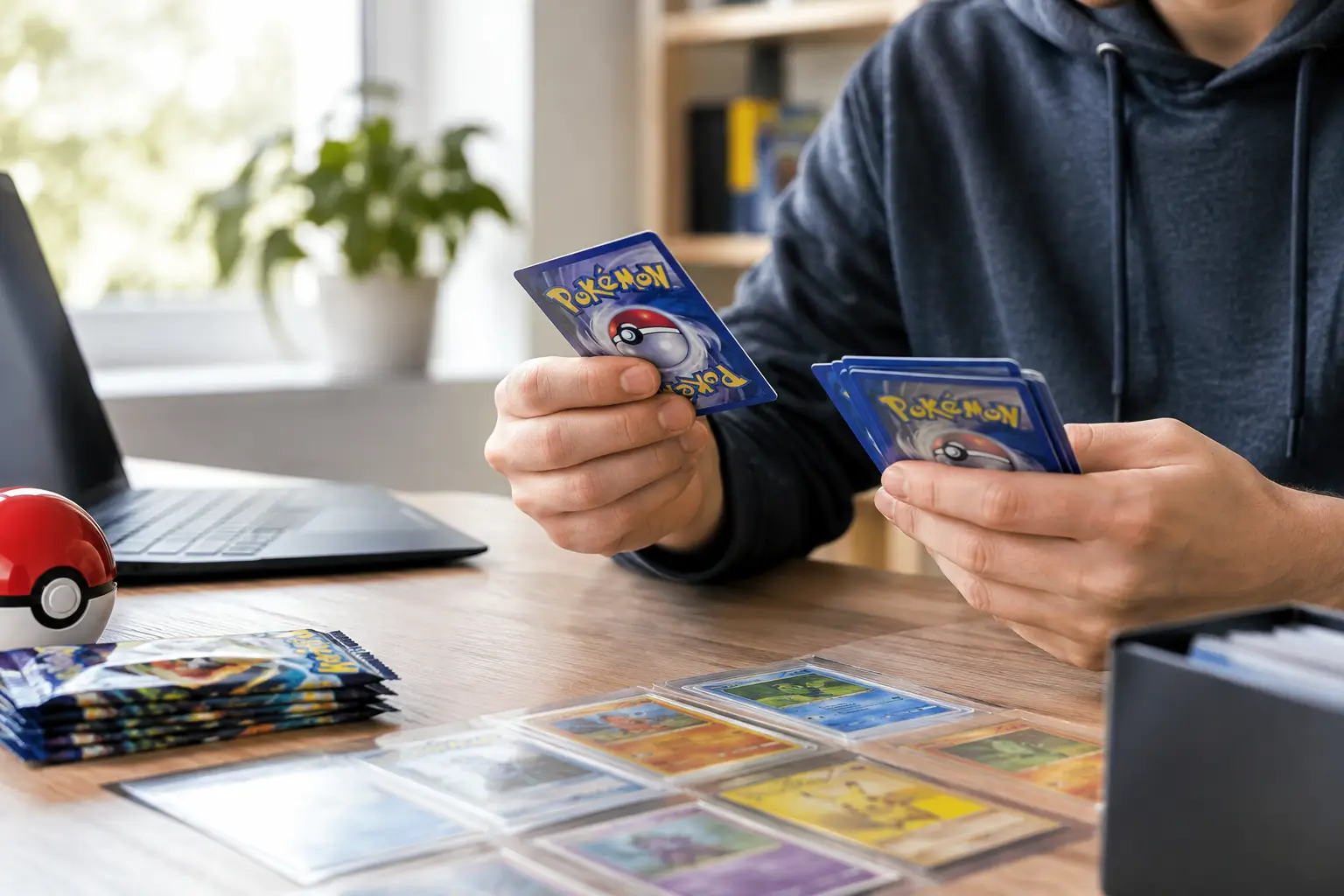
A booster can bring you your favourite Pokémon, while a single card can fill that empty spot in your binder. But the difference between a great find and an expensive disappointment often comes down to the details. If you’re wondering how to buy Pokémon cards, don’t start with the flashiest listing. Start by answering one question: are you buying to play, collect, give as a gift or invest?
That determines what you’re looking for, how much it makes sense to pay and what condition is acceptable. For a player, it may be perfectly reasonable to pick up a cheaper card with some light wear. For a collector looking for their favourite Charizard, even a tiny white dot on the edge could change the decision.
First, choose what kind of Pokémon cards you’re looking for
Pokémon TCG isn’t just one kind of product. Listings include booster packs, booster box sets, Elite Trainer Box sets, themed decks, collections with promo cards, ready-made lots and single cards. Each format serves a different purpose.
Sealed products are a good choice if you want the excitement of opening packs, a gift or a product from a particular set. You’re not buying a guaranteed rare card—you’re buying a chance to find one. Even an expensive box doesn’t guarantee a particular hit. If you’re after one card for your collection or deck, buying it as a single is almost always more predictable and often the more sensible choice.
Ready-made lots are a good way to get started, especially for kids and new fans. But it’s important to see what they actually contain: how many cards there are, whether they include holo, reverse holo, V, ex or older cards, and whether the photos show the exact lot you’ll receive. A description like “100 rare cards” without clear images doesn’t tell you enough.
English, Japanese or another edition
Language and region matter. English cards are generally the most familiar for playing and trading in Bulgaria and Europe. Japanese editions often come out earlier, have a different set structure and can be especially appealing to collectors. German, French, Italian and Spanish cards are official too, but demand depends on the specific card and the audience you might offer it to later.
Don’t assume one language is automatically “better.” A rare Japanese card could be a great display piece, while for tournament play you may need a version allowed in the specific format and one you can understand. Check the edition, card number and set symbol—not just the Pokémon’s name.
How to buy Pokémon cards to suit your goals
Before comparing prices, make a short, specific list: card or set name, language, budget and minimum acceptable condition. That way, you won’t replace your search for one card with an impulse purchase of ten random ones.
For playing, look for a clear face, intact edges and a card without heavy creases or stickers. Light surface wear may be fine as long as it’s accurately described. If you’re building a deck, check whether the card is legal in the format you play. The Standard format changes with rotations, so an old and beautiful edition won’t necessarily fit into a current deck.
For a collection, condition takes centre stage. You’ll most often see grades such as Near Mint, Excellent, Good, Played and Poor, but they’re no universal guarantee. One seller may call a card Near Mint despite a nearly invisible mark, while another might grade it Excellent. That’s why actual photos are more useful than a label.
For pricier cards, take a close look at the front and back. Check for whitening on the corners, scratches on the holo layer, dents, creases, moisture damage and uneven centering. Centering doesn’t make a card fake, but it affects grading potential and the price of collectible copies. If the photos are blurry, too dark or show only the front, ask for more pictures before making a deal.
How to identify genuine cards and sealed products
Counterfeits are a real risk, especially with popular chase cards, vintage copies and “too good to be true” lots. The safest approach isn’t to rely on a single test, but to compare several signs: printing, texture, colours, font, information on the back and the product’s origin.
On modern ultra rare cards, the relief and texture should look like part of the print, not a random glossy filter. The text should be sharp and properly aligned. The colours on the back should be even, without odd shades or a blurry Poké Ball graphic. If in doubt, compare it with a card you know is genuine from the same era, but don’t use destructive tests like tearing or dipping it in water.
Sealed products deserve a check too. The foil should be even, the box should show no signs of being resealed, and factory seals and codes should make sense for that specific product. Sometimes slightly crumpled foil is only a cosmetic issue. Loose edges, unusual foil or packaging that doesn’t match the official look of the set are reasons to skip the listing.
Price is a useful signal, but not proof. A cheap card could simply be a Played copy, in another language or part of a quick sale. But an unusually low price for a sought-after, expensive and visibly perfect copy calls for extra questions.
How to tell if the price is fair
Compare like with like. There’s no point comparing the price of a graded card with an ungraded copy, or a Near Mint English version with a Played Japanese version. The card’s name is only the beginning. The version, number, language and condition, whether it’s holo, promo or a reprint, and whether the original packaging is included can all significantly affect its value.
Check several current listings instead of relying on one. If most cards in similar condition fall within a certain range and one is significantly more expensive, look for an explanation—it could be a first edition, a specific variation or simply an unrealistic price. For rare cards, the market is narrower, and the most recent sale isn’t always enough to establish a benchmark.
Set an overall budget that includes shipping, protective materials and any additional purchases. With single cards, a small shipping fee can make a cheap listing less worthwhile than a pricier card bundled with other items you need.
Check the listing before you say “I’ll take it”
A good listing answers the main questions before you even reach out: what the card is, which set it’s from, its language and condition, exactly what’s included and the price. For a sealed product, it should be clear whether it’s factory-sealed. For a single card, check whether the photos show the exact copy rather than catalogue images.
Pay attention to shipping protection too. A valuable card shouldn’t travel loose in an envelope. A sleeve, rigid top loader or card saver, extra protection and sturdy packaging are signs that the seller understands collector standards. This is especially important for cards with holo surfaces, which scratch easily.
On a specialist marketplace like KPZ, you can search by set, item type and condition instead of sorting through general listings without context. Even then, study the photos and description carefully. A trusted marketplace reduces risk, but an informed buyer makes better decisions.
Caring for your cards after purchase
Once the cards arrive, check them against the description and photos right away. Don’t rush to open a sealed product if you have concerns about the packaging. For single cards, use a PVC-free sleeve, and add rigid protection for more valuable ones. Keep them away from direct sunlight, moisture and sudden temperature changes.
The best collection isn’t necessarily the one with the highest grade or most expensive card. It’s the one where every purchase has a reason—a favourite Pokémon, a completed set, a memory from playing or a find you’ve been looking for a long time. Look closely, ask specific questions and buy only when the listing gives you confidence. Then comes the best part: putting the card in its place.
Find it at KPZ
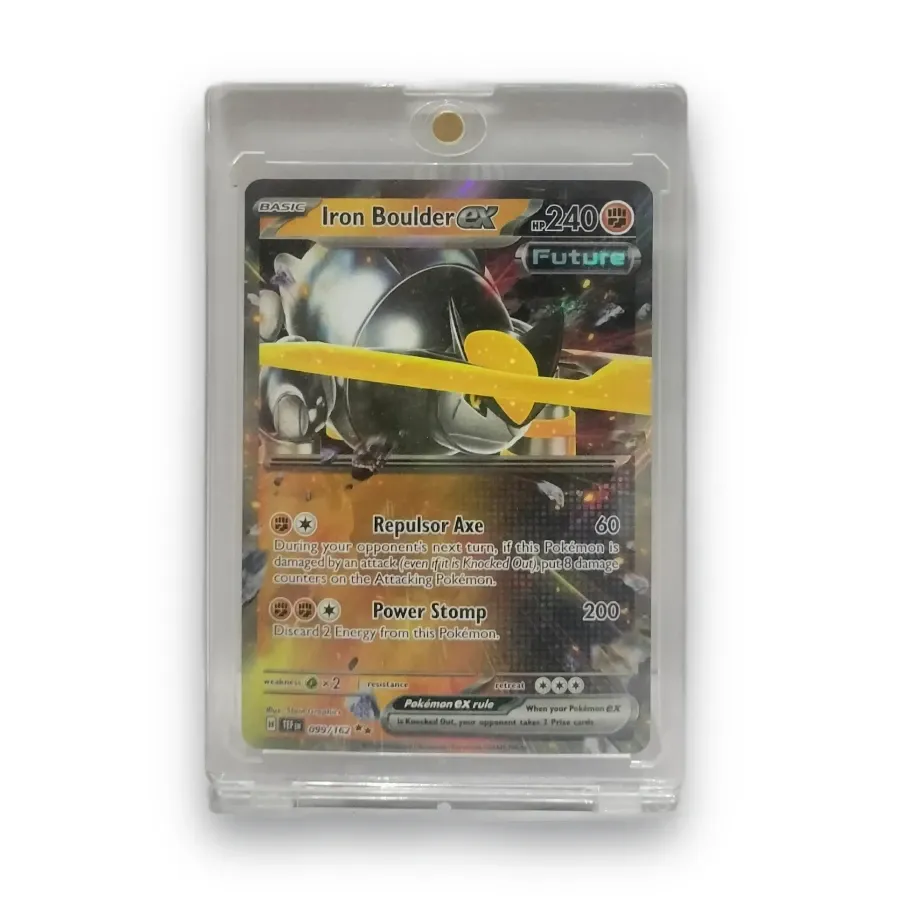
Iron Boulder ex 099/162 — Temporal Forces
0,50 €
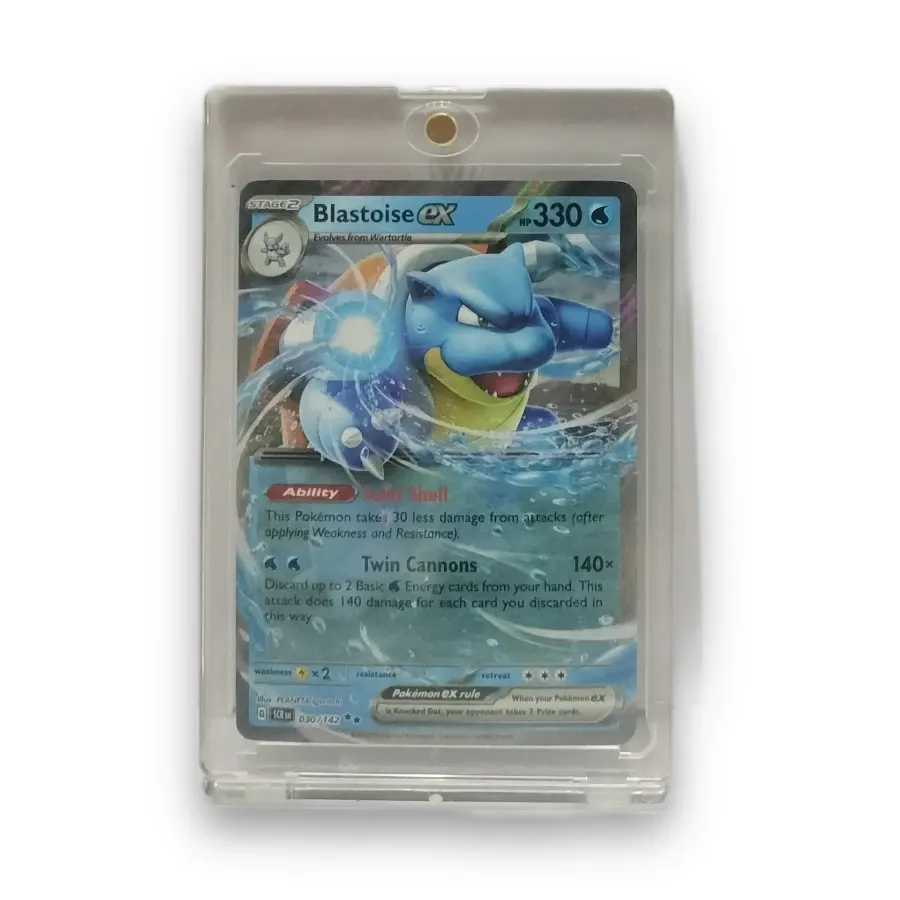
Pokémon TCG Blastoise ex 030/142 — Stellar Crown
2,00 €
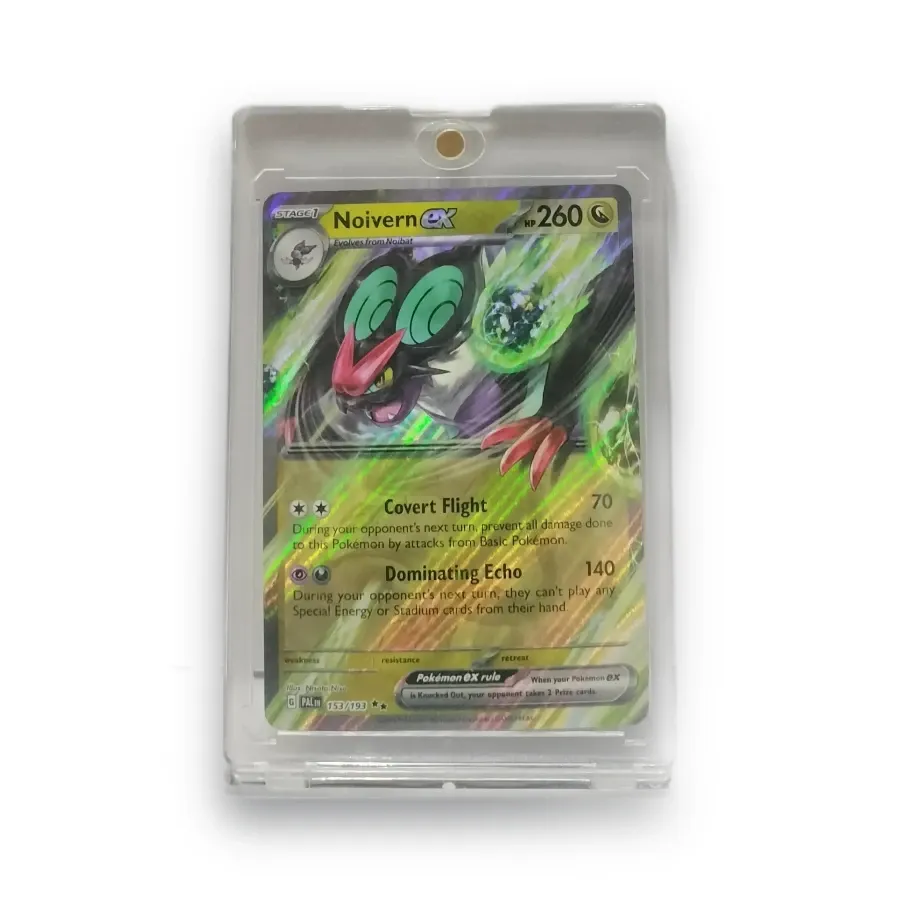
Pokémon Noivern ex 153/193 — Paldea Evolved
0,50 €
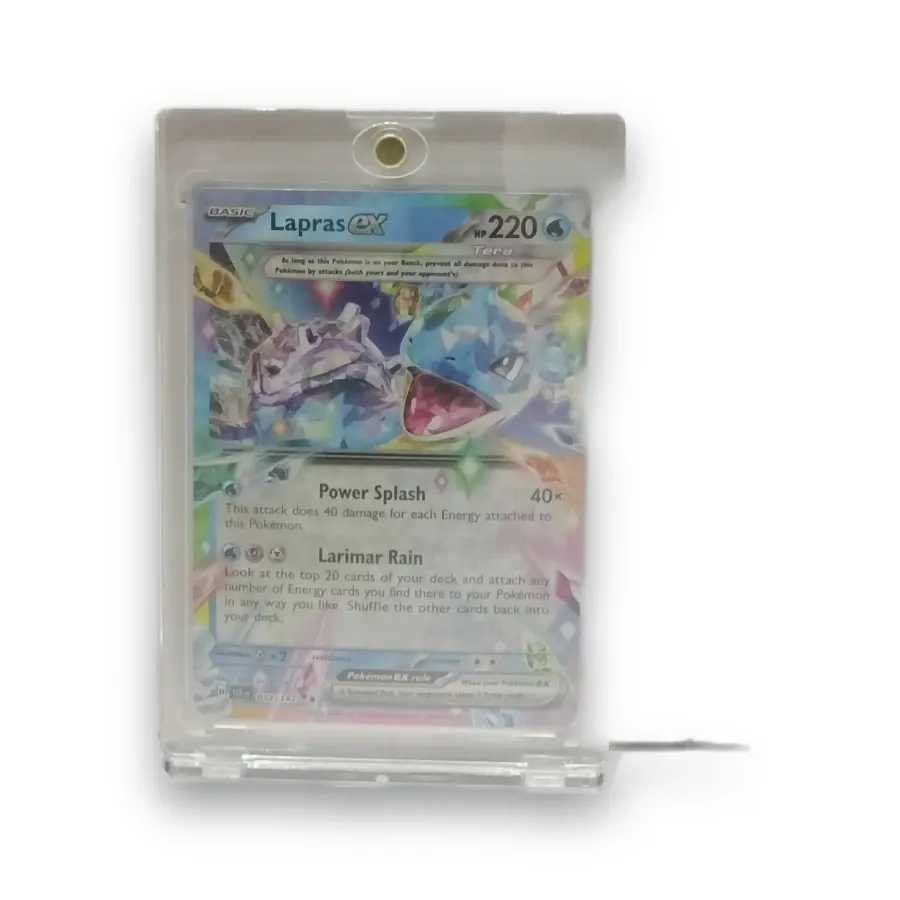
Pokémon TCG Lapras ex 158/142 — Stellar Crown
1,00 €

Pokémon Psyduck Wicked Cool Toys Plush
9,00 €
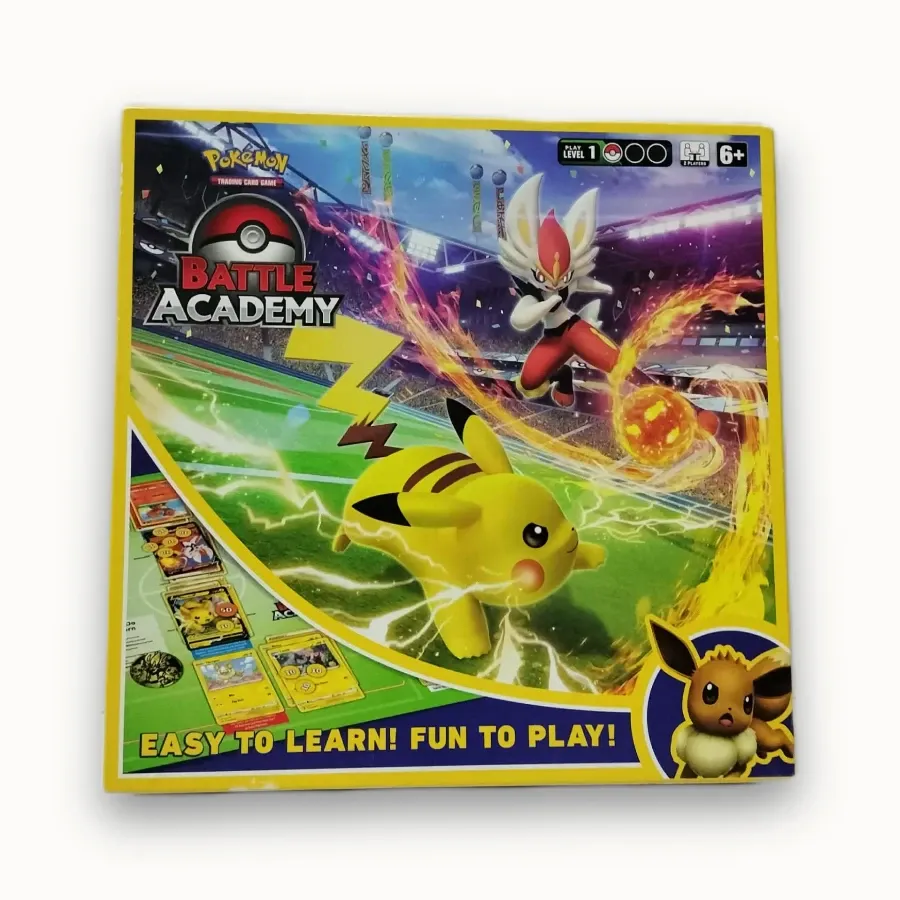
Pokémon TCG Battle Academy 2022 — Pikachu, Eevee & Cinderace V
28,00 €
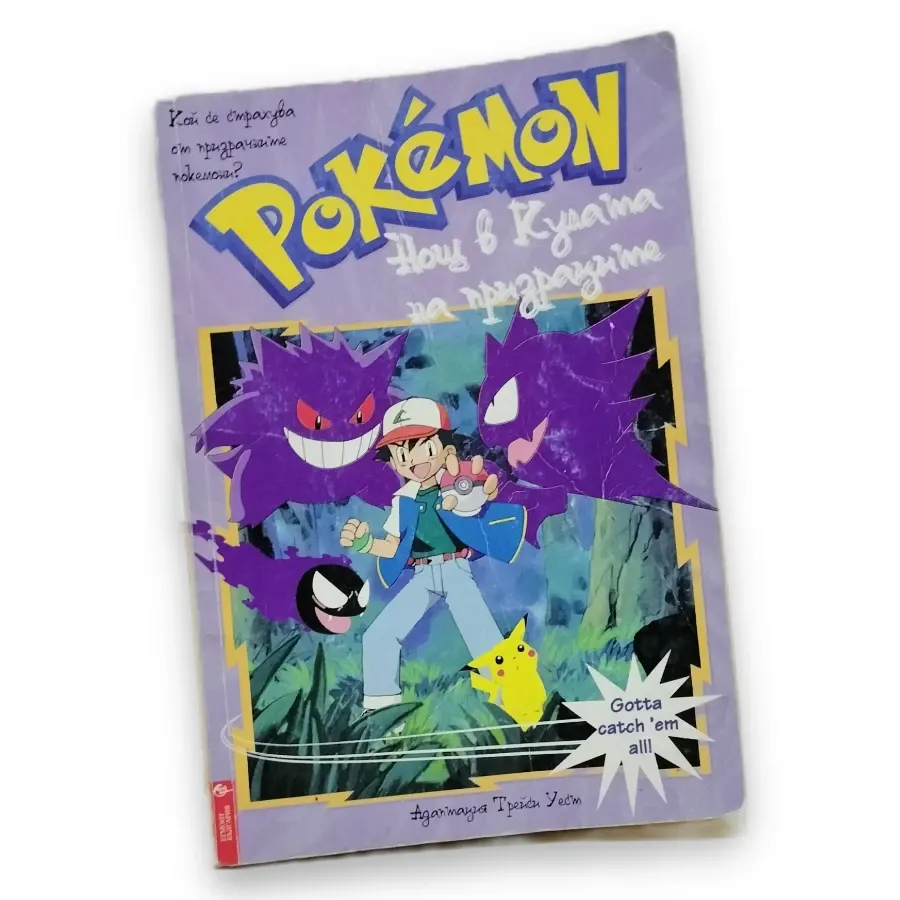
Pokémon: Show at the Ghost Tower
7,00 €

Pokémon Pikachu Plush with Tag
12,00 €
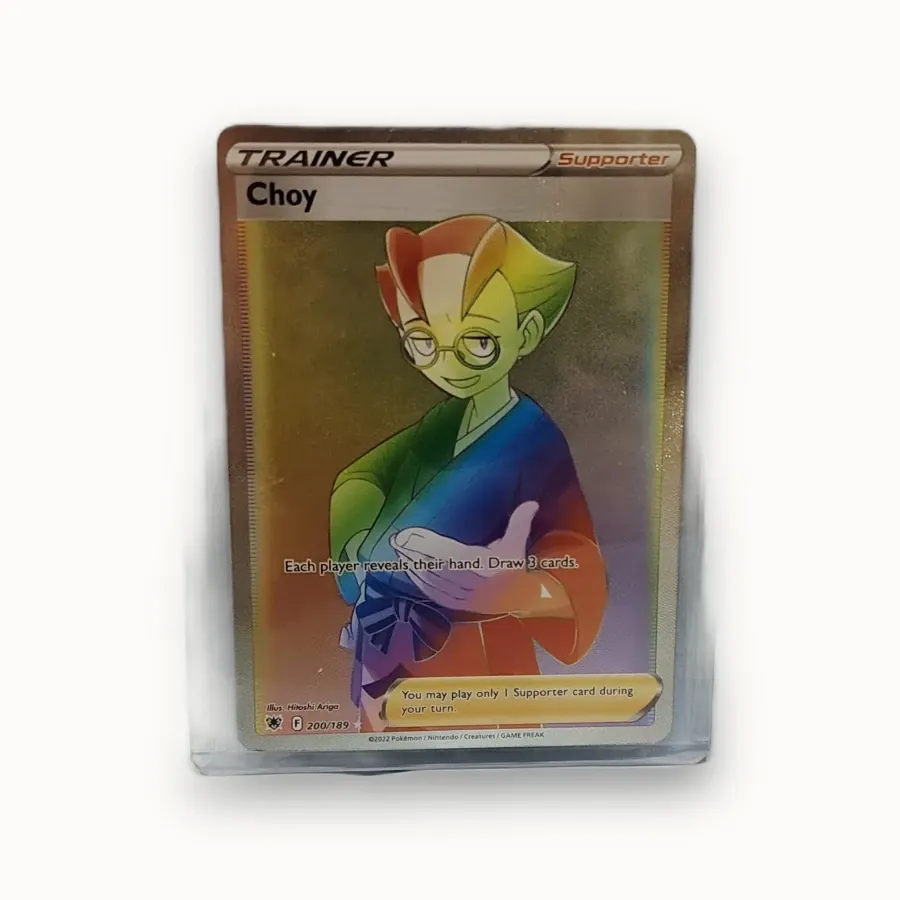
Pokémon Choy 200/189 Secret Rare Trainer Card
6,00 €
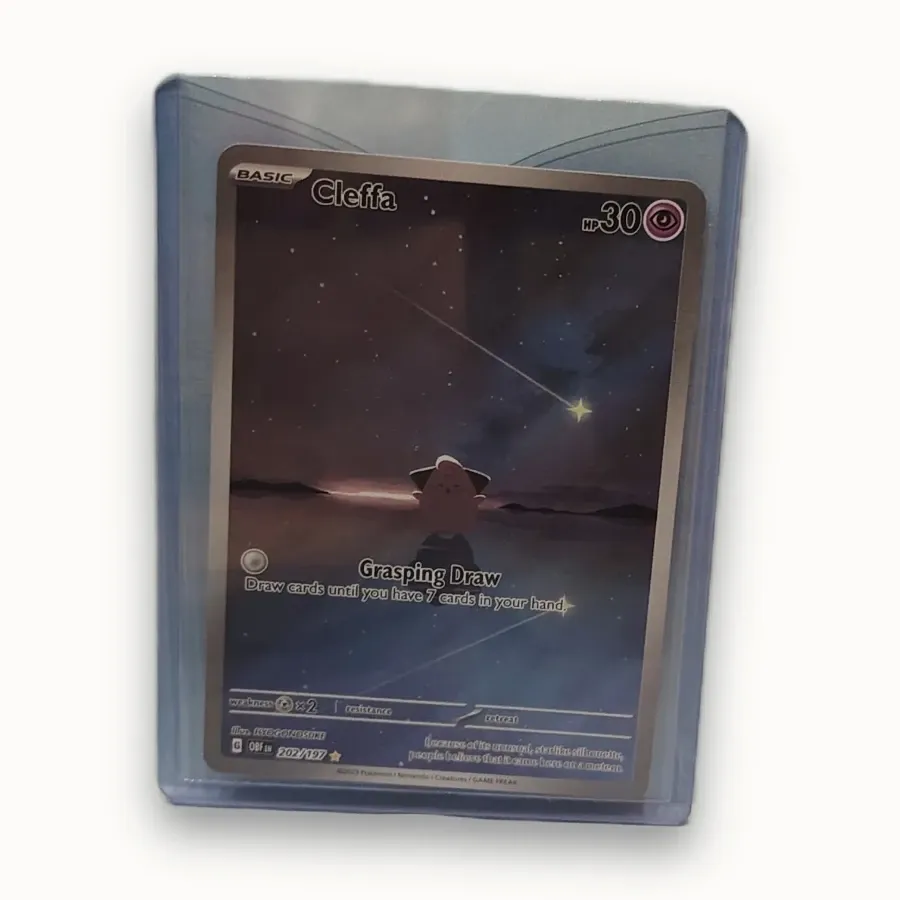
Pokémon TCG Cleffa 202/197 Illustration Rare — Obsidian Flames
27,00 €