
The collector's edition
Is Trading Games in Bulgaria Safe?
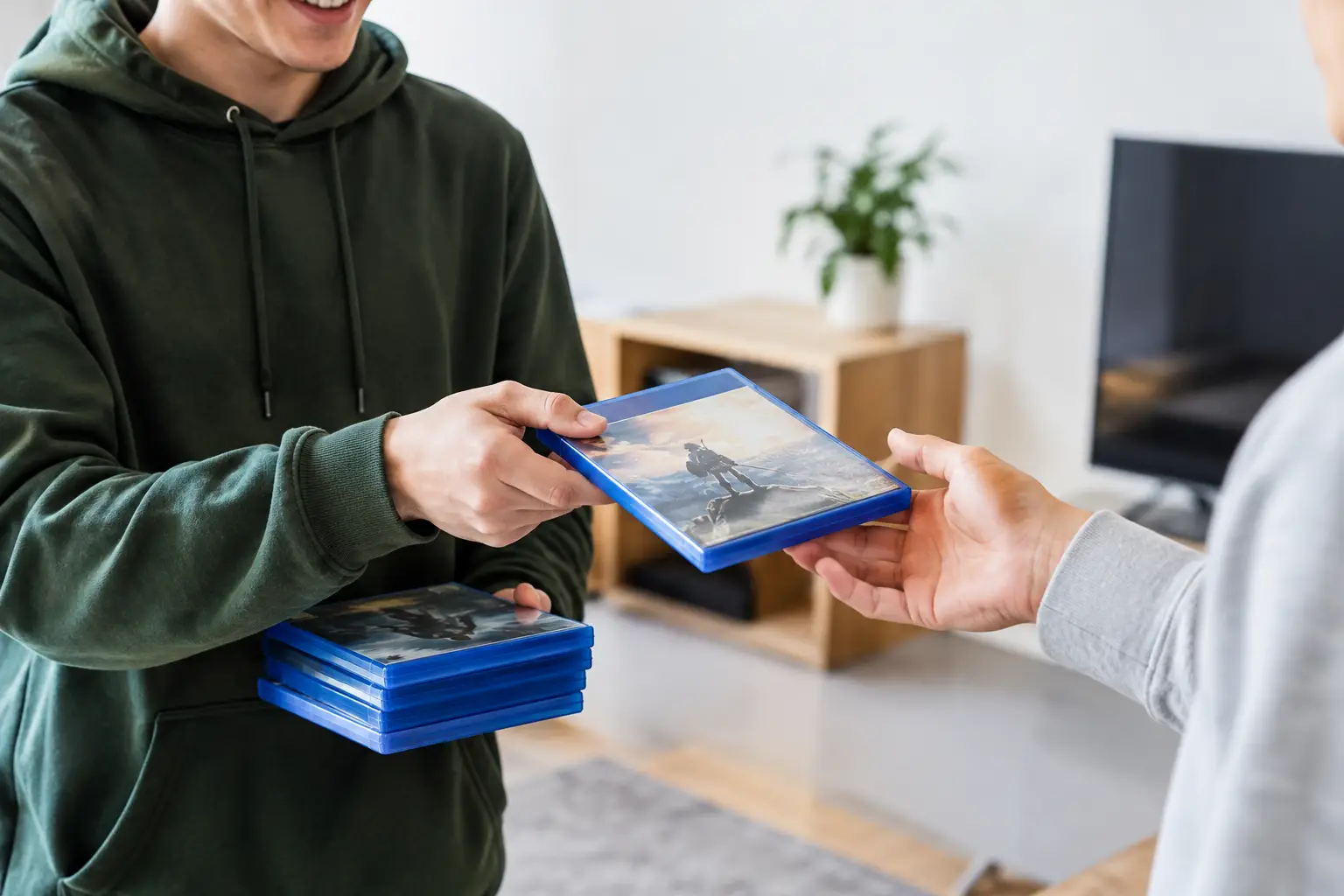
A well-preserved game can be worth more than the cost of its box, disc and manual. Especially if it was removed from digital stores long ago, comes with a complete PAL/EU package, or is simply the exact title you’re looking for in your collection. That’s why the question “is trading games safe?” can’t be answered with a simple “yes” or “no”. It’s safe when both parties know exactly what they’re trading, how it will be shipped and what happens if the description doesn’t match the item in reality.
Trading is a great way to make room on your shelf without dipping into your budget for the next title. But it isn’t magic: you get value only if you price your own game correctly and check the other offer with the same care you’d use when buying a rare edition.
When is trading games safe?
The safest trades start with a clear listing. “Hogwarts Legacy for PS5, like new” isn’t enough. A useful listing shows real photos of the front and back of the box, the disc or cartridge, any included materials and all condition notes. If the box has broken holders, the cover is faded or the manual is missing, that doesn’t make the game worthless, but it does affect its value and should be disclosed up front.
The platform is the first thing to check. A PlayStation 4 game usually works on PlayStation 5, but not every game has a free upgrade to the PS5 version. Xbox One, Xbox Series, Nintendo Switch, 3DS, PSP and retro systems each have their own compatibility rules. Physical PC editions often contain an activation code, which may already have been used. If a trade includes such a product, confirm whether the code is active, and don’t value the box as a complete new copy if it isn’t.
Region matters too. Modern PlayStation and Xbox discs usually have no trouble starting up, but DLC content must match the region of the game and profile. PAL, UK, EU, US and Japanese editions can differ in cover art, language, bonuses and collector value. With Nintendo, retro consoles and older titles, regional compatibility can be decisive. A photo of the code on the spine and of the disc or cartridge itself clears up many questions.
Value isn’t just about the title
Two copies of the same game rarely have the same value. The difference comes down to condition, the specific edition and what’s included. A Standard edition without a manual isn’t equivalent to a Collector’s Edition with original inserts, a steelbook and unused items. With retro titles, the original box and manual can often be worth almost as much as the cartridge itself.
Before you offer a trade, check current prices for copies in similar condition that are actually for sale. Don’t go by the highest price you’ve seen alone—it might be for a factory-sealed copy, a complete set or a rare region. Compare the platform, edition and visible signs of use. If one game is more sought-after or more complete, adding money is a normal part of a fair deal, not a reason to argue.
This also applies to digital bonuses. A voucher, season pass code or in-game items don’t add reliable value if they can’t be verified. It’s wisest to value the physical item and treat the code as a bonus only when it’s clearly unused.
What to ask before you agree
Good communication isn’t a tedious formality. It’s a way to filter out misunderstandings and scams. Ask for current photos taken specifically for the conversation, not just catalogue shots or images that may have been taken from someone else’s listing. A short video showing the box, disc and seller’s name on a note is perfectly reasonable for a more expensive item.
Agree in writing on what’s included in the parcel: game, original box, manual, map, figure, DLC code or other bonus. If you’re trading several games, list each title with its platform. “Spider-Man”, for example, could mean different editions for PS4, PS5 or Miles Morales, and there are even more differences between collector’s editions.
Don’t skip the most practical question: does the media work? With a disc, checking for deep scratches, cracks around the centre hole and signs of poor-quality resurfacing is essential. With cartridges, inspect the contacts and casing. For old games with a save battery, ask whether the save function has been tested. Nobody expects a 25-year-old SNES cartridge to look brand new, but defects must be described honestly.
Delivery is part of a safe deal
With a long-distance trade, both parcels need to be protected. A disc shouldn’t travel loose outside its case, while a steelbook, figure or cardboard collector’s box needs an extra layer of protection. Bubble wrap, sturdy cardboard and snug padding aren’t unnecessary luxuries—they protect the exact condition you agreed on.
Shipping with an inspection option on delivery gives you a chance to check that the contents match what you agreed on before completing receipt. Take photos or record a video while unpacking more valuable parcels. This isn’t a sign that you distrust everyone on the other end; it’s good practice that protects both parties if there’s a shipping problem.
Don’t send anything blindly if the other person refuses to provide real photos, changes the terms at the last minute or insists on advance payment without a clear reason. The same goes for offers that seem too good to be true—trading a rare Nintendo title for a common sports edition, for example, almost always calls for a closer check.
Red flags you shouldn’t ignore
There are situations where the best trade is the one you walk away from. Be wary when photos are blurry, appear in multiple listings or don’t show the actual item. It’s also suspicious when the seller can’t say which platform the game is for, what region it’s from or whether all parts of the set are included.
Another clear warning sign is pressure to decide quickly: “there are five other interested people”, “send it right away” or “there’s no need for so many questions”. Collector’s items don’t lose value just because you take ten minutes to check what you’re getting. A fellow fan will understand why you’re asking whether a Pokémon card is authentic, whether a LEGO set is complete or whether a disc is scratch-free.
Protect your personal information too. A delivery requires your name, phone number and pickup point or address, but there’s no reason to send photos of identity documents, card details or bank verification codes. No trustworthy buyer or seller should ask for them.
A safer choice for fans and collectors
A specialist platform has an advantage over a random chat because a game isn’t just “a disc”. It’s a specific version with a platform, region, condition and price. On KPZ, listings are aimed at people who understand why a missing cover, UK edition or well-preserved steelbook changes the offer. Verified sellers, real photos and payment on delivery reduce the risk before you even open the parcel.
That doesn’t replace your own checks. Read the description, look through the photos and ask a question if anything is missing. A safe environment works best when both buyer and seller are equally precise.
Trading games can be safe and deeply satisfying—especially when a game you no longer play goes to someone who’s been looking for it for months, and the missing piece of your collection arrives in return. Check the details, keep your correspondence and choose clear terms. That way, your next find will bring joy instead of an unpleasant surprise.
Find it at KPZ
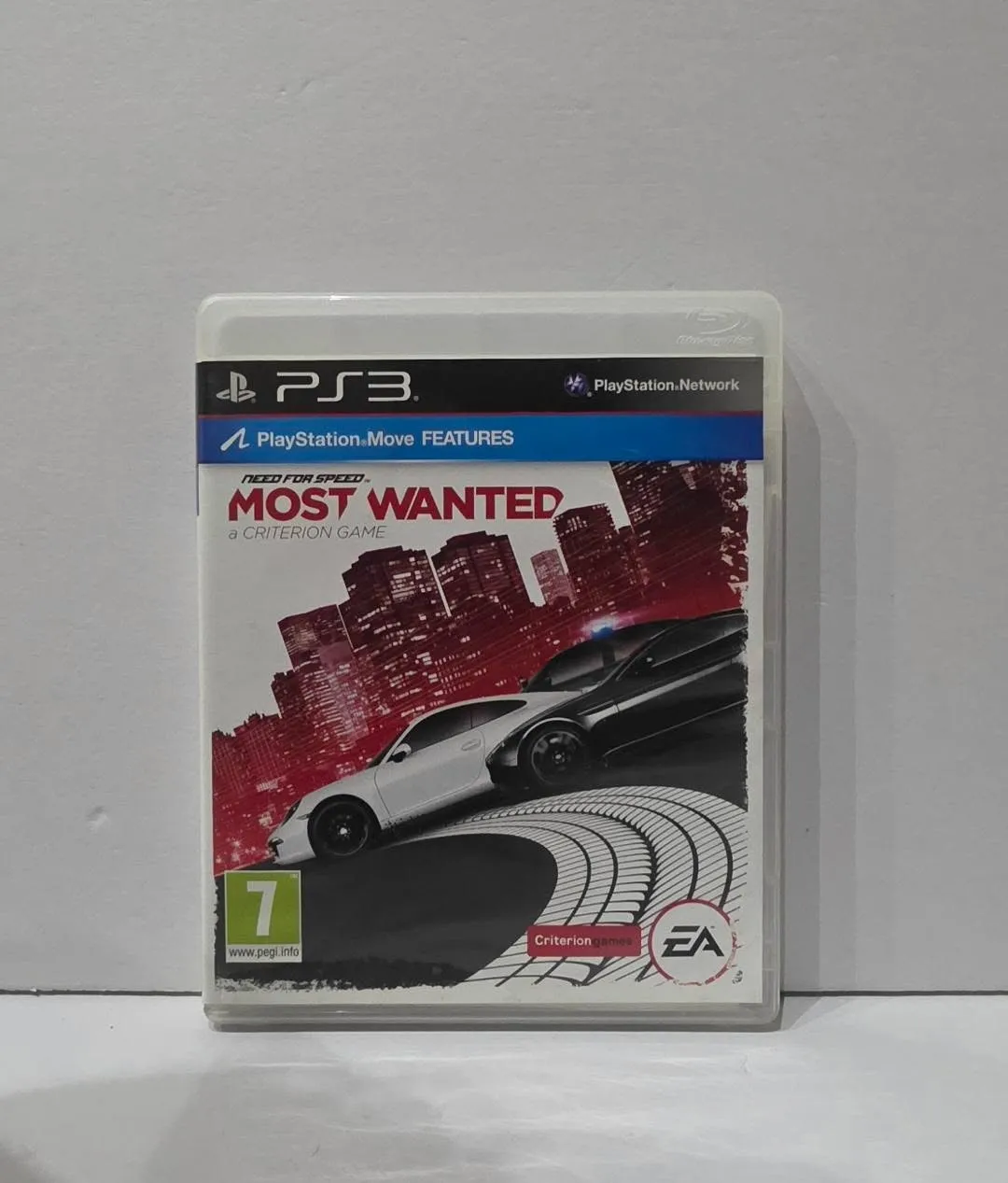
Need for Speed: Most Wanted — PS3, PAL
8,00 €
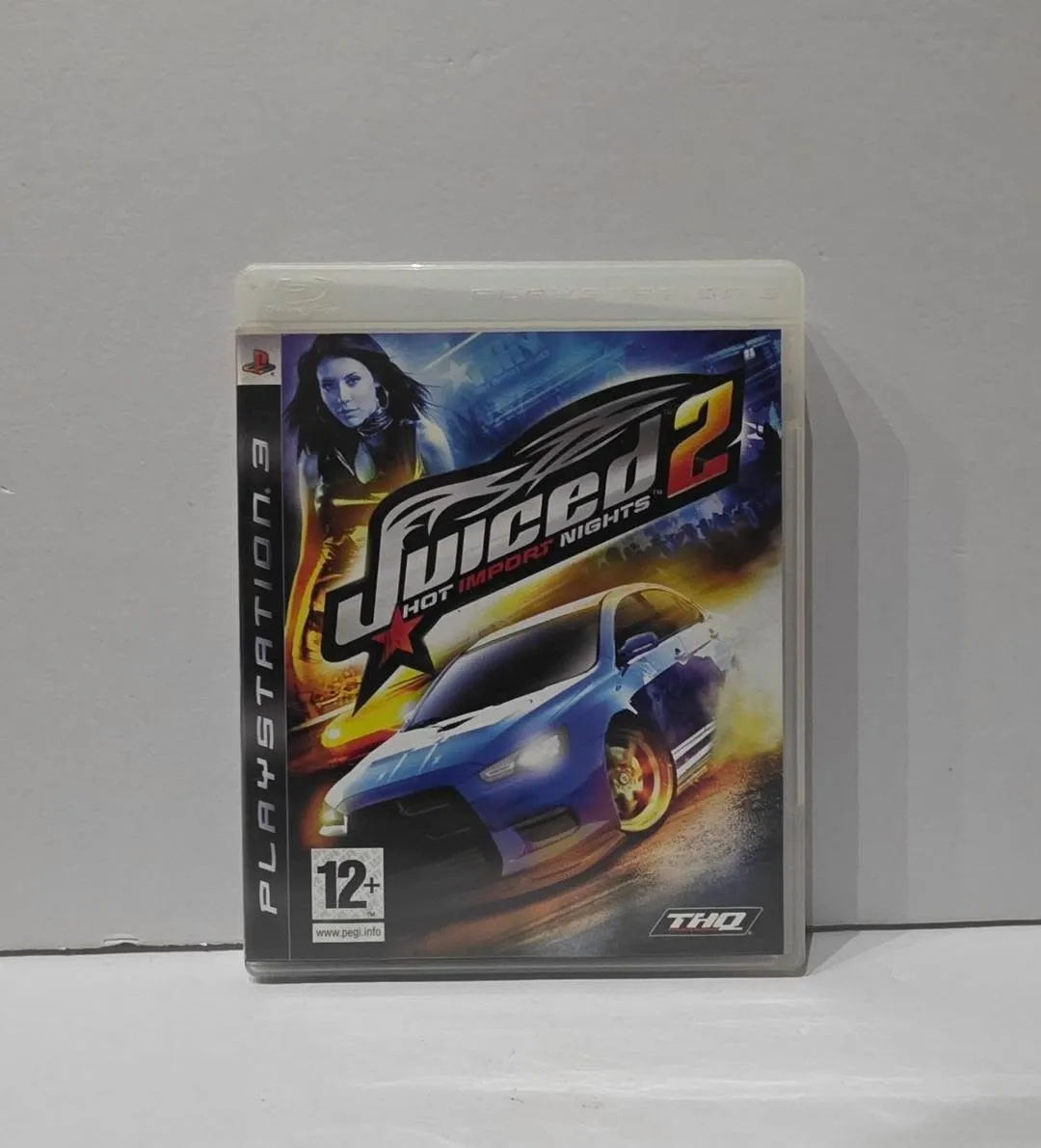
Juiced 2: Hot Import Nights for PlayStation 3
17,00 €
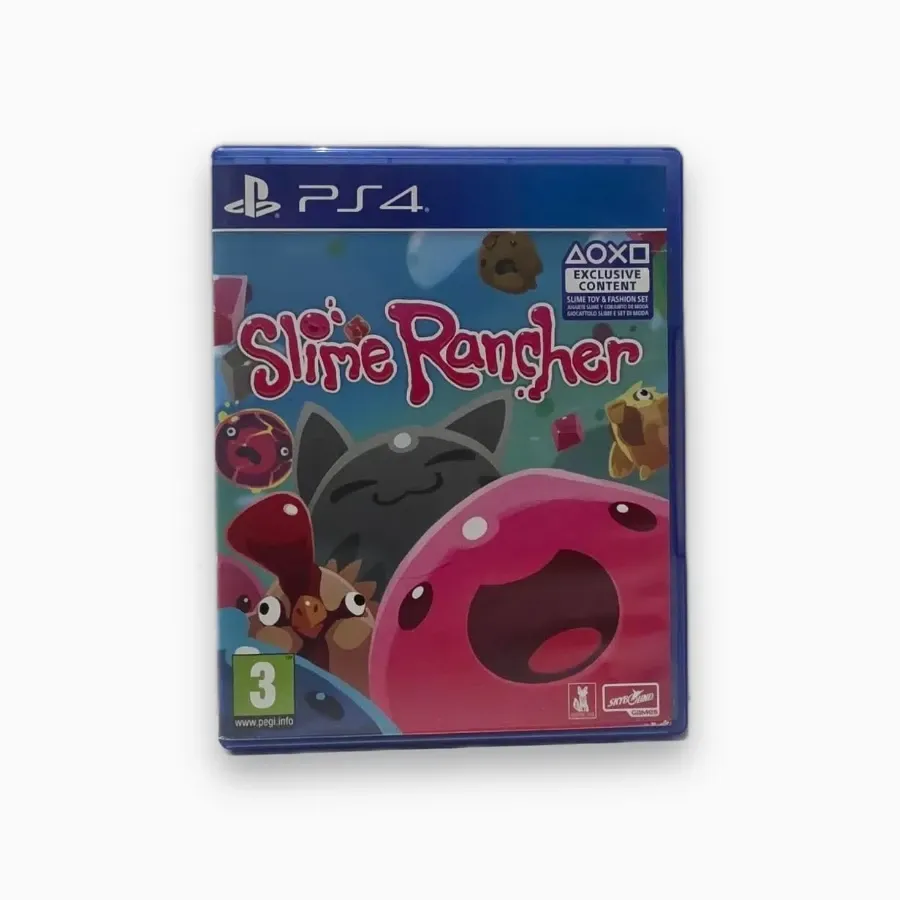
Slime Rancher for PlayStation 4
12,00 €
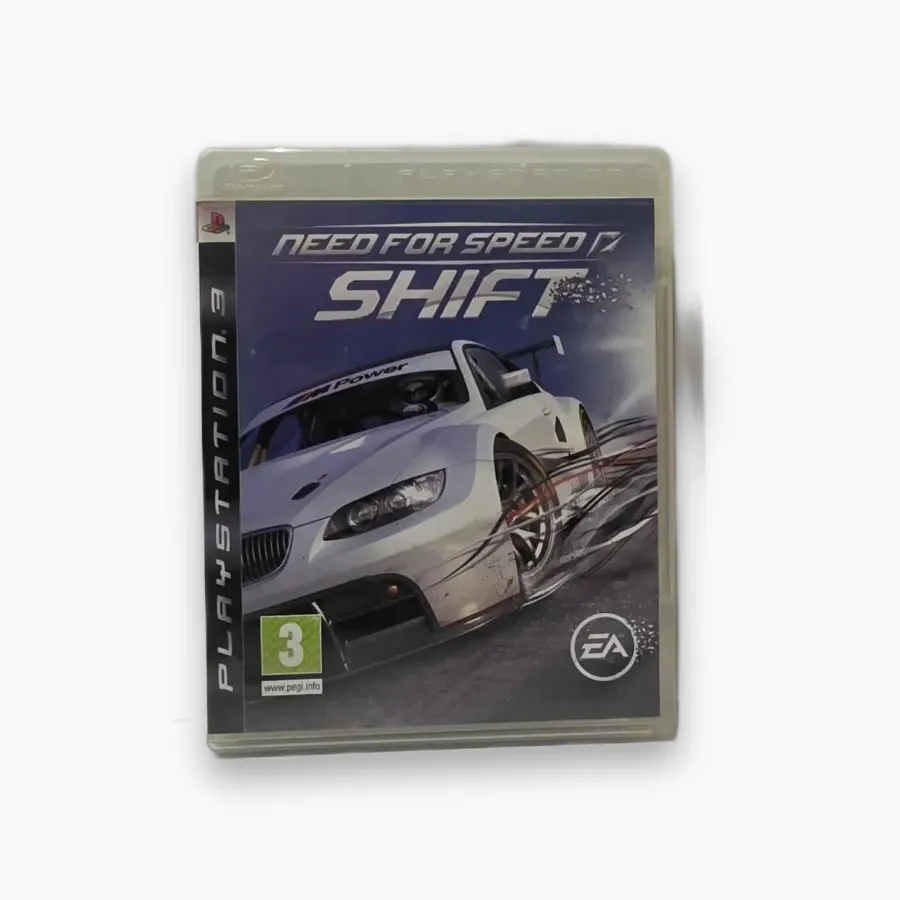
Need for Speed: Shift for PlayStation 3
9,00 €
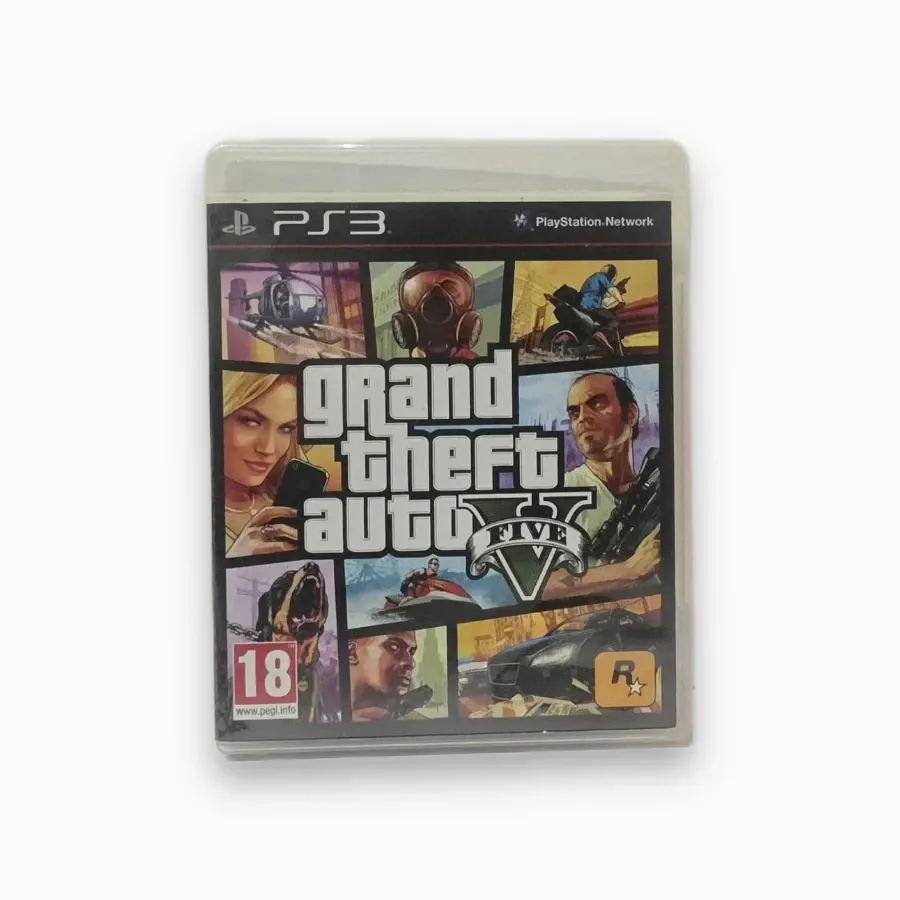
Grand Theft Auto V for PlayStation 3 (PAL/EU)
11,00 €
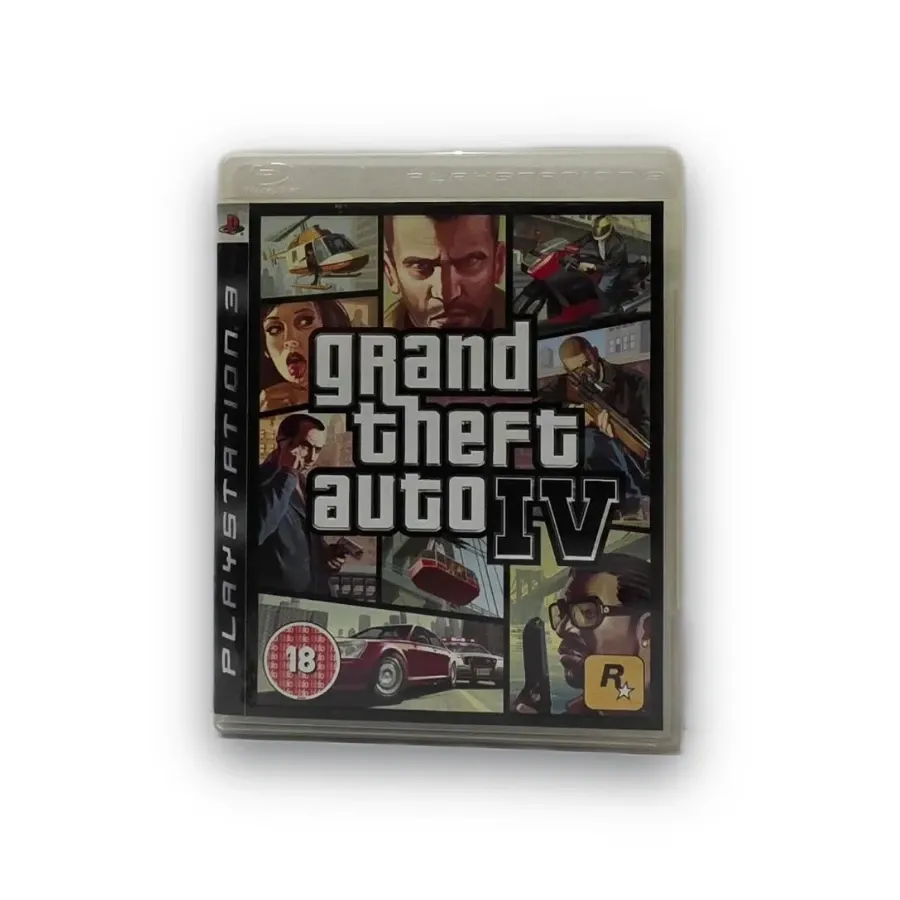
Grand Theft Auto IV for PlayStation 3
10,00 €
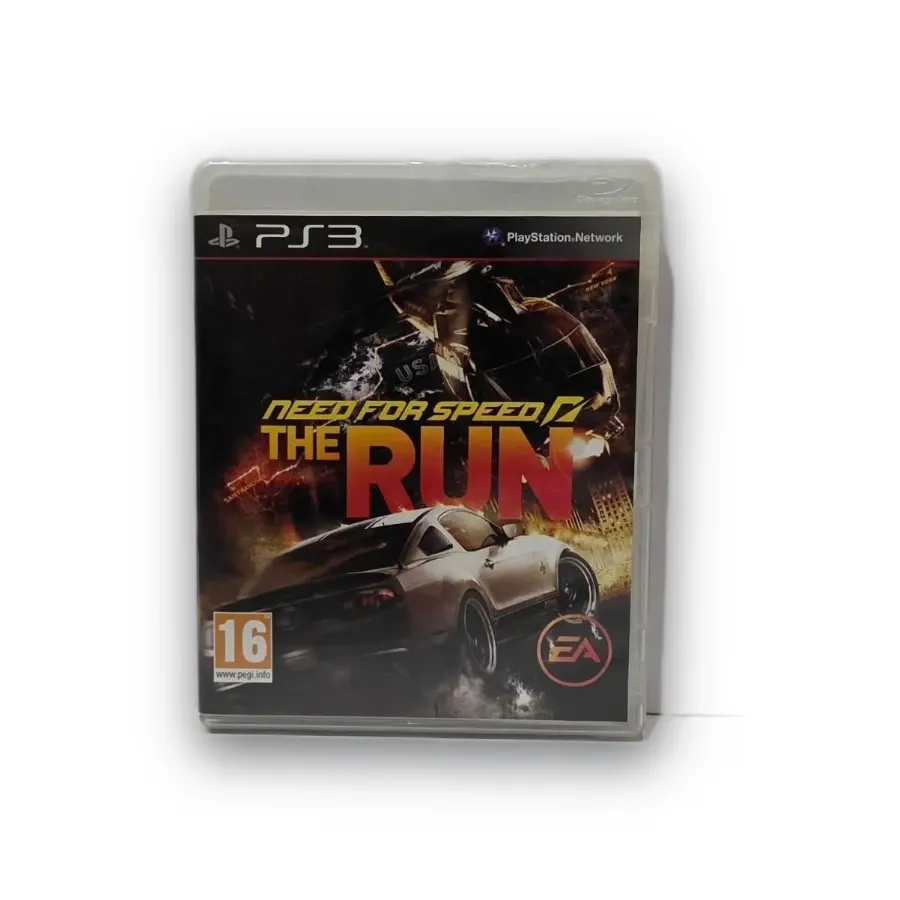
Need for Speed: The Run for PlayStation 3
8,00 €
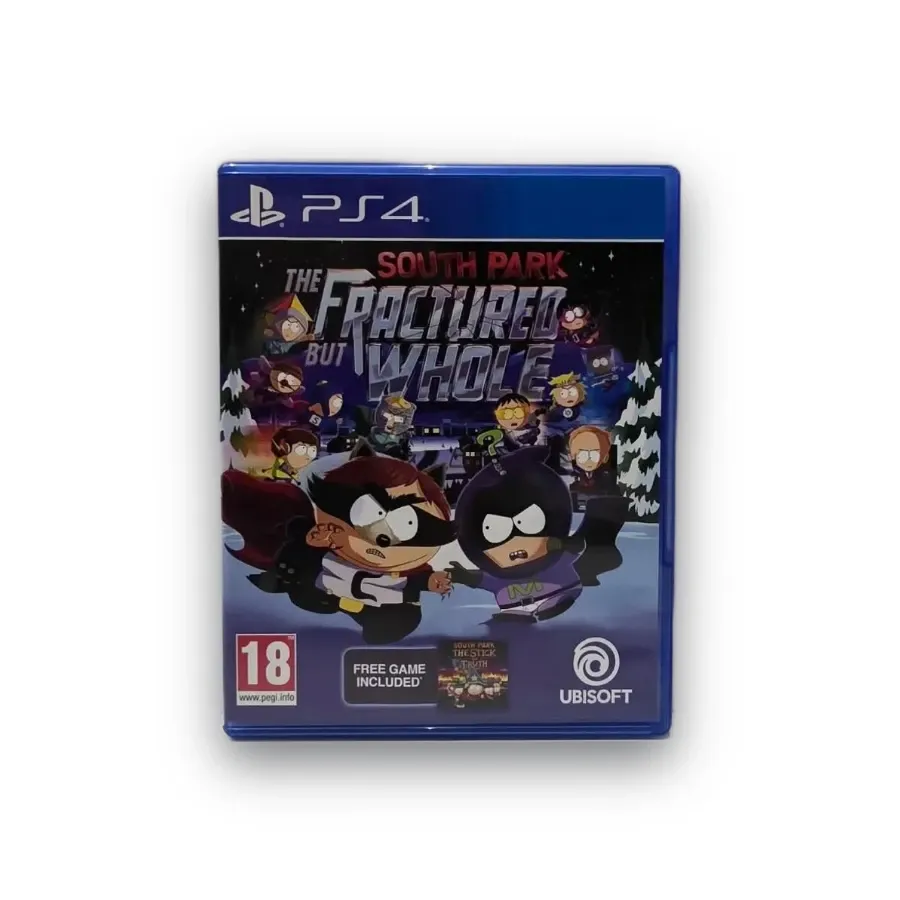
South Park: The Fractured But Whole — PS4
9,00 €

Disney Sing It: Pop Hits for PlayStation 2
18,00 €
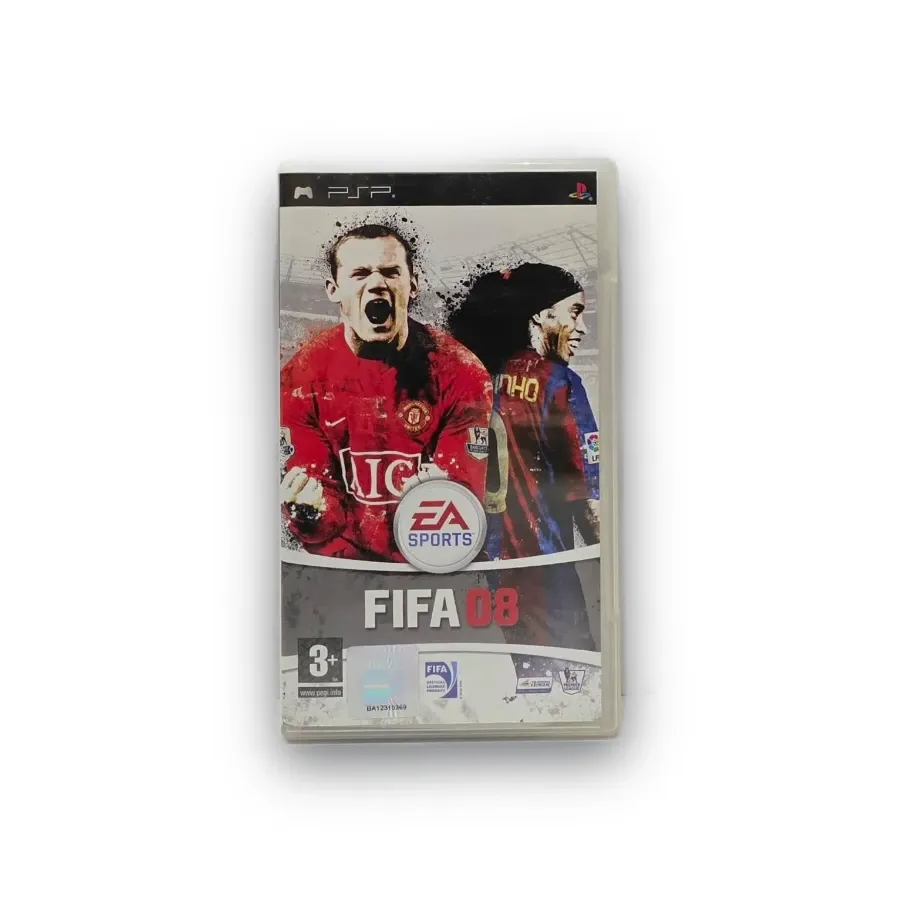
FIFA 08 for PSP
5,00 €